Last updated October 30, 2026
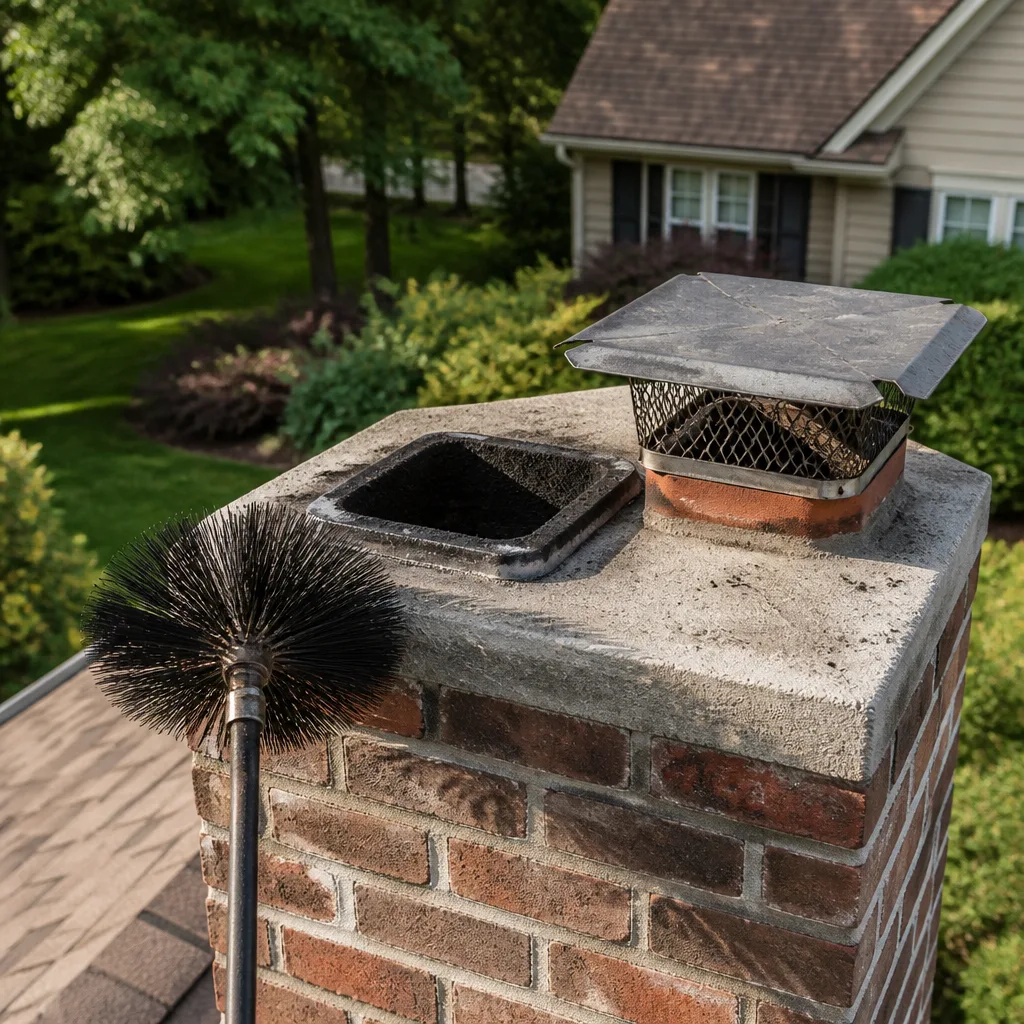 Sweep & inspection
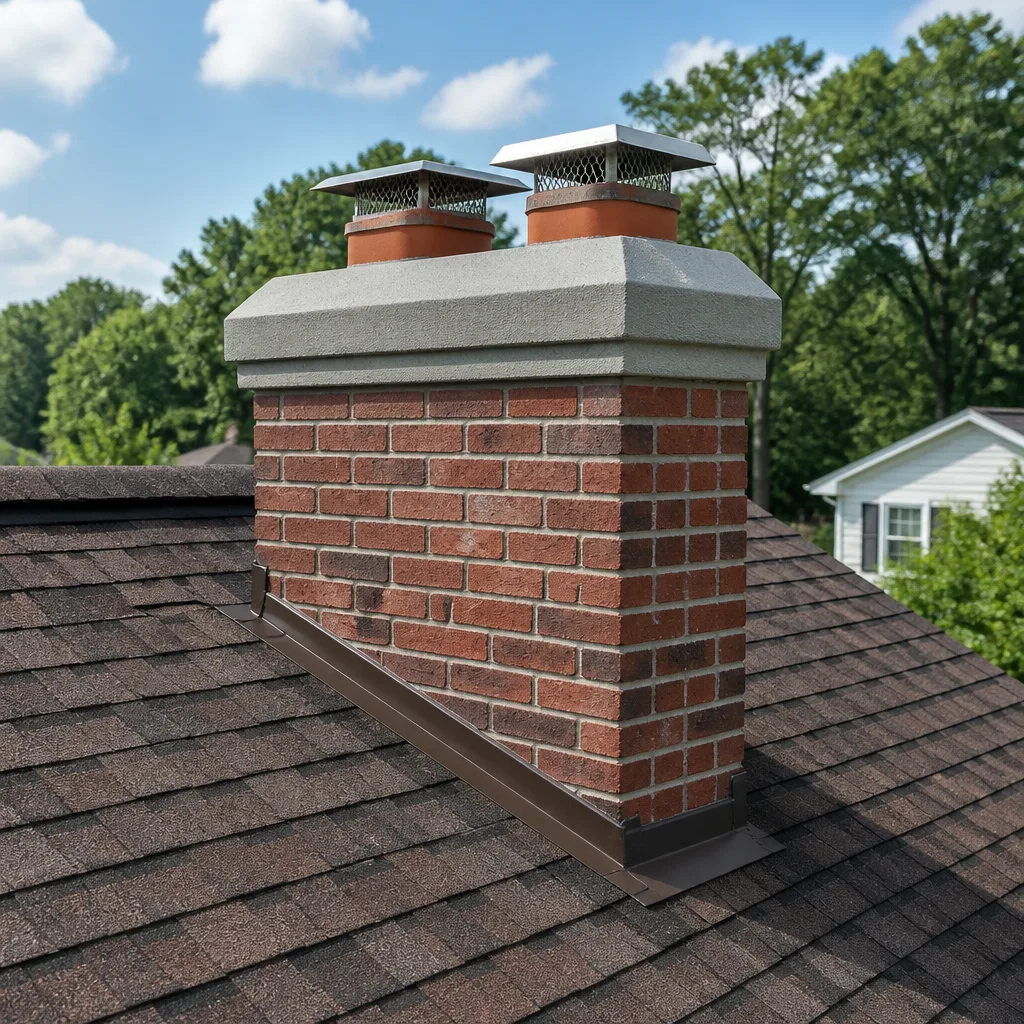 Caps & crowns
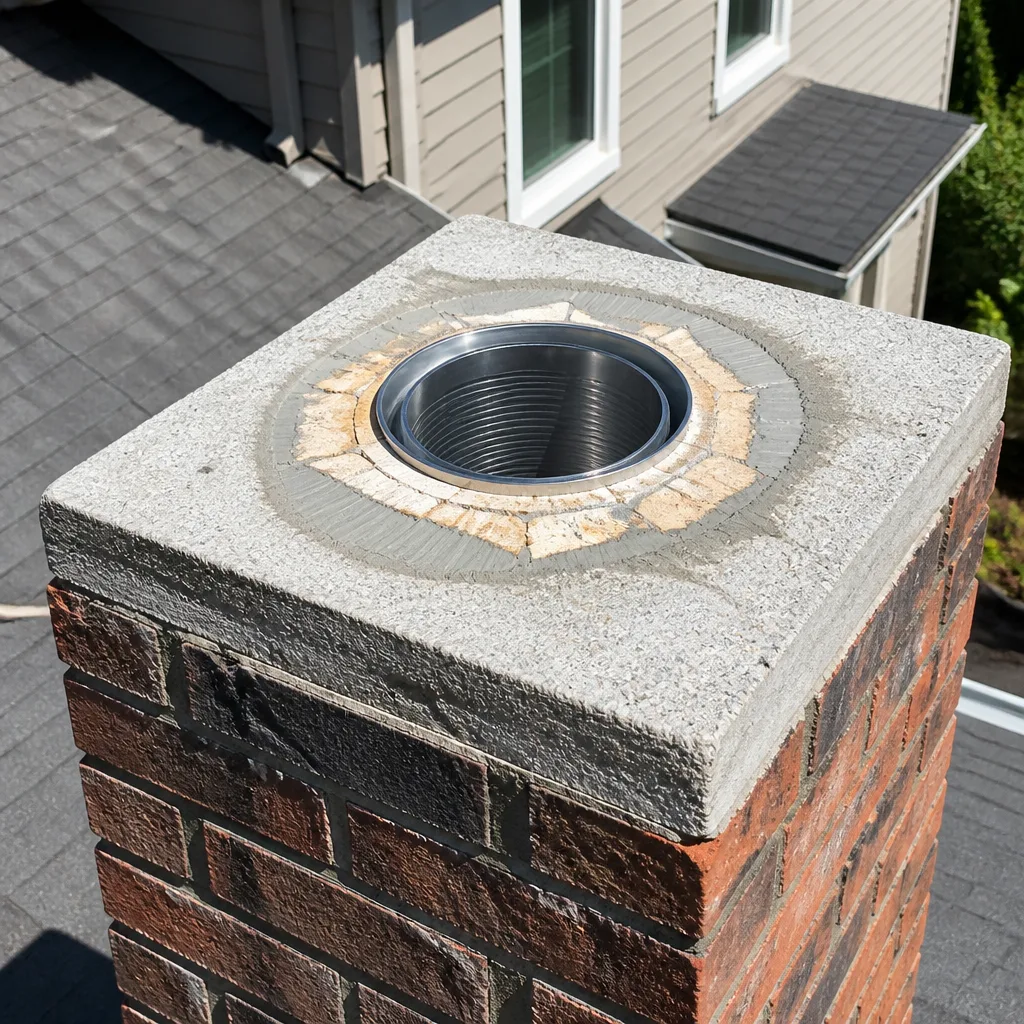 Flue relining
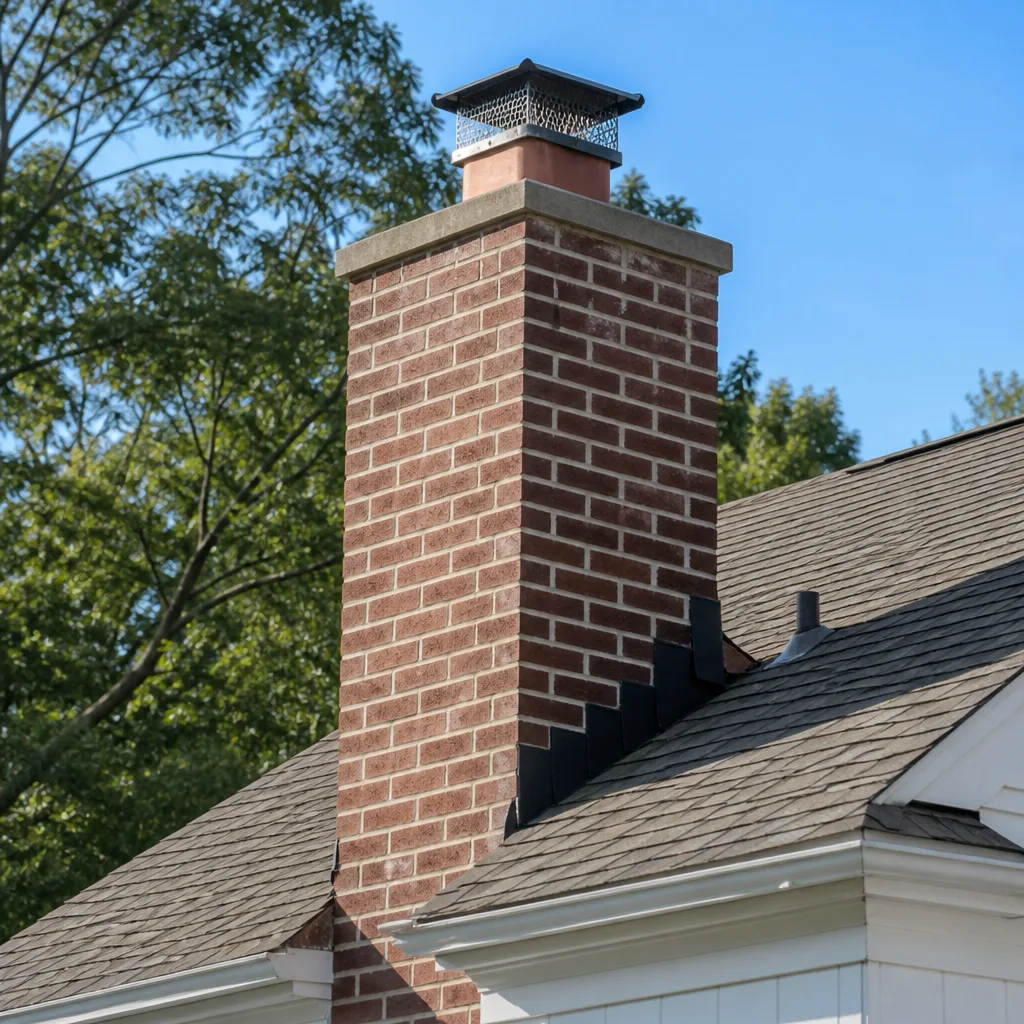 Masonry repair
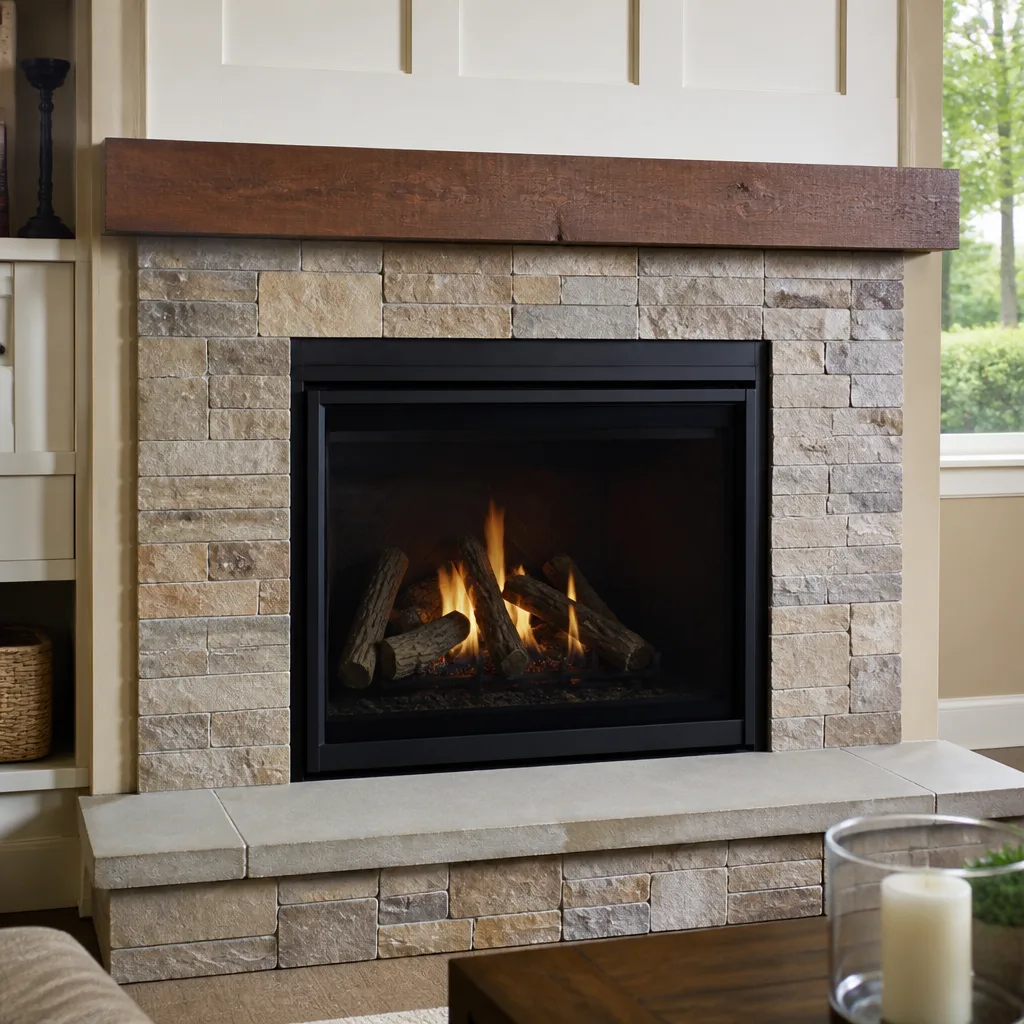 Gas fireplace service
Level 1 sweep and inspection to the NFPA 211 annual standard - flue, crown, cap, and flashing checked and photographed
Chimney sweep logs do not sweep chimneys. They loosen some creosote - which then falls where a brush and vacuum still have to collect it.
The Complete Chimney Sweep Guide for San Bernardino Homeowners
Most chimney maintenance guides are written for the Mid-Atlantic or Pacific Northwest, where regular rainfall and damp wood naturally suppress certain creosote formation patterns. San Bernardino homeowners burn through dry, smoky fire seasons in an arid inland climate, which changes the math on everything from how fast deposits build to how often you actually need a sweep. This guide covers what that means for your fireplace, your liner, and your household fire risk, with region-specific advice you won’t find in The Complete Guide to Chimney Cleaning in San Bernardino or a generic October checklist.
Styles & brands we work with
Quick Answer
Our Chimney Sweep services in San Bernardino involve removing creosote, soot, and debris from the flue, smoke chamber, and firebox, with a standard inspection included to catch liner damage, crown cracks, and blockages early. Because San Bernardino County’s low humidity accelerates certain creosote formations and wildfire smoke can introduce byproducts even in unused fireplaces, homeowners here should schedule a sweep annually before burn season and any time they notice a smoky draft, a strong campfire-like odor, or visible buildup. The work is typically completed in 60-90 minutes by a specialist and includes a written report with camera documentation.
Table of Contents
- What a Chimney Sweep Actually Involves
- How San Bernardino’s Climate Changes Creosote Formation
- Why Wildfire Smoke Matters Even for Unused Fireplaces
- NFPA 211 Inspection Levels: What Applies After a Wildfire or Home Purchase
- How Stucco Exteriors Affect Chimney Crowns Differently
- A Seasonal Maintenance Calendar for San Bernardino’s Burn Season
- Cost and What to Expect During a Sweep
- Why Your Dryer Vent Is a Fire Risk Too
- Common Mistakes to Avoid
- When to Call a Professional
- Frequently Asked Questions
- The Bottom Line
What a Chimney Sweep Actually Involves
A proper chimney sweep is not a quick pass with a brush from the top down while the technician hopes for the best. It’s a systematic cleaning of the entire venting path, from the flue liner through the smoke chamber and into the firebox, followed by an inspection that looks for the stuff a brush can’t fix. When we sweep a chimney in San Bernardino, we lay drop cloths, connect a HEPA-filtered vacuum to control dust, run rotary or hand brushes sized to the flue dimensions, and then remove the accumulated creosote, soot, and any debris like bird nests or wind-blown leaves.
After the mechanical cleaning, the technician inspects what’s left behind. This is the part that separates a genuine sweep from a low-effort brush-through. The inspection looks for cracked flue tiles, deteriorating mortar joints, rusted dampers, crown damage, and evidence of previous chimney fires that a homeowner would never notice from the living room. A camera inspection documents all of it, so you see exactly what the sweep saw. We find it and we fix it, which means if the camera reveals a problem, the same company that cleaned the chimney can repair it. You don’t need to call a second company, and you’re not left trusting a verbal summary with no visual record.
The whole process typically takes 60 to 90 minutes for a standard open fireplace. Homes with wood stoves or inserts may take longer because the appliance connections need to be removed and resealed. Any homeowner who has put off a sweep for several seasons should expect a heavier job, since hardened Stage 2 or Stage 3 creosote (glazed, tar-like deposits) can require chemical treatment or rotary chain tools before a standard brush does anything useful.
How San Bernardino’s Climate Changes Creosote Formation
The single biggest variable in chimney maintenance is creosote, the black or brown residue that condenses from wood smoke as it cools inside the flue. It builds in three stages, from flaky soot to a crunchy granular layer to a hardened, glazed coating that resembles tar. Stage 3 creosote is the kind that fuels chimney fires, and it’s notoriously stubborn to remove.
What most homeowners don’t realize is that local climate directly affects which stage develops and how fast. San Bernardino’s inland air is dry for much of the year, especially during late summer and fall before the first rains. Low humidity means wood stored outside is typically drier than wood stored in coastal or northern climates. Drier wood burns hotter and more efficiently at first, which reduces total smoke volume at the start of a fire. But it also burns faster, which pushes more heat up the flue. That’s where the counterintuitive problem emerges.
As hot smoke rises through a chimney on a cool, dry San Bernardino evening, the temperature differential between the inside of the flue and the outside air is more extreme than it is in milder climates. That rapid cooling causes smoke to condense more aggressively on the flue walls, depositing the fine particles that harden into Stage 2 creosote faster than the same fire would produce in a wetter, more thermally stable environment. In our experience sweeping San Bernardino homes, we consistently find Stage 2 deposits in fireplaces that have seen only a single season of regular weekend burning, a pattern that would take two or three seasons to develop in coastal California homes.
And if that creosote sits through one of San Bernardino’s dry, hot summers without a cleaning, it bakes, cures, and becomes significantly harder to remove the following fall. This is one of the reasons an annual sweep here isn’t just a recommendation, it’s the minimum interval for anyone who actually uses their fireplace.
Why Wildfire Smoke Matters Even for Unused Fireplaces
San Bernardino County sits directly in the path of recurring wildfire activity, from the San Bernardino National Forest to the foothills and passes that shape the local geography. During fire season, smoke drifts through neighborhoods for weeks at a time. Even if your fireplace sits unused, your chimney is still a hollow tube open to the sky, and it breathes with every shift in outside air pressure.
Wildfire smoke is not the same as wood stove smoke. It contains fine particulate matter, partially combusted resin compounds, and airborne ash that behaves differently when it enters a flue. As that smoke cools inside your chimney, some of those compounds deposit on the flue walls and in the smoke chamber. The result is a thin, oily film that doesn’t look like much on a casual glance but can trap and hold additional debris. More importantly, that deposit can react with the existing creosote already in the flue, accelerating the hardening process that converts Stage 2 into Stage 3.
There’s another practical issue. During high-wind fire events, embers and ash can travel surprising distances. We’ve found wind-blown ash and charred debris in flues of homes located miles from an active burn perimeter, deposited through the chimney cap or settling inside the flue during a wind event. That’s a fire hazard waiting for the next season’s first burn. It doesn’t matter that you never built a fire, the chimney accumulated flammable material anyway.
The practical takeaway for San Bernardino homeowners is this: after a significant wildfire smoke event in your area, have the chimney inspected before the burn season begins, even if the fireplace hasn’t been used in years. A basic visual inspection can determine whether the flue needs cleaning or whether it can safely wait.
NFPA 211 Inspection Levels: What Applies After a Wildfire or Home Purchase
The National Fire Protection Association publishes NFPA 211, the standard that governs chimneys, fireplaces, vents, and solid fuel burning appliances. It defines three levels of chimney inspection, and understanding the differences helps San Bernardino homeowners know what to ask for.
- Level 1 inspection: A visual check of the readily accessible portions of the chimney, including the flue interior, damper, smoke chamber, and exterior. This is the standard inspection performed during a routine annual sweep when nothing about the system has changed. It confirms basic soundness and identifies obvious hazards like major creosote buildup or a missing chimney cap.
- Level 2 inspection: Everything in a Level 1, plus access to attic, crawlspace, and roof areas, and a video scan of the flue interior. NFPA 211 requires a Level 2 inspection when a property is sold, when the chimney has been subjected to a significant event (like a chimney fire, lightning strike, or nearby wildfire), or when the system is being re-commissioned after extended non-use. This is the inspection we recommend for any San Bernardino homebuyer. For homeowners who lived through a nearby wildfire, a Level 2 is the appropriate post-event standard.
- Level 3 inspection: A Level 2 inspection that escalates to the removal of building components, such as portions of the chimney crown, interior walls, or masonry, to access concealed areas. This is only required when a Level 2 reveals a suspected hazard that can’t be fully evaluated without demolition access. Level 3 inspections are rare and are typically associated with significant chimney fire damage or structural failure.
For the overwhelming majority of San Bernardino homeowners, the relevant question is whether a routine sweep with a Level 1 is sufficient or whether circumstances justify a Level 2. If you just bought a home, the answer under NFPA 211 is a Level 2. If a wildfire burned within a few miles of your house and smoke sat over your neighborhood for days, a Level 2 is the responsible choice. If you’ve used the same fireplace for years with consistent annual sweeps and no incidents, a Level 1 during your regular fall visit is generally adequate. Our San Bernardino Chimney Sweep home team performs both levels and will tell you honestly which one applies to your situation.
How Stucco Exteriors Affect Chimney Crowns Differently
San Bernardino’s housing stock is dominated by stucco-clad construction, a legacy of the region’s Spanish and Mission architectural heritage. Stucco is a durable, climate-appropriate exterior finish for the dry inland air, but it interacts with chimney crowns in ways that brick-clad homes in other parts of the country don’t experience.
The chimney crown is the concrete or mortar cap at the very top of the chimney that seals the top of the masonry and directs water away from the flue. On a traditional brick-clad home, the crown is visible, simple to inspect, and relatively easy to access. On a stucco home, the crown is often integrated into a stucco-coated chase or surrounded by a stucco finish that wraps up and over the chimney structure. That stucco creates a continuous surface that can hide cracks developing underneath.
The problem in San Bernardino specifically is thermal cycling. Our daytime and nighttime temperatures swing dramatically, especially in fall and spring. Stucco expands and contracts at a different rate than the underlying concrete crown and masonry. Over years of these cycles, hairline cracks form at the interface where stucco meets concrete. Those cracks admit tiny amounts of moisture during the region’s occasional heavy rain events, and in San Bernardino’s dry climate that moisture evaporates quickly, leaving behind mineral deposits that gradually widen the cracks. Most homeowners never see this happening because the stucco continues to look intact from ground level.
What this means practically is that San Bernardino homeowners with stucco chimneys should have the crown inspected during every annual sweep, not every few years. A trained eye can spot the early warning signs of crown failure from the roofline before the damage extends into the flue system below. Catching that early is the difference between a crown seal application and a full rebuild.
A Seasonal Maintenance Calendar for San Bernardino’s Burn Season
San Bernardino’s burn season doesn’t follow the same calendar as New England or the upper Midwest. We don’t light the first fire on Labor Day and keep it burning through March. Our season is shorter, more concentrated, and often delayed by lingering heat and fire-season restrictions. The maintenance calendar should match the local rhythm.
- Late August to early September: Book the annual chimney sweep and inspection. This is the window before demand peaks. San Bernardino homeowners who wait until the first genuinely cold weekend in November are competing for slots with everyone else who had the same idea. A September appointment means your chimney is clean, inspected, and ready whenever the temperature finally drops.
- September through October: Monitor any remaining wildfire activity in the region. If smoke settles over your neighborhood for more than a few days, make a note. If you already had your sweep, a quick follow-up visual inspection may be warranted depending on smoke intensity. If you haven’t had your sweep yet, schedule it after the smoke clears so you’re not paying to clean a flue that then accumulates new deposits.
- October through November: The core burn season in San Bernardino typically starts in late October or November, coinciding with the first sustained cool nights. If you’ve followed steps one and two, you’re ready. Burn only seasoned wood with a moisture content below 20 percent, and avoid burning construction lumber, treated wood, or wrapping paper, all of which produce heavy creosote or chemical-laden smoke.
- December through February: Peak burning months. If you use the fireplace more than three times per week, pay attention to the way it drafts. A sluggish draft, smoke entering the room, or a sharp, pungent odor when the fire is out can all signal developing problems. Mid-season sweeps are a real thing in San Bernardino, especially for high-usage fireplaces.
- March through April: End of season. As soon as you know you’re done burning for the year, consider having the chimney swept one last time. Creosote left to sit through a San Bernardino summer bakes and hardens, making the fall cleaning more difficult and more expensive. A spring sweep leaves the flue dry and clean through the hot months, so the fall visit is often faster and simpler.
- May through August: The dormant season. This is the ideal time for any repair work the spring inspection identified. Cracked crowns, deteriorating mortar, or liner damage discovered in spring can be repaired over summer without disrupting your burning schedule. Contractors have more scheduling flexibility, and the work cures properly in warm, dry conditions.
This calendar is built around San Bernardino’s actual weather and fire-season patterns, not a generic October reminder. Following it means fewer emergency calls in January and a chimney that’s ready when the first real cold front arrives.
Cost and What to Expect During a Sweep
Chimney sweep pricing in San Bernardino typically falls between $180 and $350 for a standard open fireplace, depending on the flue size, the amount of creosote present, the roof pitch and accessibility, and the inspection level required. Wood stoves and fireplace inserts run higher because of the additional disassembly and reassembly involved. Homes with heavy Stage 3 glazed creosote will also see higher costs, since removal requires specialized tools and more time.
- Standard sweep with Level 1 inspection: $180 – $250
- Sweep with Level 2 video inspection: $300 – $450
- Wood stove or insert sweep: $250 – $400
- Heavy Stage 3 creosote removal: $350 – $600+
- Chimney cap replacement: $150 – $400 installed, depending on material and flue size
- Crown seal or minor crown repair: $250 – $600
These are regional ranges, not firm quotes, but they give San Bernardino homeowners a realistic benchmark. The single biggest factor is creosote condition, because hardened deposits take longer to remove and wear out equipment faster. A chimney that’s swept every year stays in the lower range. A chimney that hasn’t been touched in five years drifts toward the higher end.
During the visit, expect the technician to protect the floor with drop cloths, run a HEPA vacuum to control dust, and use brushes sized to your specific flue dimensions. The inspection should include a camera view of the flue interior, and you should receive a written report with findings and photos. If the sweep reveals damage, you want a company that can tell you plainly what needs attention now and what can wait. Nothing should be recommended without camera evidence you can see for yourself.
Why Your Dryer Vent Is a Fire Risk Too
While chimney sweeps get most of the attention in the fall, San Bernardino homes have another ventilation path that causes thousands of residential fires every year. The dryer vent. Lint accumulates in dryer ducts the same way creosote accumulates in chimneys, and it’s similarly flammable. The U.S. Fire Administration has long identified dryer vent fires as a leading cause of residential structure fires, with lint buildup being the most common ignition source.
What makes dryer vents especially dangerous in San Bernardino is the same dry air that complicates chimney maintenance. Lint stays dry and light in our climate, which makes it highly flammable and easy to ignite. A clogged dryer vent forces the dryer to work harder, drives up energy costs, and traps heat in the duct. That heat, combined with dry lint and the constant airflow, creates exactly the conditions a fire needs to start.
For San Bernardino homeowners, dryer vent cleaning should happen at least once a year, and more often for large households or homes with long vent runs. Signs that the vent needs cleaning include clothes taking longer than one cycle to dry, a burning smell while the dryer runs, a dryer that’s unusually hot to the touch, or lint accumulating around the exterior vent termination. We offer Dryer Vent Cleaning in Rubidoux as a core service, not an afterthought, because it addresses one of the leading causes of residential fires, and it’s every bit as important as chimney maintenance.
Our work covers sweeping, repair, and dryer vents under one roof, which means a single visit can address multiple ventilation risks in the same home. That’s the difference between hiring a specialist and hiring a generalist.
Common Mistakes to Avoid
- Burning unseasoned wood from local sources without verifying moisture content. Freshly cut or improperly stored wood is everywhere in San Bernardino, and burning it is the single fastest path to heavy creosote buildup. Use a moisture meter and don’t burn anything above 20 percent.
- Assuming a chimney that hasn’t been used in years doesn’t need inspection. In San Bernardino specifically, wildfire smoke and wind-blown debris enter unused flues regularly. An unused chimney is not a clean chimney, it’s an uninspected one.
- Skipping the chimney cap because “it’s never been a problem.” Un-capped flues invite birds, rodents, leaves, and debris. In a region with Santa Ana wind events, that debris can be significant. A missing or damaged cap is a cheap fix that prevents expensive problems.
- Using the fireplace as an incinerator for household waste. Burning paper wrappers, cardboard, or treated lumber creates chemical-laden smoke and dense particulates that bond to flue walls in ways that normal wood smoke doesn’t. This is a common cause of Stage 3 creosote in San Bernardino homes.
- Waiting until the first cold snap to schedule a sweep. By then, local chimney companies are booked out for weeks, and some homeowners end up burning anyway with an uncleaned, uninspected flue. The seasonal calendar above exists for a reason.
- Hiring a generalist who sweeps chimneys on the side. Chimney work involves fire safety, structural integrity, and code compliance. A roofer or general handyman who “also does chimneys” doesn’t carry the same depth of training or the contractor-grade materials that a specialist does. We work with professional brands like DuraFlex and HeatShield for a reason: the material quality matters when it’s inside your chimney.
When to Call a Professional
Call a chimney professional if you notice smoke entering the room during a fire, a strong odor coming from the fireplace even when it’s not in use, visible creosote buildup, animals or debris in the flue, or if it’s simply been more than a year since the last sweep. Call immediately if you’ve had a chimney fire, even a small one, since the thermal shock can crack flue tiles and mortar in ways that are invisible without a camera inspection.
For San Bernardino homeowners, the local Chimney Sweep in Rubidoux team at San Bernardino Chimney Sweep offers free estimates for all chimney sweeping, inspection, and repair work. Call (877) 516-7159 to schedule a visit. We clean it, inspect it, and if we find a problem, we fix it.
Frequently Asked Questions
A standard chimney sweep in San Bernardino typically costs between $180 and $350, with heavier creosote buildup, difficult roof access, or wood stove inserts pushing the price higher. The best way to get an exact number is to schedule a free estimate. Call (877) 516-7159 and we’ll give you a firm quote based on your specific fireplace and flue condition.
The National Fire Protection Association recommends an annual inspection, and for San Bernardino homeowners who burn regularly through fall and winter, an annual sweep is the safe minimum. High-usage fireplaces, defined as burning more than three times per week during the season, may need a mid-season sweep as well. Homes that sit vacant or unused through wildfire smoke events should still be inspected annually because of airborne deposits.
Creosote accumulates, hardens, and eventually reaches a thickness and density where a single hot fire can ignite it, causing a chimney fire that can crack the flue liner, damage the masonry, and spread to the rest of the house. If that doesn’t happen, you’re still likely to experience reduced draft, smoke backing into the room, and carbon monoxide risk. The risk is compounding, not linear, and San Bernardino’s dry climate makes it worse year over year.
Not every liner problem requires full replacement. Products like HeatShield can resurface a damaged flue liner from the inside, restoring its integrity without the cost and disruption of a full liner replacement. If a liner is beyond repair, a DuraFlex flexible liner system can be installed as a permanent solution. The key is a camera inspection that shows you exactly what condition the liner is in. We never recommend a liner repair or replacement without visual evidence you can review yourself.
Yes. Stucco hides the underlying masonry and crown in ways that brick construction doesn’t, and San Bernardino’s wide temperature swings create expansion and contraction stresses that promote cracking. Stucco chimneys should have their crowns inspected during every annual sweep, with special attention paid to the seam where stucco meets the concrete crown.
You can brush a chimney from the roof with basic equipment, but as we explain in DIY vs Professional Chimney Cleaning: The San Bernardino Homeowner’s Decision Guide, you can’t perform a genuine inspection without training and camera equipment, and you can’t safely correct whatever the inspection would have revealed. Chimney sweeping also involves working at height and handling tools inside a confined flue, both of which carry real injury risk. A professional sweep includes the inspection, and in San Bernardino’s climate that inspection is the part that actually prevents fires. Call (877) 516-7159 to schedule one today.
The Bottom Line
San Bernardino homeowners face chimney conditions that generic guides don’t address. Low humidity accelerates Stage 2 creosote formation, wildfire smoke contaminates unused flues, stucco construction hides crown damage, and the burn season starts late enough that the maintenance window matters. The complete answer is an annual sweep with a real inspection, timed to the local calendar, performed by a specialist who can fix whatever the camera reveals. San Bernardino Chimney Sweep handles sweeping, repair, and dryer vent cleaning with contractor-grade materials from brands like Olympia Chimney and Gelco, not whatever is cheapest on the shelf. For more guides & resources, visit our blog. Schedule before the rush, and your fireplace will be ready when the first cold night arrives.
Written by the team at San Bernardino Chimney Sweep, serving San Bernardino since 2018. For chimney sweeping, inspection, and repair, call (877) 516-7159 for a free estimate.
See the difference
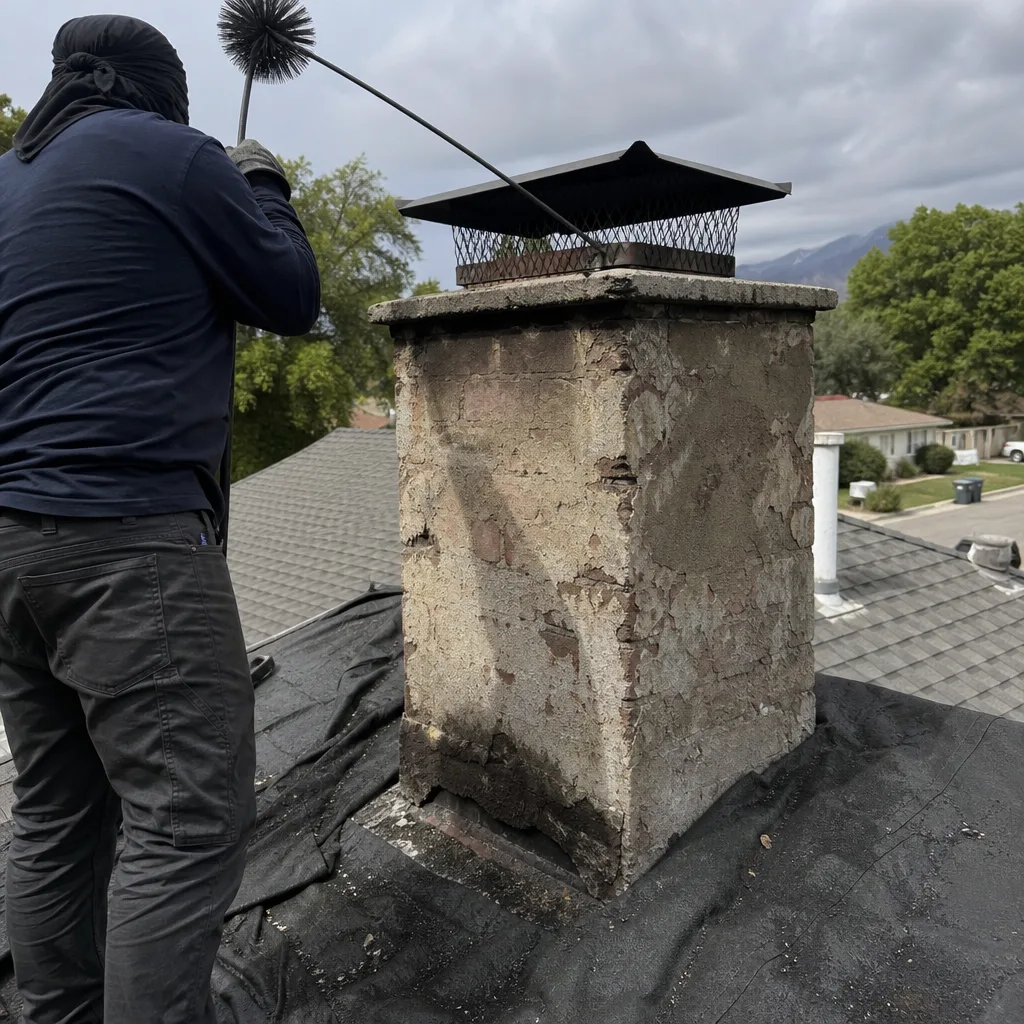 Before
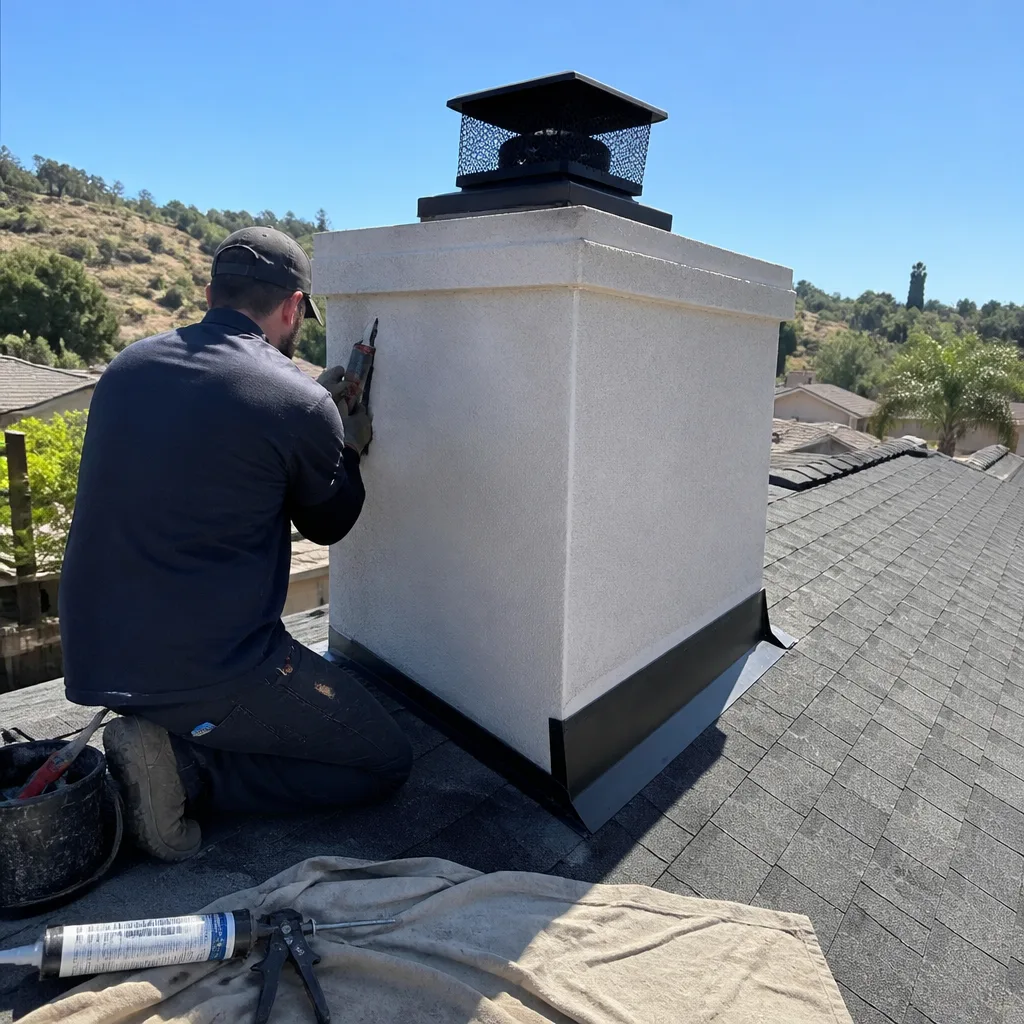 After
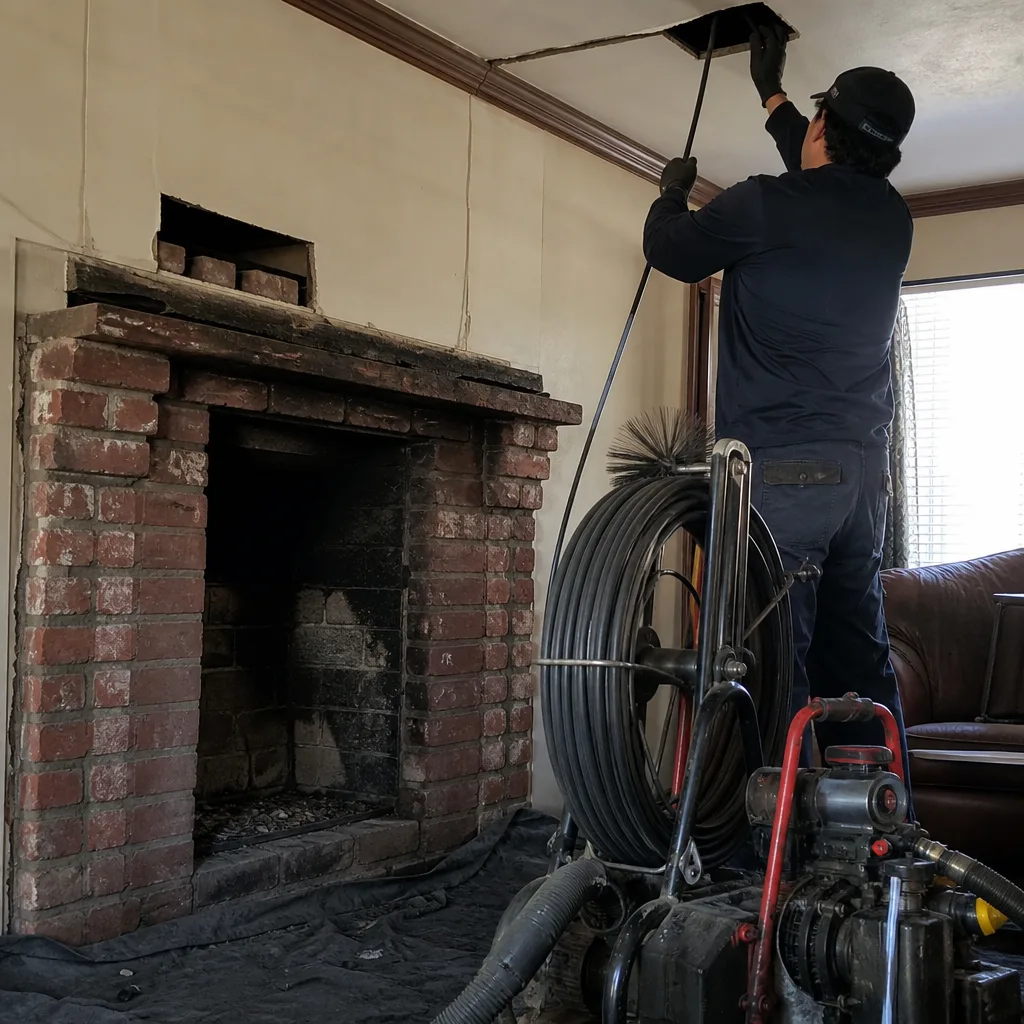 Before
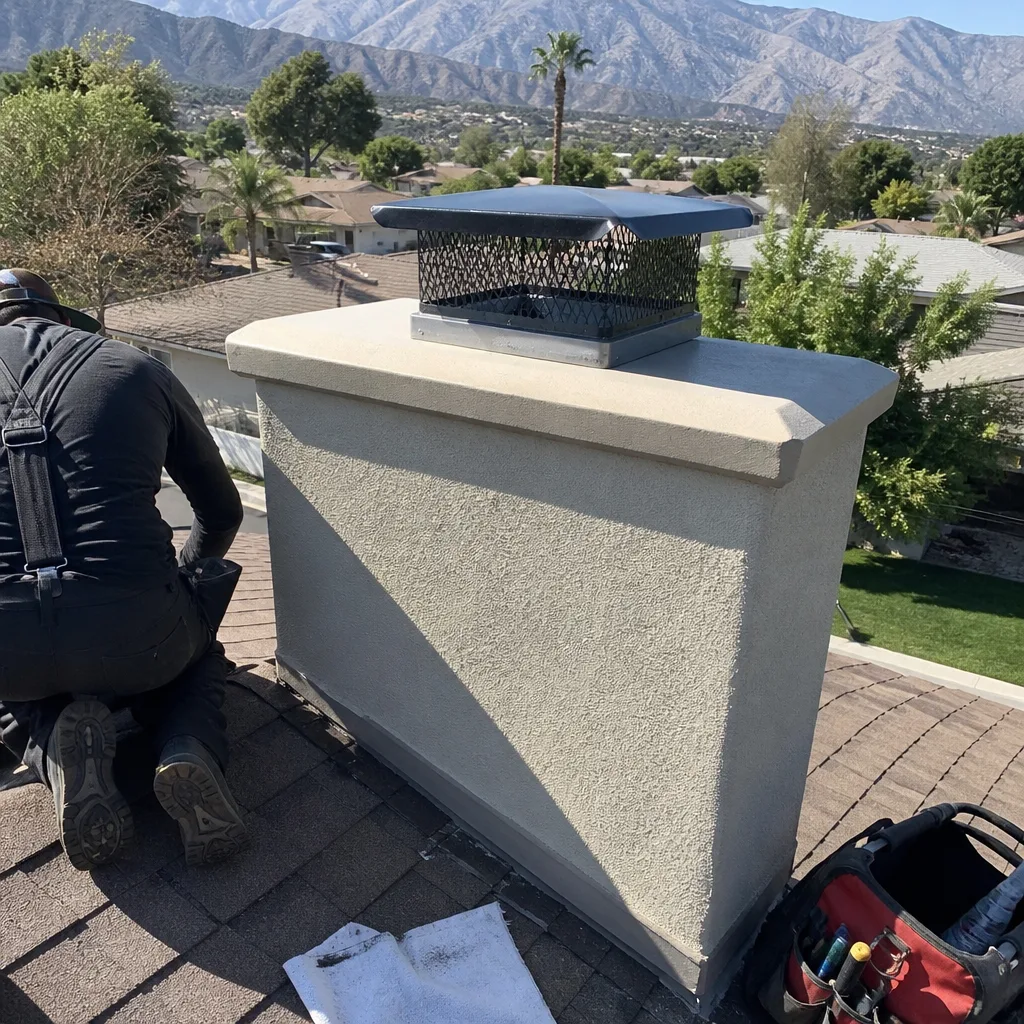 After
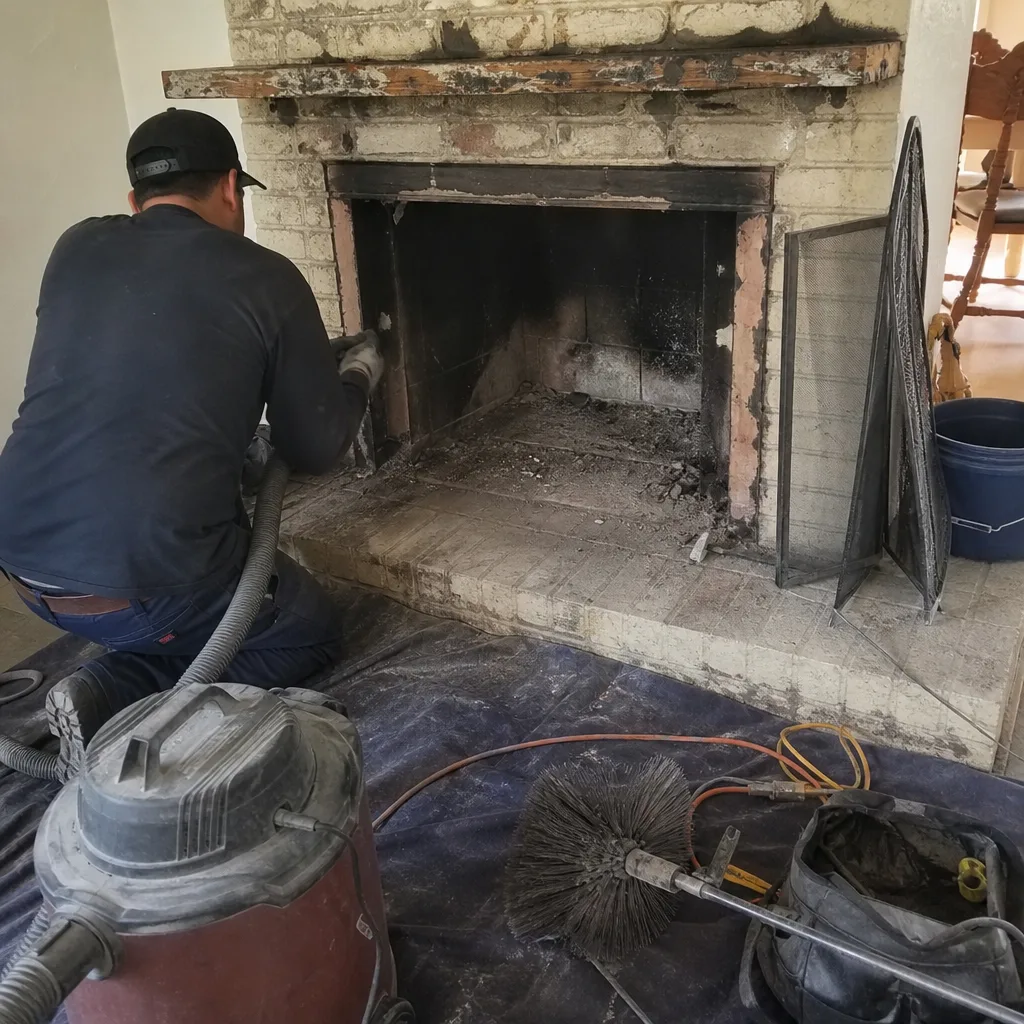 Before
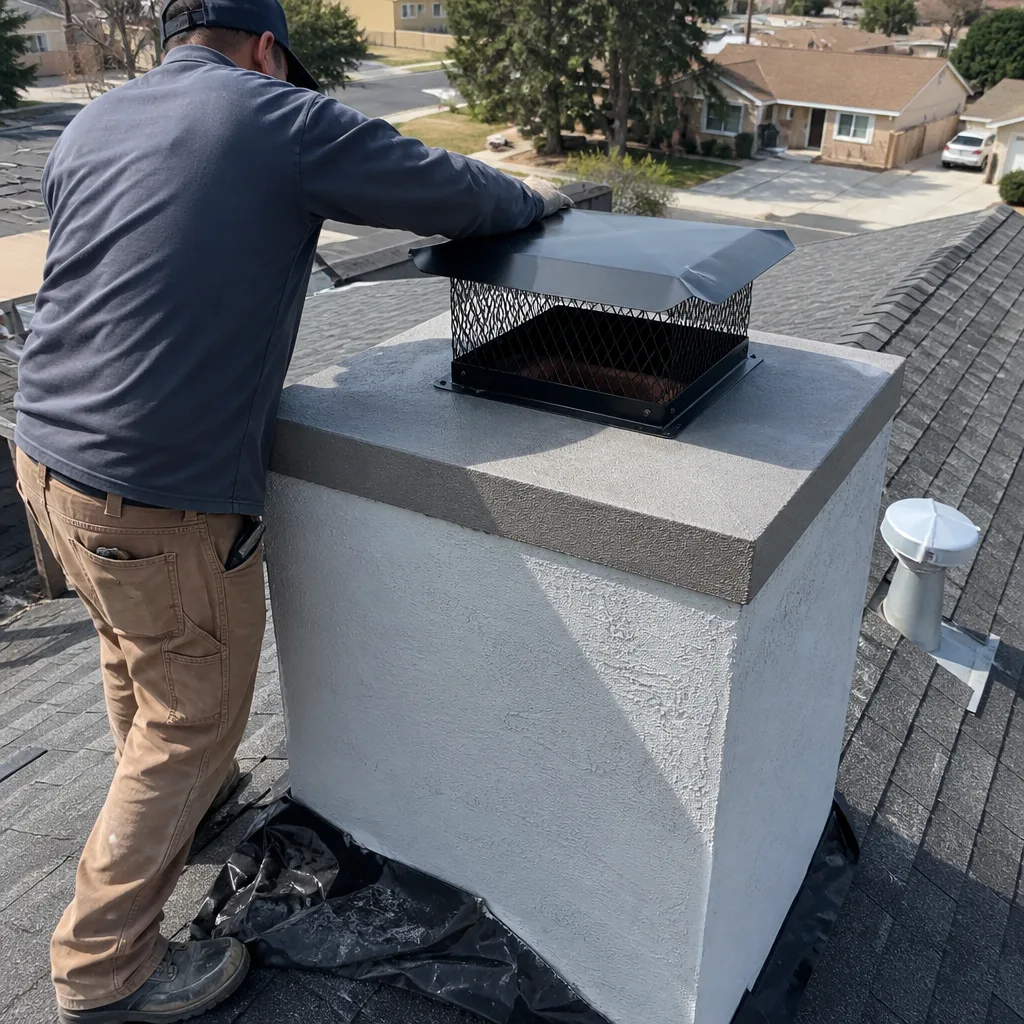 After