Last updated October 30, 2026
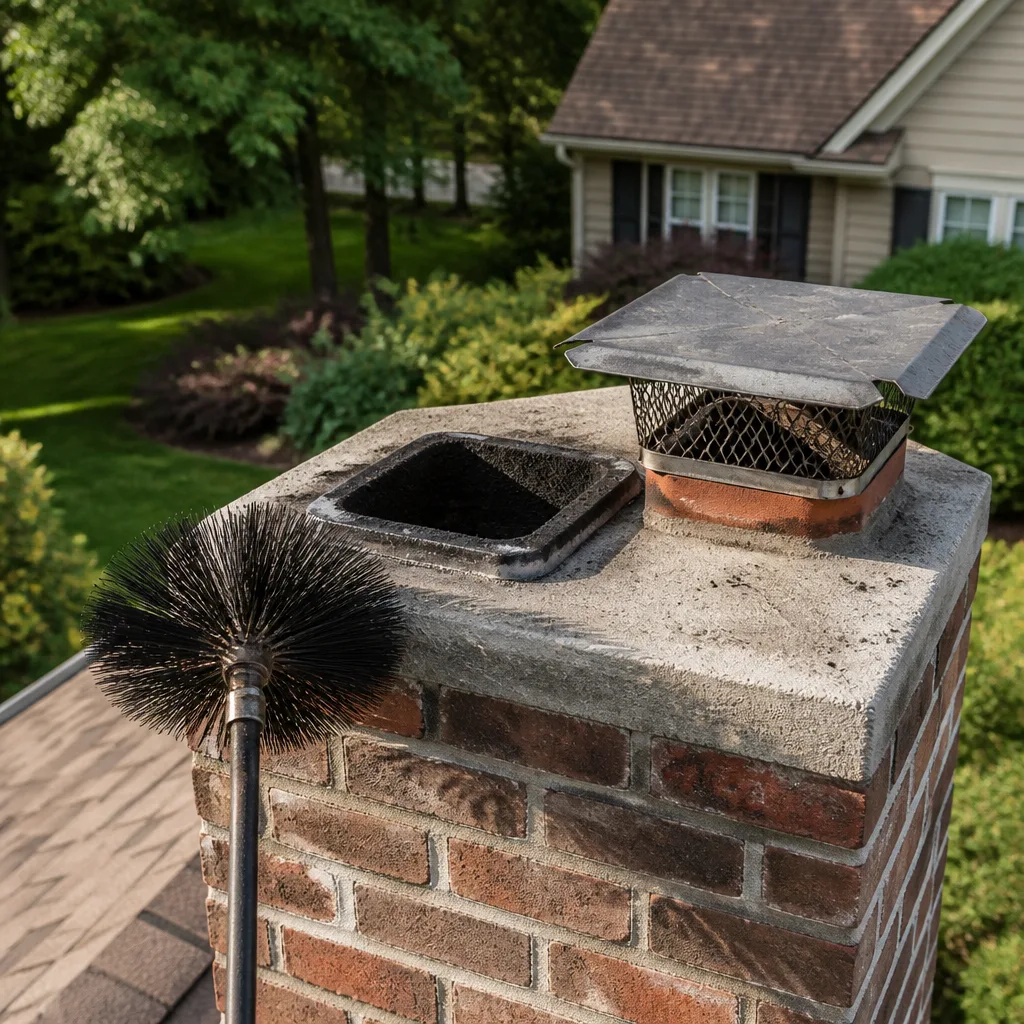 Sweep & inspection
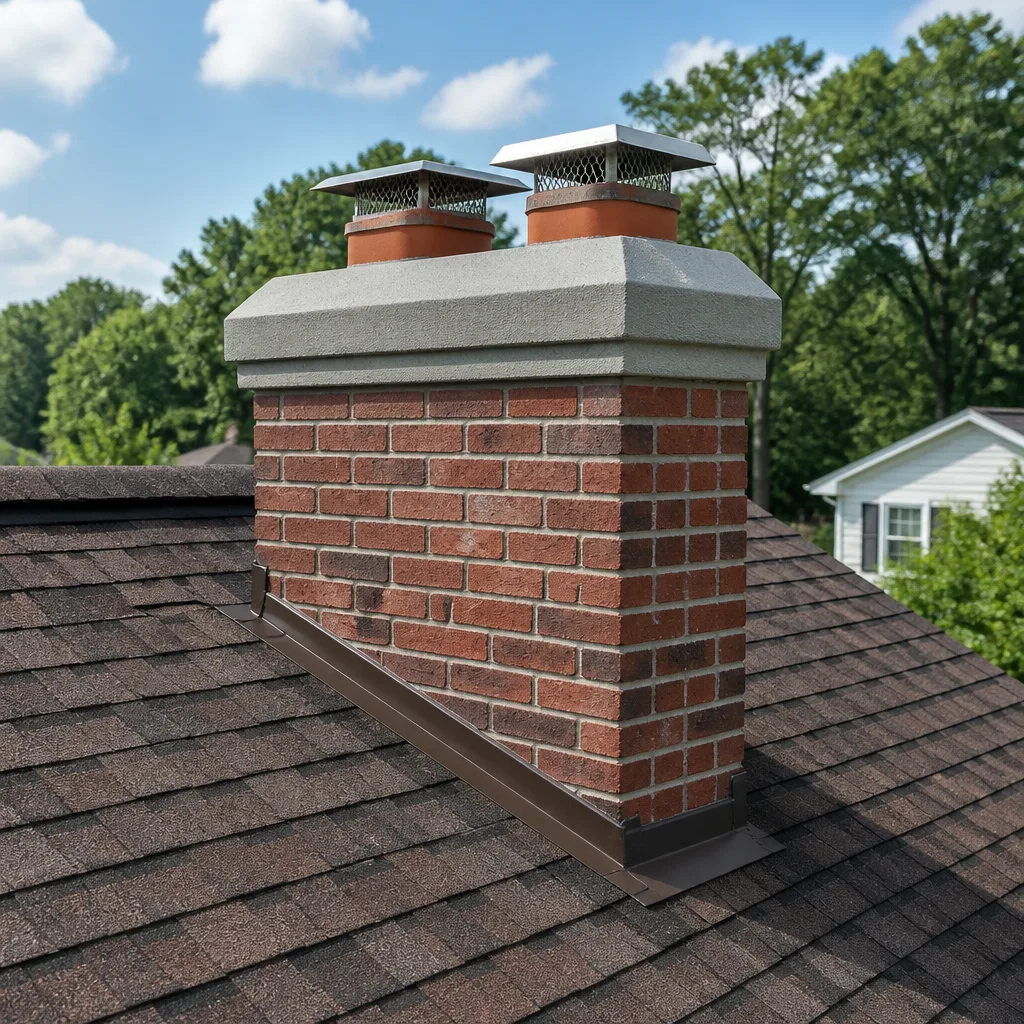 Caps & crowns
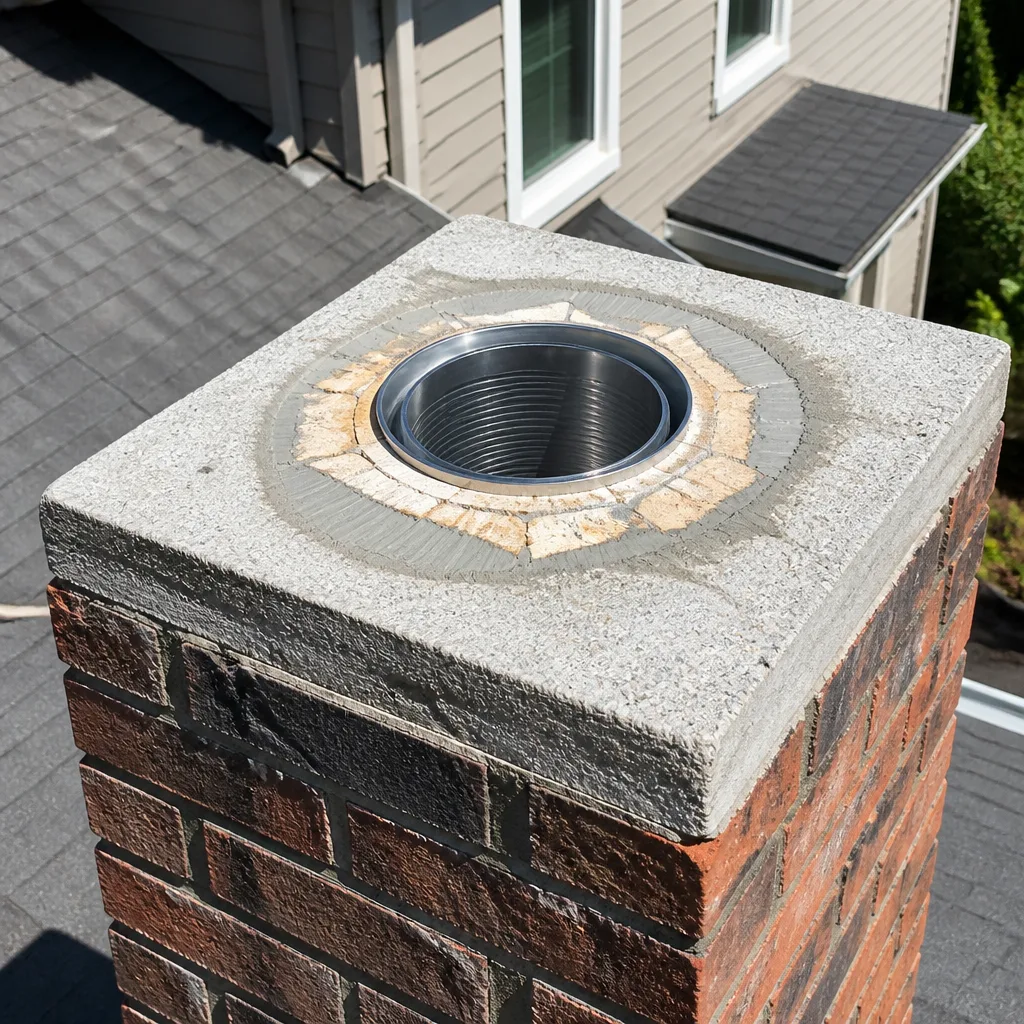 Flue relining
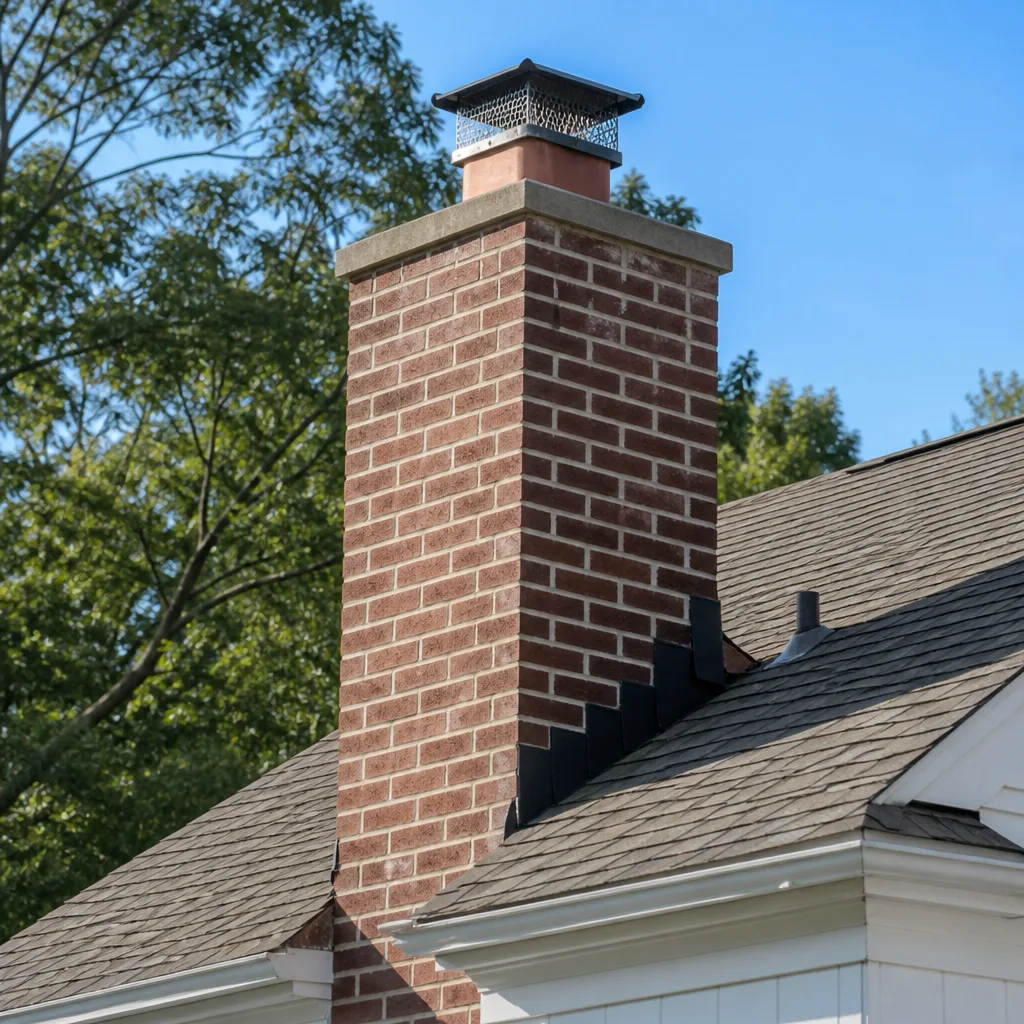 Masonry repair
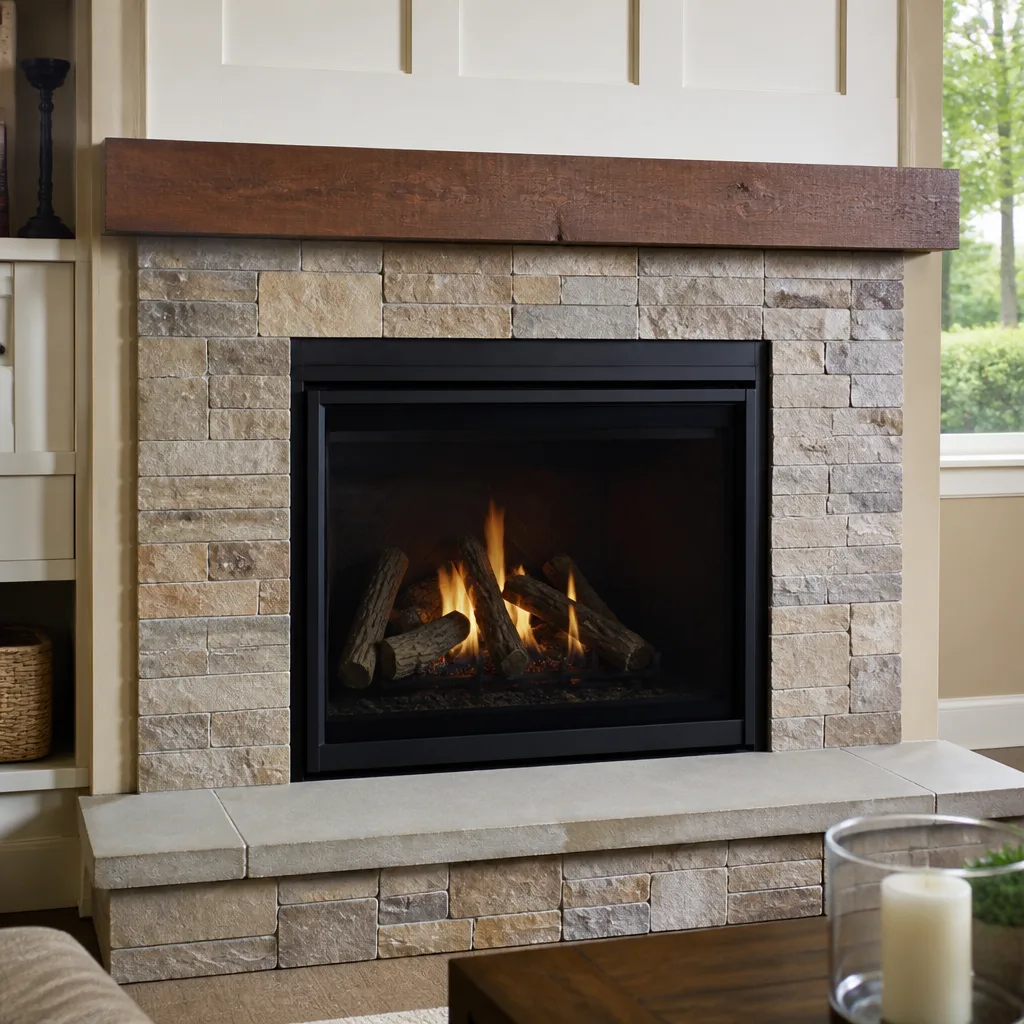 Gas fireplace service
Level 1 sweep and inspection to the NFPA 211 annual standard - flue, crown, cap, and flashing checked and photographed
Chimney sweep logs do not sweep chimneys. They loosen some creosote - which then falls where a brush and vacuum still have to collect it.
How to Hire a Chimney Cleaning Contractor in San Bernardino: A Step-by-Step Guide
Most homeowners treat a chimney sweep as a commodity: find a name, compare prices, book whoever answers first. That’s a risky approach in San Bernardino, where the local market has a structural problem most residents never see. A van, a brush set from a hardware store shelf, and a Craigslist ad are all someone needs to start calling themselves a chimney professional. In our experience, several chimney fires we’ve investigated in this region shared a haunting pattern: the chimney had been “cleaned” weeks or months earlier. The sweep visited. The hazard wasn’t resolved. This guide will walk you through how to vet competence, not just credentials, so the person you hire actually leaves your chimney safer than they found it. For more guides & resources on chimney care, explore our blog.
Styles & brands we work with
Quick Answer
To hire a chimney cleaning contractor in San Bernardino, start by verifying a current CSLB license, then ask three things most homeowners skip: what exactly the sweep inspects beyond the visible flue, whether they document findings with a written report and photo evidence, and whether they can repair what they find rather than just cleaning around it. Insist on a written estimate before work begins, and walk away from any contractor who refuses to put findings in writing or pressures you into an immediate upsell on the day of service. A legitimate San Bernardino chimney professional will welcome your questions because the answers demonstrate competence.
Table of Contents
- Step One: Understand What a Chimney Sweep Actually Does
- Step Two: Verify the Contractor Is Legitimate
- Step Three: Ask the Questions That Expose Incompetence
- Step Four: Understand What a Written Estimate Should Include
- Step Five: Evaluate Materials and Repair Capability
- Step Six: Know What Post-Service Documentation You Should Receive
- Step Seven: Watch for Red Flags Unique to the Inland Empire Market
- Common Mistakes to Avoid
- When to Call a Professional
- Frequently Asked Questions
- The Bottom Line
Step One: Understand What a Chimney Sweep Actually Does
A professional chimney cleaning in San Bernardino involves more than scraping soot. A competent sweep begins with a full system inspection: the firebox, the damper, the smoke chamber, the flue liner, the chimney crown, and the exterior masonry. The cleaning removes creosote, a combustible byproduct of wood smoke that builds up in layers. What matters is not just that the creosote is removed, but that the sweep evaluates the liner condition while doing it. Hairline cracks in a clay tile liner can go unnoticed if someone is moving too quickly or only looking at the flue from one angle.
Here’s what a complete service includes:
- Visual inspection of the entire flue path from firebox to chimney cap, not just the area reachable with a brush from below.
- Creosote removal appropriate to the buildup stage. Stage one is flaky and removable with basic brushes. Stage three is glazed, hardened creosote that requires mechanical removal or chemical treatment first.
- Damper operation check to confirm the damper opens, closes, and seals properly.
- Smoke chamber evaluation to identify gaps or voids in the corbeled masonry where creosote can accumulate and preheat flue gases can escape.
- Exterior inspection of the crown, cap, and visible masonry for water entry points or spalling brick.
A sweep that only lowers a brush from the top and vacuums the firebox is doing a partial job. The problem isn’t always what they remove. It’s what they miss while removing it.
Step Two: Verify the Contractor Is Legitimate
Chimney sweeping in California is regulated by the Contractors State License Board (CSLB). Any contractor performing chimney work in San Bernardino must hold a current license. You can look this up on the CSLB website in under five minutes. Enter the contractor’s name or license number and confirm the license is active, not expired or suspended, and that the company name matches the one you’re contacting. If the name on the ad doesn’t match the name on the license, that’s a problem.
Here’s a quick checklist for verifying a potential hire:
- Search the CSLB database using the contractor’s name or license number. Confirm the status says “Active.”
- Match the business name on the license to the one in the ad, on the vehicle, and on any paperwork. Mismatched names suggest the license is borrowed or fabricated.
- Ask whether the license holder will be on site or whether workers are subcontractors. If subs are doing the work, verify their licenses separately.
- Check for insurance. A licensed contractor in California must carry workers’ compensation insurance if they have employees. Ask for a certificate of insurance if you have any doubt.
- Look at the vehicle. A legitimate sweep in San Bernardino typically operates a marked work vehicle with a company name and phone number. An unmarked personal truck is not an automatic disqualification, but combined with other quirks it’s a data point.
Verification takes minutes. The alternative is discovering mid-project that the person in your living room has no bond, no insurance, and no accountability when something goes sideways.
Step Three: Ask the Questions That Expose Incompetence
Here’s where most homeowners go wrong. They ask about price and schedule. Those questions matter, but they don’t distinguish a competent chimney professional from a van-and-brush operator. The following questions do.
“What exactly will you inspect during the sweep?” A competent answer should cover the flue liner, smoke chamber, damper, firebox, crown, and exterior masonry. A weak answer mentions only the flue and the firebox, or gives a vague “we’ll check everything” without specifics. The difference matters because a chimney can look clean from the bottom while hiding serious damage in the smoke chamber or the upper flue.
“Will you document what you find?” The right answer is a clear yes, with specifics: a written report, photos of problem areas, and an explanation of anything that needs attention. The wrong answer is a verbal summary delivered while walking out the door. Memory fades. Documentation lasts. And if a future insurance claim or home sale requires proof of maintenance, a written report from a San Bernardino chimney professional is evidence a verbal recollection can’t provide.
“If you find damage, can you repair it?” A cleaning-only operation may tell you that you need a liner replacement and hand you a referral card for another company. A company like San Bernardino Chimney Sweep home that handles both Chimney Sweep in Rubidoux and repair under one roof can address what they find without you starting the hiring process over again. The practical difference is time and trust. A sweep who can fix what they find has no incentive to overlook a problem or to invent one.
“What products and materials do you use for repairs?” This question separates contractor-grade work from hardware store improvising. A legitimate chimney repair operation works with products engineered for the application: HeatShield for resurfacing damaged flue liners, Gelco for specific sealant applications, Olympia Chimney components for caps and dampers, Famco for venting, Copperfield for specialty parts. A contractor who can’t name the materials they’d use is likely planning to buy whatever is cheapest on the shelf that morning. Contractor-grade materials, not hardware-store substitutes, is the standard you’re paying for.
If a contractor is evasive on any of these questions, that’s an answer in itself.
Step Four: Understand What a Written Estimate Should Include
A legitimate written estimate from a San Bernardino chimney company is not a text message with a single number. It’s a document, sent before work begins, that describes the scope, the condition found during inspection, the work to be performed, and a line-item price. Here’s what to look for:
- Inspection findings: What creosote stage was observed, what liner condition, what damper function. This should be specific, not generic.
- Scope of work: Does the estimate cover a standard sweep only, or also address observed issues like a cracked crown or a deteriorated damper gasket?
- Line-item pricing: Each component of the work has a price attached. If the estimate says “sweep and inspect – $XXX” with no breakdown, you can’t tell what you’re paying for.
- Materials specified by name: If a repair is recommended, the estimate should name the product. “HeatShield resurfacing” tells you the method and the material. “Liner fix” tells you nothing.
- Contingencies stated upfront: If additional work might be needed once the chimney is opened up, the estimate should say so. A surprise bill on the day of service is a sign of either poor inspection or deliberate lowballing.
- A written report of findings: creosote stage observed, liner condition, damper function, any areas of concern noted.
- Photos of problem areas: if a crack or gap was identified, you should have a photo or video showing it. Modern chimney cameras make this standard practice. If a contractor tells you about a problem but can’t show it to you, ask why.
- A description of work performed: what was cleaned, what was repaired, what was installed, and the products used.
- Recommendations for future service: when the next cleaning is recommended based on your usage patterns, and what conditions might require attention sooner.
- A receipt that matches the written estimate in scope and price.
- Hiring based on price alone. A $75 sweep that misses a cracked liner is more expensive than a $200 sweep that finds it. The cost of a chimney fire dwarfs any upfront savings.
- Not checking the CSLB license. This is the single most effective filter available to San Bernardino homeowners, and most people skip it. Five minutes on the CSLB website tells you whether the person you’re talking to is legally allowed to do the work.
- Accepting a verbal quote. If it’s not in writing, it doesn’t exist. A verbal quote is the setup for a surprise bill on the day of service.
- Not asking about inspection scope. “We’ll check everything” is not an inspection scope. A competent sweep can tell you exactly what they’re looking at and why.
- Ignoring the documentation gap. If a contractor doesn’t provide a written report and photos, you have no proof of what was or wasn’t found. That gap matters for insurance, resale, and your own peace of mind.
- Using a general handyman for chimney work. Chimney systems are specific. A handyman who does drywall, plumbing, and “also chimneys” is not a specialist. The product knowledge gap shows up when something goes wrong.
- Waiting until winter to book. The November rush brings the least competent operators to market. Book in early fall, when legitimate contractors have availability and you have time to vet properly.
The verbal quote that sets up upsell pressure on the day of service follows a predictable pattern. The initial number is low enough to win the job. Then, once the sweep is in your living room, the “discoveries” begin: the liner is cracked (trust us), the crown needs sealing (we can do it now for a discount), the cap is rusted (we have one in the truck). Some of these findings may be legitimate. But a competent sweep should have identified them during the initial inspection, not after the work started. Get it in writing first. The written estimate is your baseline. Deviations from it should come with clear, justified explanations.
Step Five: Evaluate Materials and Repair Capability
This is where the difference between a specialist and a generalist becomes tangible. A chimney system is not a single thing. It’s a series of components: the flue liner, the smoke chamber, the damper assembly, the crown, the cap, and the masonry shell. Each component has manufacturer specifications and product-specific repair methods. A contractor who installs whatever is cheapest at the local home improvement store is not giving you the same result as one who brings contractor-grade materials from recognized industry brands.
Consider two examples. A clay tile flue liner cracks due to thermal cycling. One option is to replace the entire liner with a flexible steel system, such as a DuraFlex liner, which involves removing the old tiles or fitting the new liner through the existing flue. Another option, available for certain liner conditions, is HeatShield resurfacing: a product-backed method that seals the crack and restores the liner surface without full replacement. Both options are legitimate. Which one is right for your chimney depends on the specific damage, the liner size, and the appliance type. A contractor who offers only one option, or who defaults immediately to the most expensive route, is not giving you the full picture. A contractor who can explain the tradeoffs between relining and resurfacing is demonstrating real capability.
In our experience, the material question is where cut-rate operators reveal themselves. Ask directly: “What product would you use to repair this crack, and why?” If you hear a brand name and a reason, you’re talking to a professional. If you hear “we use good stuff” or “whatever works,” keep looking. The same logic applies to dryer vent cleaning. Your dryer vent is a fire risk too, and the same specialized care applies to that system as to your chimney.
Step Six: Know What Post-Service Documentation You Should Receive
The absence of a written report is itself a warning sign. After any chimney service in San Bernardino, you should leave the experience with documentation. Here’s what a complete service record includes:
This documentation serves multiple purposes. It’s your record for insurance purposes. It’s your reference for the next service. And it’s proof, if you ever sell the home, that the chimney has been properly maintained. A San Bernardino homeowner who receives a written report after each service has a paper trail that a homeowner who receives a verbal “looks good” does not. The difference matters when something goes wrong or when questions arise months later.
Step Seven: Watch for Red Flags Unique to the Inland Empire Market
The San Bernardino market has specific characteristics that affect chimney hiring. Understanding them helps you filter out the operators who thrive on uninformed homeowners.
The Craigslist and Facebook Marketplace problem. Unlicensed contractors operating from classified ads are prevalent in the Inland Empire. They offer cheap rates, show up in personal vehicles, and ask for cash. Cross-checking their license on the CSLB website takes minutes and is the single most effective filter. If they flinch when you ask for a license number, you have your answer.
The seasonal rush issue. San Bernardino’s mild winters mean many homeowners use their fireplaces intermittently from November through February. That creates a predictable spike in demand in late autumn. Cut-rate operators flood the market during this window, knowing that homeowners in a rush are less likely to ask detailed questions. Book your cleaning before the season starts, not during the peak crunch, and you’ll have a wider pool of legitimate contractors and more leverage to verify credentials. See our Seasonal Chimney Cleaning Care for San Bernardino: Year-Round Homeowner’s Guide for timing strategies.
The climate factor. San Bernardino’s dry, hot summers create conditions that accelerate certain chimney problems. Masonry expands and contracts with temperature swings. Crowns crack. Caps corrode. A chimney that functioned fine in March can develop problems by October. This is why a pre-season inspection matters, not just a cleaning. The contractor you hire should be looking for season-specific issues, not just performing a rote sweep.
The “cleaned but still hazardous” problem. We mentioned this at the beginning. It deserves emphasis. In San Bernardino County, chimney fires have been traced back to homes where a sweep had recently visited. The issue is almost never that the sweep was fraudulent. It’s that the sweep was incomplete. A flue can be brushed clean while a cracked liner or a compromised smoke chamber goes unnoticed. The creosote removal happens, but the structural problem remains, and the next fire becomes a chimney fire. This is why the questions in Step Three matter more than the price quote. A competent contractor finds the problem and tells you about it, with documentation. A checkbox sweep removes the visible creosote and moves on. The homeowner can’t tell the difference until something goes wrong.
Common Mistakes to Avoid
When to Call a Professional
Some situations demand prompt professional attention. If you notice smoke entering the living space when the damper is open, if you see dark staining on the walls near the fireplace, if you smell a campfire odor in the house long after a fire has burned, or if you haven’t had the chimney inspected in over a year, it’s time to schedule a professional chimney cleaning in San Bernardino. The same urgency applies to dryer vents. If your dryer takes longer than 45 minutes to dry a standard load, or if you can’t remember the last time the vent was cleaned, that’s a lint blockage hazard waiting to become a fire. Our team at Dryer Vent Cleaning in Rubidoux addresses this risk with the same care we apply to chimneys. San Bernardino Chimney Sweep offers free estimates in San Bernardino – call (877) 516-7159 to schedule an inspection.
Frequently Asked Questions
A standard chimney cleaning and inspection in the San Bernardino area typically runs from $150 to $350 depending on the chimney’s size, condition, and accessibility. Homes with heavy creosote buildup, unusual roof pitches, or difficult access may fall higher. Any quote significantly below this range should raise a red flag about what the sweep is actually doing. Call (877) 516-7159 for an exact quote – estimates are free.
A sweep is the cleaning component, removing creosote and debris from the flue. An inspection is the evaluation component, assessing the liner, damper, smoke chamber, crown, and structure for damage or safety issues. A competent professional combines both during a standard visit. The inspection finding is often more valuable than the cleaning itself, since it identifies problems before they become fires or carbon monoxide hazards.
Visit the Contractors State License Board website and search by the contractor’s name or license number. Confirm the license is active, the business name matches the one you’re contacting, and the license type covers the work being performed. Any hesitation or deflection when you ask for a license number is grounds to end the conversation.
HeatShield is a product-backed chimney liner repair method that resurfaces damaged flue liners without requiring full replacement. It’s typically faster and less disruptive than tearing out the old liner and installing a new one. A contractor who offers HeatShield as an option demonstrates access to professional-grade materials and a commitment to matching the repair method to the specific damage, rather than defaulting to the most expensive route. For more on our repair capabilities, see Chimney Repair in Rubidoux.
The standard recommendation is once per year, before the burning season begins. Homes that burn frequently, burn softwoods, or use an older fireplace may need twice-yearly service. San Bernardino’s dry summers can accelerate masonry cracking, which makes the pre-season inspection component just as important as the cleaning. If you can’t remember the last sweep, schedule one now.
Creosote continues to accumulate inside the flue. This combustible material is the fuel source for chimney fires, which can reach 2,000 degrees Fahrenheit and crack flue liners, damage masonry, and spread to the structure. Damaged liners also allow carbon monoxide and flue gases to leak into living spaces. Skipping a cleaning doesn’t save money; it defers a cost while compounding the risk. Call (877) 516-7159 to schedule an inspection and get ahead of the problem.
The Bottom Line
Hiring a chimney cleaning contractor in San Bernardino is a process of elimination. Verify the license. Ask the questions that expose shallow competence. Insist on a written estimate and a written report. Evaluate materials by brand and method, not by vague promises. And remember that a sweep who can repair what they find is fundamentally more trustworthy than one who can only clean around problems. The goal is not just a clean chimney. The goal is a chimney that’s safe to use for another season. That outcome depends on the person you hire, and the vetting you do before they ever ring your doorbell. The questions in this guide are your qualification filter. Use them.
Written by the team at San Bernardino Chimney Sweep, serving San Bernardino since 2018.
See the difference
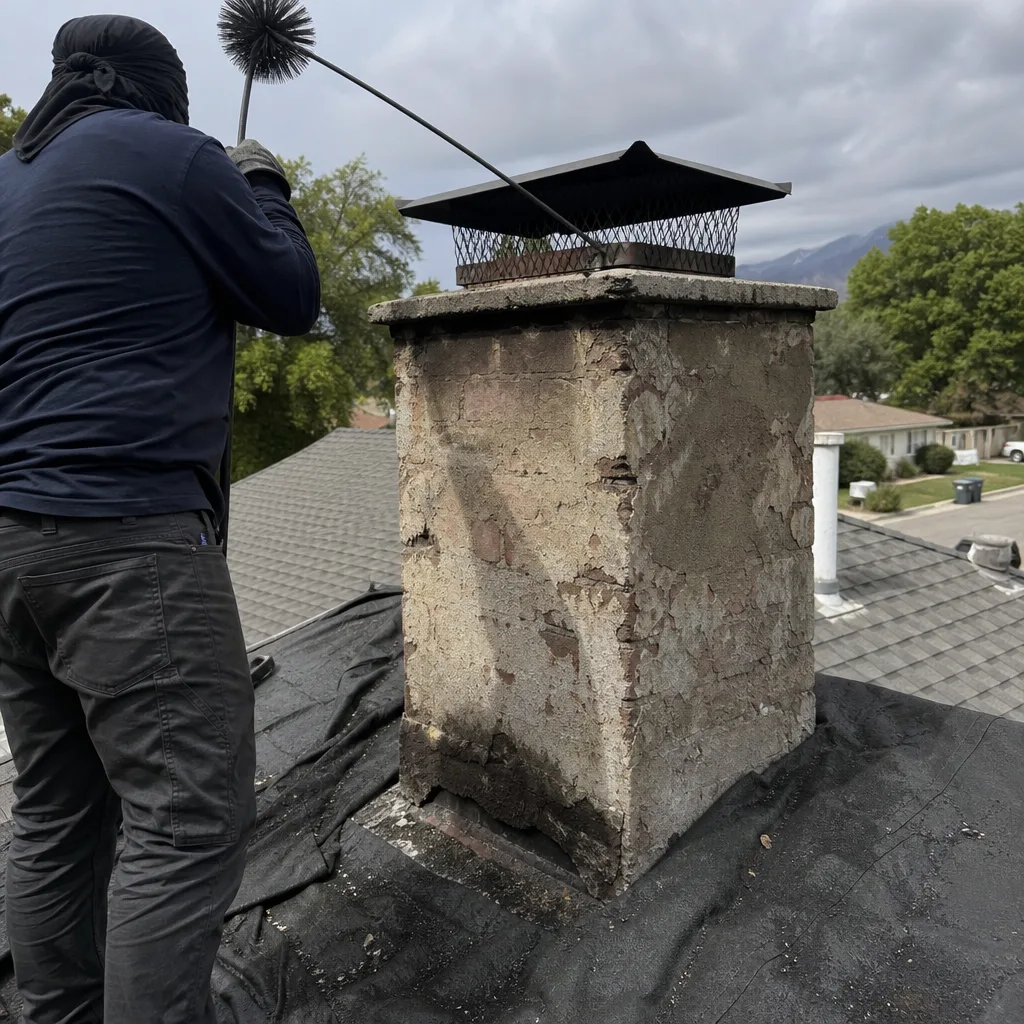 Before
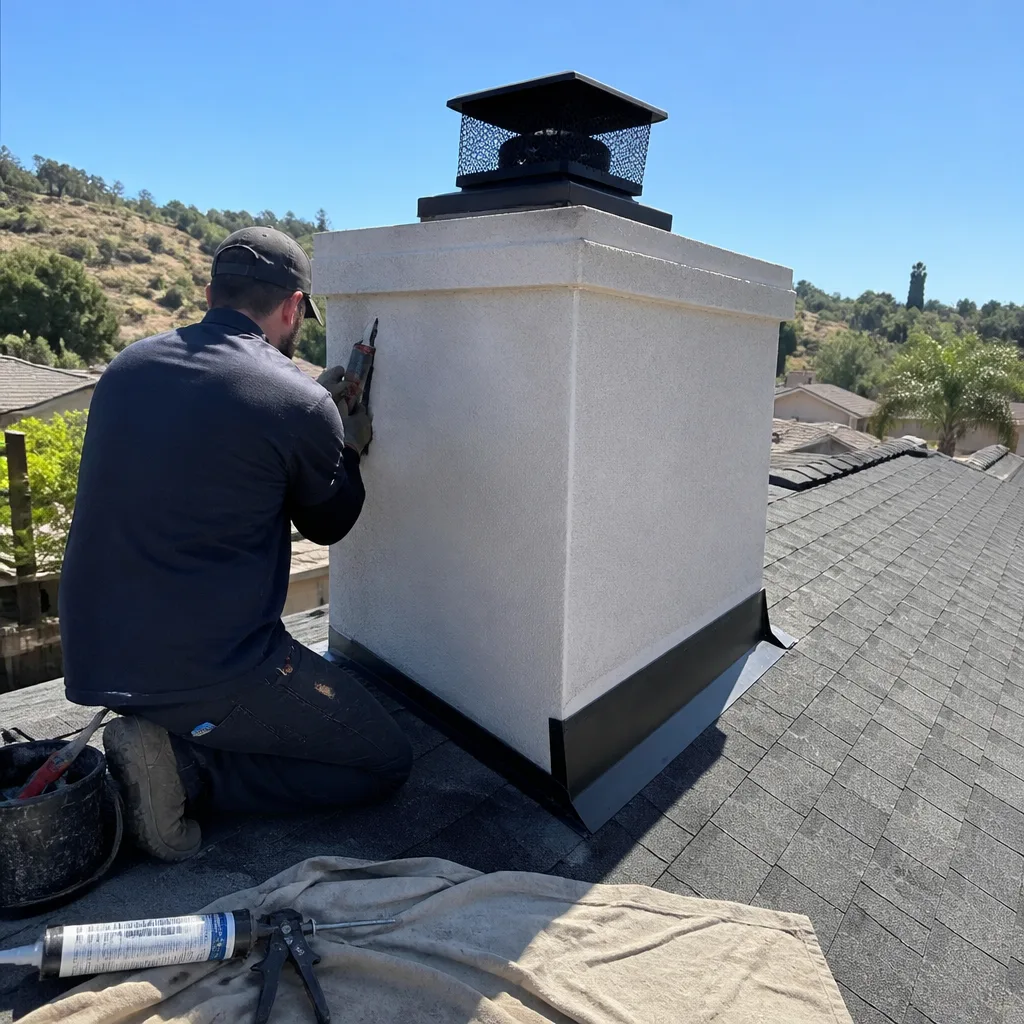 After
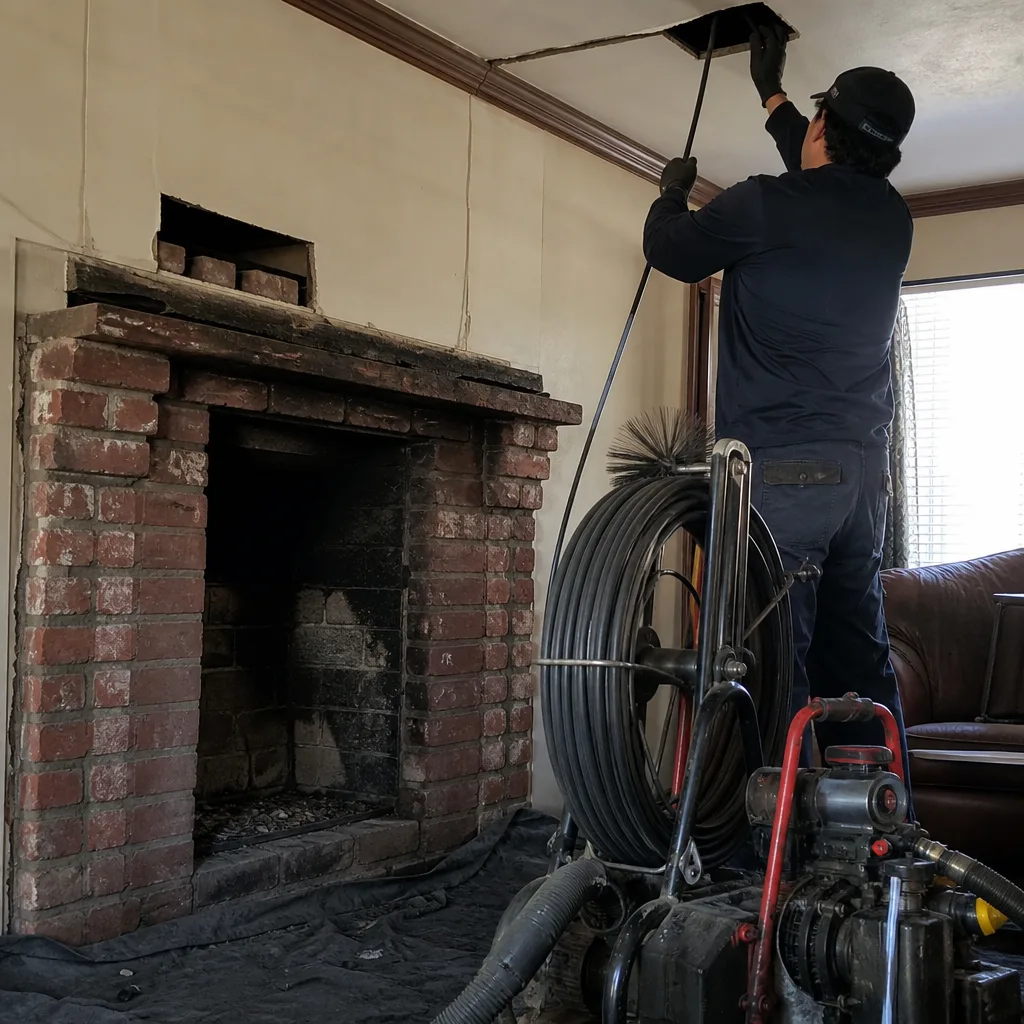 Before
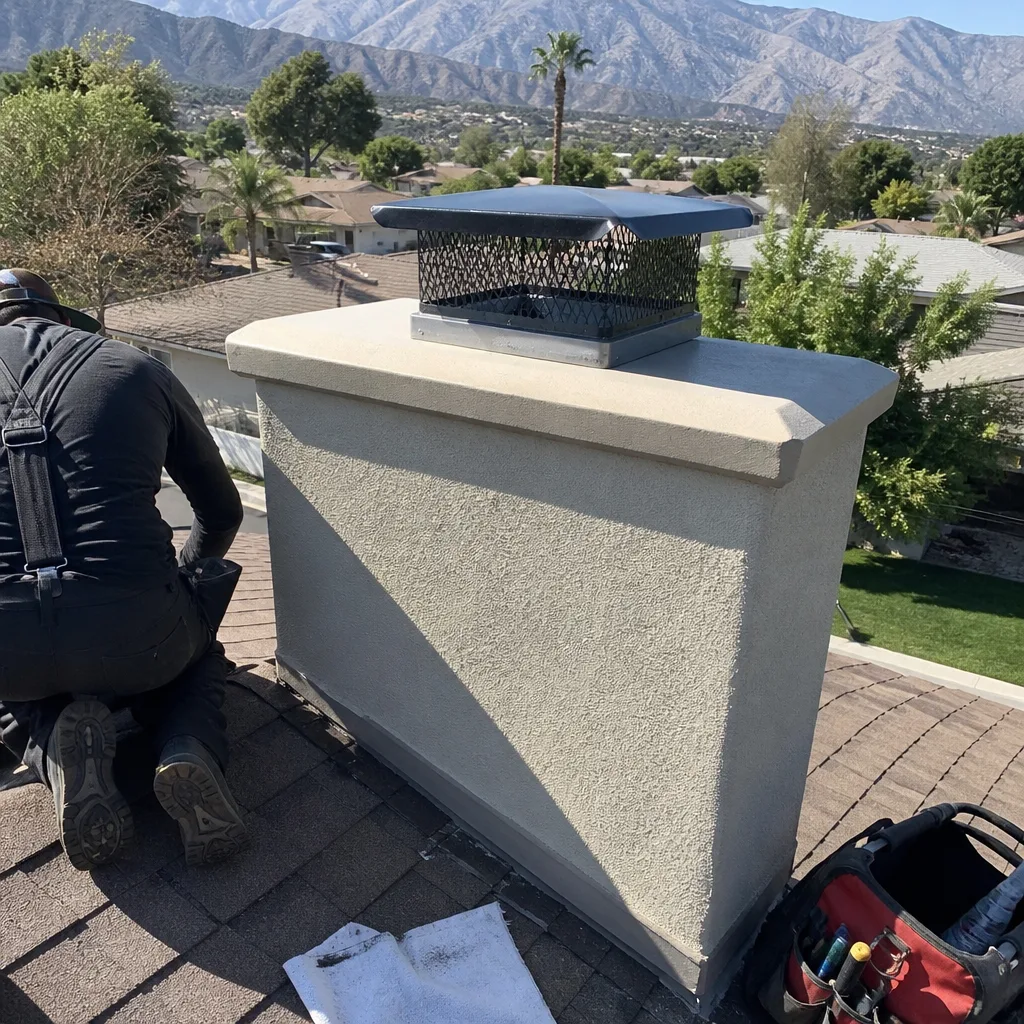 After
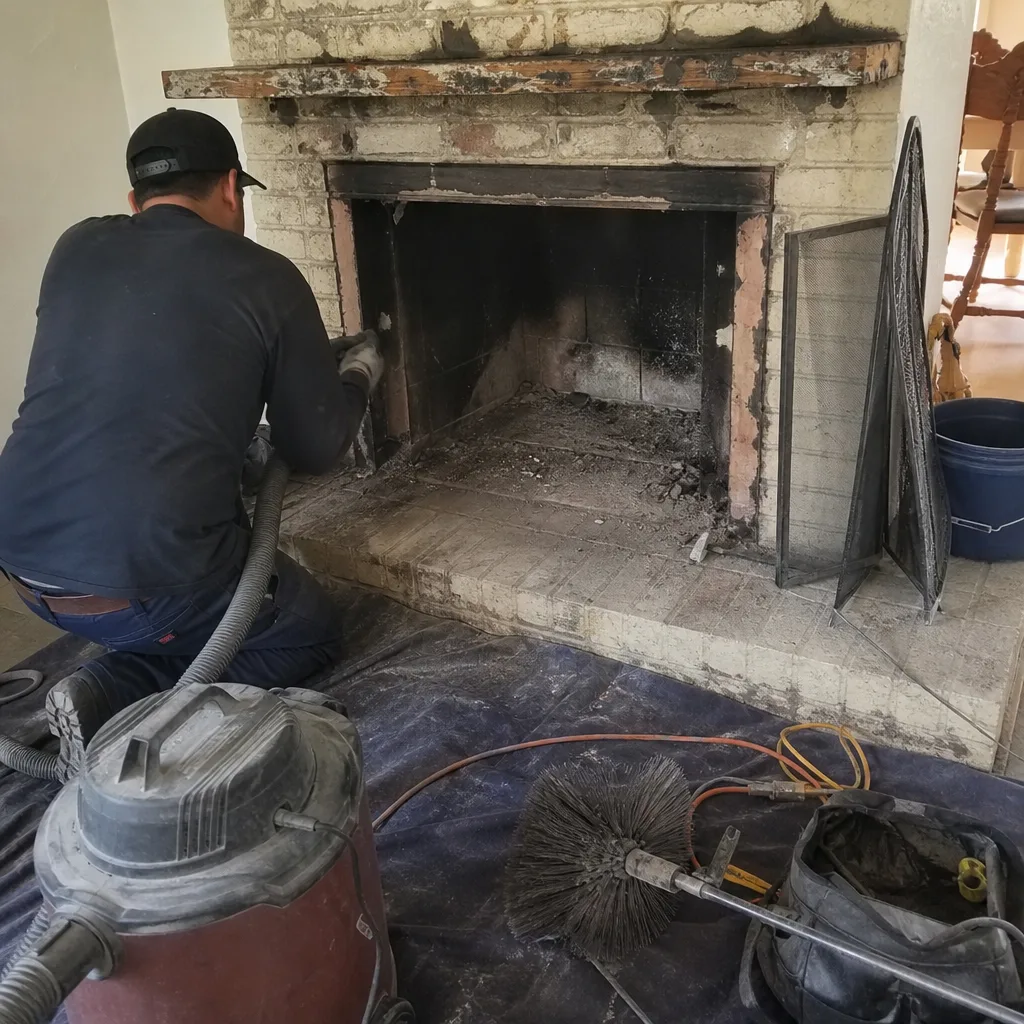 Before
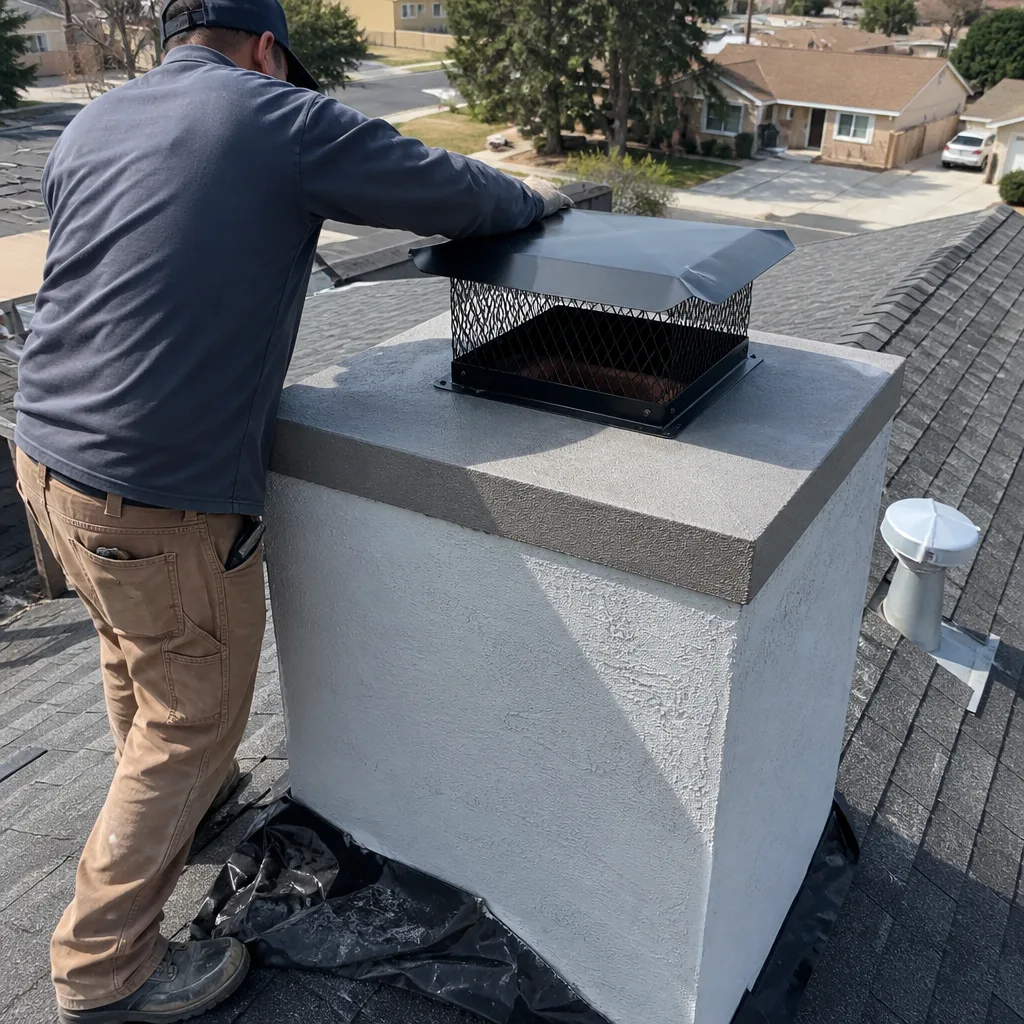 After