Last updated October 30, 2026
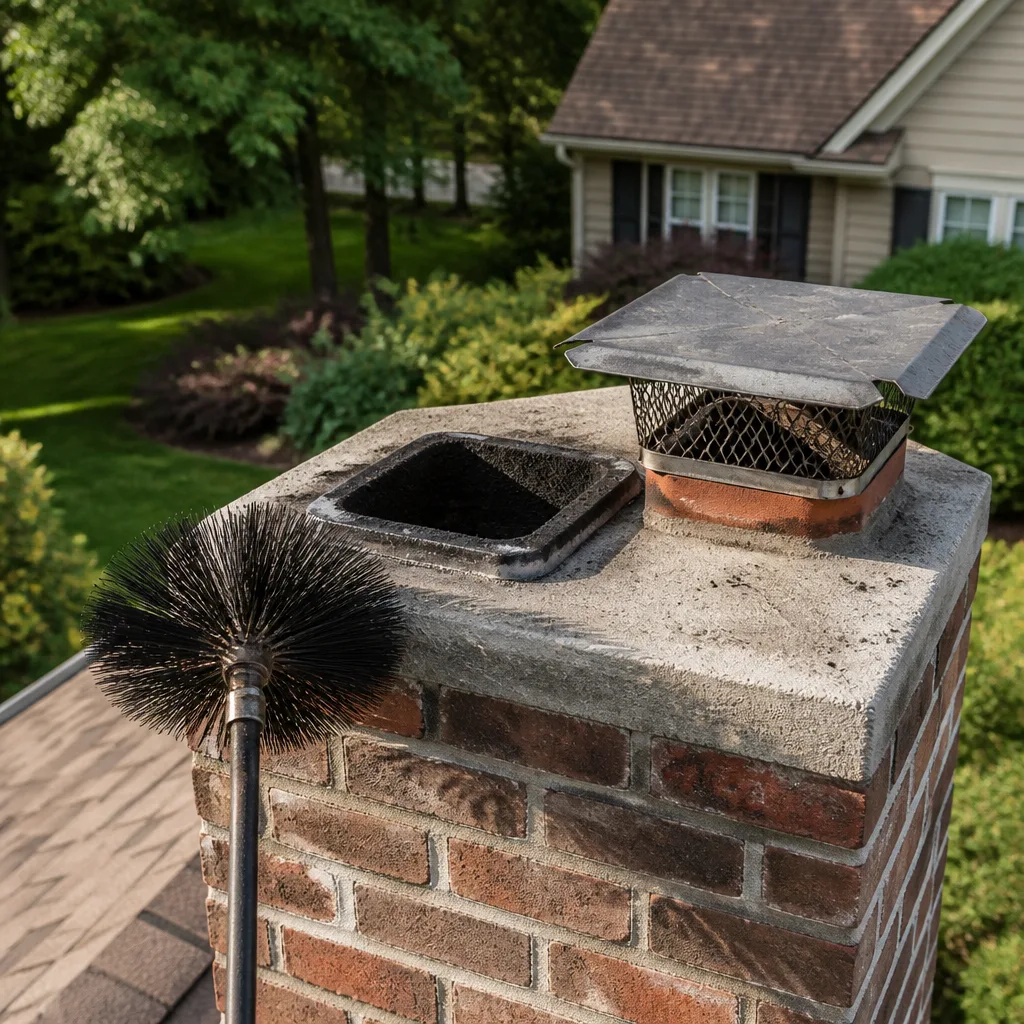 Sweep & inspection
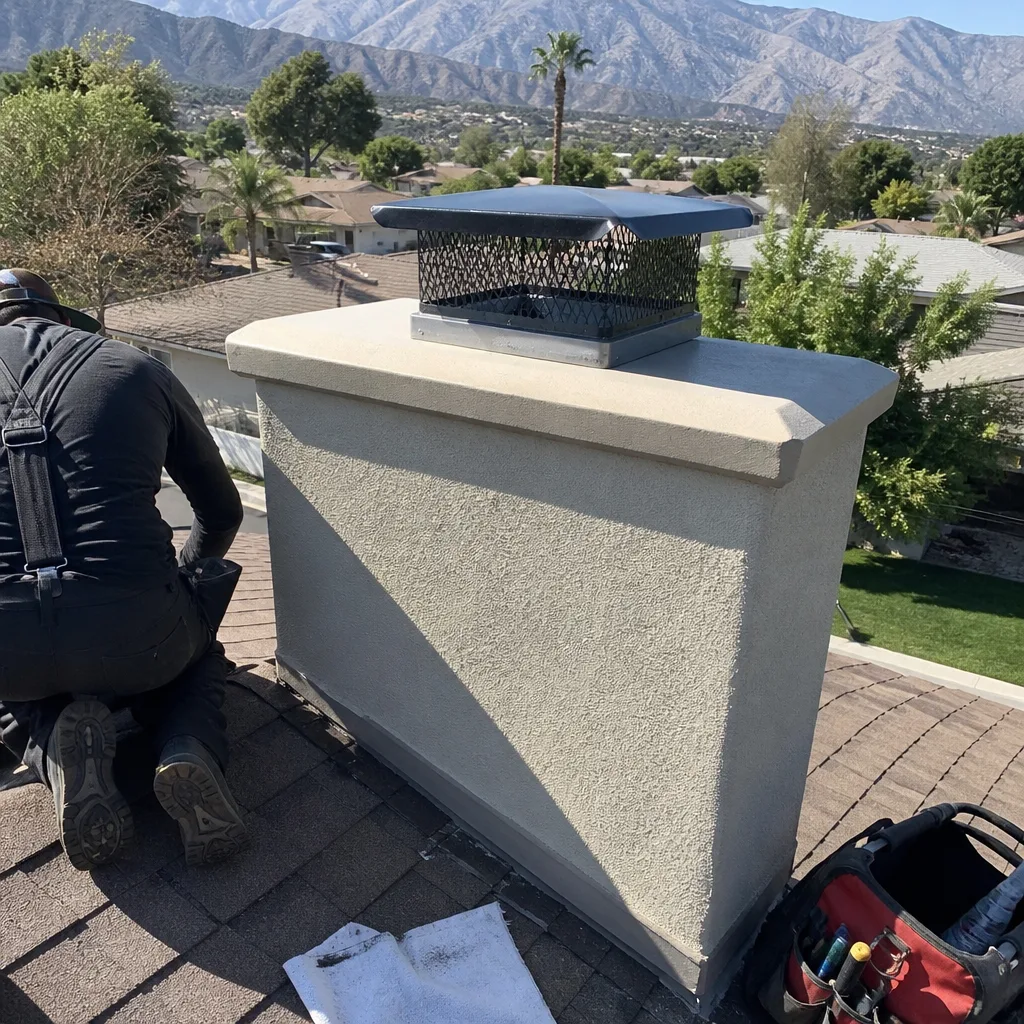
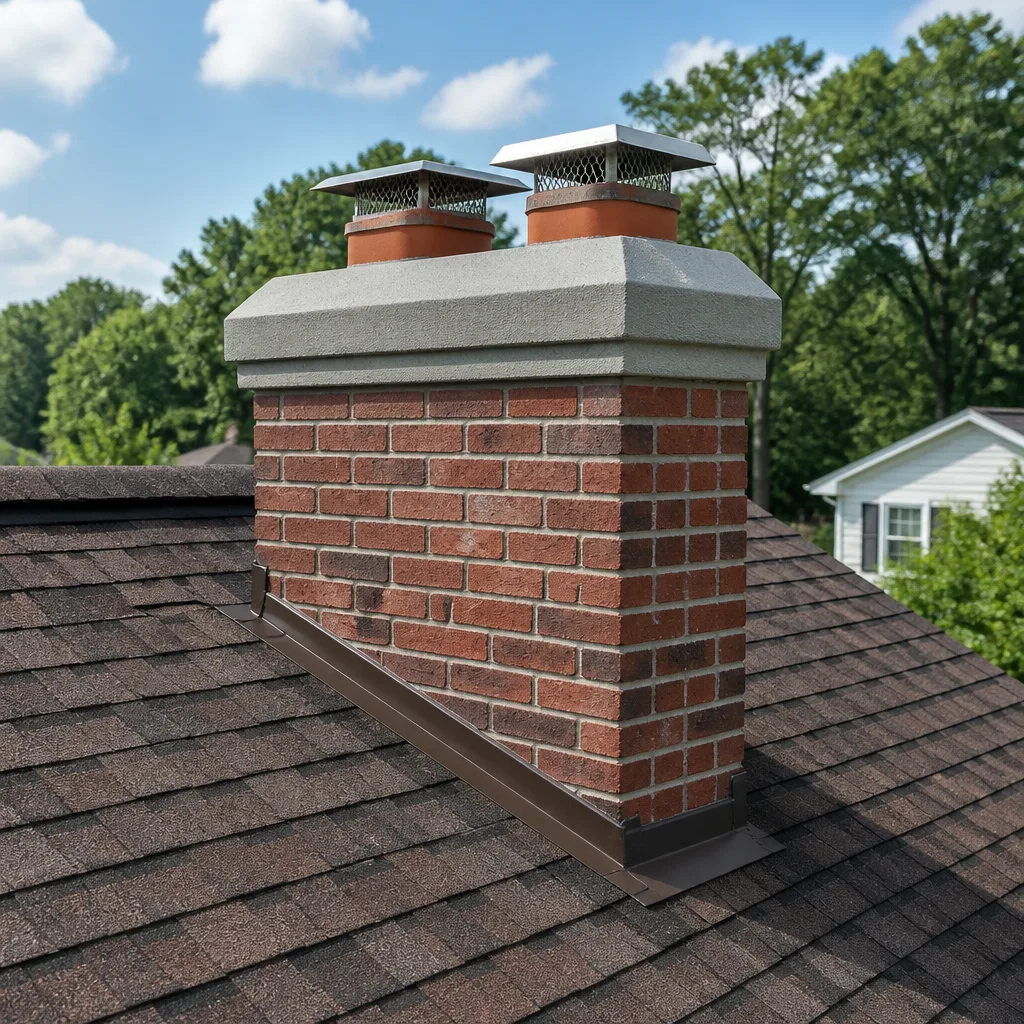 Caps & crowns
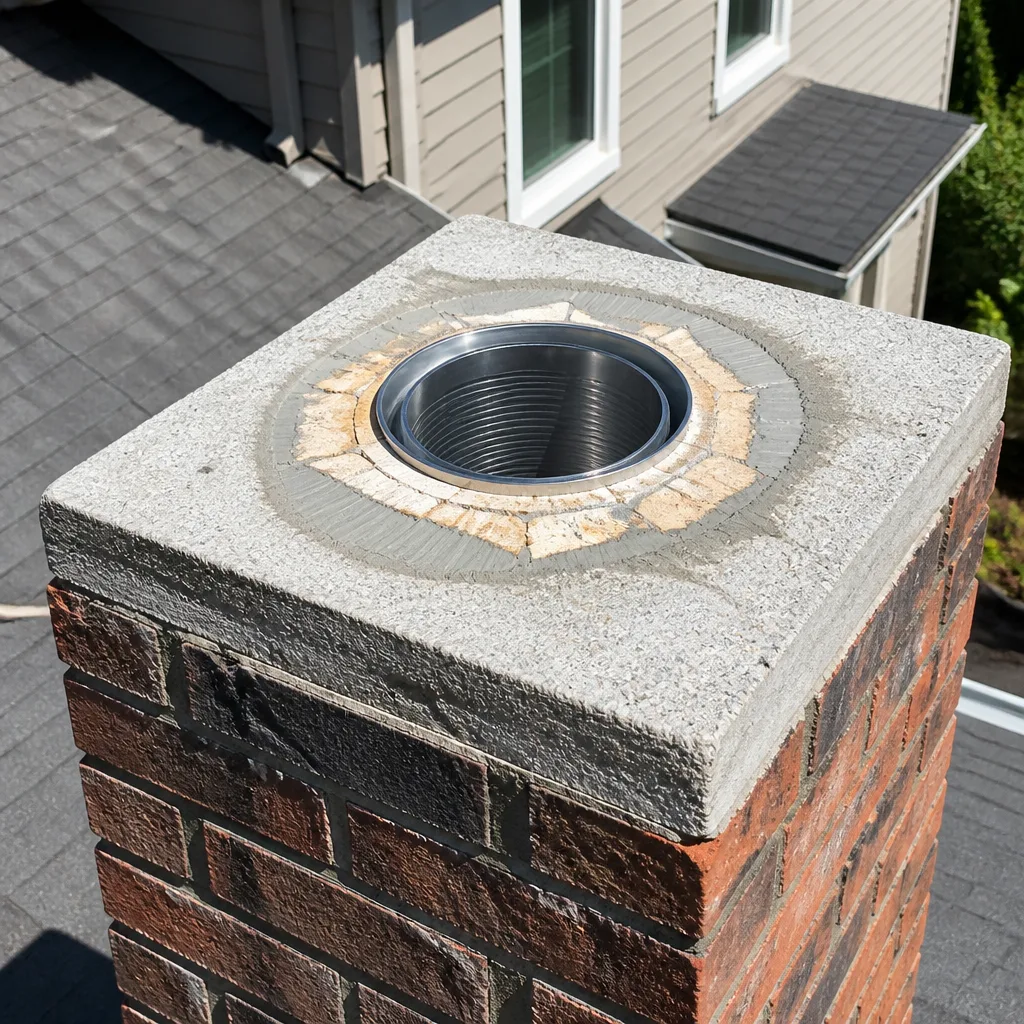 Flue relining
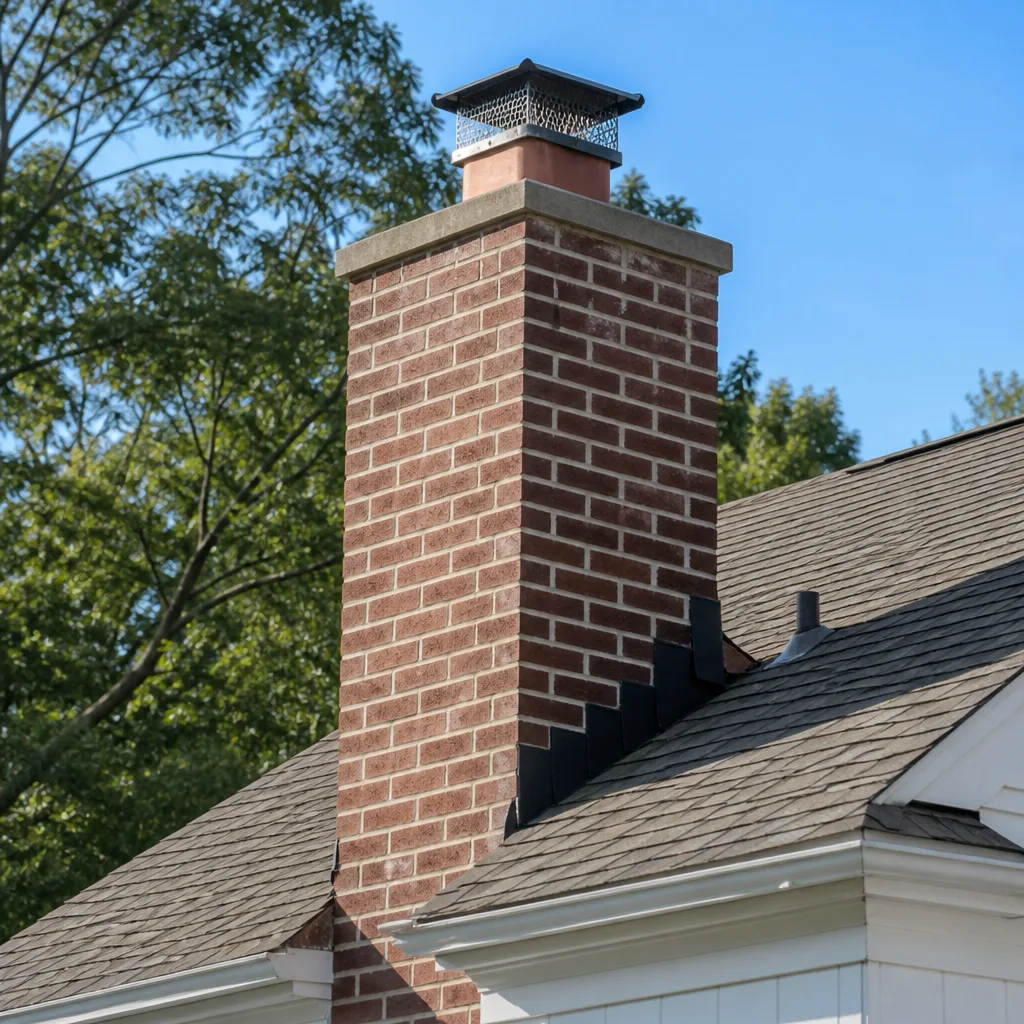 Masonry repair
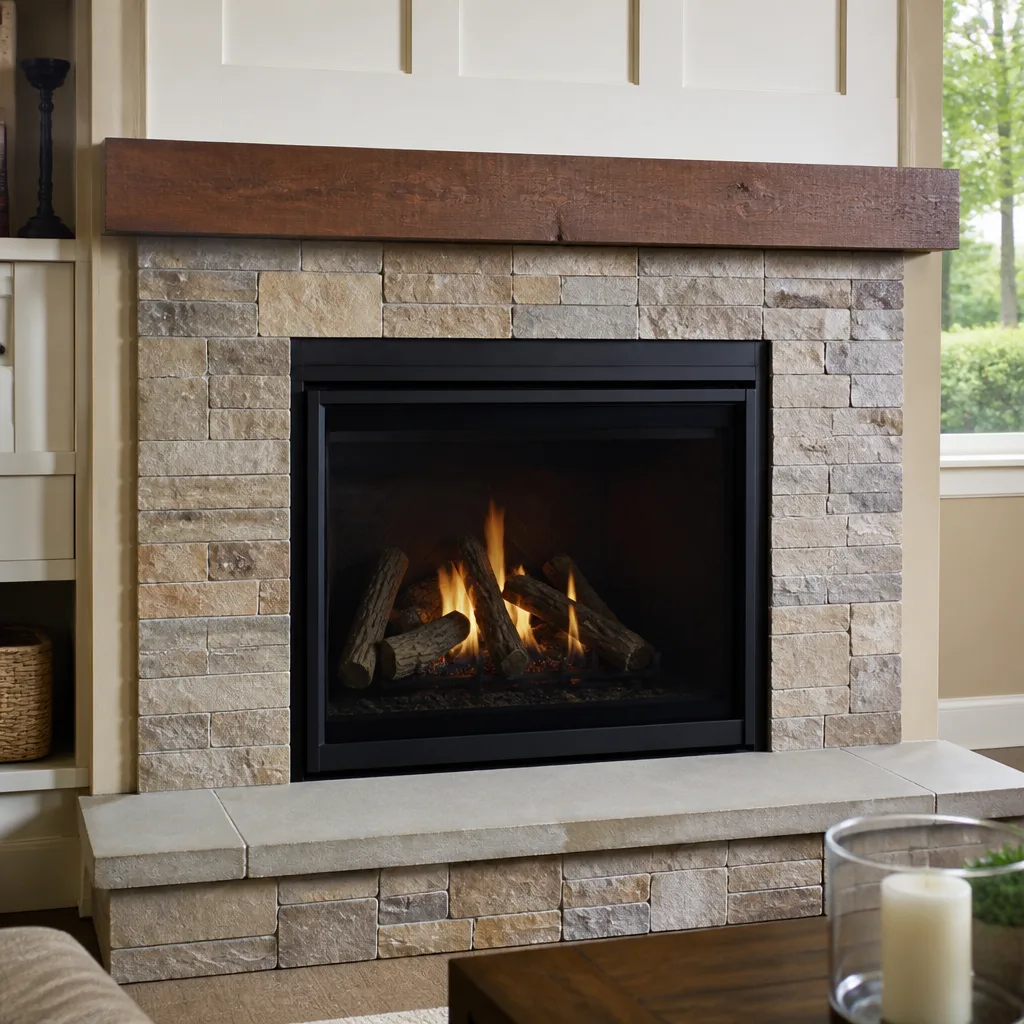 Gas fireplace service
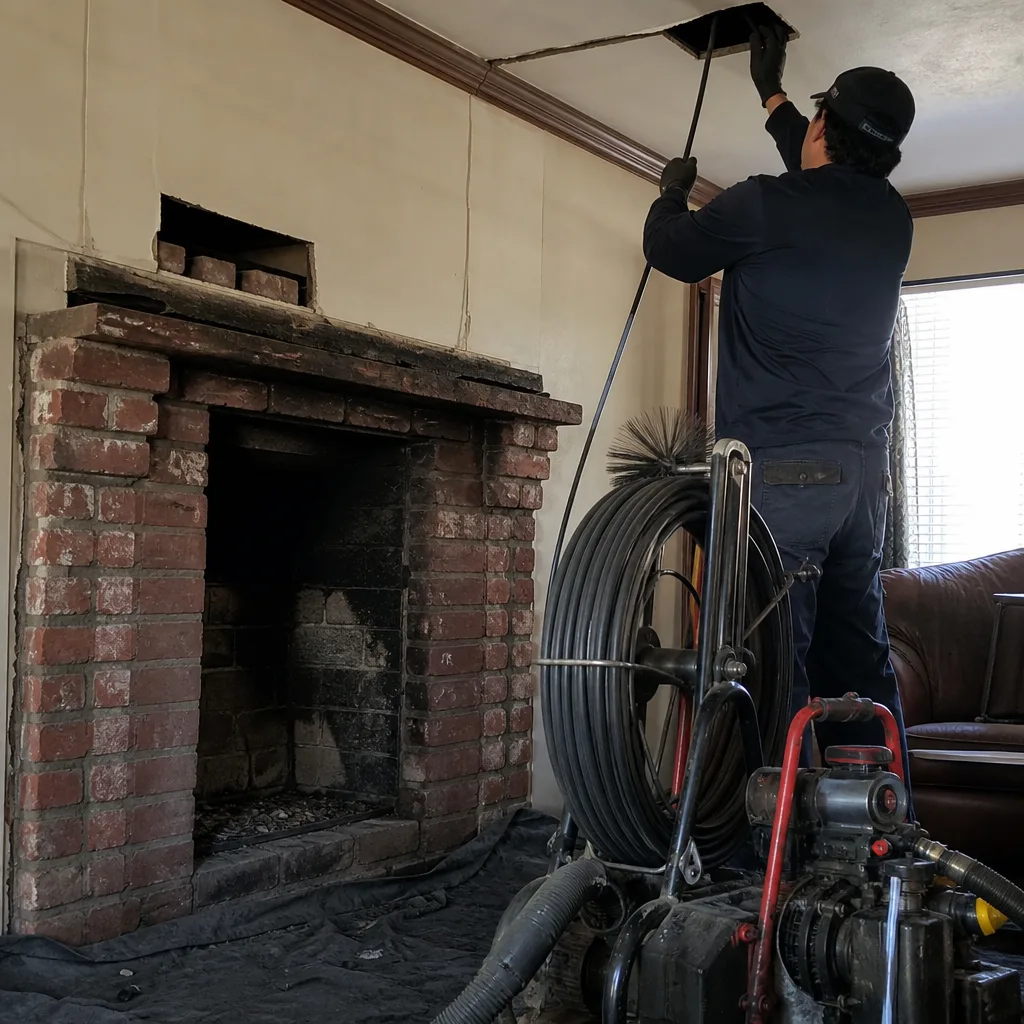
Level 1 sweep and inspection to the NFPA 211 annual standard - flue, crown, cap, and flashing checked and photographed
Chimney sweep logs do not sweep chimneys. They loosen some creosote - which then falls where a brush and vacuum still have to collect it.
Chimney Cleaning Emergency Preparedness Guide for San Bernardino Homes
Most homeowners in San Bernardino don’t know that a chimney fire sounds like a freight train running through the house, and the correct first response is not to douse the firebox with water. Pouring water into a burning chimney can shatter the flue liner instantly and turn a contained fire into a structural emergency in under two minutes. This guide walks you through exactly what to do in the first ten minutes of a chimney emergency, what to tell dispatch, and what San Bernardino’s dry wildfire-adjacent conditions mean for how you respond.
Styles & brands we work with
Quick Answer
A chimney fire in San Bernardino requires three immediate actions: call 911, evacuate everyone from the house, and close the fireplace damper and any air intakes if you can reach them safely. Do not use water. If you have a chimney fire suppressant like Chimfex, deploy it in the firebox before evacuating. Once the fire is out, schedule a Level 2 chimney inspection before using the fireplace again.
Table of Contents
- What a Chimney Fire Actually Looks and Sounds Like
- Your First Ten Minutes: Step-by-Step Chimney Fire Protocol
- Using a Chimfex Suppressant Correctly
- Why San Bernardino’s Dry Conditions Change the Risk Equation
- What to Tell the 911 Dispatcher and What Firefighters Check
- After the Fire: Why a Level 2 Inspection Is Mandatory
- Prevention: The Chimney Cleaning Schedule That Prevents Emergencies
- Common Mistakes to Avoid
- When to Call a Professional
- Frequently Asked Questions
- The Bottom Line
What a Chimney Fire Actually Looks and Sounds Like
Chimney fires don’t behave the way most people expect. They don’t start with visible flames licking out the top of the chimney, and they rarely announce themselves with a gradual buildup of smoke. A chimney fire happens when creosote, the tar-like residue that accumulates from burning wood, ignites inside the flue. The ignition is sudden, and the sound is what most people remember first.
Here’s what to look and listen for:
- A loud roaring or rumbling sound coming from the chimney, often described as resembling a freight train or a jet engine. This is the most reliable early warning sign, and it’s often loud enough to be heard throughout the house.
- Flames or dense smoke at the top of the chimney. In a hot-burning chimney fire, you may see flames shooting several feet above the chimney cap, along with heavy black smoke.
- Sparks or embers landing on the roof or in the yard. This is the sign that the fire has breached the flue or is throwing burning material outward, which in San Bernardino’s dry scrub vegetation is a serious exterior fire risk.
- A hot, intense smell like burning asphalt or a strong campfire smell that suddenly intensifies. Creosote burning has a distinctive acrid odor that’s unlike normal fireplace smoke.
- Cracking or popping sounds from the chimney structure itself, which can indicate that the clay flue liner is fracturing under thermal stress.
There are also two distinct types of chimney fires. A slow-burning chimney fire smolders at lower temperatures but can still cause significant creosote ignition and flue damage. A free-burning chimney fire burns hot and fast, with flames and the characteristic roar. Both are dangerous, and both require the same immediate response.
Your First Ten Minutes: Step-by-Step Chimney Fire Protocol
When you confirm a chimney fire, the order of your actions matters. The goal is to cut off the fire’s oxygen supply, alert emergency services, and get everyone out of the house in under ten minutes. Here’s the sequence we recommend for San Bernardino homeowners.
- Call 911 immediately. Make this call before anything else. A chimney fire can extend into the attic or walls within minutes, and San Bernardino County Fire Department or CAL FIRE response times depend on your distance from the nearest station. Don’t wait to see if it dies down on its own.
- Evacuate everyone from the house. Get every person and pet outside. Assign one person to make sure no one is still upstairs or in a back bedroom. A chimney fire can produce carbon monoxide and fill upper floors with smoke faster than most people expect.
- Close the fireplace damper if you can reach it safely. Closing the damper reduces oxygen flow to the fire. But if the firebox is filling with smoke or you feel intense heat, skip this step and get out. No chimney is worth a burn injury.
- If you have a Chimfex or similar chimney fire suppressant, deploy it now. Light the fuse, place it in the firebox, and close the doors or screen. The suppressant releases a dense smoke that consumes the available oxygen in the flue. Then leave the house immediately.
- Close exterior doors and windows on your way out. This limits the draft feeding the fire. It’s a small action that can slow the burn while you wait for firefighters.
- Move away from the house and account for everyone. Meet at a pre-designated spot at least 50 feet from the structure. Do not go back inside for any reason.
- Watch the roof and surrounding yard for embers. While waiting for the fire department, note whether sparks are landing on your roof, in gutters, or in nearby dry vegetation. If you have a garden hose and the embers are landing in a reachable area outside the house, wet down that area only if you can do so without moving closer to the burning structure.
Using a Chimfex Suppressant Correctly
Chimfex is the best-known brand of chimney fire suppressant, and it works differently than people assume. It doesn’t spray foam into the flue. It’s a flare-like stick, similar in size to a road flare, that you light and place in the firebox. Once lit, it produces a dense, oxygen-displacing smoke that rises up the chimney and starves the fire.
The right way to use it:
- Remove the outer wrapper completely.
- Grip the stick by the unlit end and light the fuse with a match or lighter.
- Hold it in the firebox for a moment until the suppressant starts producing its full volume of smoke.
- Place it on the grate or firebox floor, close the fireplace screen or doors, and exit immediately.
Chimfex is appropriate for a chimney fire that’s still confined to the flue, which is the scenario in most household chimney fire incidents. It is not appropriate if the fire has already spread into the walls, ceiling, or attic, or if you see flames in the living space beyond the firebox. At that point, evacuation and fire department response are the only safe options.
We also hear a persistent myth that throwing water on a chimney fire is a usable alternative. It isn’t. Water hitting a flue liner heated to over 1,500 degrees Fahrenheit can cause the liner to crack or shatter on contact. It also produces a steam burst that can force burning material out of the firebox and into the room. Suppressant sticks exist because they work with the fire’s draft rather than against it.
Why San Bernardino’s Dry Conditions Change the Risk Equation
Chimney fires are dangerous everywhere, but San Bernardino sits in a wildfire-adjacent zone where the secondary risk, burning embers thrown from the chimney top, escalates in ways most national chimney safety guides never address. The city’s Mediterranean-to-semi-arid climate means months of near-zero humidity, dead grasses, and chaparral that ignite at lower temperatures than most people realize.
When a chimney fire throws embers onto a roof in a humid climate, the roof is the main concern. In San Bernardino, the embers that land in a gutter packed with eucalyptus leaves, or in dry landscaping within a few feet of the foundation, can start a secondary fire that spreads outward from the house. If you live in the foothill neighborhoods or any area where open space or undeveloped land is within striking distance, the ember risk extends beyond your own property line.
This changes how you should respond in two specific ways:
- Assign someone to watch the exterior while you wait for firefighters. One adult should stay outside, at a safe distance, watching where embers land. If an ember starts a spot fire in dry vegetation, early reporting to the arriving engine crew can save valuable minutes.
- Maintain defensible space around your roofline as part of chimney ownership. This is not just wildfire preparedness, it’s chimney fire preparedness. A gutter full of dry leaves is fuel that a chimney fire can ignite from above. Keep gutters clear during burn season and trim vegetation back from the roofline.
San Bernardino homes also tend toward older construction, with many houses built before modern chimney liner standards. A 1960s-era clay tile liner may not survive a chimney fire intact, and the damage may not be visible from inside the house. That’s one reason we emphasize post-fire inspection so strongly.
What to Tell the 911 Dispatcher and What Firefighters Check
When you call 911 for a chimney fire, the dispatcher needs four pieces of information, and the order matters:
- Your address and any access notes, like a long driveway or a gate code.
- What’s burning: “chimney fire” specifically, not “fireplace fire.” This tells dispatch to send an engine with chimney response capability, which in San Bernardino County may be a CAL FIRE engine depending on your exact location.
- Whether anyone is still inside. The answer should be no, but the dispatcher needs to log it.
- Whether embers are landing on the roof or in surrounding vegetation. This upgrades the call if the fire has moved beyond the flue, and it tells the responding crew to check the roofline and yard immediately upon arrival.
When firefighters arrive, they’ll typically do several things in sequence. They’ll confirm the fire is out or suppressed by checking for visible smoke and heat at the chimney top. They may lower a thermal imaging camera down the flue or access the roof to inspect the chimney cap and crown. They’ll also check the attic and the walls adjacent to the chimney for extension, which is the term for fire that has spread beyond the flue into the structure.
If firefighters clear the scene and say the fire is out, that does not mean the chimney is safe to use. The flue may have interior cracks, the mortar joints may have failed, or the creosote may have expanded and partially collapsed inside the liner. The fire department’s job is to confirm the fire is out. A chimney professional’s job is to confirm the chimney is structurally sound before you light another fire.
After the Fire: Why a Level 2 Inspection Is Mandatory
After any chimney fire, the National Fire Protection Association standard NFPA 211 requires a Level 2 inspection before the chimney is used again. This is not a formality and it is not optional if you want to avoid a second, worse fire.
A Level 2 inspection includes everything in a standard Level 1 inspection, plus:
- A visual inspection of all accessible portions of the chimney interior and exterior, including the attic, crawl space, and basement where the chimney passes through.
- A video scan of the flue interior to check for cracks, spalling, deteriorated mortar joints, and damaged flue tile sections.
- Verification that the flue liner is intact and has not separated at the joints, which is a common failure mode after the thermal shock of a chimney fire.
- Clearance-to-combustibles checks to confirm that no framing or insulation has shifted into contact with the chimney structure.
- An assessment of the chimney cap, crown, and flashing for fire damage and water entry points created during the event.
If the Level 2 inspection reveals a cracked or collapsed clay tile liner, the repair options are straightforward: a full reline with a stainless steel system like DuraFlex, or resurfacing with HeatShield, a product that can sometimes restore a damaged liner without full replacement. In our experience, homeowners are relieved to know that a chimney fire doesn’t always mean a complete flue teardown. The repair scope depends on what the camera actually shows.
For more on what a proper chimney repair involves, see our guide to Chimney Repair in Rubidoux.
Prevention: The Chimney Cleaning Schedule That Prevents Emergencies
The best chimney fire is the one that never happens, and prevention in San Bernardino comes down to a simple rule: clean before the creosote builds thick enough to ignite. The Chimney Safety Institute of America recommends cleaning when creosote deposits reach 1/8 inch in thickness. You can’t measure that from your living room, but the signs that you’re overdue include a strong smoky smell even when the fireplace isn’t lit, visible black flaky buildup on the firebox walls, and smoke that rolls back into the room when you open the stove door.
For San Bernardino homeowners who burn regularly during the cooler months, an annual sweep before the burning season starts is the standard, and following a chimney sweep maintenance checklist helps ensure nothing is missed. Homes that burn softwoods like pine or fir, which produce more creosote than hardwoods, may need a mid-season sweep as well. Households that only burn occasionally, a fire a few times per month or less, can sometimes stretch to every other year, but only if the annual inspection confirms low creosote levels.
What a professional chimney sweep does during a standard visit goes beyond pushing a brush up the flue. A thorough sweep includes:
- Creosote removal from the flue walls, smoke shelf, damper assembly, and firebox.
- Visual inspection for cracks, water damage, animal nests, and soot buildup behind the damper.
- Confirmation that the damper opens and closes properly.
- Removal of any blockages, including bird nests, which are a common fire and carbon monoxide hazard in San Bernardino’s older residential neighborhoods.
To understand what a proper chimney cleaning includes and how it’s priced, start with our San Bernardino Chimney Sweep home services overview. And if you have a masonry fireplace in the western part of the city, you may also want to review the specifics for Chimney Sweep in Rubidoux.
One more prevention point that’s easy to overlook: your dryer vent. Lint fires and chimney fires share a common cause and a common prevention strategy. Both require regular removal of accumulated, highly flammable residue. A dryer vent packed with lint restricts airflow, causes the dryer to overheat, and can ignite just as fast as a creosote fire. If you’ve never had your dryer vent cleaned, treat it with the same seriousness as your chimney. Learn more about what’s involved in our guide to Dryer Vent Cleaning in Rubidoux.
Common Mistakes to Avoid
- Pouring water into the firebox. This is the most common and most damaging mistake. Water shatters hot flue liners and creates a steam blast that can push fire into the room. Use a Chimfex suppressant if you have one, or simply close the damper and evacuate.
- Waiting to see if the fire dies down before calling 911. Chimney fires can smolder in the flue and then reignite hotter. By the time the smoke is visibly pouring into the house, the fire may have already extended into the attic. Call first.
- Lighting another fire the next day because it seems fine. A chimney that survived one fire may have hidden liner damage that makes a second fire far more dangerous. Level 2 inspection first, always.
- Assuming a spark arrestor cap prevents all chimney fires. A cap reduces ember escape, but it doesn’t prevent creosote ignition inside the flue. Some homeowners skip sweeps because they think the cap makes the chimney safe. It doesn’t work that way.
- Burning construction lumber or trash in the fireplace. Treated lumber, plywood, and household trash produce creosote aggressively and burn unpredictably. Burn only seasoned firewood, and in San Bernardino, check burn day restrictions before lighting anything.
- Ignoring the dryer vent as a separate fire risk. A chimney sweep isn’t a substitute for dryer vent cleaning, and vice versa. Both are ventilation systems that accumulate flammable residue, and both need regular professional attention.
When to Call a Professional
Some chimney situations are DIY-adjacent and some aren’t. Replacing a chimney cap or installing a spark arrestor on a single-story roof with a safe pitch is a weekend project for a careful homeowner. Anything involving flue liners, cracked masonry, smoke backup, or post-fire inspection is not. If you’ve had a chimney fire, if you smell smoke when the fireplace isn’t lit, if you see flaking creosote or crumbling mortar, or if your carbon monoxide detector goes off when you light a fire and then stops when you open a window, call a specialist immediately—just be sure you understand chimney cleaning permits, codes and inspections in CA so you know what to expect. San Bernardino Chimney Sweep offers free estimates in San Bernardino, call (877) 516-7159.
Frequently Asked Questions
A standard chimney sweep in San Bernardino typically ranges from $180 to $340 for a single flue fireplace, depending on creosote buildup, roof access, and whether the chimney is masonry or prefab. Additional costs apply for heavy creosote removal, animal nest extraction, or if the sweep is paired with an inspection. Call (877) 516-7159 for an exact quote, estimates are free.
No, you cannot use your fireplace after a chimney fire until a Level 2 inspection confirms the flue is structurally intact. The inspection uses a video camera to check the entire flue interior for cracks, failed mortar joints, and liner separation. If you light a fire on a damaged liner, you’re risking a house fire, not a chimney fire. Call (877) 516-7159 to schedule your post-fire inspection.
A chimney used regularly during fall and winter should be swept once a year in San Bernardino, ideally before the first fire of the season. Homes that burn softwoods like pine should consider a mid-season sweep, and even lightly used fireplaces should be inspected annually even if a full sweep can go to 18 to 24 months. The deciding factor is creosote thickness, not calendar time.
Not always. If the Level 2 inspection shows minor cracks or surface spalling, a product like HeatShield can resurface the existing liner without the cost and disruption of full replacement. If the liner has separated at the joints or collapsed, a stainless steel reline with a system like DuraFlex is the correct repair. The camera tells us what you actually need, and you’ll see the footage yourself before deciding. Call (877) 516-7159 for a free estimate.
Creosote builds up in layers within the flue, and each layer increases both the risk of ignition and the heat intensity if a fire does start. A flue that hasn’t been cleaned in three seasons may have 1/4 inch or more of creosote, which is enough to fuel a hot, fast-burning chimney fire. Even if no fire occurs, a blocked flue can route smoke and carbon monoxide into the living space. A sweep costs less than your insurance deductible after a fire. Call (877) 516-7159 to schedule one.
No, but the difference is smaller than most people think. A chimney fire is confined to the flue, while a house fire has extended into the structure. The problem is that a chimney fire can become a house fire in minutes if the liner fails or embers find a combustible surface in the attic or on the roof. That’s why the first-ten-minutes protocol treats every chimney fire as a potential structural emergency.
The Bottom Line
Chimney fires in San Bernardino are a real and preventable risk, and the way you respond in the first ten minutes determines whether a contained flue fire stays contained or turns into a structural emergency. Remember the sequence: call 911, evacuate, close the damper, deploy a Chimfex suppressant if you have one, and never use water. After the fire is out, a Level 2 inspection is the only way to know whether your chimney is safe to use again. And the most effective emergency preparedness is prevention: an annual sweep, careful monitoring of creosote buildup, and the same diligence for your dryer vent that you bring to your fireplace. For more guides & resources, see our blog.
Written by the team at San Bernardino Chimney Sweep, serving San Bernardino since 2018.
See the difference
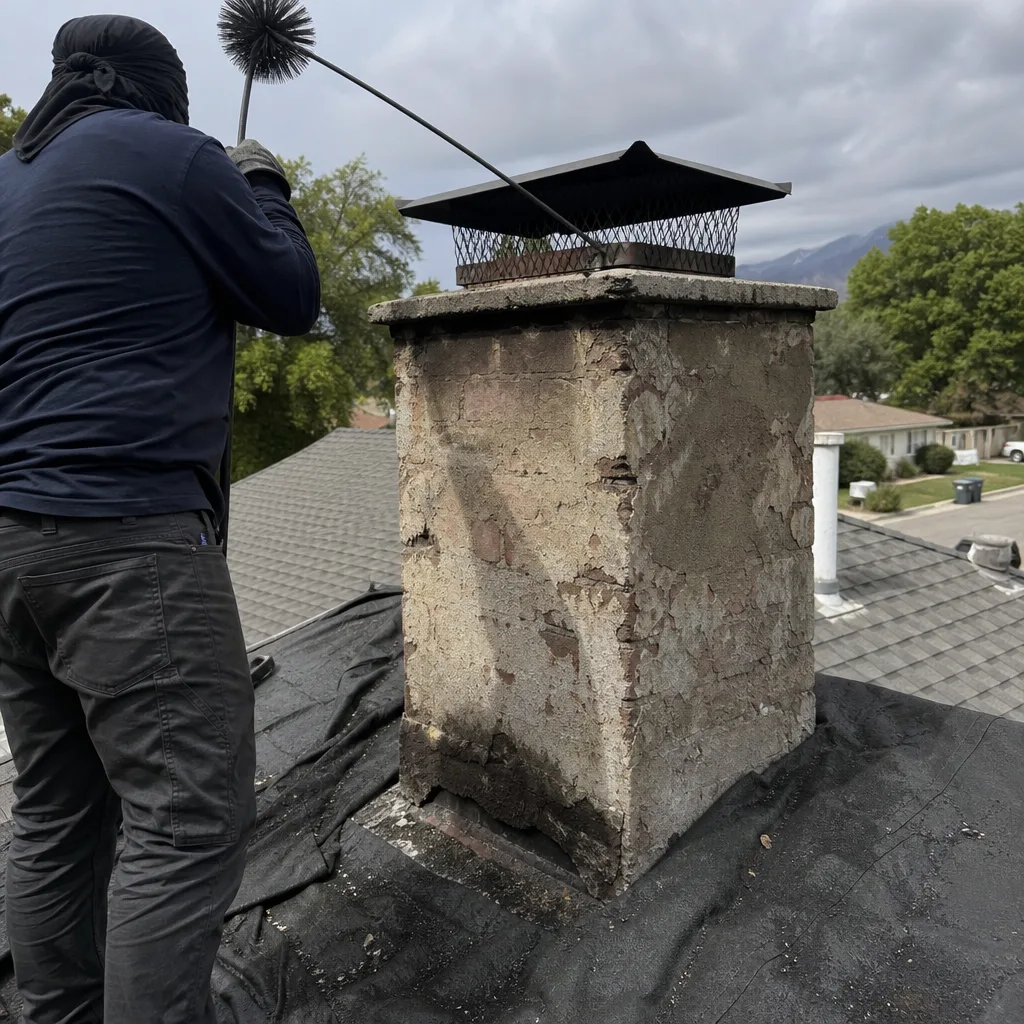 Before
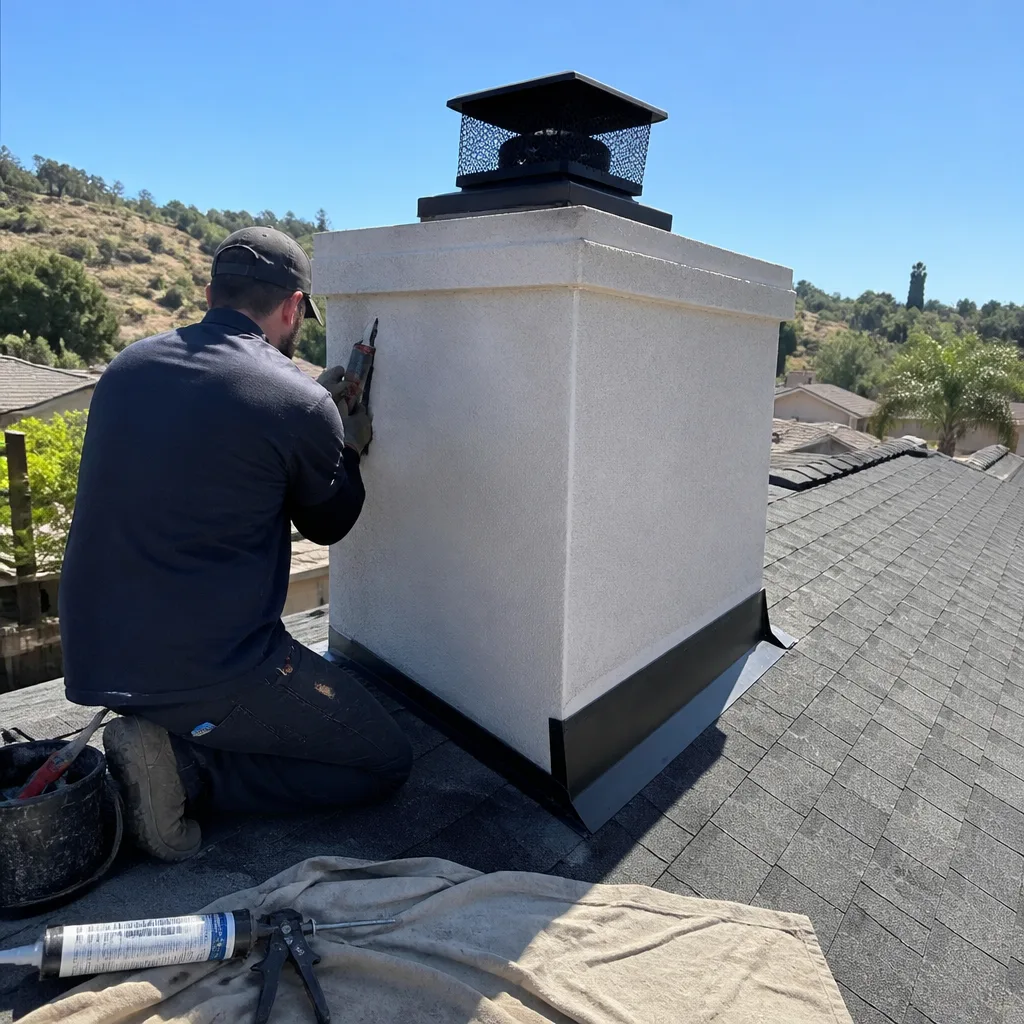 After
 Before
 After
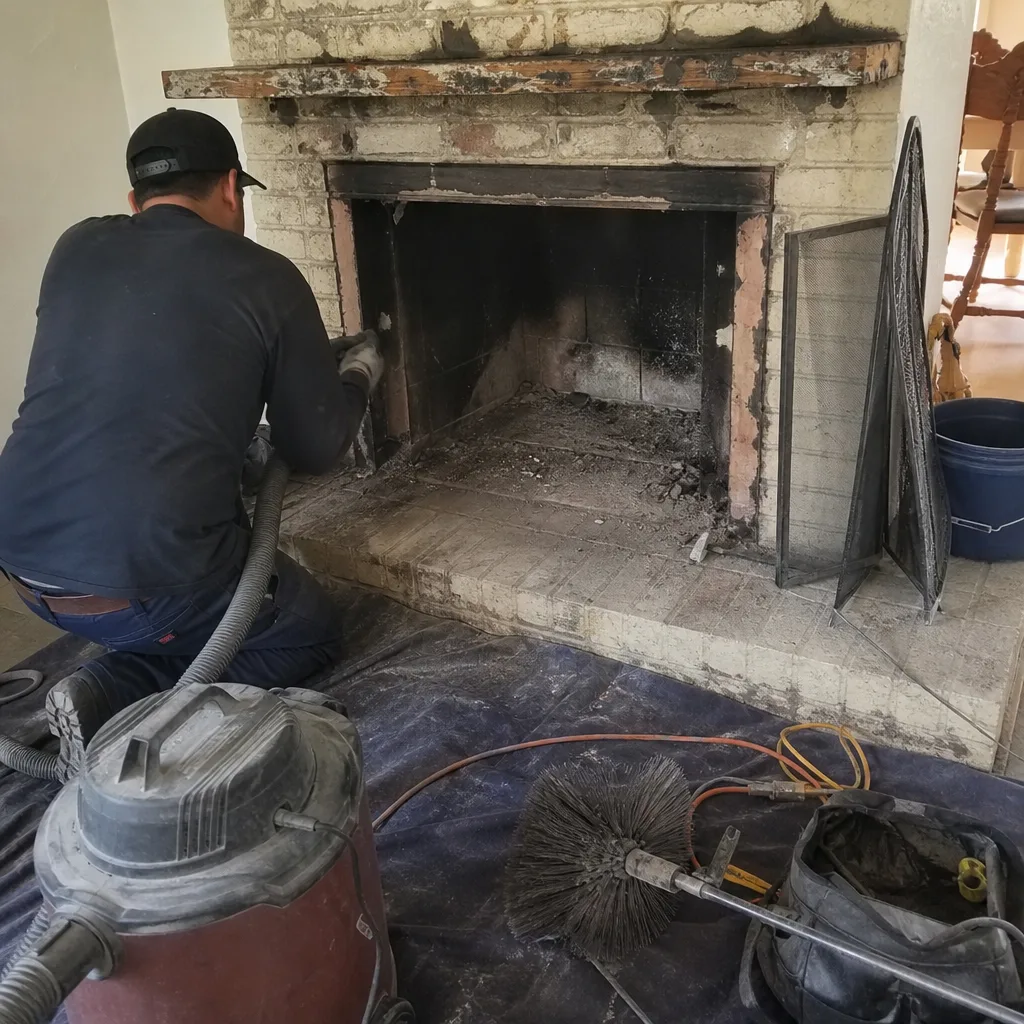 Before
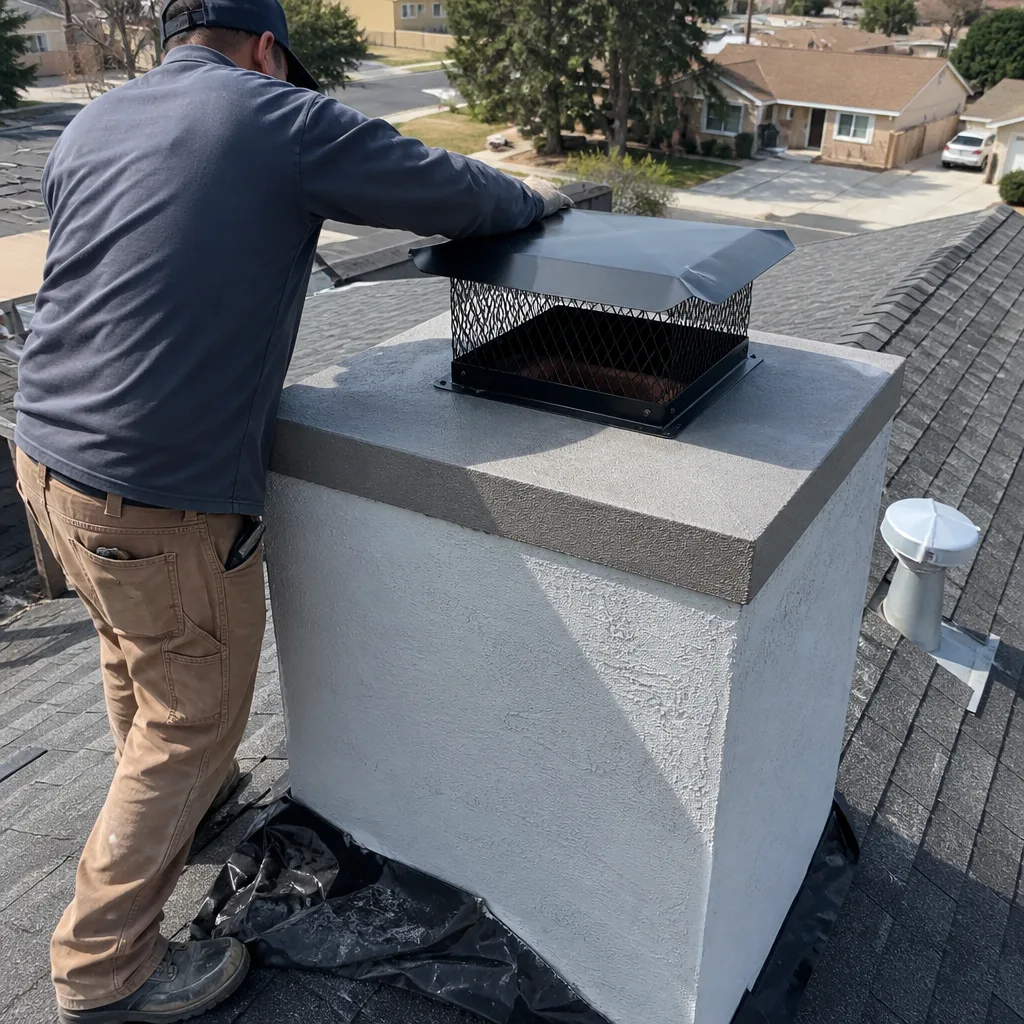 After