
Last updated October 30, 2026
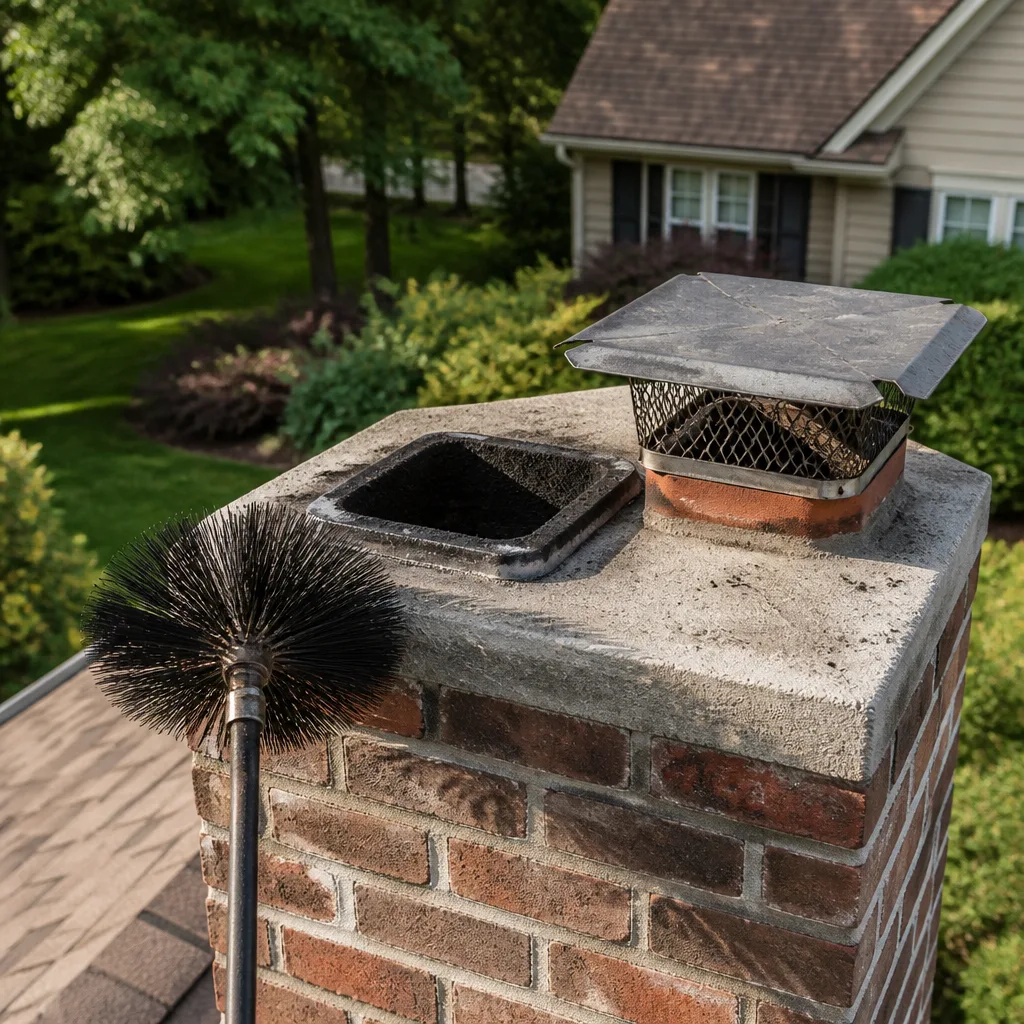 Sweep & inspection
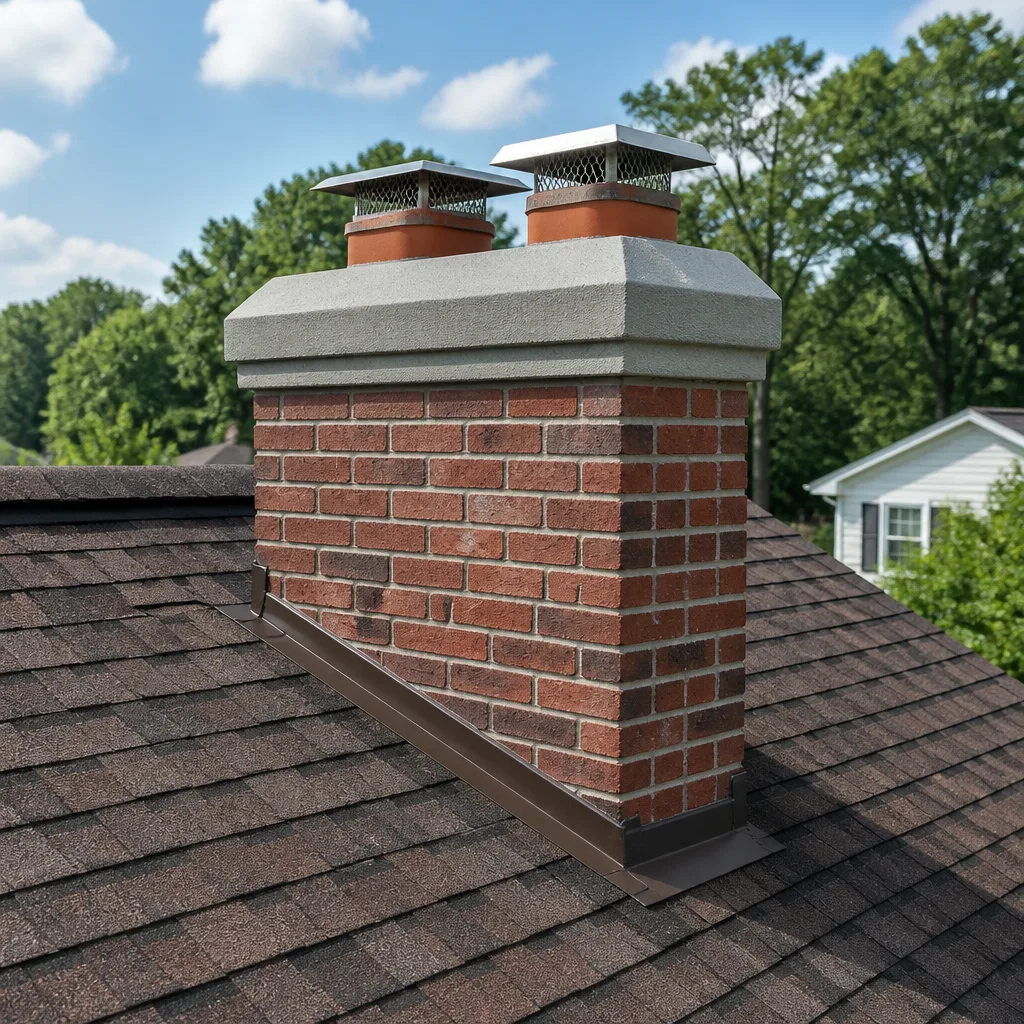 Caps & crowns
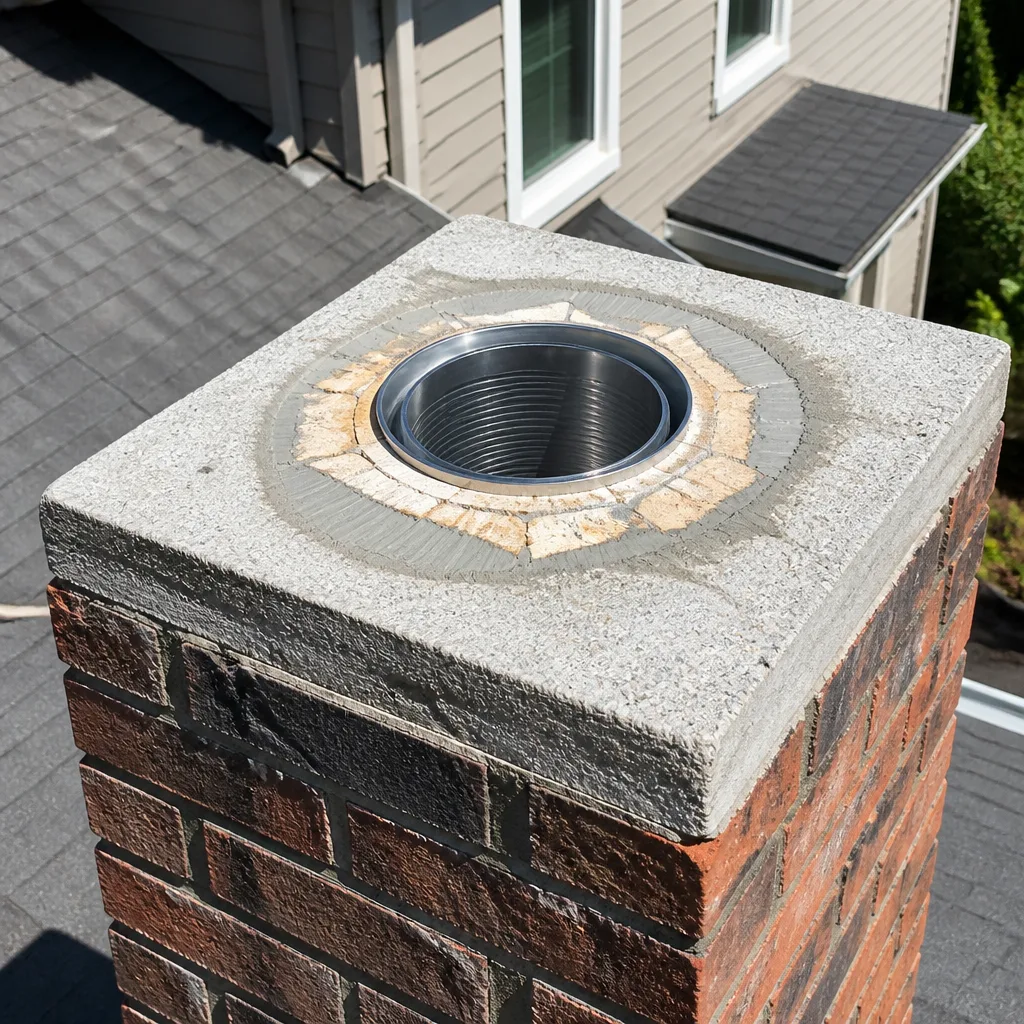 Flue relining
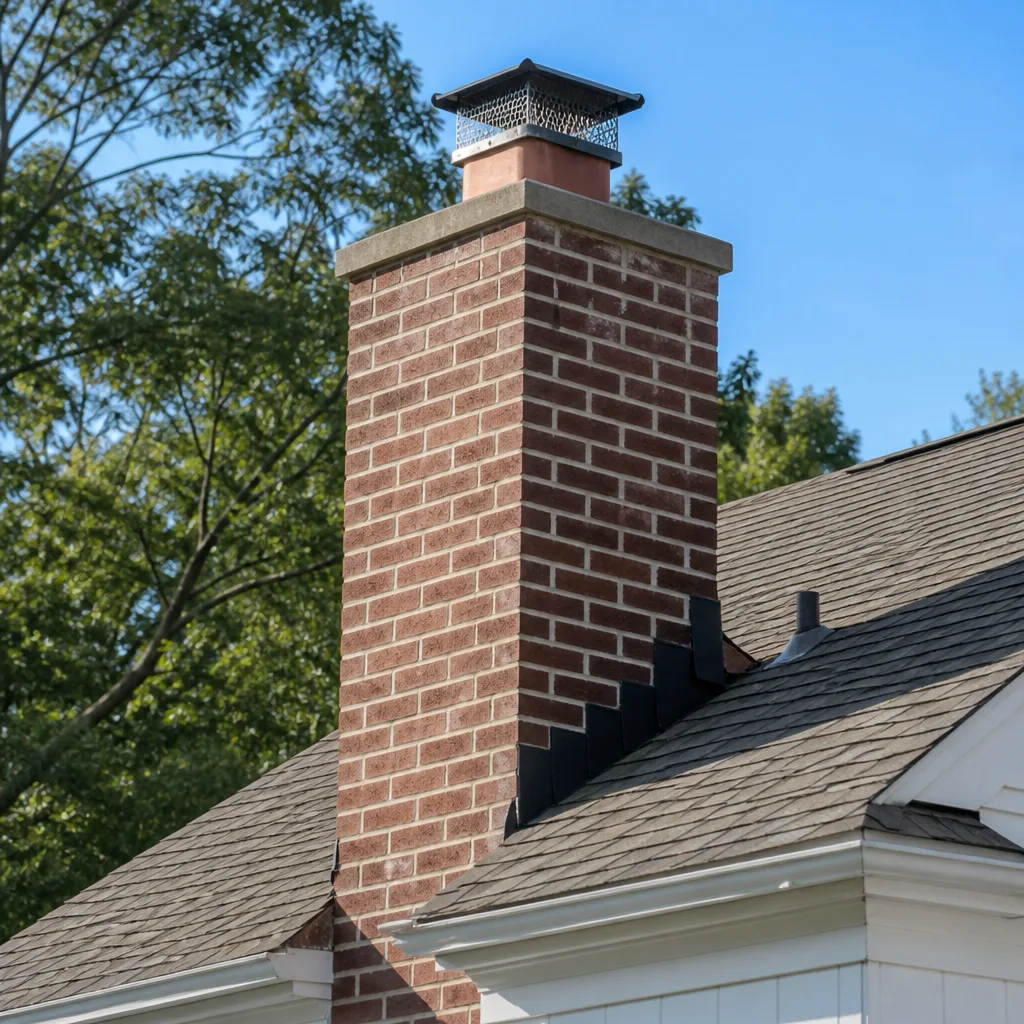 Masonry repair
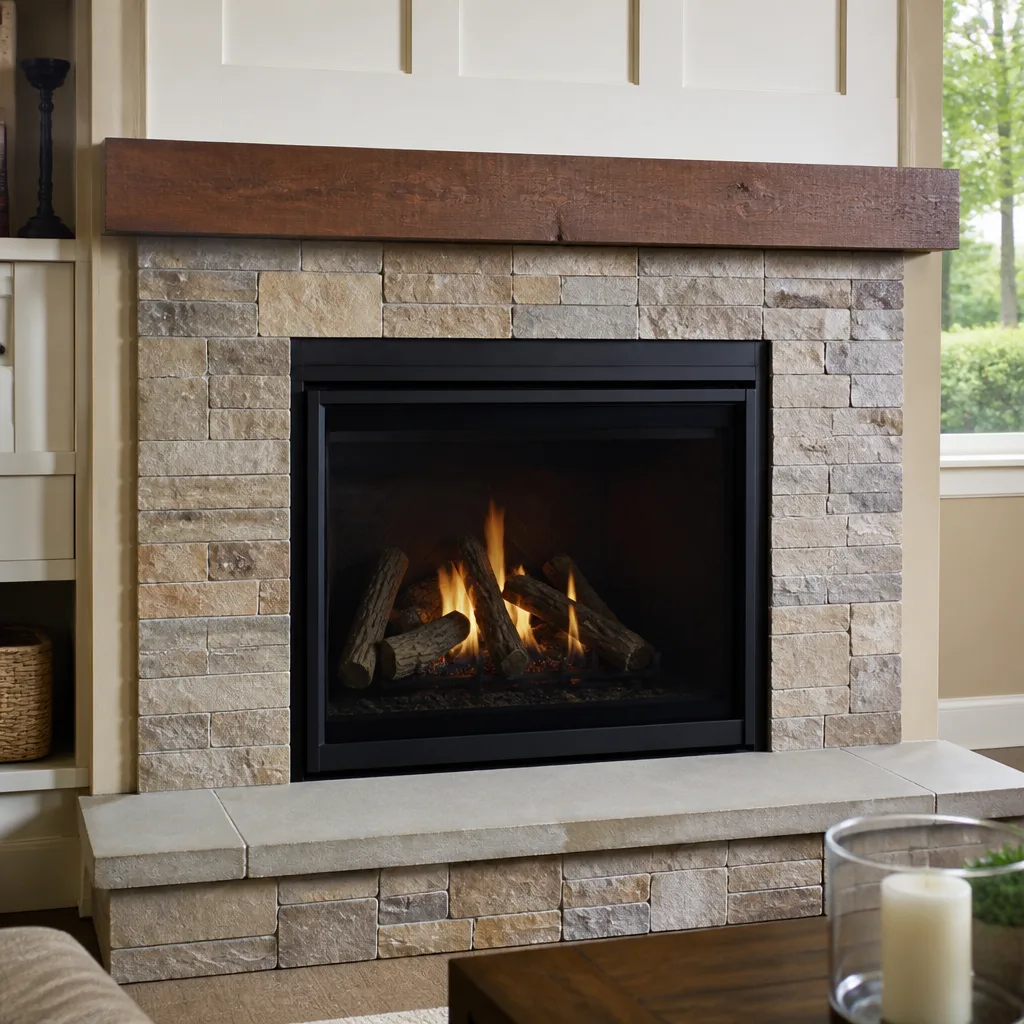 Gas fireplace service
Level 1 sweep and inspection to the NFPA 211 annual standard - flue, crown, cap, and flashing checked and photographed
Chimney sweep logs do not sweep chimneys. They loosen some creosote - which then falls where a brush and vacuum still have to collect it.
Chimney Sweep Maintenance Checklist for San Bernardino Homeowners
A cracked flue liner can exist for two full seasons before a homeowner notices any symptom. No visible smoke, no strange odor, no performance issue. And yet during those two seasons, carbon monoxide has a potential path through that crack every time a fire burns. The standard checklist most San Bernardino homeowners find online was written by someone in Ohio or Michigan, where the failure points are creosote buildup and freeze-thaw cycles. That’s not what kills chimneys here. San Bernardino chimneys fail from heat cycling, seismic movement, and long dry stretches between uses. This guide replaces the generic checklist with one built around how chimneys actually deteriorate in this climate.
Styles & brands we work with
Quick Answer
A San Bernardino chimney maintenance checklist needs three layers: a pre-season inspection covering flue integrity, bird and rodent intrusion, and Santa Ana wind damage; monthly visual checks during burn season; and an annual professional sweep with a camera inspection. The non-negotiable item most homeowners skip is verifying the flue liner is intact, because a cracked liner produces no visible symptom until it becomes a carbon monoxide risk. Book a camera-equipped sweep before the first burn each year, then follow a simple monthly routine through the burn season.
Table of Contents
- The Real Failure Points: Why San Bernardino Chimneys Crack
- Before the First Fire: A 9-Step Pre-Season Checklist
- Monthly Visual Checks You Can Do Yourself
- Post-Santa Ana Wind Checks: What to Look For
- Seismic Activity and Flue Tiles: The Invisible Damage
- What You Can Check vs. What a Technician Must Inspect
- A Month-by-Month Maintenance Calendar for San Bernardino
- Common Mistakes to Avoid
- When to Call a Professional
- Frequently Asked Questions
- The Bottom Line
The Real Failure Points: Why San Bernardino Chimneys Crack
Before any checklist makes sense, you need to understand what it’s checking for. In San Bernardino, three local conditions drive most chimney deterioration, and none of them show up prominently in a national chimney safety brochure.
First, heat cycling. San Bernardino winters are mild compared to the Midwest, but that creates a specific problem. Homeowners burn fires on cold evenings and cold mornings, often sporadically. The chimney heats up, cools down, heats up, cools down, sometimes with days or weeks between fires. Masonry and clay flue tiles expand when heated and contract when cooled. Over years, that repeated cycling cracks tiles and mortar joints. In colder climates, chimneys stay warm for months. Here, they cycle constantly, and that cyclical stress is what opens up hairline cracks.
Second, seismic activity. San Bernardino sits within the Inland Empire’s network of active fault lines. Every small earthquake, even the ones you barely feel, sends vibration through masonry structures. Clay flue tiles sit stacked inside the chimney with mortar joints between them. Seismic vibration can shift tiles, crack mortar, or separate the liner from the surrounding masonry without leaving a single visible mark on the exterior chimney. We’ve pulled camera footage from chimneys in the San Bernardino area where the outside looked perfect but the flue tiles were offset by a full inch, leaving gaps that vented combustion gases into the wall cavity.
Third, sporadic use. Long dry stretches between fires are not the chimney’s friend. They’re an open invitation to nesting birds, rodents, and wasps. During the extended dry months in San Bernardino, an uncapped chimney becomes a quiet, protected cavity. By the time you light the first fire in November, you may be burning out a season’s worth of nesting material, or worse, blocking the flue entirely and filling your house with smoke.
Understanding these three failure points tells you what your checklist actually needs to check: liner integrity, cap condition, and obstruction. Not just creosote levels.
Before the First Fire: A 9-Step Pre-Season Checklist
Complete this checklist in October or early November, before the first burn of the season in your San Bernardino home. If anything in steps 1 through 4 turns up a concern, stop and call a professional before proceeding.
Step 1: Schedule the annual camera inspection. This is the single most important item on the list. A camera inspection reveals liner cracks, offset tiles, and hidden mortar damage that no visual check from the fireplace opening can find. San Bernardino Chimney Sweep services include camera inspection with every sweep, and the footage is yours to see. You should never take someone’s word on liner condition without seeing the images.
Step 2: Look for nesting material. Remove the chimney cap or check it with binoculars. Birds, especially starlings and sparrows, build nests in uncapped or damaged-cap chimneys during the dry summer months. Squirrels and rats also find their way in. If you see twigs, grass, or debris, do not light a fire. The blockage can force smoke into the living space.
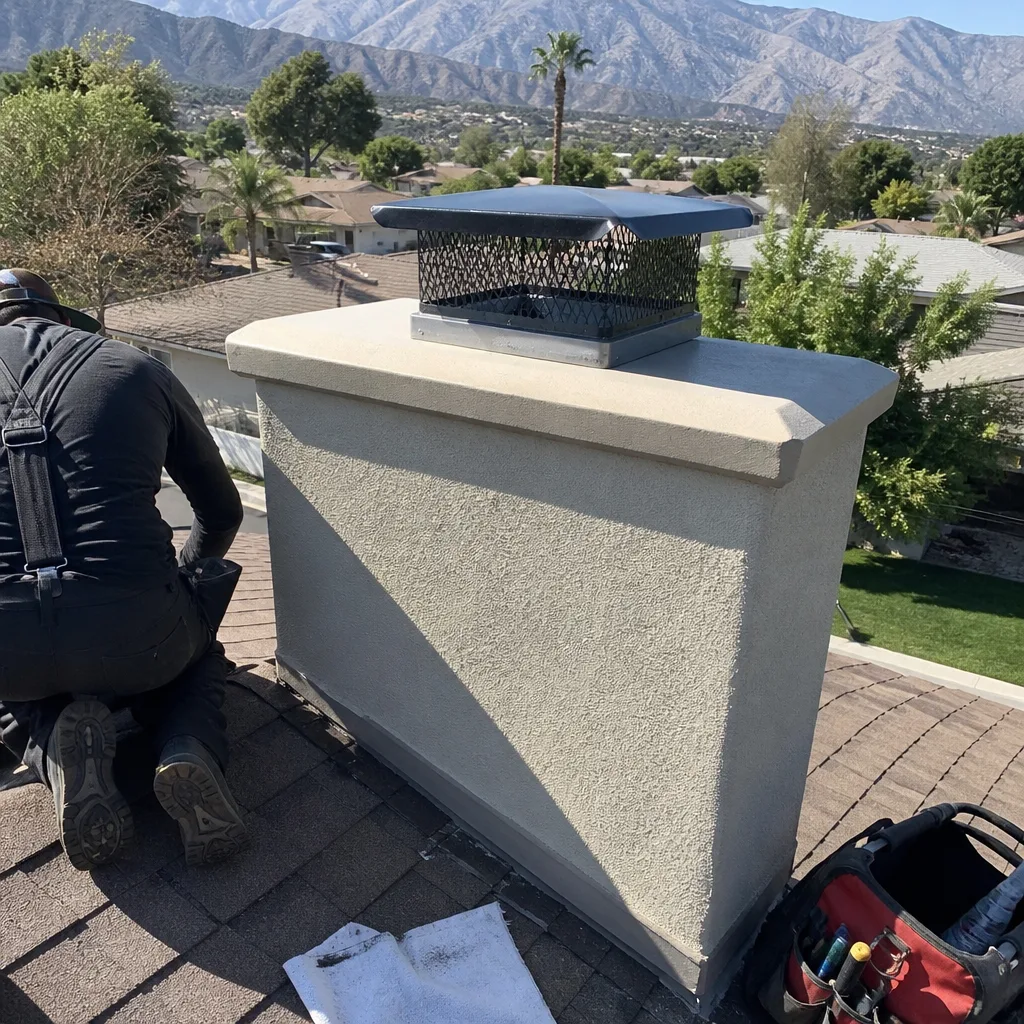
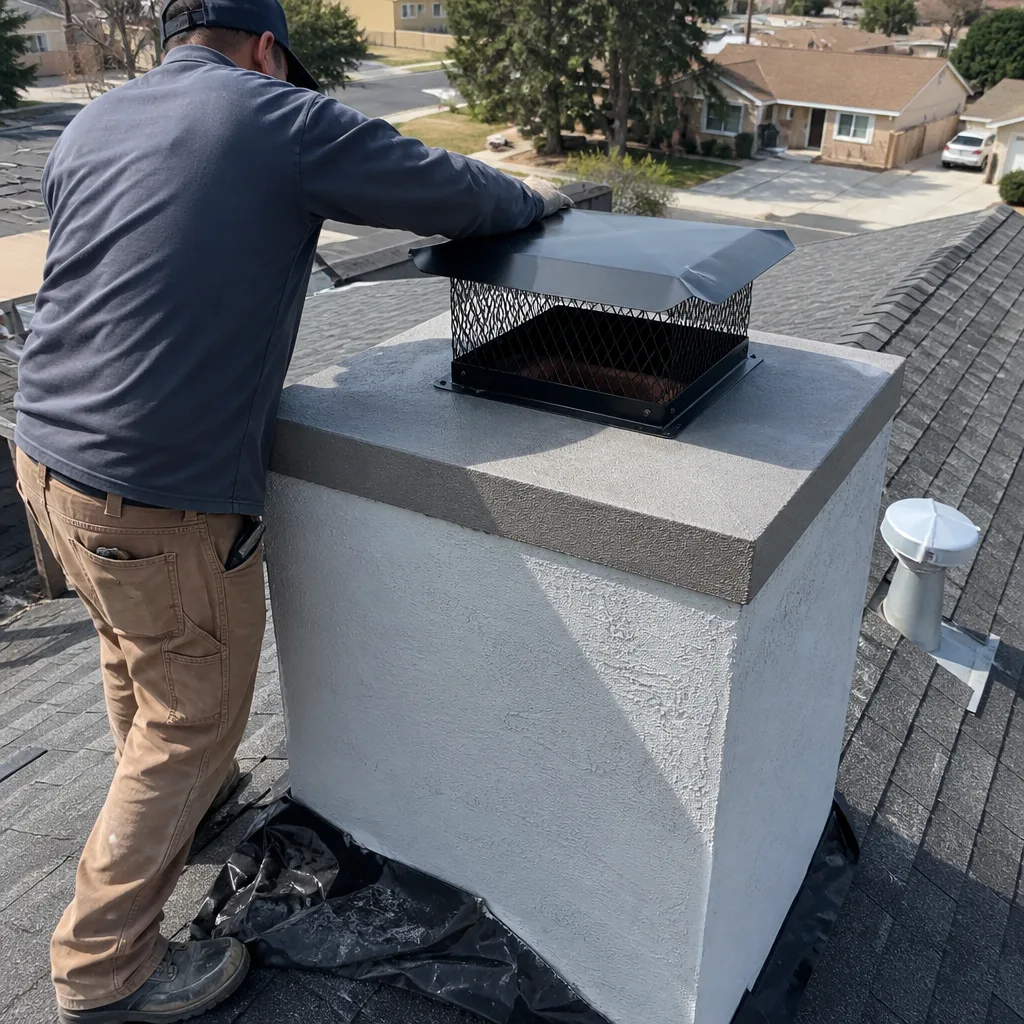
Step 3: Inspect the chimney cap and spark arrestor. The cap keeps rain out, keeps animals out, and the spark arrestor mesh prevents embers from leaving the chimney during Santa Ana wind events. If the cap is missing, rusted through, or the mesh is torn, you need a replacement. Living in San Bernardino, a missing spark arrestor during a wind event is a fire risk to surrounding brush and structures.
Step 4: Check the flue damper. Open and close it fully. It should move freely and seat firmly. A damper that won’t close wastes heated indoor air even when no fire is burning. A damper that won’t open fully restricts the draft and causes smoke to back up into the room.
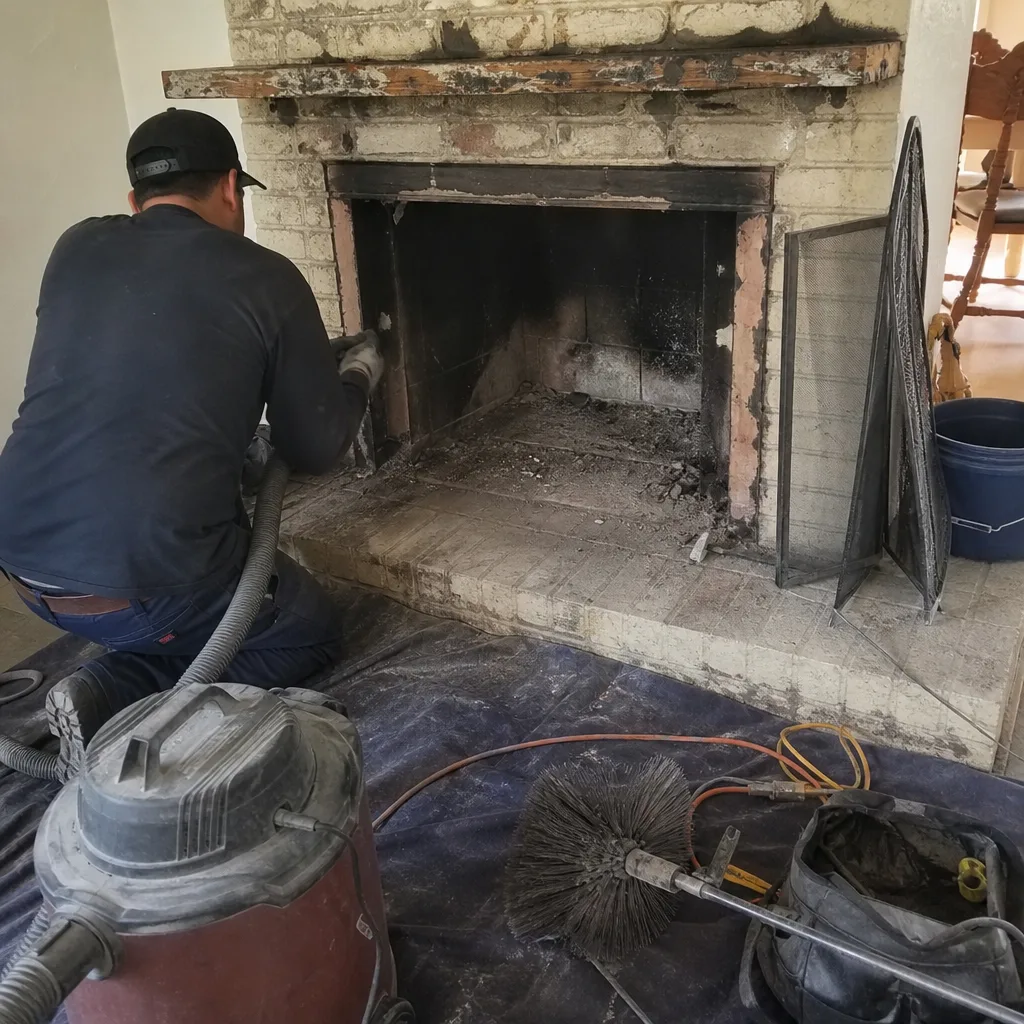
Step 5: Remove visible ash and debris from the firebox. If the fireplace has sat unused since spring, clear out the loose ash and check for any rust, warping, or damage to the grate.
Step 6: Test the draft. On the day before you plan to light the first fire, open the damper and light a rolled sheet of newspaper, holding it up near the damper opening. The smoke should pull up into the flue. If it billows back into the room, the flue is obstructed or the chimney is too cold to establish a draft, and you should investigate before loading real firewood.
Step 7: Verify your smoke and carbon monoxide detectors are working. This is part of the chimney system in any practical sense. Replace batteries annually and test both devices. If you burn regularly in San Bernardino, a carbon monoxide detector is not optional equipment.
Step 8: Check the area around the chimney exterior. Walk around the house and look at the chimney from the ground. Look for visible cracks in the masonry, missing mortar joints, or any leaning. Also check for efflorescence, a white chalky stain that indicates water penetration into the masonry.
Step 9: Schedule the professional sweep. Even if everything above checks out, the annual sweep removes creosote buildup from the flue walls that you cannot see or reach. Creosote is flammable at concentrations you can’t judge by eye from below, and removing it professionally is the baseline chimney maintenance practice. See also our Chimney Sweep in Rubidoux page if you’re located in that part of the valley.
Monthly Visual Checks You Can Do Yourself
Between professional sweeps, there are a few checks you can do in under ten minutes. These catch problems early, before they become repair bills or safety hazards. None of these require any tools beyond a flashlight and your eyes.
During burn season, once a month:
- Look up the chimney from inside the firebox. Shine a flashlight up the flue with the damper open. You’re looking for three things: visible debris, an unusual amount of dark glossy creosote (which looks tar-like and shiny), or any white efflorescence on the flue walls. If you can see shiny black deposits, your fires are burning cool and producing heavy creosote, and you should adjust your wood and schedule a sweep earlier than planned.
- Check the firebox walls for signs of damage. Look at the refractory brick panels or firebrick. New cracks, spalling (surfaces flaking or popping off), or displacement suggest the firebox has been over-fired. Any crack wider than a quarter inch should be assessed by a chimney professional.
- Look at the exterior masonry from the ground. Walk to the same spot you used in your pre-season check and compare. New cracks, newly missing mortar, or any brick that looks shifted deserve a call. After heavy rain, also check for water stains on the ceiling near the chimney chase or around the fireplace.
- Monitor how the fireplace performs. If you notice the fire is harder to light, smoky even with the damper open, or produces less heat for the same amount of wood, that’s a draft or obstruction problem. Performance changes are symptoms. Don’t work around them.
- Listen for unusual sounds. Animal noises from inside the chimney, whistling drafts when the fireplace is not in use, or popping sounds from the masonry during temperature changes can all indicate something worth checking. Animal noises mean intrusion. Whistling means an air leak around the damper or cracks in the flue.
These owner-level checks do not replace a professional camera inspection. They’re a middle layer. They catch the obvious problems between annual visits. But the most dangerous failure mode in a San Bernardino chimney, a cracked flue liner, is invisible from the firebox. That’s why the annual camera inspection remains non-negotiable.
Post-Santa Ana Wind Checks: What to Look For
Santa Ana winds are a defining part of fall and winter in San Bernardino, and they create specific chimney hazards that national checklists never mention. Wind events lasting multiple days put lateral pressure on exposed masonry, whip debris into chimney caps, and in the worst cases, carry embers from active fires onto rooftops and into gutters.
After any significant Santa Ana event, add a five-minute exterior check to your routine:
- Chimney cap damage. Santa Ana winds can lift, loosen, or deform chimney caps, especially older caps with existing corrosion. Stand at the street or the back fence and inspect the cap from multiple angles. If it’s tilted, you need a service call. A tilted cap is an open door for rain and animals and a source of draft problems.
- Fallen debris in the flue. Palm fronds, eucalyptus bark, and dried leaves are all carried by Santa Ana winds. If the spark arrestor mesh has any gaps, debris can enter the flue. Before your next fire after a wind event, look up the flue with a flashlight to verify it is clear.
- Loose mortar or brick fragments on the ground. After a high-wind event, walk the area around the chimney base. If you find pieces of mortar or brick chips on the roof, patio, or ground, the chimney structure is shedding material under load. That’s a call-worthy finding.
- Downed branches or roof debris near the chimney. If a tree branch came down near the chimney, it may have struck the masonry on the way. Check for fresh impact marks, cracks, or shifting anywhere on the chimney exterior.
Santa Ana winds also make an active fire riskier. If you burn during a strong wind event, keep the fire small, use a spark screen, and verify the spark arrestor is in good condition. The airborne ember path from a chimney without an intact spark arrestor can reach dry brush and roofing dozens of feet away. That’s a preventable cause of wildland-adjacent structure fires in San Bernardino.
Seismic Activity and Flue Tiles: The Invisible Damage
The San Bernardino area sits in one of the most seismically active regions in Southern California. The San Andreas runs north of the valley, the San Jacinto fault lies to the east, and smaller faults thread through the Inland Empire itself. For chimney safety, every event matters, not just the ones that knock pictures off the wall.
Clay flue tiles are rigid ceramic components stacked vertically inside the chimney. Each tile is seated and sealed with mortar at the joints. Even a magnitude 3 or 4 earthquake, the kind that feels like a bounce and a rattle, can produce enough lateral force to crack a tile or break a mortar joint. The exterior masonry may flex enough to absorb the movement without visible damage, which means the first evidence of trouble is on the inside. You won’t see it.
This is why camera inspections matter more in San Bernardino than they do in seismically quiet parts of the country. After any earthquake you feel inside your house, or any cluster of small events, run a quick exterior check for new cracks, then shine a light up the flue. If you see vertical cracks in the flue tiles, gaps between tile sections, or evidence that tiles have rotated or shifted, stop burning and call for a professional camera inspection. A shifted flue is a carbon monoxide pathway. Full stop.
For homes with masonry chimneys that have already been through multiple earthquake seasons, the upper sections of the chimney are the most vulnerable. The top several feet of a chimney act as a lever during shaking, and cracks there may widen progressively over years. Older chimneys often lack the steel reinforcement that modern earthquake code requires. If your chimney has visible stair-step cracks in the mortar, movement is already happening, and it needs an assessment before the next burn season, not after.
What You Can Check vs. What a Technician Must Inspect
There’s a clear line between homeowner-level visual checks and the work that belongs to a qualified chimney technician. Crossing that line in either direction causes problems. Homeowners who attempt to inspect flue liners without the right equipment miss the exact failures that matter most. Homeowners who skip the checks they can do end up calling for things they could have caught in five minutes.
Checks you can do yourself, safely, from the ground or from inside the firebox:
- Exterior masonry cracks, missing mortar, efflorescence
- Chimney cap condition, visible tilt or rust
- Nesting material visible from the fireplace opening
- Damper operation
- Firebox panel damage visible from the firebox
- Smoke and carbon monoxide detector function
- Changes in fireplace performance, draft, or odor
Items that require a professional technician and equipment:
- Flue liner inspection. You cannot see a cracked flue liner from the firebox. A camera probe is the tool for the job, and the footage should be shown to you.
- Creosote removal. Brushing a flue from below is not a DIY task. It requires the right sized brush, proper technique, and safe handling of the removed creosote.
- Level 2 inspections. Any time a property changes hands, after a chimney fire, or after significant seismic activity, a Level 2 inspection with camera and accessible areas checked is the standard. Homeowner visual checks don’t meet this threshold.
- Liner repair and resurfacing. If the camera inspection reveals cracks in the liner, repair options include resurfacing with HeatShield, a process that applies a refractory sealant to the existing flue walls without tearing out the entire liner. This is not a homeowner task, and attempting any patch job on a flue liner is not safe.
- Structural masonry work. Cracked bricks, separated mortar joints, and leaning chimney sections require repair by someone who works on chimney masonry specifically.
When a sweep or inspection reveals a problem, homeowners in San Bernardino often face a second call to a different contractor for the repair. San Bernardino Chimney Sweep built its service around closing that gap. We inspect and we repair, which means a damaged liner found during a sweep doesn’t become a hole in your wall waiting for a mason who may not specialize in chimneys at all. See our Chimney Repair in Rubidoux service page for more on what that covers.
A Month-by-Month Maintenance Calendar for San Bernardino
This calendar assumes you burn seasonally, roughly November through March, and use the fireplace or wood stove intermittently. Adjust based on your actual usage, but the October and November items are the load-bearing ones.
| Month | Maintenance Tasks | Notes for San Bernardino Conditions |
|---|---|---|
| October | Schedule professional camera sweep; inspect cap; check detectors | Beat the seasonal rush. The first cool nights push sweeps into backlog. |
| November | Pre-season checklist (all 9 steps); first burn; verify draft | Santa Ana winds often peak in late October and November. Inspect after the first big wind event. |
| December | Monthly visual check; test CO detector again | Holiday burning is heavy. Watch for performance changes. |
| January | Monthly visual check; check exterior after winter rain | Rain followed by sun exposes masonry movement. Look for new cracks. |
| February | Monthly visual check; clean firebox of heavy ash buildup | Late season creosote accumulates. If you notice shiny black deposits, schedule a mid-season sweep. |
| March | Final burn season checks; deep clean firebox; close damper | Spring in San Bernardino arrives early. Your last fires happen around now. |
| April-May | Seasonal shutdown; inspect cap before nesting season peaks | Birds nest in spring. A damaged cap gets exploited now. Repair before it becomes an animal removal problem. |
| June-September | Quarterly external check after significant earthquakes or wind | Dry months bring Santa Ana off-season events and small earthquakes. Monitor the exterior. |
Print this calendar. Tape it inside a cabinet door near the fireplace. The checklist only works if it’s in front of you when the season turns.
If you’re also in the Rubidoux area, the climate profile is similar to San Bernardino, and you can reference our San Bernardino Chimney Sweep home page for full service details.
Common Mistakes to Avoid
- Skipping the camera inspection because the chimney “looks fine.” The most dangerous crack is the one you can’t see. A camera sweep is the only way to verify the flue liner is intact in a San Bernardino home, especially after earthquake seasons.
- Burning during a Santa Ana event with a damaged spark arrestor. Embers travel far in sustained winds. If the cap or spark arrestor is compromised, you are sending fire into a dry environment built for it.
- Waiting until November to book a sweep. San Bernardino sweeps book out in the late fall. Scheduling in October, or even September, means you get the inspection before the rush and before the first cold night, not after.
- Ignoring small exterior masonry cracks. Cracks let water in, and water expands and contracts with heat and cold. In seismic country, a small crack becomes a large one faster than in stable ground. Repair it before it becomes structural.
- Burning unseasoned wood to save money. Green or wet wood burns cool, which produces heavy creosote faster than any other factor you control. Seasoned hardwood, burned hot, builds creosote slowly. The wood you burn is a maintenance decision.
- Closing the damper too soon after the fire. Residual coals produce carbon monoxide. Keep the damper open until the firebox is completely cool and no embers remain. This is a carbon monoxide risk, not a fire risk.
- Treating the chimney and the dryer vent as separate systems. Both are exhaust pathways, and both accumulate combustible material. A clogged dryer vent is one of the leading causes of residential fires in the U.S., and it’s a maintenance item most homeowners never think about. San Bernardino Chimney Sweep handles both, because they fail the same way. See the Dryer Vent Cleaning in Rubidoux page for specifics.
When to Call a Professional
Call a chimney professional if you see smoke entering the room with the damper fully open, smell a strong acrid odor even when no fire has burned recently, or hear animals inside the chimney. Call if you find pieces of the flue tile in the firebox, which is a sign the liner has already broken apart. Call if you notice white efflorescence spreading on the interior chimney wall. Call after any earthquake you feel that is followed by visible new cracks, or if a Santa Ana event damages the cap or drops debris down the flue. Any of these conditions means stop burning until the chimney has been inspected. For help Choosing the Right Chimney Cleaning Brand: A Buyer’s Guide for San Bernardino, or to book service, call (877) 516-7159.
Frequently Asked Questions
At least once per year, before the burn season begins, regardless of how often you use the fireplace. If you burn more than three times per week through the winter, or if you burn primarily softwoods like pine, schedule a second sweep mid-season. For most San Bernardino homeowners, the annual October or November sweep with a camera inspection is the minimum standard.
Chimney sweep pricing in the San Bernardino market typically falls between $150 and $300 for a standard cleaning, with camera inspections and repairs added on depending on what the inspection finds. The final number depends on flue height, buildup level, and whether any repair work is needed. Call (877) 516-7159 for an exact quote. Estimates are free.
Not necessarily. A full liner replacement is sometimes required, but many cracked or deteriorated liners in San Bernardino homes can be resurfaced with HeatShield, a process that applies a refractory mortar to the existing flue walls, sealing cracks and restoring the liner without a full teardown. This saves significant cost and disruption. Whether a liner qualifies for resurfacing or needs replacement depends on the extent of the damage, which is exactly what a camera inspection documents.
Creosote accumulates on the flue walls, and creosote is combustible. A hot fire can ignite it, producing a chimney fire that sounds like a freight train inside the chimney and reaches temperatures high enough to crack flue tiles, warp the damper, and spread to the roof structure. Even without a full chimney fire, a cracked liner from seismic movement or heat cycling can vent carbon monoxide into the house. Both failure modes are silent until they are not. Skipping the sweep is a bet you can’t see the odds on.
A phone camera from the firebox will show you the first few feet of the flue, but it cannot navigate the full run, cannot see around offsets, and cannot document the mortar joints between tiles. The professional camera inspection uses a probe designed for flue inspection, and the footage gives a complete picture of the liner’s condition. The homeowner-level visual check is for debris, animals, and obvious smoke stains. It is not a substitute for the camera work.
San Bernardino Chimney Sweep handles both cleaning and repair, including liner resurfacing with HeatShield, cap replacement, masonry repairs, and full relining projects using professional material systems. The company also provides dryer vent cleaning as a core service, addressing the other major exhaust-related fire risk in the home. If a sweep reveals damage, the same team that found it can fix it, without a second contractor or a second diagnosis.
The Bottom Line
A chimney maintenance checklist only works if it’s built for the actual conditions your chimney faces. In San Bernardino, those conditions are heat cycling, earthquakes, Santa Ana winds, and long dry periods that invite animals and debris. The checklist should be simple: schedule a camera-equipped professional sweep every year before burn season, do the monthly visual checks during burn season, inspect after every significant wind or seismic event, and never light a fire if the flue condition is unknown. For more guides & resources on keeping your chimney safe, visit our blog. Most chimney failures in this area are invisible for months or years before they become visible, and by then the risk has already existed for too long. The habit is the safety system, and the habit starts in October.
If you’re a San Bernardino homeowner and it’s been more than a year since your last camera inspection, call (877) 516-7159 for a free estimate. The checklist only matters if you run it.
Written by the team at San Bernardino Chimney Sweep, serving San Bernardino since 2018.
See the difference
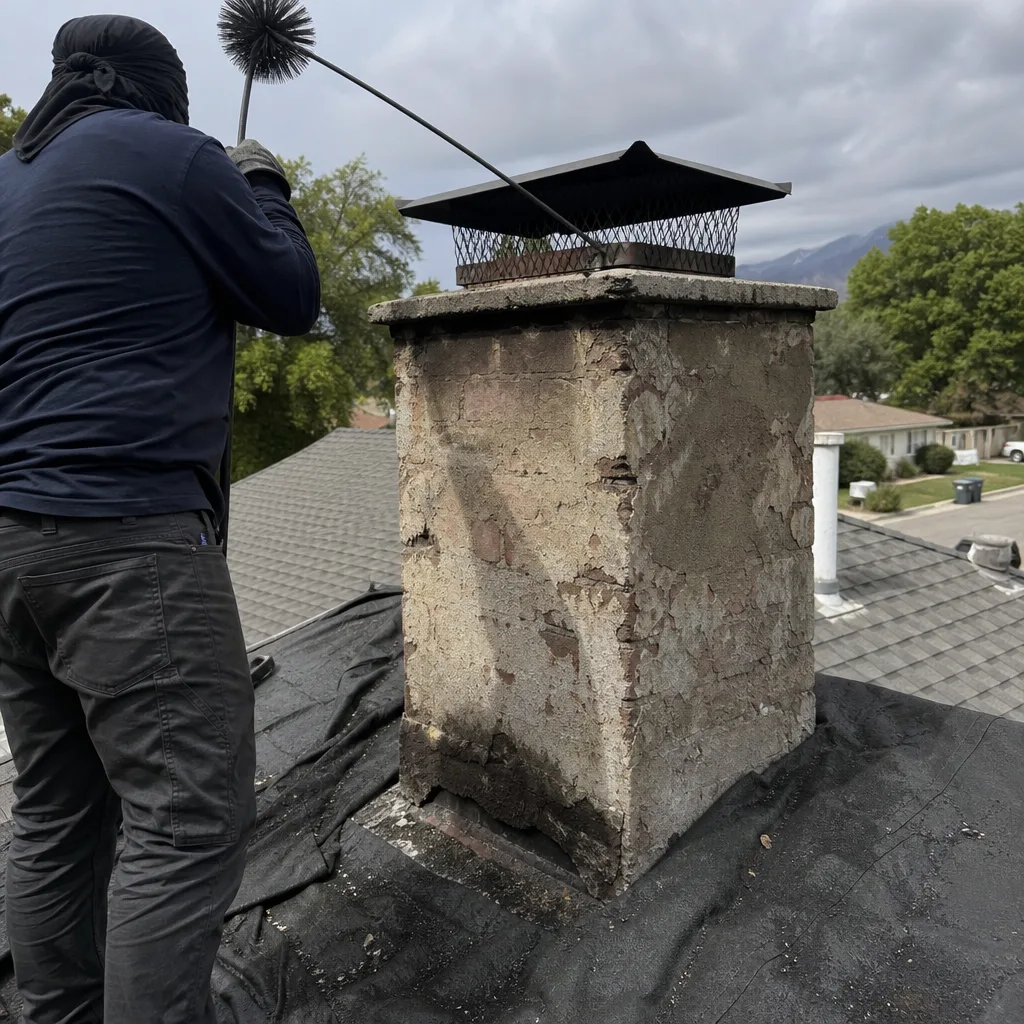 Before
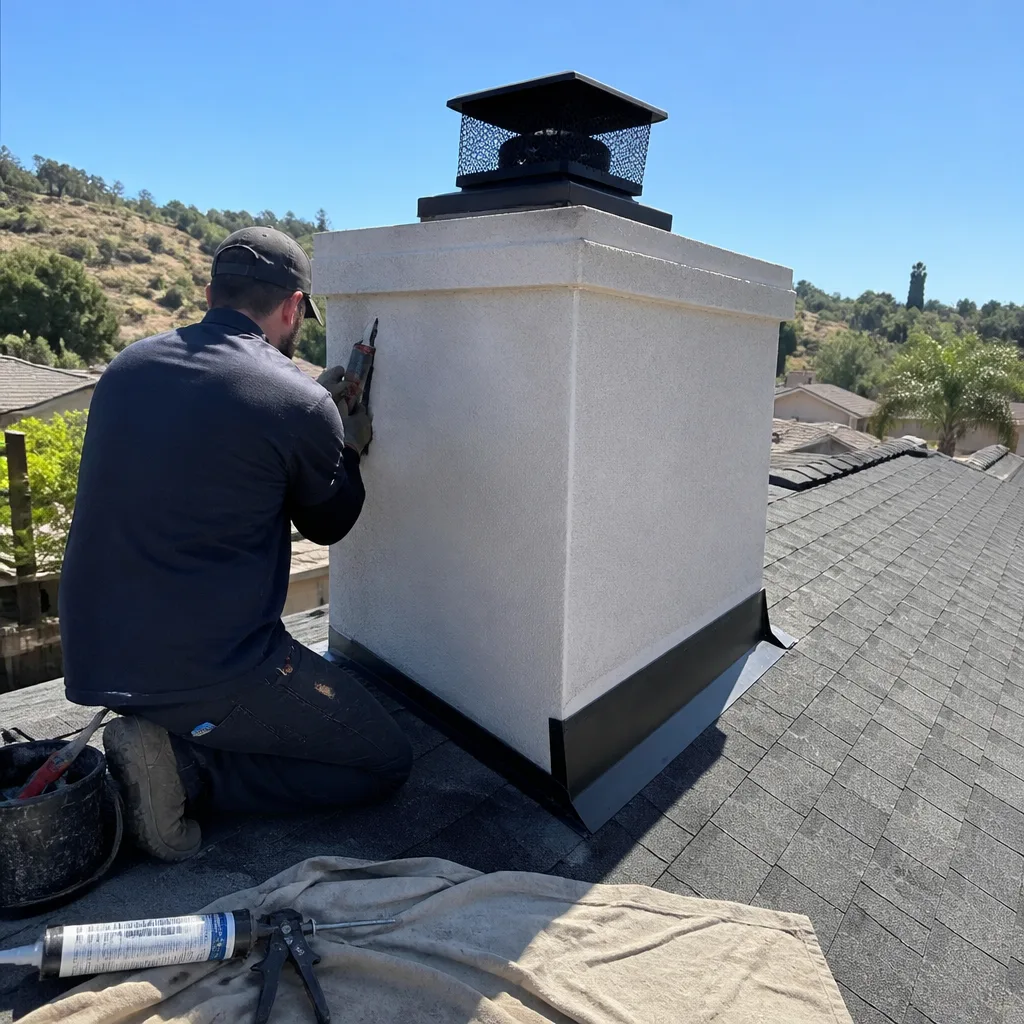 After
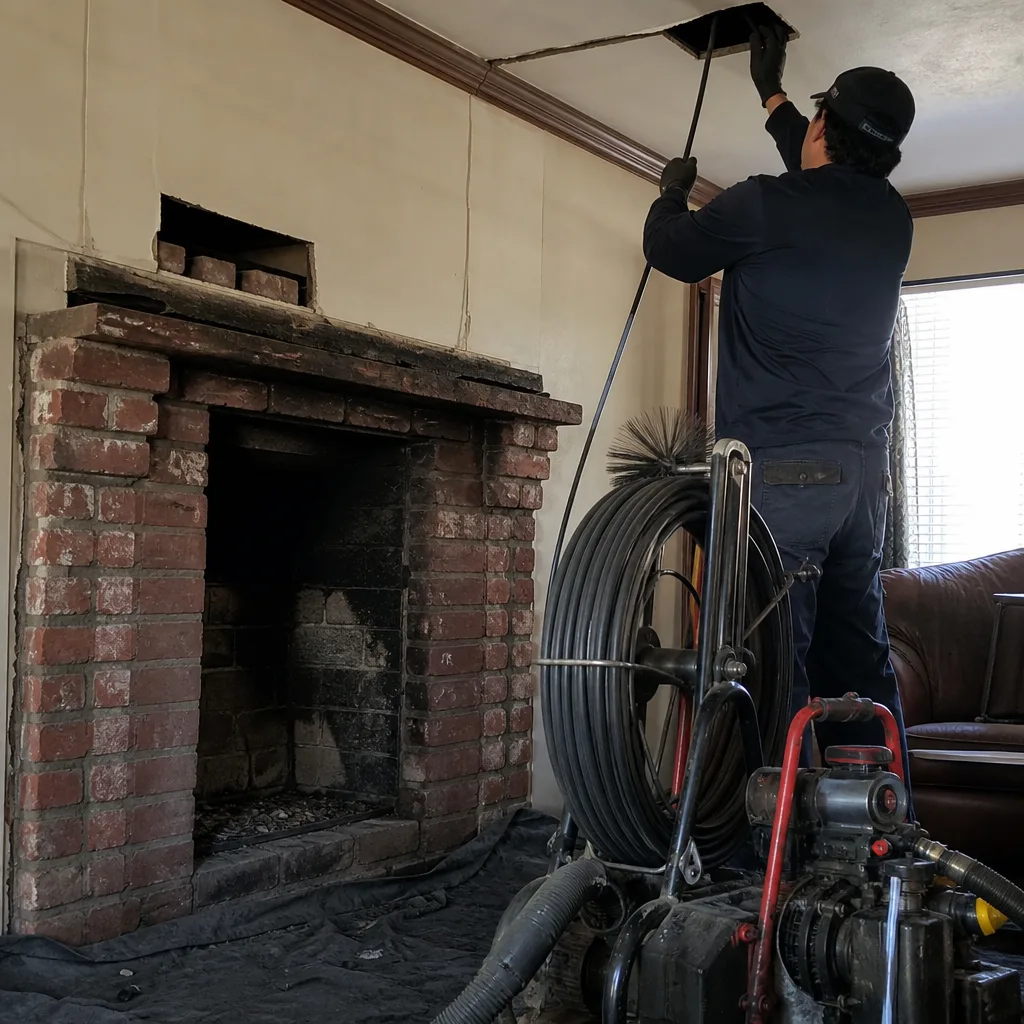 Before
 After
 Before
 After