Last updated October 30, 2026
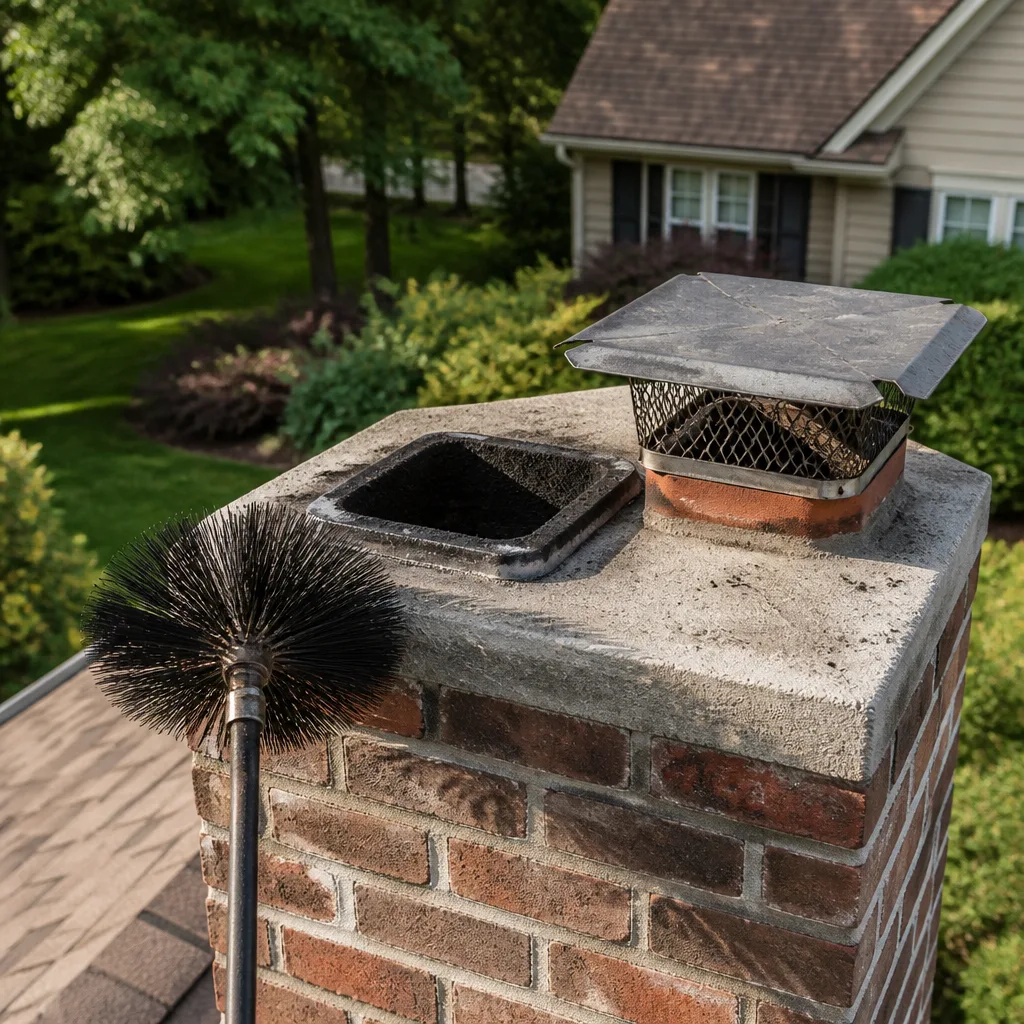 Sweep & inspection
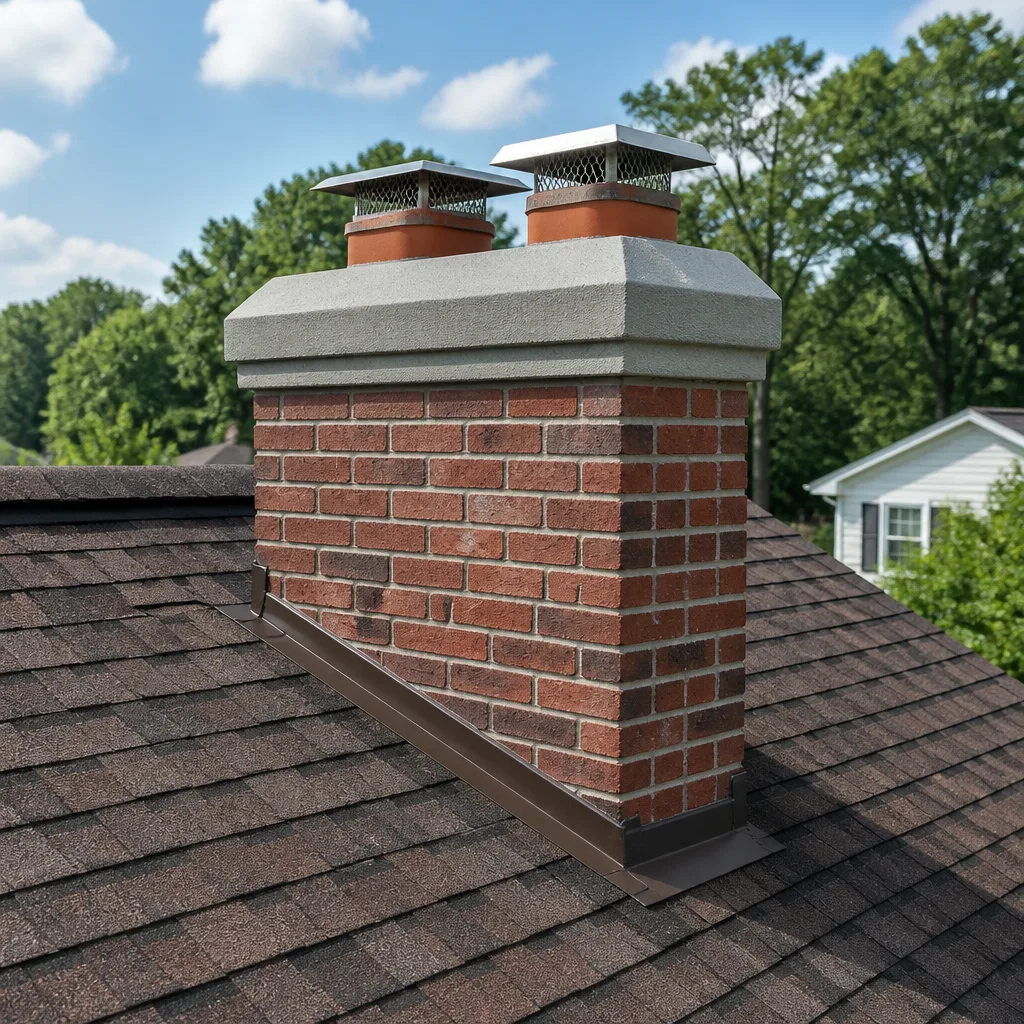 Caps & crowns
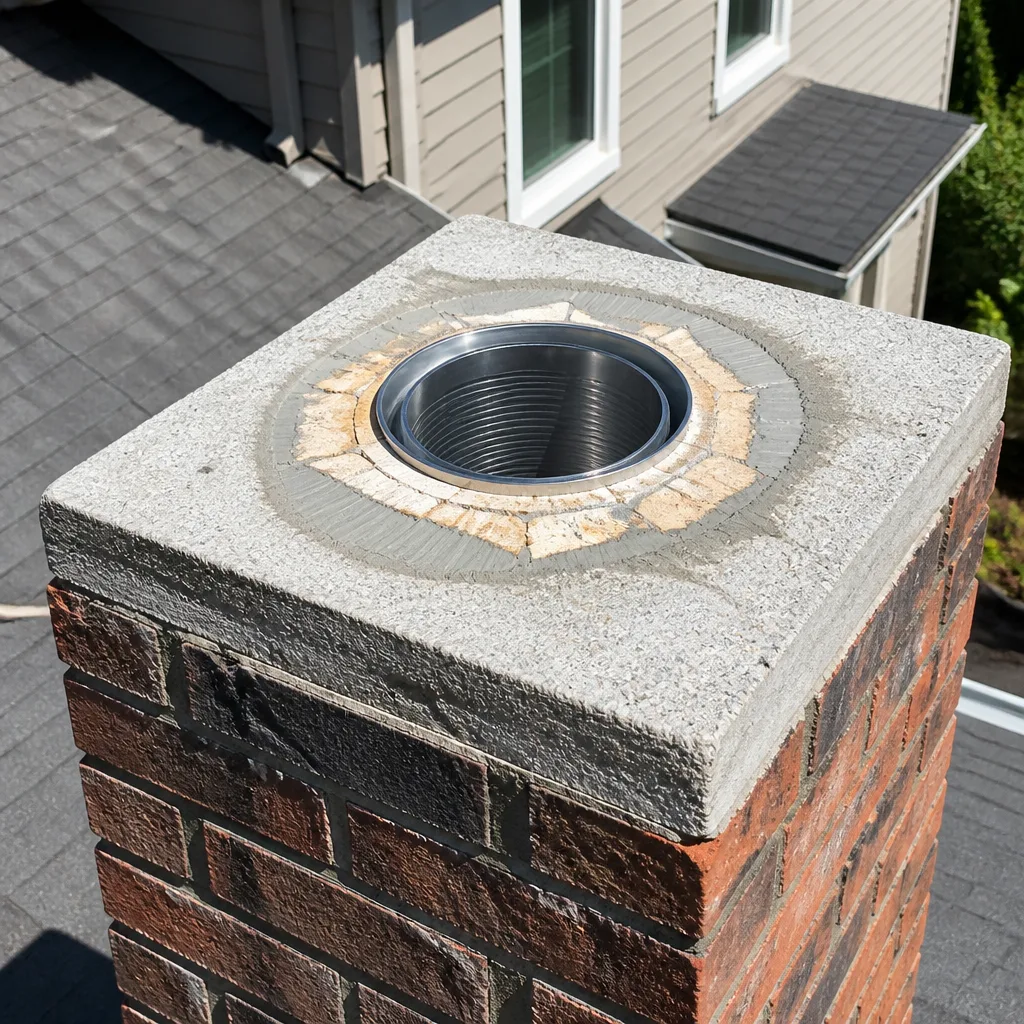 Flue relining
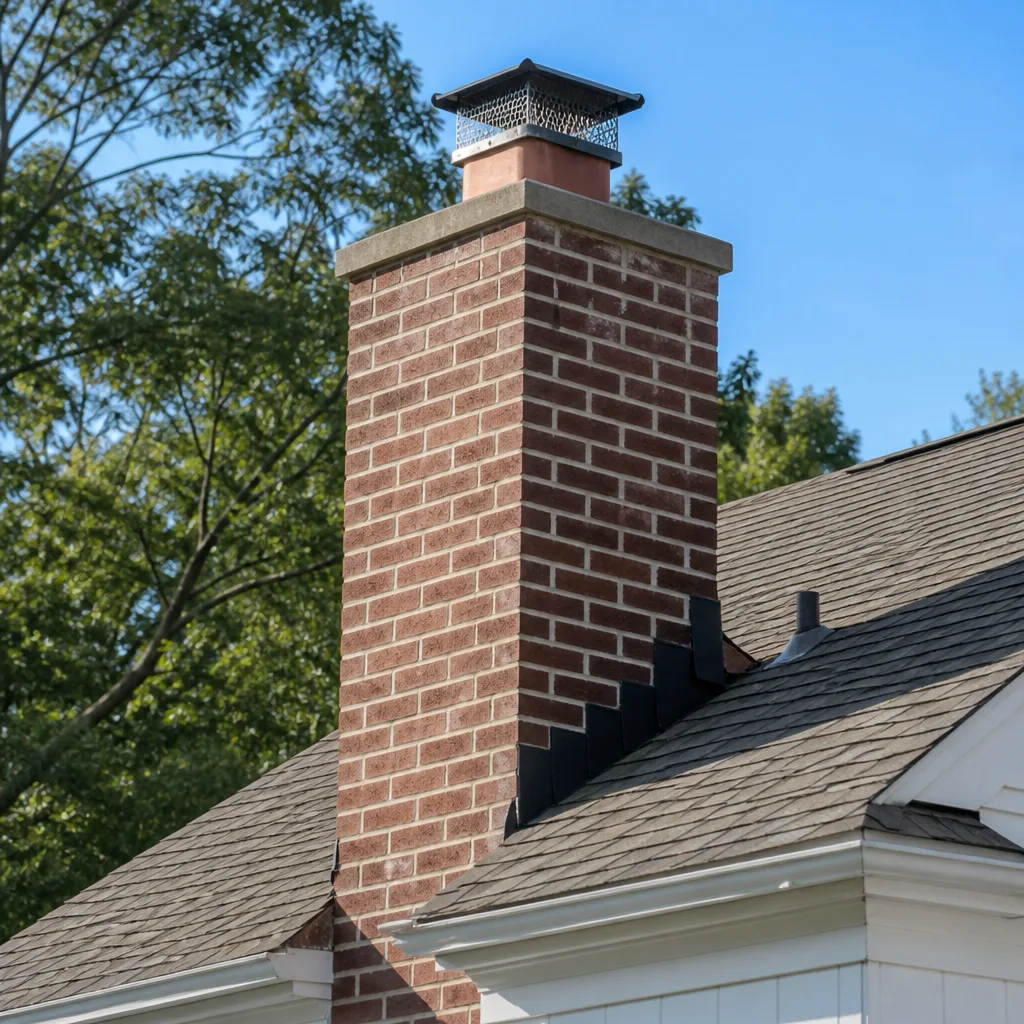 Masonry repair
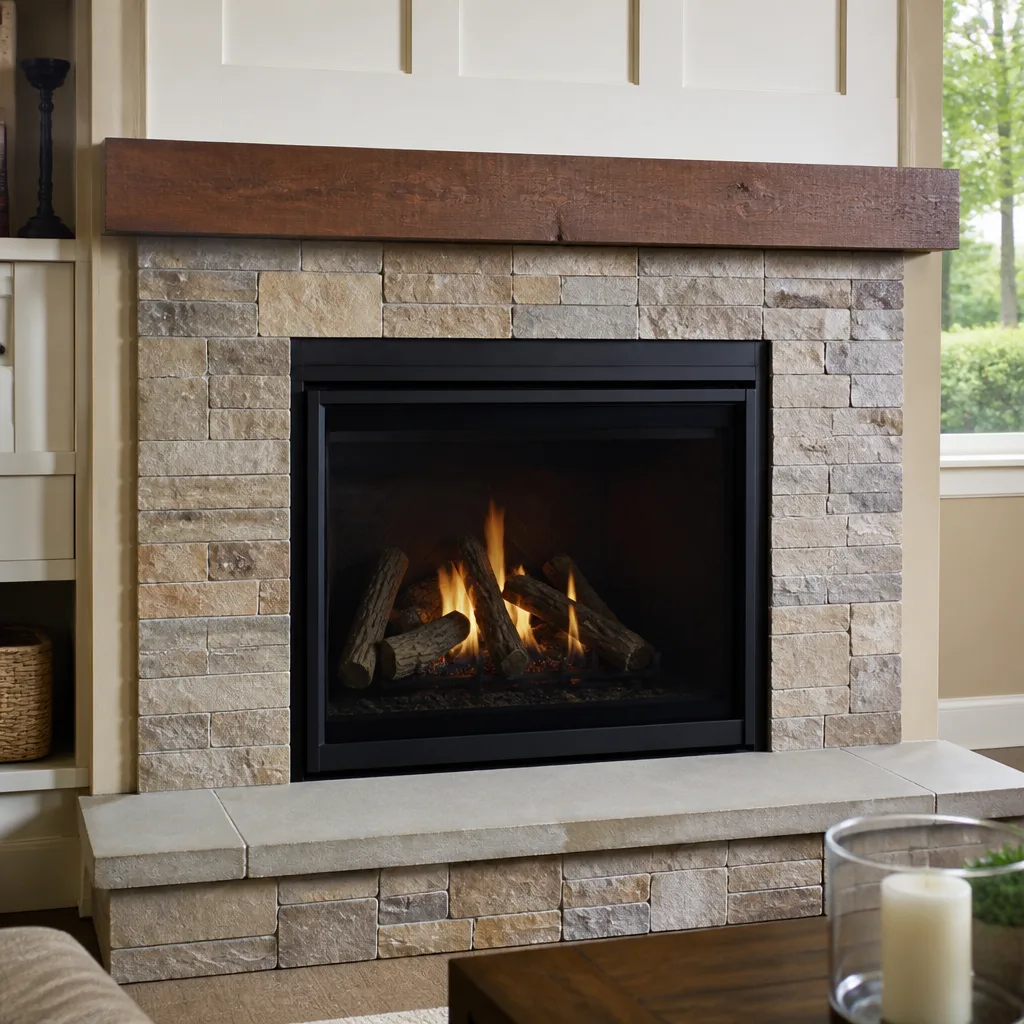 Gas fireplace service
Level 1 sweep and inspection to the NFPA 211 annual standard - flue, crown, cap, and flashing checked and photographed
Chimney sweep logs do not sweep chimneys. They loosen some creosote - which then falls where a brush and vacuum still have to collect it.
Chimney Cleaning Cost Breakdown: The San Bernardino Homeowner’s Reference for 2026
A $79 chimney sweep special and a $350 chimney cleaning appointment can both be called ‘chimney cleaning’ on an invoice. The difference is what gets inspected, what gets documented, and whether contractor-grade materials or dollar-store substitutes go into any repairs found during the visit. This guide decodes what the numbers actually represent in the San Bernardino market, so you can evaluate value instead of just comparing totals. By the end, you’ll know exactly what should be included at each price point, what regional factors push costs up or down in the Inland Empire, and how to read an estimate well enough to spot the difference between a thorough specialist and a discount operator with a truck and a brush.
Quick Answer
A standard chimney cleaning in San Bernardino costs between $129 and $289 in 2026, with most homeowners paying $189 to $249 for a full-service sweep that includes a Level 1 camera inspection and photo documentation. Discount sweeps below $99 almost always exclude inspection time, documentation, and the labor needed to properly evaluate the chimney’s condition. Repair findings during the sweep, such as a damaged liner or cracked crown, add anywhere from $300 to $4,000 depending on the severity and the materials specified in the estimate.
Styles & brands we work with
Table of Contents
- What a Full-Service Cleaning Appointment Actually Includes
- Why San Bernardino Prices Differ From the National Average
- What Repair Findings Typically Add to the Base Cleaning Cost
- How to Read an Estimate: Contractor-Grade Brands vs. Unspecified Generics
- The True Cost of Deferred Cleaning: What One Skipped Season Can Add
- Dryer Vent Cleaning: The Fire Risk You’re Already Living With
- Common Mistakes to Avoid
- When to Call a Professional
- Frequently Asked Questions
What a Full-Service Cleaning Appointment Actually Includes
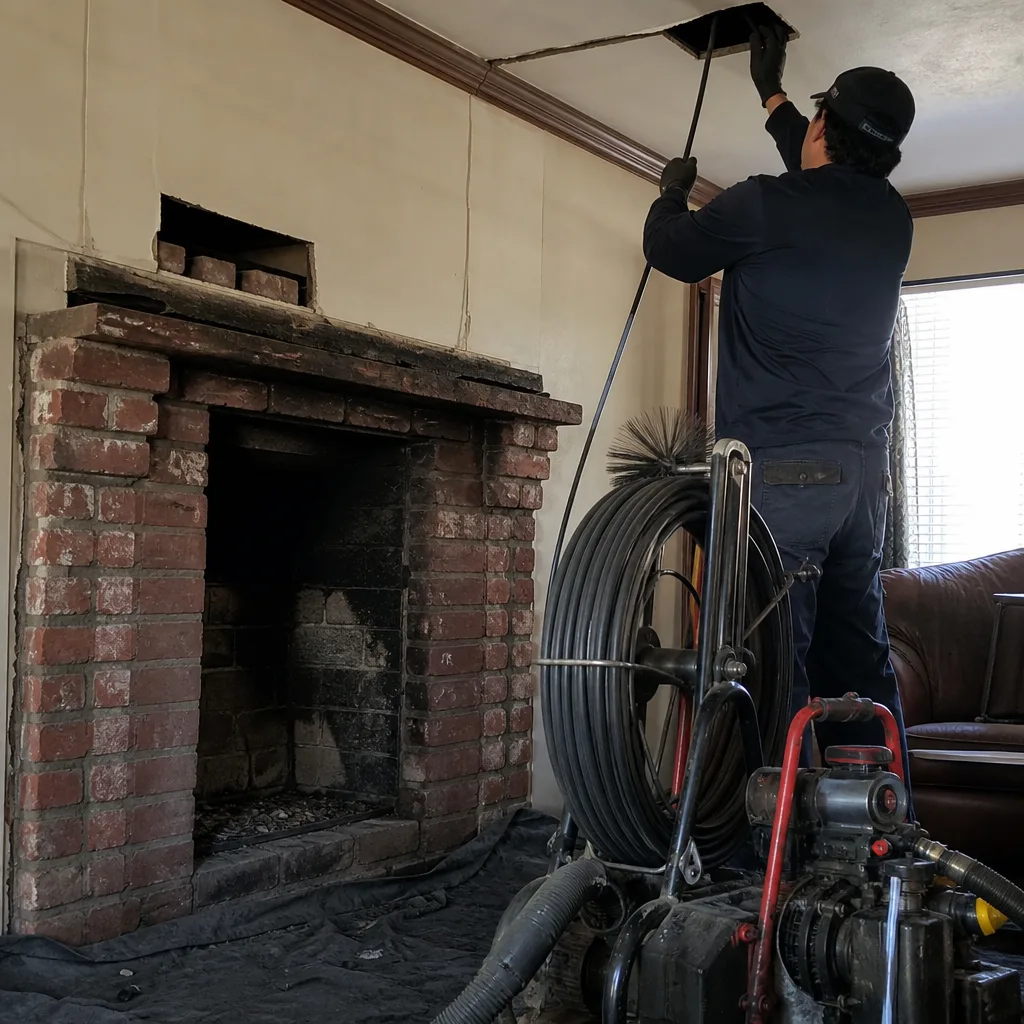
A full-service chimney sweep is a two-part job, and that’s the first thing to understand when comparing prices. The cleaning itself involves running brushes through the flue to remove creosote, but the inspection that accompanies it is where the real value sits. At the $129 to $289 tier in San Bernardino, you should expect a complete top-to-bottom cleaning of the chimney interior, a sweep of the smoke chamber and throat area, and a San Bernardino Chimney Sweep home service visit typically includes a Level 1 camera inspection of the flue liner with photo documentation showing exactly what was found. If a company is not documenting what they see with photographs, they’re not providing the evidence you need to evaluate repair recommendations.
Here’s the line-item breakdown of what a full-service appointment covers versus what a discount sweep skips:
- Flue cleaning with proper-sized brushes: Full-service operators size brushes to your specific flue dimensions. Discount sweeps often use a single universal brush that can miss creosote buildup along irregular surfaces.
- Smoke chamber and damper cleaning: Creosote accumulates heavily in the smoke chamber above the firebox. This area requires hand tools and patience, and many discount operators skip it entirely.
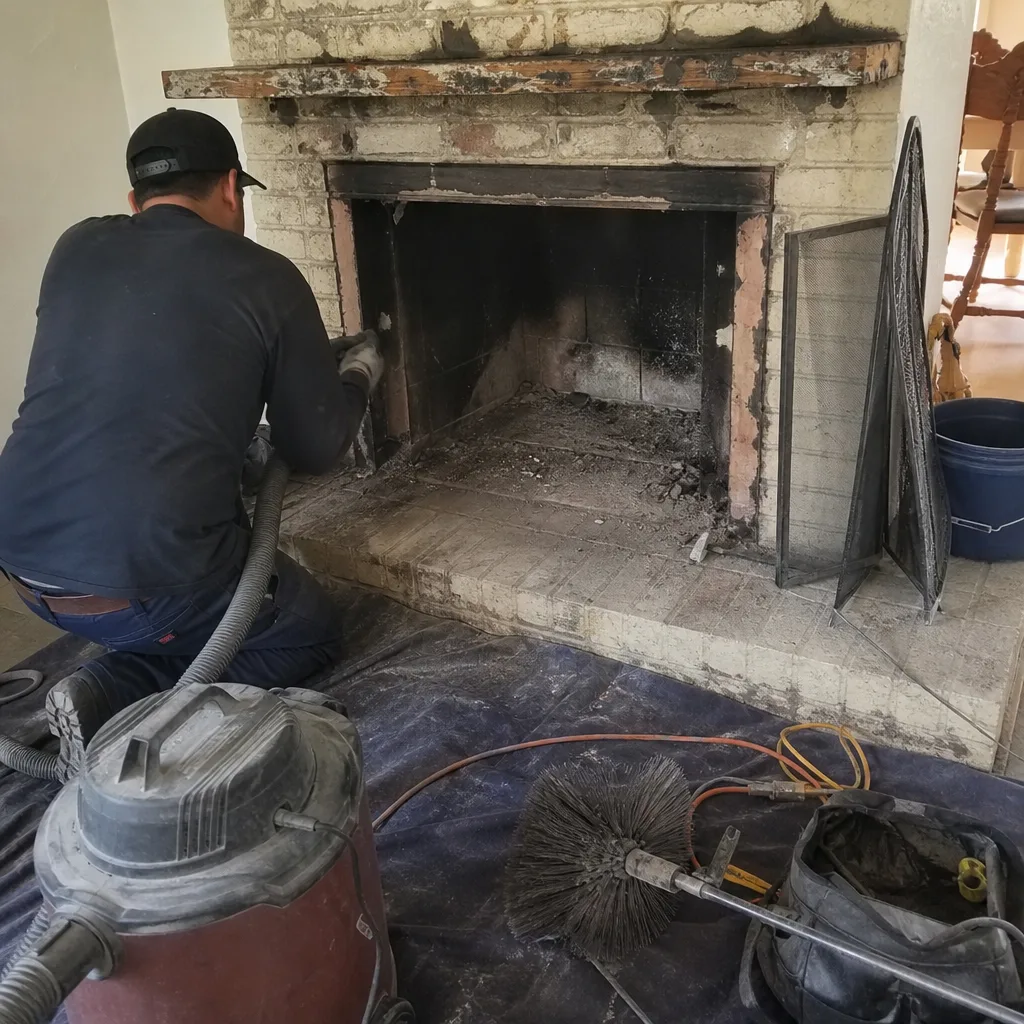
- Firebox cleaning and ash removal: Standard at any price point, but full-service appointments include disposing of the ash properly rather than leaving a bag on your driveway.
- Level 1 camera inspection: This is the single most valuable line item. A live-feed camera run through the flue identifies liner cracks, gaps, or deterioration that are invisible from the top or bottom with a flashlight.
- Photo and video documentation: You should receive photos showing the before and after condition of your chimney. This gives you proof the work was done and evidence for any repair recommendations.
- Written condition report: A simple summary of what was found, what was cleaned, and what should be monitored or addressed. Discount sweeps often skip written documentation entirely.
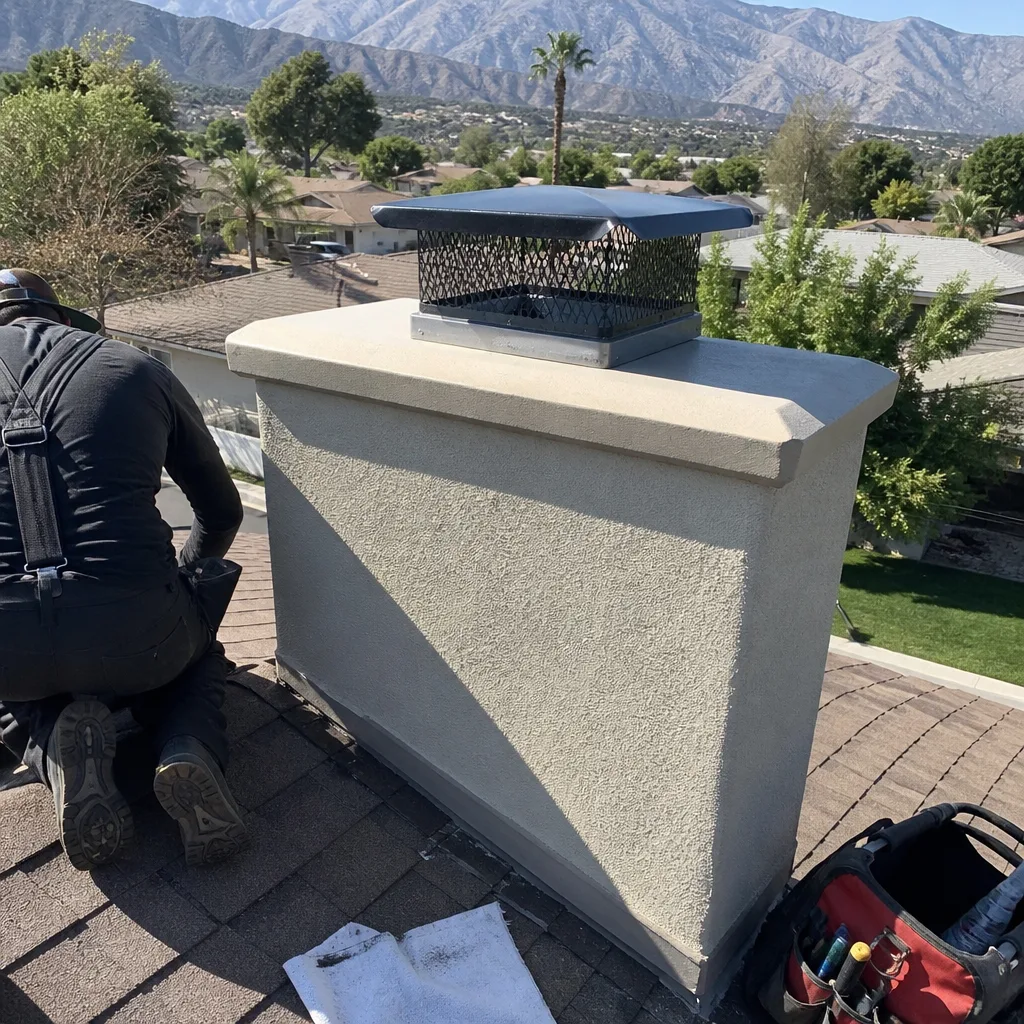
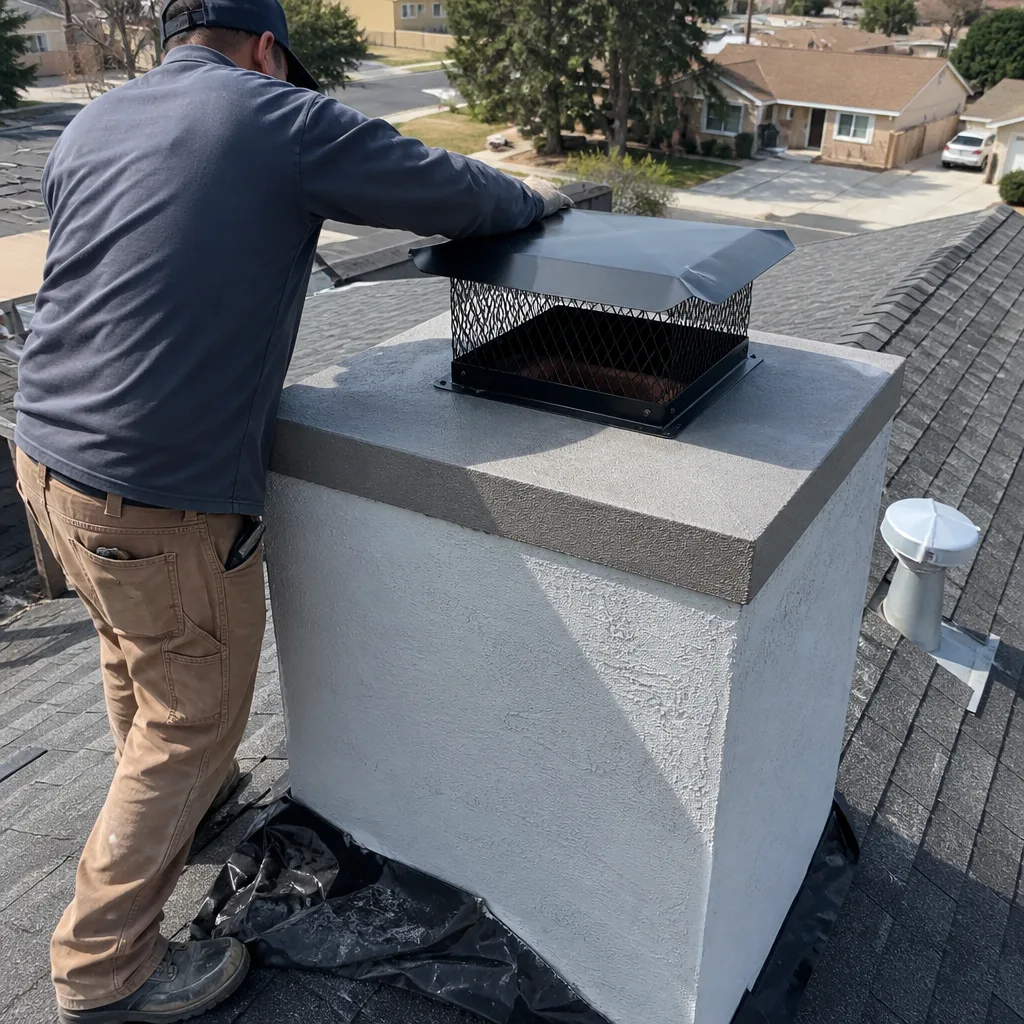
- Cap and crown visual check: A full-service sweep includes checking the chimney cap and crown from the rooftop. Many discount operators assess these only from ground level, which misses hairline cracking.
The labor difference is measurable. A thorough sweep of a single-flue chimney with a camera inspection takes 90 minutes to two hours. A discount sweep that skips inspection and documentation can be done in 30 to 45 minutes. That time difference is exactly what the price gap reflects, not greed on one side or a bargain on the other.
Why San Bernardino Prices Differ From the National Average
National pricing guides often list “average chimney cleaning cost” as a single number that ignores regional economics. San Bernardino sits in a specific market that shapes pricing in three distinct ways, and understanding them helps you interpret any estimate you receive.
Drive time from service hubs. Most chimney companies serving San Bernardino are based in Riverside, Ontario, or the high desert, not within city limits. A technician traveling 30 to 45 minutes each way to reach a San Bernardino home carries real fuel and labor costs that get spread across the appointment. This isn’t a surcharge, it’s arithmetic: a company scheduling three sweeps per day in one cluster can price differently than one driving between Perris and Redlands. When an estimate comes in higher than a national average, this is often the reason.
AQMD compliance and rooftop access realities. The South Coast Air Quality Management District governs emissions and air quality across the Inland Empire. While chimney sweeps themselves are not directly regulated as a source of emissions, the AQMD’s No-Burn Day program affects when San Bernardino residents can legally use their fireplaces. A full-service cleaner should be educated about these restrictions and factor them into their advice about burn season timing. Technicians also have to navigate rooftops that have been sun-baked for years. San Bernardino’s hot, dry summers break down mortar, crack crowns, and loosen caps faster than coastal climates. That means more visual deterioration is often present, and a good sweep will document it thoroughly because it matters for your safety even if it doesn’t need immediate repair.
Permit requirements for major repairs. The City of San Bernardino generally does not require a permit for routine chimney sweeping or minor cap replacement. However, liner replacement, crown rebuilds, and masonry reconstruction often trigger permit requirements depending on the scope. If an estimate includes a line item for permits, that’s a sign the company is following the rules. If a company tells you a liner replacement needs no permit and the scope is substantial, that’s worth questioning with the city’s building department directly.
What Repair Findings Typically Add to the Base Cleaning Cost
This is where sweeping stops being a routine expense and becomes a decision point. Repair findings during a sweep are common in San Bernardino because the climate is hard on masonry and metal components. Here are the most frequent findings and realistic price ranges when they need attention.
- Chimney cap replacement: $150 to $450 installed. Caps rust out in the Inland Empire’s dry heat and occasional heavy rain. A replacement cap is the cheapest repair you’ll ever make on a chimney, and skipping it lets rain into your flue where it accelerates liner deterioration.
- Crown sealing or minor crown repair: $250 to $700. Hairline cracks in the concrete crown at the top of the chimney let water seep into the brick structure. Sealing these cracks with a flexible crown sealer before freeze-thaw cycles widen them is prevention, not luxury.
- Damper replacement: $200 to $500. A damper that won’t close properly lets heated air escape up the flue in winter and lets cool air in during summer. Replacement is straightforward in most homes.
- Flue liner repair or resurfacing: $1,800 to $4,800 depending on the method. If the liner has cracks or gaps too extensive for spot repair, resurfacing with HeatShield, a product-backed ceramic coating system, can restore integrity without full liner removal. This preserves the existing structure and costs less than replacement.
- Full liner replacement: $3,000 to $7,500. When the existing liner is beyond resurfacing, a flexible stainless steel liner system like those from DuraFlex can be installed without demolishing the chimney. This is a significant job, but it’s also the definitive fix for a compromised flue.
- Masonry repair: $500 to $3,000 for repointing or small rebuilds. Missing mortar between bricks is a structural issue, not cosmetic. San Bernardino’s wide temperature swings put constant stress on chimney masonry.
Here’s the thing we’ve seen repeatedly: homeowners who get their chimney swept every year tend to catch these problems at the cap-replacement stage. Homeowners who go three or four years between cleanings discover the liner should have been addressed two seasons ago. The price difference between fixing a small problem early and fixing a large problem late is usually measured in thousands, not hundreds.
How to Read an Estimate: Contractor-Grade Brands vs. Unspecified Generics
Two estimates can list “liner repair” at the same price and describe completely different jobs. The difference sits in the materials line. Here’s how to decode an estimate the way a specialist would.
Look for named materials. A professional estimate specifies what’s going into your chimney. If liner repair calls for HeatShield, that’s a specific ceramic-based resurfacing product with documented testing and a manufacturer’s name behind it. If a relining project specifies DuraFlex or a comparable UL-listed stainless steel system, you know the material has passed safety testing. If the line item simply says “liner repair” or “stainless liner” with no manufacturer named, you’re trusting the company’s word that the material is appropriate. Some companies use quality no-name products. Others use whatever was cheapest at the supply warehouse. The point is you can’t tell, and that uncertainty is itself a problem.
Ask about the supply chain. Companies that work with professional chimney supply brands such as Gelco, Olympia Chimney, Famco, and Copperfield are buying from distributors that serve the chimney trade specifically. These aren’t materials you can walk into a hardware store and buy. That matters because chimney components need to meet specific clearance and temperature ratings. Hardware-store substitutes frequently don’t. When a company specifies contractor-grade materials, they’re telling you the part was engineered for the job it’s doing, not adapted from something else.
Question vague line items. “Miscellaneous labor,” “as needed repairs,” and “additional materials” are red flags when they appear without a defined scope. A professional estimate breaks the job into components. If a line item is open-ended, ask what it’s for before you sign.
Compare inspection documentation. The best estimates come after a camera inspection, not before. If a company wants to quote a liner repair without first showing you camera footage of the damage, they’re asking you to make a buying decision on trust. Chimney Repair in Rubidoux work, when done correctly, always starts with documented evidence of what’s wrong. The estimate should reference what the camera found.
The True Cost of Deferred Cleaning: What One Skipped Season Can Add
Let’s put numbers on what “I’ll get to it next year” actually costs. This is not scare-selling. These are the documented wear patterns we’ve seen after one additional season of deferred maintenance in the San Bernardino climate.
Creosote is the residue that builds up when wood smoke cools and condenses inside the flue. It’s combustible, and the more it builds, the hotter and more dangerous any chimney fire becomes. Here’s the progression we typically see:
- Season one, no cleaning: Creosote buildup moves from light flake to a thicker, tar-like glaze in the upper flue. A normal fire produces enough heat to ignite this material if the buildup is concentrated in one area. The risk of a chimney fire moves from negligible to measurable.
- Season two, no cleaning: The glaze thickens. The flue diameter effectively narrows, which reduces draft. Smoke begins entering the home when the fire starts or burns low. The homeowner has now experienced a noticeable performance problem that will only get worse.
- Season three, no cleaning: Creosote in the flue is now thick enough that a hot fire has a realistic chance of igniting it. A chimney fire burns at temperatures that can crack flue tiles, warp metal liners, and push flame into the smoke chamber. If the homeowner is lucky, they hear a roar from the chimney and the fire burns itself out. The damage is already done.
The repair cost after a chimney fire typically starts at $2,000 and climbs quickly. Cracked flue tiles mean liner work. Warped caps mean replacement. A chimney that would have cost $189 to clean now needs $4,000 in repairs. That’s the actual cost of deferring one season too long. It’s not hypothetical. We’ve quoted these repairs for homes across the Inland Empire, and the pattern repeats with painful consistency.
The same logic applies to dryer vents. Lint builds in the vent line regardless of how clean the lint trap is kept. A clogged dryer vent forces the dryer to work harder, which wastes energy and creates a fire risk from the dryer’s own heating element. Dryer Vent Cleaning in Rubidoux service typically costs between $99 and $189 for a single-family home, and the alternative is waiting until you smell something burning behind the dryer. By then, you’re paying for a repair call on top of the vent cleaning you should have scheduled months earlier.
Dryer Vent Cleaning: The Fire Risk You’re Already Living With
Most San Bernardino homeowners don’t think about their dryer vent until the dryer stops drying. That’s the wrong time. Lint accumulation inside the vent line is one of the leading causes of residential structure fires in the United States, and it builds in every home with a dryer regardless of how religiously the lint trap is cleaned. The lint trap catches maybe 60% of what your dryer produces. The rest moves through the vent line and deposits along the walls of the pipe, especially at bends and where the line exits the building.
A standard dryer vent cleaning for a San Bernardino home costs $99 to $189 when the vent run is short and accessible, typically 15 feet or less with a direct exit through a wall or roof. Homes with longer runs, upper-floor dryers, or vents that exit through the roof instead of a wall run $150 to $250 because the technician needs roof access and specialized tools to clear the line from both ends. If your vent exits through the roof, as many San Bernardino homes do, the cleaning involves removing the vent cap, running a rotating brush through the line, and verifying airflow with a visual inspection and airflow meter.
The direct answer to the question “How often should a dryer vent be cleaned?” is every 12 months for a household that does regular laundry loads, and more often if you dry heavy items like comforters, towels, or pet bedding. The National Fire Protection Association does not publish a mandatory interval, but annual cleaning is the standard recommendation among fire safety professionals. If it’s been longer than a year since your vent was inspected, schedule a cleaning before the next laundry cycle, not after.
Common Mistakes to Avoid
- Comparing estimates by total price without reading line items. A $99 sweep that skips camera inspection and a $249 sweep that includes full documentation are not the same service. You’re comparing apples to a photograph of an apple. Read what’s included before comparing totals.
- Assuming a sweep includes repairs found during cleaning. Cleaning and repair are separate services with separate pricing. A sweep identifies problems. Repairing them is an additional conversation with its own estimate. Never assume one price covers everything.
- Using a general handyman for chimney work. A handyman can clean gutters and paint trim. Chimney systems involve fire safety, combustion gases, and structural masonry. This is a specialized trade, and the cost of getting it wrong is measured in property damage or worse.
- Waiting until fall to schedule a cleaning. Every chimney company in the Inland Empire gets slammed in October and November. Appointment availability tightens, some companies raise prices during peak season, and you’re competing with every other homeowner who waited. Scheduling in spring or summer means faster service and your pick of appointment times.
- Ignoring a chimney that “seems fine” because the fireplace was barely used. Creosote buildup is a function of use, but liner deterioration and masonry damage are functions of time and weather. A chimney that sat unused for five years in San Bernardino’s heat still needs inspection before you light the first fire of the season.
- Accepting repair recommendations without seeing photo evidence. If a company tells you the liner is cracked and needs $4,000 in work, they should be able to show you the crack on a camera screen. No photo, no authorization. It’s that simple.
- Forgetting the dryer vent when thinking about fire risk. Your chimney and your dryer vent both move hot air out of the house. Both accumulate combustible residue. Chimney sweeps get the attention, but dryer vents cause more residential fires per year in most jurisdictions.
When to Call a Professional
Call a chimney professional if you notice smoke entering the room when your fireplace burns, if you see dark staining above the firebox opening, or if you hear or smell animals inside the chimney. These are signs of draft failure, creosote buildup, or obstruction, and none of them resolve themselves. Call if your chimney is more than two seasons past its last cleaning, if you just bought a home with a fireplace that hasn’t been inspected, or if your dryer takes two cycles to dry a single load. These are the thresholds where professional attention is cheaper than the alternatives. San Bernardino Chimney Sweep offers free estimates in San Bernardino. Call (877) 516-7159 to schedule a cleaning or inspection.
Frequently Asked Questions
A standard chimney cleaning in San Bernardino costs $129 to $289 for a full-service sweep with camera inspection and documentation, with most homes falling in the $189 to $249 range. Call (877) 516-7159 for a firm quote, and ask what the price includes before booking.
Ask to see the camera footage. A legitimate liner repair recommendation is backed by visible evidence: cracks, gaps, or deterioration you can see on screen with your own eyes. If the company can’t show you the damage, get a second opinion. If they can, the liner is the single most important safety component in your chimney system, and it’s not the place to cut corners.
Once per year for a fireplace you use regularly, even if the schedule drifts slightly. The National Fire Protection Association recommends annual inspection at minimum, and cleaning should follow based on creosote accumulation. Homes that burn unseasoned wood or use the fireplace daily during winter months may need mid-season attention. Call (877) 516-7159 to ask about your specific usage pattern.
Creosote accumulates, the flue narrows, draft weakens, and your risk of a chimney fire climbs each season you defer. A chimney fire can crack flue tiles and warp metal components, turning a $200 cleaning into a $4,000 repair. The numbers make the case. Call (877) 516-7159 and get it done before the next burn season, not during it.
It’s a real fire-prevention service backed by fire-safety data. Lint is highly combustible, and it accumulates inside every dryer vent regardless of how often you clean the lint trap. Annual dryer vent cleaning is recommended for households that do regular laundry. The Dryer Vent Cleaning in Rubidoux page has more detailed information.
Ask what’s included in the cleaning price, whether camera inspection and photo documentation are standard, what specific brands of materials they use for repairs, and whether the person doing the work is an employee or a subcontractor. A specialist answers these questions directly. If you’re comparing options, also ask about Chimney Sweep in Rubidoux service specifics and whether the same company handles Chimney Repair in Rubidoux so you don’t need two companies if problems are found.
The Bottom Line
San Bernardino homeowners should expect to pay $129 to $289 for a legitimate full-service chimney cleaning in 2026, with $189 to $249 being the realistic middle for a job that includes camera inspection and photo documentation. The cheaper the sweep, the more you need to read the fine print on what’s actually being done. The expensive surprises come later, when deferred maintenance turns a $200 prevention into a $4,000 correction. A specialist company that specifies contractor-grade materials, documents every finding with photos, and can repair what they find under one roof saves you money in the long run, even if their base price sits in the mid-to-upper range. The best time to schedule is now, before the fall rush and before another season of creosote, heat, and weather does its work on your chimney. Call (877) 516-7159 for a free estimate and ask what the price includes. The answer tells you everything you need to know.
Written by the team at San Bernardino Chimney Sweep, serving San Bernardino since 2018.
See the difference
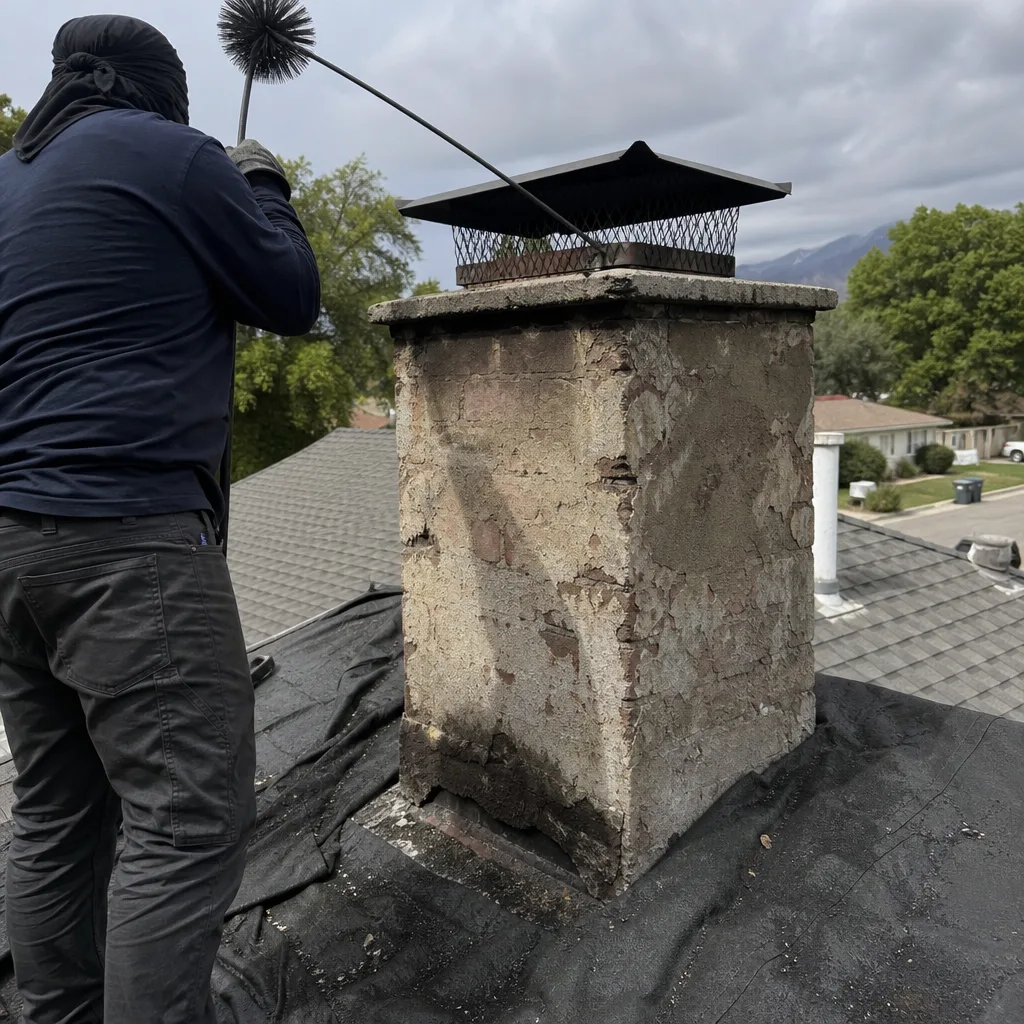 Before
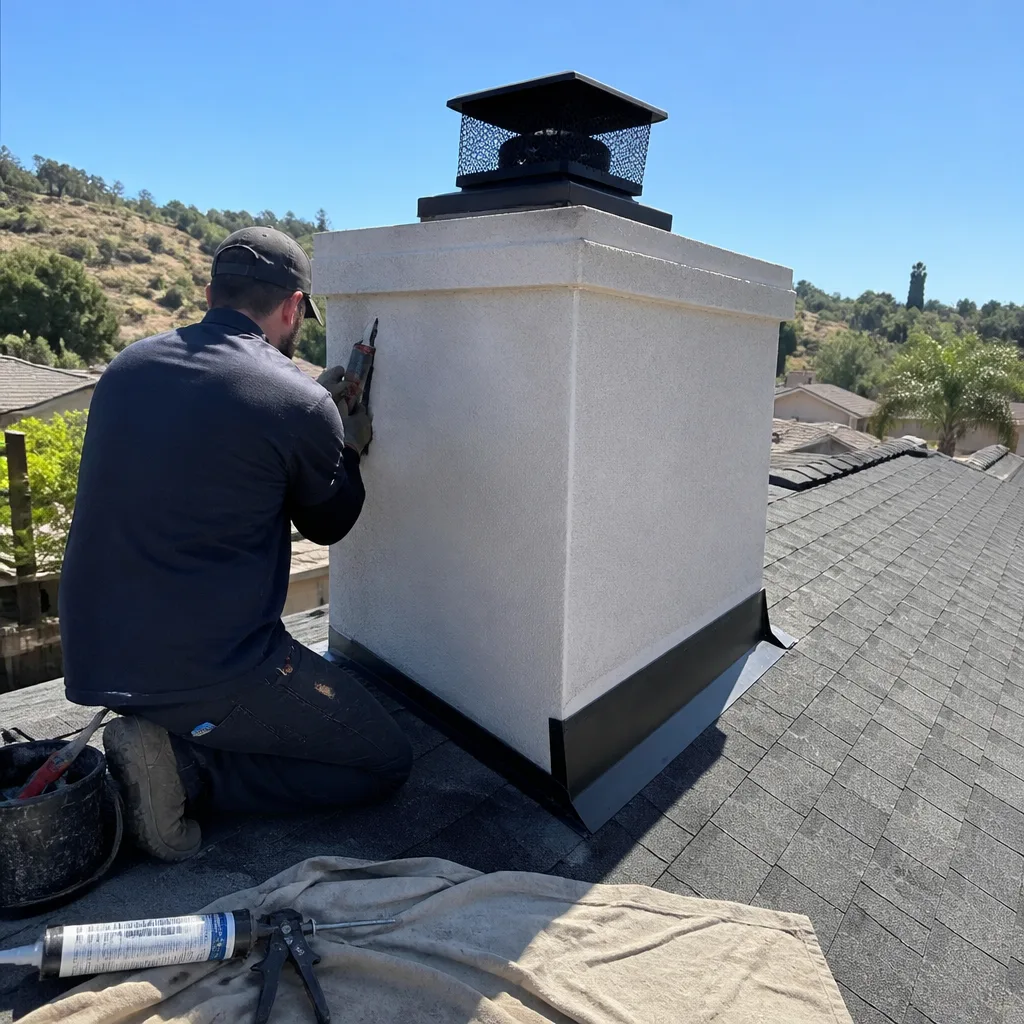 After
 Before
 After
 Before
 After