Last updated October 30, 2026
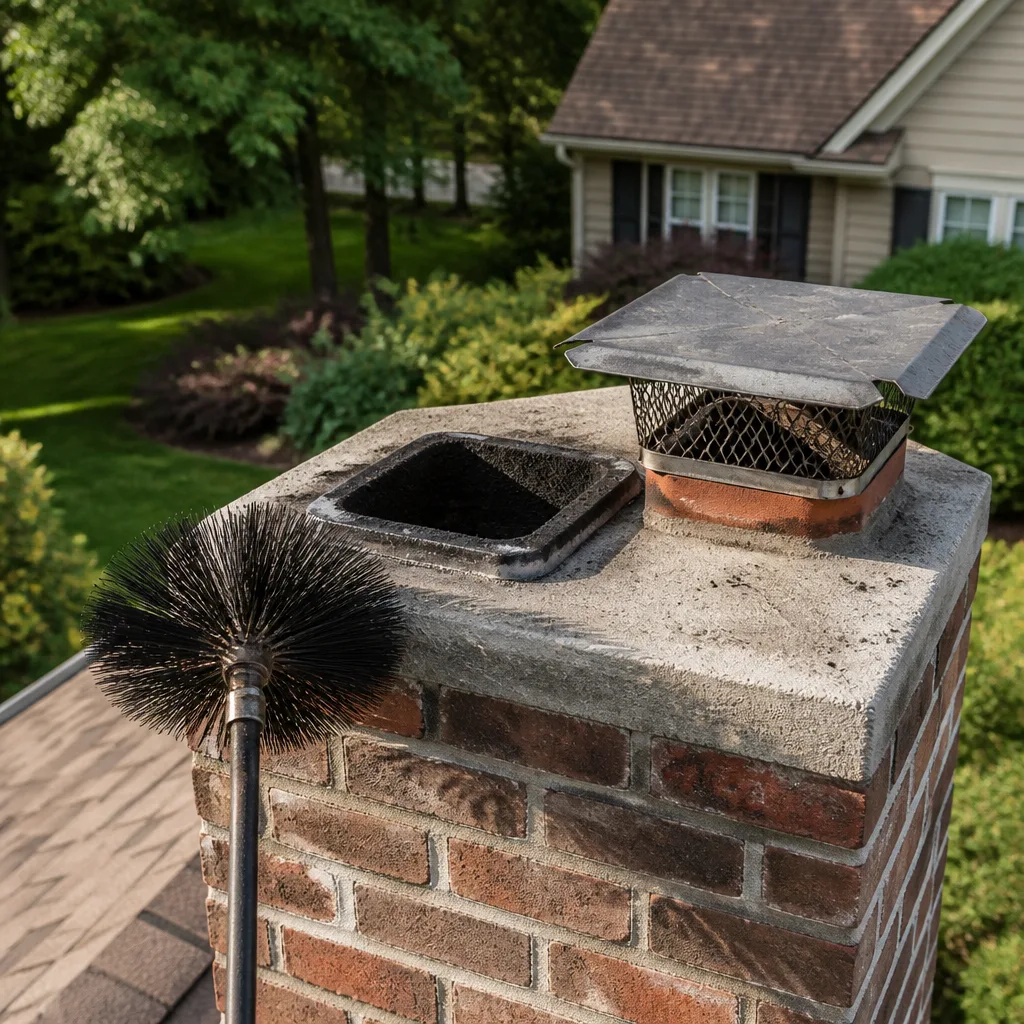 Sweep & inspection
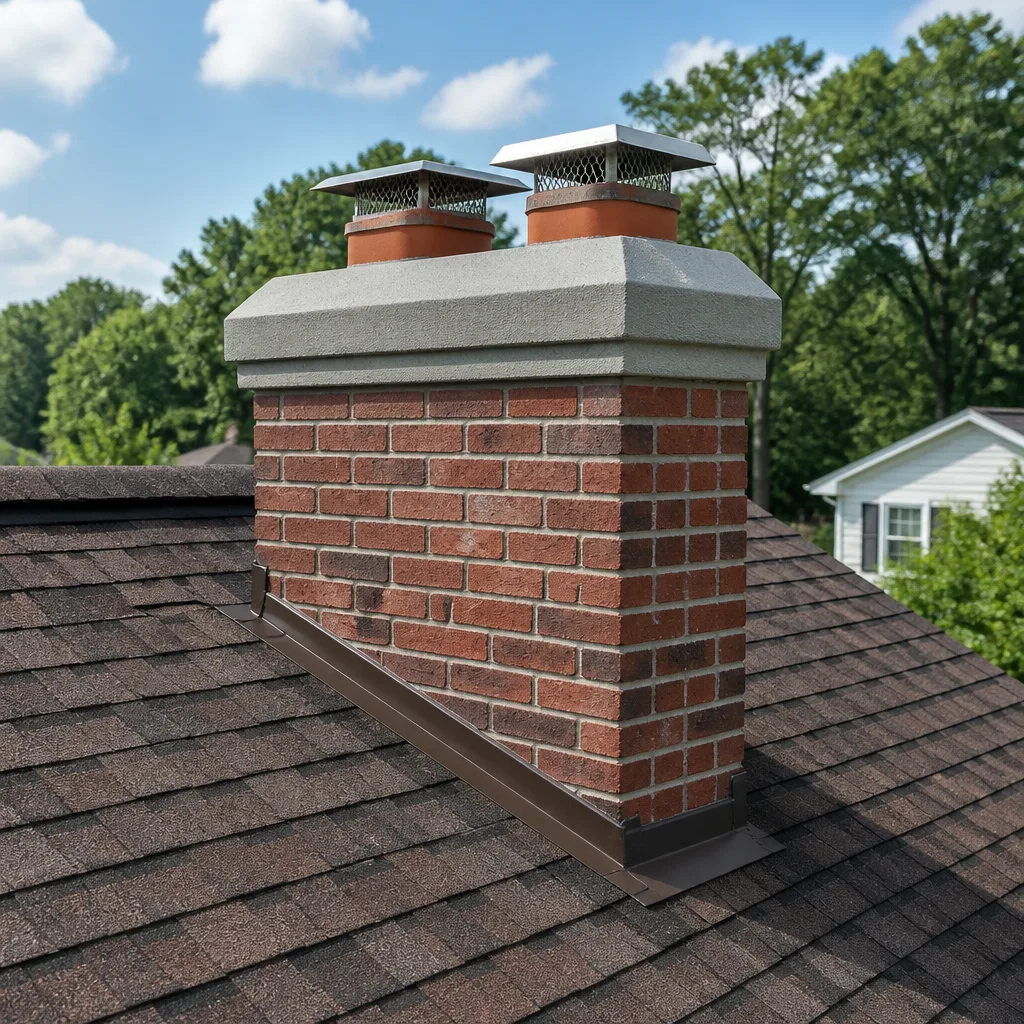 Caps & crowns
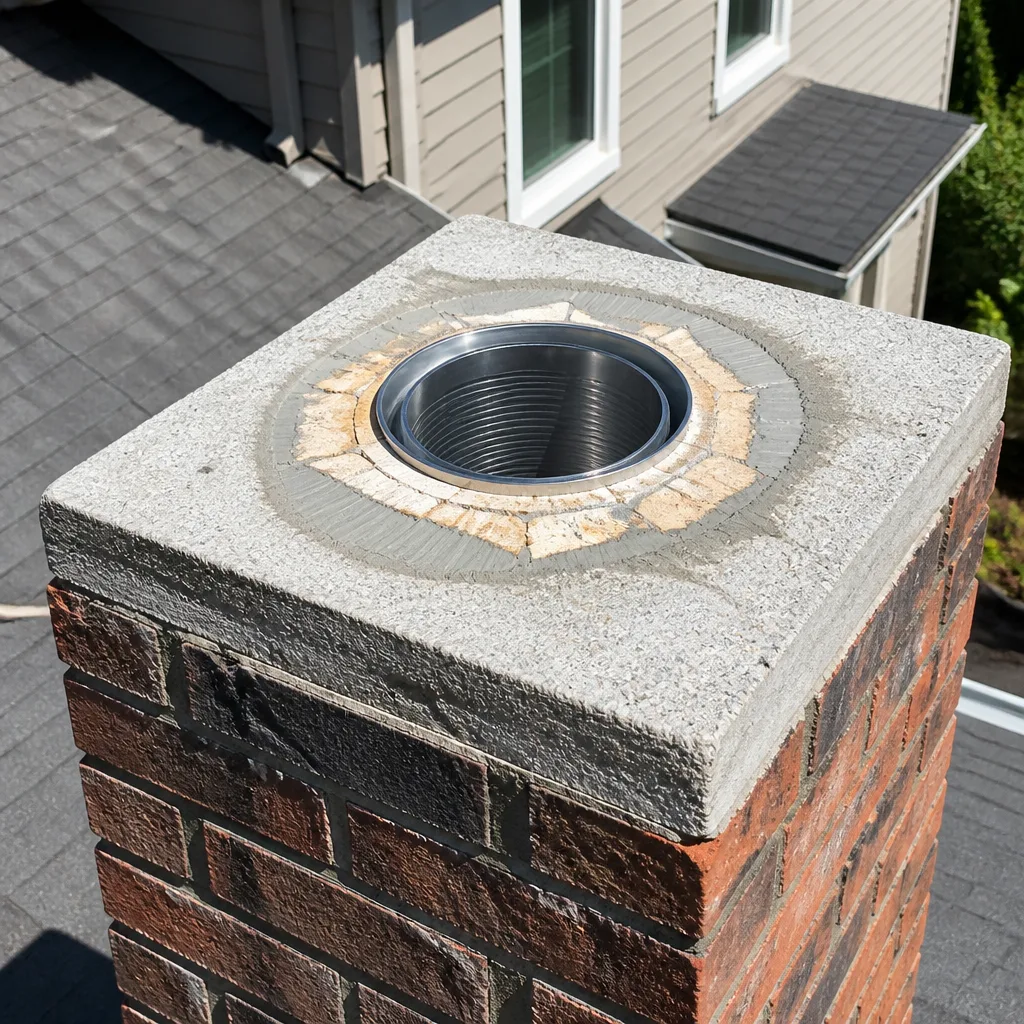 Flue relining
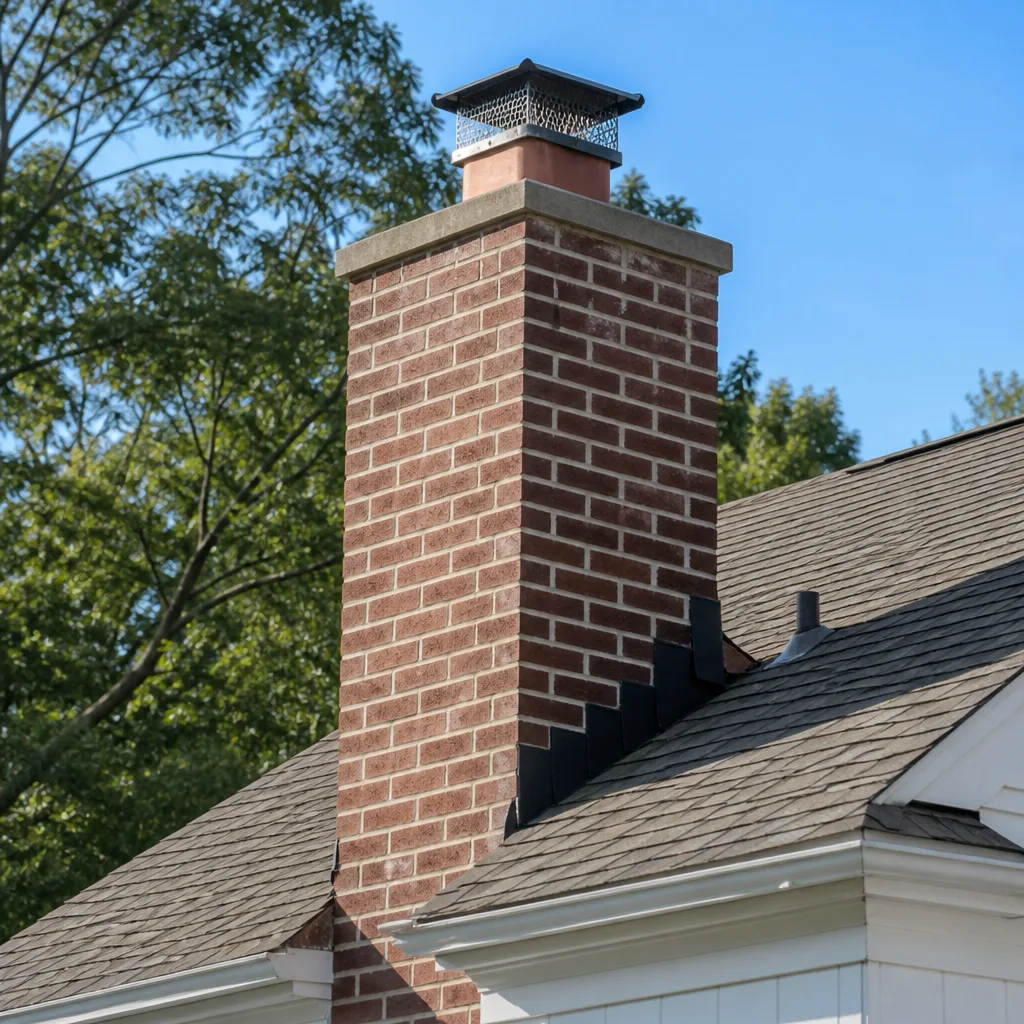 Masonry repair
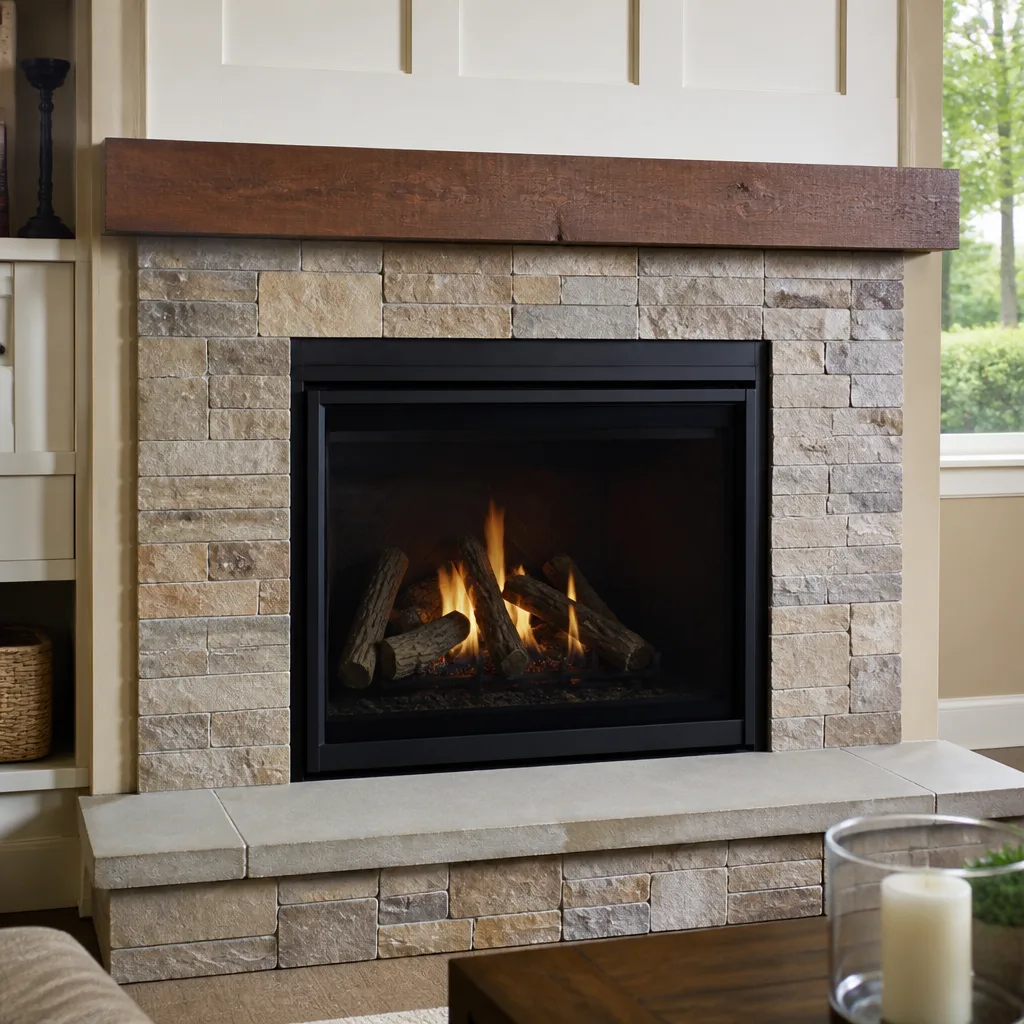 Gas fireplace service
Level 1 sweep and inspection to the NFPA 211 annual standard - flue, crown, cap, and flashing checked and photographed
Chimney sweep logs do not sweep chimneys. They loosen some creosote - which then falls where a brush and vacuum still have to collect it.
DIY vs Professional Chimney Cleaning: The San Bernardino Homeowner’s Decision Guide
You can clean creosote off your flue tiles with a brush kit from the hardware store. What you cannot do is assess whether those tiles are cracked, whether your smoke chamber has a void, or whether your liner has separated, and those are the things that cause chimney fires after a “clean” chimney. In San Bernardino, where mountain winds push cold air through the pass and winter fires burn for months at a stretch, that distinction matters more than most guides admit. This guide draws the line based on diagnostic capability, not just physical task difficulty.
Styles & brands we work with
Quick Answer
DIY chimney cleaning is safe for removing light creosote from an accessible flue you can see and reach, but it cannot replace a professional camera inspection because the most common fire hazards live in the smoke chamber and liner, areas a hardware-store brush never properly evaluates. For San Bernardino homeowners, the pragmatic approach is DIY maintenance between professional visits, not instead of them.
Table of Contents
- What DIY Can Realistically Cover
- What DIY Cannot See: The Diagnostic Limit
- The Insurance Reality in California
- Cost Analysis: DIY Equipment vs Professional Service
- How to Use DIY Between Professional Visits
- The Climate Factor: What San Bernardino’s Weather Does to Chimneys
- Common Mistakes to Avoid
- When to Call a Professional
- Frequently Asked Questions
- The Bottom Line
What DIY Can Realistically Cover
There is a legitimate middle ground between “never touch your chimney” and “hire someone for everything.” A homeowner in San Bernardino can handle three maintenance tasks without special training or equipment, provided they approach them with the right expectations.
1. Cap and screen clearing
If you have a chimney cap with a spark arrestor screen, you can inspect it from the ground with binoculars or from a ladder if the roof pitch is walkable. Leaves, pine needles, and the occasional bird nest collect against screens in San Bernardino’s foothill neighborhoods. A clogged screen restricts draft and pushes smoke back into the house. Clearing visible debris from an accessible cap is a reasonable DIY task. Removing or replacing the cap itself is not, because a poorly fitted cap changes the draft characteristics of the entire system.
2. Firebox debris removal
The firebox is the area you can see and touch. Ash, spent embers, and small bits of unburned wood accumulate after every fire. Removing them with a metal ash shovel and bucket is housekeeping, not chimney work. Wait at least 72 hours after the last fire before removing ash, and always place ashes in a metal container with a lid, stored outside away from structures. San Bernardino’s dry air can keep embers viable longer than you would expect, and a surprising number of house fires start from ash cans placed against garage walls.
3. Visual crown inspection from ground level
Stand back from your house and look at the chimney crown, the concrete or mortar cap at the top. You are looking for obvious cracks wide enough to catch a fingernail, spalling (chunks of concrete missing), or vegetation growing from the masonry. These signs indicate water intrusion. You cannot repair a crown from the ground, but you can identify when it is time to call someone who can. This early-detection habit is genuinely useful in San Bernardino, where sparse rainfall means crown damage often goes unnoticed for years until water has quietly degraded the interior liner.
That is the practical end of the honest DIY list. Everything else, whether “how to clean a chimney with a brush kit” videos claim otherwise or not, sits on the other side of a diagnostic line most homeowners do not know exists.
What DIY Cannot See: The Diagnostic Limit
Here is the core problem with the DIY chimney cleaning debate as it is usually framed. The question is treated as “can you physically remove creosote from the flue?” The answer is often yes, with enough brush sections, elbow grease, and a willingness to climb on the roof. But that is the wrong question.
The right question is: can you evaluate the condition of the system while you are in there? And the answer is almost always no.
The smoke chamber is invisible from both ends
The smoke chamber is the tapered area above the firebox and below the flue liner. It is the part of the chimney where smoke makes its transition from firebox turbulence into the smooth vertical draft of the flue. In older San Bernardino homes, particularly those built before the 1980s, smoke chambers were often constructed with corbeled brick, meaning each layer stepped slightly inward. This construction method leaves gaps, ledges, and voids where creosote accumulates in pockets that a brush never touches.
A professional chimney sweep can evaluate the smoke chamber because they work with mirrors, lights, and in many cases a camera. More importantly, they know what they are looking at. A corbeled smoke chamber that has not been parged (coated smooth) is a legitimate fire hazard, and it is invisible to someone pushing a brush up and down the flue.
The liner is the thing you need to see
Flue liners fail in specific ways: cracked clay tiles from chimney fires or freeze-thaw cycles, separated tile joints from house settling or seismic movement, and corroded metal liners from moisture mixing with combustion gases. Each of these conditions creates a path for heat and embers to reach combustible framing.
Here is what matters for the DIY question: a brush removes surface creosote from a liner but cannot reveal whether that liner is structurally sound. A cracked clay tile takes a creosote coating on its outside surface, a coating the brush never touches. A separated tile joint lets creosote and heat into the space between tiles and masonry. These are the fires that start after a “clean” chimney. The flue looked clean because the brush cleared what you could see. The hazard was behind or between surfaces you could not see.
This is why we use camera inspection on every sweep, not because the brushing itself requires it, but because cleaning a flue you cannot properly inspect is only half the job. If the inspection turns up liner damage, the repair capability matters. We repair what we find, which means a homeowner does not need to take a camera report to a second company and start the quoting process over. Our service page for Chimney Repair in Rubidoux explains the repair approaches we work with, including HeatShield resurfacing for liners that do not require full replacement.
The Insurance Reality in California
This is the section most DIY chimney cleaning guides skip, and it is the most consequential for San Bernardino homeowners.
California homeowner’s insurance companies have become aggressive about chimney fire claims. When you file a claim for a chimney fire, or for any fire investigators trace to the chimney, the adjuster will ask for documentation. Specifically, they will ask whether the chimney was professionally cleaned and inspected, and they will ask for records.
If your answer is “I clean it myself,” you are now in a position of proving that your DIY maintenance met the standard of care the policy implies. That is hard to prove. A professional sweep produces a dated invoice and, in our case, a camera report showing the system’s condition before and after. That documentation matters.
This is not a theoretical concern. California has specific building code requirements for chimney installation and repair, and insurance claims after chimney fires routinely turn on whether the homeowner can demonstrate proper maintenance. In a market like San Bernardino, where many homes feature decades-old masonry chimneys, insurance scrutiny is real. A sweep that produces a paper trail is a risk management tool, not just a cleaning service.
The practical takeaway: if you do choose to perform some DIY maintenance, keep a log. Write down dates, what you did, what you observed. It is better than nothing. But understand that a handwritten log does not carry the same weight as a professional inspection record, and in a contested claim, that difference can be worth thousands of dollars.
Cost Analysis: DIY Equipment vs Professional Service
Let us run the numbers honestly, because the DIY case is usually built on cost savings. In the Inland Empire, a professional chimney sweep typically runs between $180 and $340 depending on system size, condition, and whether the inspection includes camera work. For a detailed breakdown, see our Chimney Cleaning Cost Breakdown: The San Bernardino Homeowner’s Reference for 2026. That price generally includes the sweep, a visual or camera inspection, and a summary of system condition.
A DIY brush kit costs between $40 and $120, depending on whether you get polypropylene or metal bristles and how many rod sections the flue height requires. Here is what the full DIY picture looks like once you add everything a real cleaning requires:
- Brush kit with rods: $40 – $120 for a basic setup, more if you need extra rod sections for a two-story San Bernardino home
- Ladder: Most homeowners do not have a ladder tall enough to safely access a second-story roof. A suitable extension ladder costs $150 – $400 plus storage.
- Drop cloths and cleanup supplies: $15 – $30. Creosote dust is fine, black, and travels. It will find your carpet if you do not seal the firebox properly.
- Respiratory protection: $20 – $45 for an N95 or better mask. Creosote is a skin and respiratory irritant, and you do not want it in your lungs.
- Eye protection and gloves: $15 – $25
- Time: A first-time DIY chimney cleaning takes 3 – 5 hours, including setup, roof access, cleaning, cleanup, and equipment breakdown.
Realistic first-time investment: $300 to $600, and that assumes you already have a suitable ladder and do not need to rent scaffolding or a roof safety harness. The professional service starts around $180 and includes an inspection, the documentation for insurance purposes, and a report on condition.
The math changes if you plan to clean multiple times over several years. The brush kit pays for itself after two seasons. But the brush kit never includes the diagnostic capability, and that is the point this guide has been making. You are not comparing a $40 brush to a $300 sweep. You are comparing a $40 brush plus your own uncalibrated visual assessment to a $300 sweep with camera inspection and a documented condition report. If the question is purely “what costs less to remove visible creosote,” DIY wins. If the question is “what leaves me knowing the system is safe,” the comparison is not close.
How to Use DIY Between Professional Visits
The sensible model for San Bernardino homeowners is not DIY or professional. It is DIY between professional visits, with each doing what it is actually good at.
The National Fire Protection Association recommends annual chimney inspection, with cleaning as needed based on use. For a household that burns one or two fires a week during the winter season, that generally means an annual sweep. Here is how to structure your year:
- Have a professional sweep and camera inspection at the start of each burn season. This establishes the baseline: the system is clean, the liner is intact, the cap is clear, the smoke chamber is safe. You now know the chimney is in good condition.
- Perform light DIY maintenance mid-season if you burn heavily. Remove firebox debris before it builds up. Clear any visible accumulation around the damper plate. Check the cap and screen from the ground after wind storms.
- Watch for changes in performance. If the fireplace starts smoking into the room, if you notice a stronger smell than usual, if burning wood produces more visible smoke from the chimney top, these are changes from your baseline. They mean something has shifted, and that something is a professional question, not a brush question.
- Keep the firebox area clean and keep a simple log. Note the date you had the professional sweep and any observations between visits. Insurance documentation works better when you have a record.
This model gives you the cost efficiency of doing the simple work yourself without creating false confidence about system condition. The mistake is not performing light maintenance, it is treating that maintenance as a substitute for the inspection.
The Climate Factor: What San Bernardino’s Weather Does to Chimneys
San Bernardino’s climate shapes chimney maintenance in ways that generic DIY guides do not address. The city sits in a valley that gets hot, dry summers and cool, occasionally wet winters, with significant wind events through the Cajon Pass.
Dry heat and masonry expansion
Chimney masonry expands and contracts with temperature swings. San Bernardino’s summer days routinely exceed 100 degrees, and winter nights drop into the 30s. That is a 60 – 70 degree swing over a 24-hour cycle in the fall, repeated hundreds of times. Over years, this thermal cycling opens small cracks in crowns and mortar joints. The cracks start as hairline gaps invisible from the ground, but they admit water during the winter rains, and that water does real damage when it soaks into masonry and expands.
Santa Ana winds and creosote accumulation
The winds that sweep through the pass affect burn behavior and creosote formation. Fires burning in high-wind conditions burn hotter and faster, which produces a different creosote profile than slow, smoky fires. More importantly, wind-driven weather changes how often homeowners actually use their fireplaces. A San Bernardino winter has spells of cold, wind, and damp that make a working fireplace genuinely useful.
Wildfire smoke and chimney conditions
San Bernardino sits near the San Bernardino National Forest, and wildfire smoke is a seasonal reality. Smoke from outside wildfires does not affect your chimney the same way as flue gases from your own fire, but it does settle on exterior masonry and accumulate around caps and screens. Homeowners who burn during the shoulder seasons when smoke is heavy sometimes cannot tell whether the draft problem is theirs or the ambient air quality. A professional inspection can distinguish between the two.
The bottom line for the climate factor is this: San Bernardino’s weather does not give chimneys an easy life, and the damage it causes is cumulative and largely invisible from ground level. Homeowners in this market need annual inspection more than homeowners in more temperate climates, not less.
Common Mistakes to Avoid
- Assuming a clean-looking firebox means a clean chimney. The firebox is the one place you can see. Everything above the damper is the system that actually carries heat and embers through your house. Firebox debris removal is housekeeping. It does not address flue condition, smoke chamber condition, or liner integrity.
- Burning “chimney sweeping logs” as a substitute for cleaning. These commercial logs, including the ones sold at hardware stores throughout San Bernardino, can loosen light creosote in some conditions but do not remove it from the system. In many cases they change the chemical composition of creosote in the flue without reducing the volume. In the worst cases, loosened creosote falls into smoke chamber ledges and creates a new hazard in a place you cannot see.
- Using a wire brush on a stainless steel liner. Wire bristles score metal liners, creating surfaces where creosote adheres more readily in the future. If you have a metal liner and you insist on DIY cleaning, you need a polypropylene brush, and you need to know the liner is metal before you start. This is another place where the inspection matters more than the cleaning.
- Cleaning from below without sealing the firebox. A chimney cleaning produces a rain of fine creosote dust. Without a properly sealed firebox opening, that dust migrates through the house in minutes. Proper sealing takes time and materials, and the films of black dust on white San Bernardino painted walls are a conversation homeowners would rather not have.
- Ignoring the dryer vent while focusing on the chimney. In San Bernardino households, the dryer vent carries its own fire risk, often greater than the chimney because it goes entirely unnoticed. Lint accumulates inside the duct, restricts airflow, and creates combustible buildup around the dryer’s heating element. We treat dryer vent cleaning as a core service for this reason. The Dryer Vent Cleaning in Rubidoux page explains the process and why it belongs in the same annual maintenance conversation as the chimney.
- Assuming one cleaning covers the season. Creosote accumulation depends on burn frequency, wood type, and burn temperature. A household that switches from occasional evening fires to daily burning after a cold snap can accumulate significant creosote in a matter of weeks. Light DIY maintenance can bridge the gap, but only if you understand what you are looking at.
When to Call a Professional
Call a professional when the question changes from “is this clean?” to “is this safe?” That includes any of these specific scenarios: you see evidence of moisture inside the firebox (efflorescence, staining, rust on the damper), you notice a burning smell even when the fireplace is not in use, you see visible cracks in the firebrick, your chimney cap is missing or damaged, the fireplace smokes into the room, or you have not had a professional inspection in over two years. These are diagnosis problems, not cleaning problems. San Bernardino Chimney Sweep home is the place to start for a sweep and camera inspection, and if the inspection reveals damage, our repair team handles it under the same roof.
San Bernardino Chimney Sweep offers free estimates in San Bernardino. Call (877) 516-7159 to schedule a sweep, inspection, or repair evaluation.
Frequently Asked Questions
Annual cleaning is the baseline for a fireplace used regularly during the winter season, meaning one or more fires per week between November and March. Lighter use can stretch to every other year, though the inspection should still happen annually because San Bernardino’s thermal cycling and wind conditions create structural issues separate from creosote buildup. If you notice any change in burn performance, smoke behavior, or smell, schedule a sweep regardless of the calendar.
Yes, if you want to know the actual condition of your liner and smoke chamber, because those surfaces are not visible from either end of the chimney with the naked eye. A camera inspection reveals cracked tiles, separated joints, and smoke chamber voids that a brush cannot detect. Without it, you are operating on an assumption that a visual sweep is not equipped to verify. If the inspection turns up problems, our repair team has the capability to address what we find, whether that is parging a smoke chamber or resurfacing a liner with HeatShield.
In the Inland Empire market, a professional sweep with inspection typically runs between $180 and $340 depending on chimney height, condition, and whether the inspection requires camera work. This is the price of an annual safety check that produces insurance documentation and a condition report. DIY equipment costs less upfront but provides no diagnostic capability and no documented record. Call (877) 516-7159 for an exact quote on your system, estimates are free.
Creosote continues building up in layers, and the lower layers harden into a glaze that is significantly harder to remove than fresh, flaky creosote. At the same time, any existing liner cracks or smoke chamber voids continue accumulating creosote in places you cannot see. The risk is not linear, it compounds. A chimney that was safe after one year of moderate use can become a hazard after three or four years of the same use pattern, not because you started doing anything differently, but because the accumulated deposits reach a critical mass in the spaces that matter.
No. Liner installation involves sizing the liner to the appliance and flue dimensions, proper insulation where required, connection to the appliance connector and top plate, and code compliance for clearances and materials. A poorly installed liner is worse than no liner, because it creates a false sense of protection while providing an uncontrolled path for heat transfer. We work with DuraFlex flexible liner systems for relining projects because the product has the engineering documentation and testing behind it that hardware-store substitutes do not. The Chimney Sweep in Rubidoux service area includes full liner evaluation and relining work.
Yes, and this is a use case where the insurance dimension works in your favor. A professional sweep with camera report gives you a documented condition assessment to show buyers or their agents, which prevents a chimney inspection contingency from derailing a sale. If the inspection turns up issues, you can address them before listing rather than negotiate them after an offer. For homeowners preparing a property for sale, the repair capability matters as much as the cleaning, because a buyer’s inspector will flag anything they find in the chimney and the repair negotiation is usually harder than the repair itself.
The Bottom Line
The DIY versus professional chimney cleaning decision is not really about who holds the brush. It is about who can see what matters. A homeowner can clear debris, remove ash, and spot obvious crown damage from the ground. What a homeowner cannot do is evaluate the smoke chamber, liner, and hidden flue surfaces where chimney fires actually start. In San Bernardino, where thermal cycling, wind events, and seasonal burn patterns create year-round stress on chimney systems, annual professional inspection is the minimum standard for responsible fireplace ownership. The brush kit has a place, but it is maintenance between visits, not a replacement for them. For more guides & resources, explore our blog. If you want a documented professional inspection from a company that can repair what it finds, call San Bernardino Chimney Sweep at (877) 516-7159 for a free estimate.
Written by the team at San Bernardino Chimney Sweep, serving San Bernardino since 2018.
See the difference
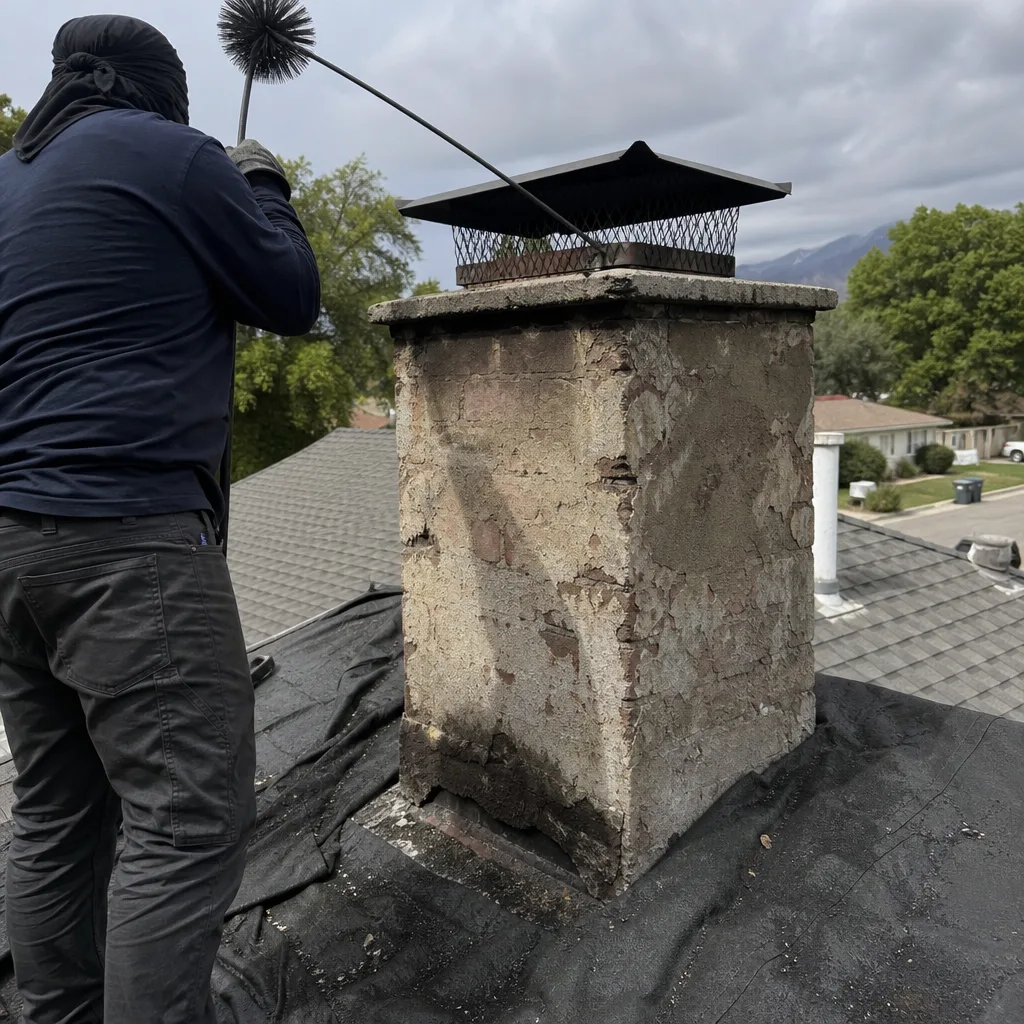 Before
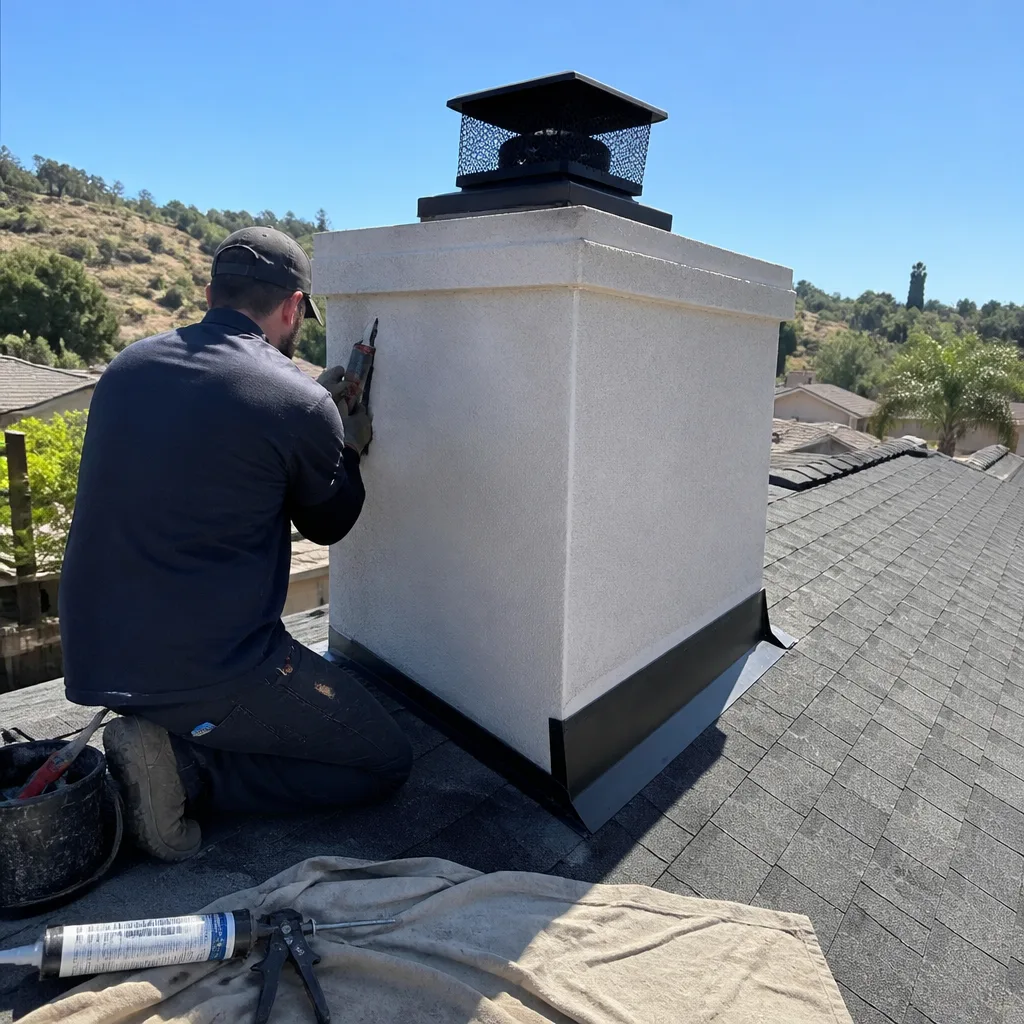 After
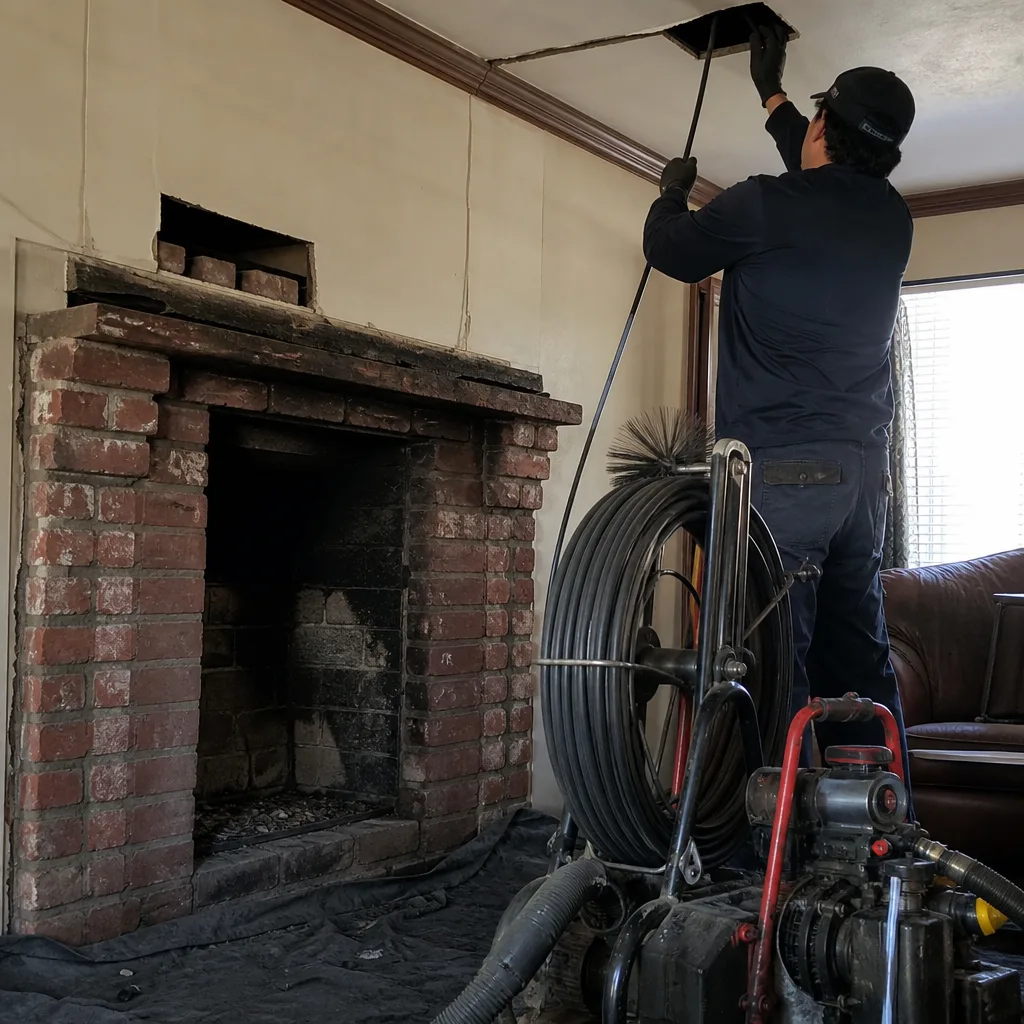 Before
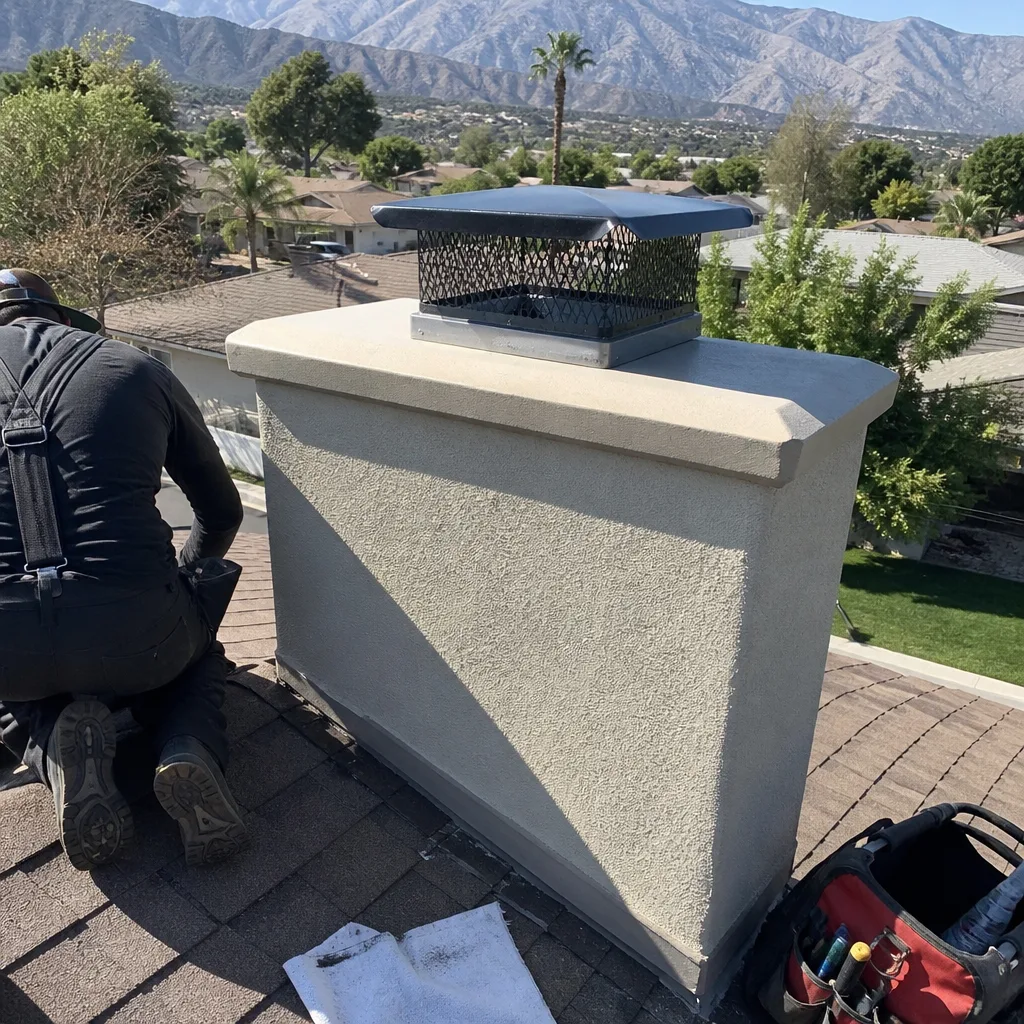 After
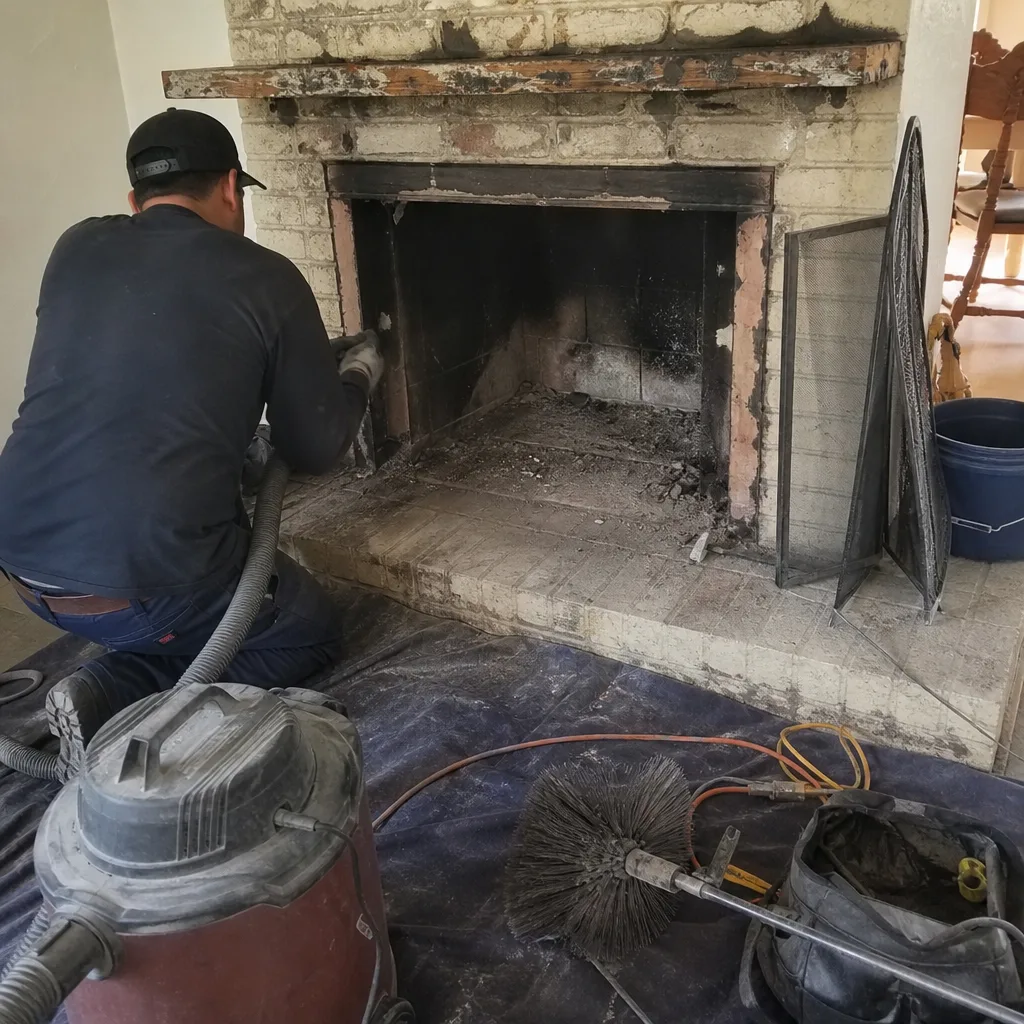 Before
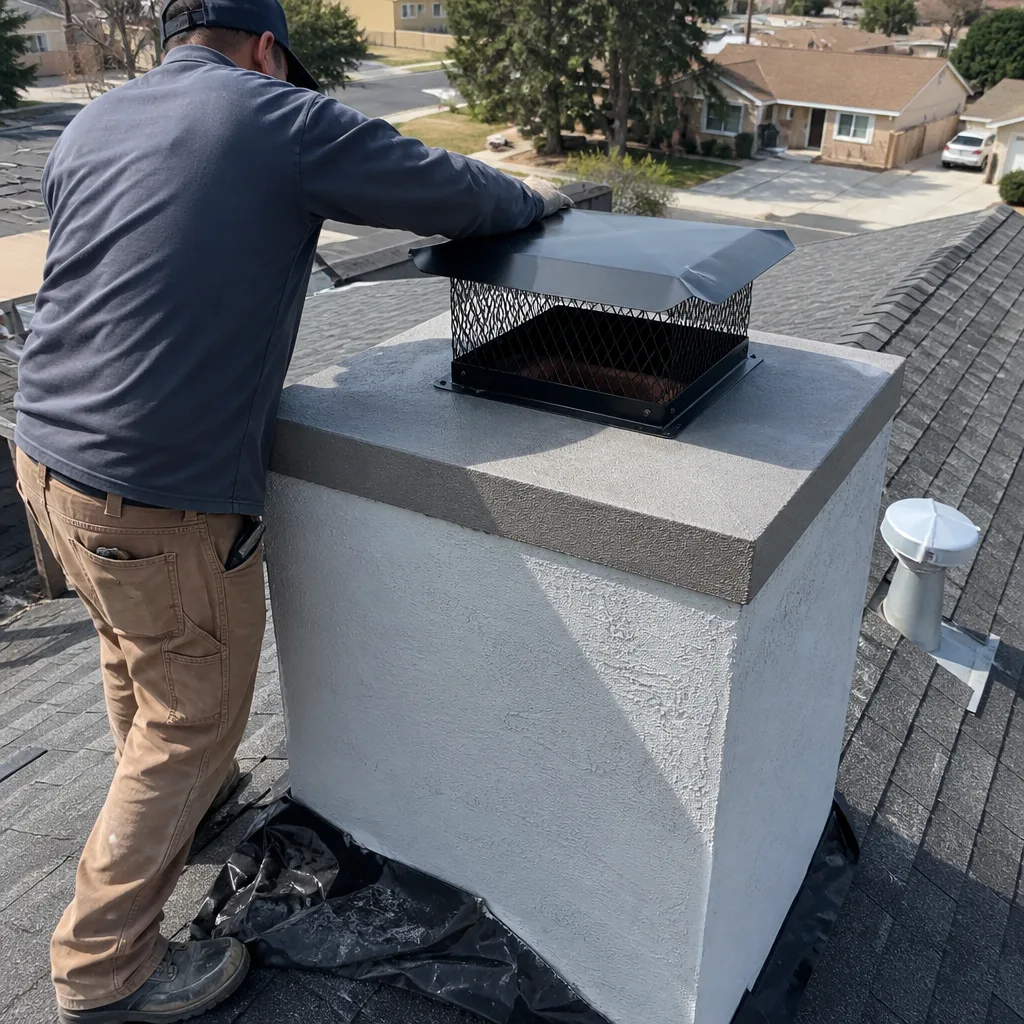 After