
Last updated October 30, 2026
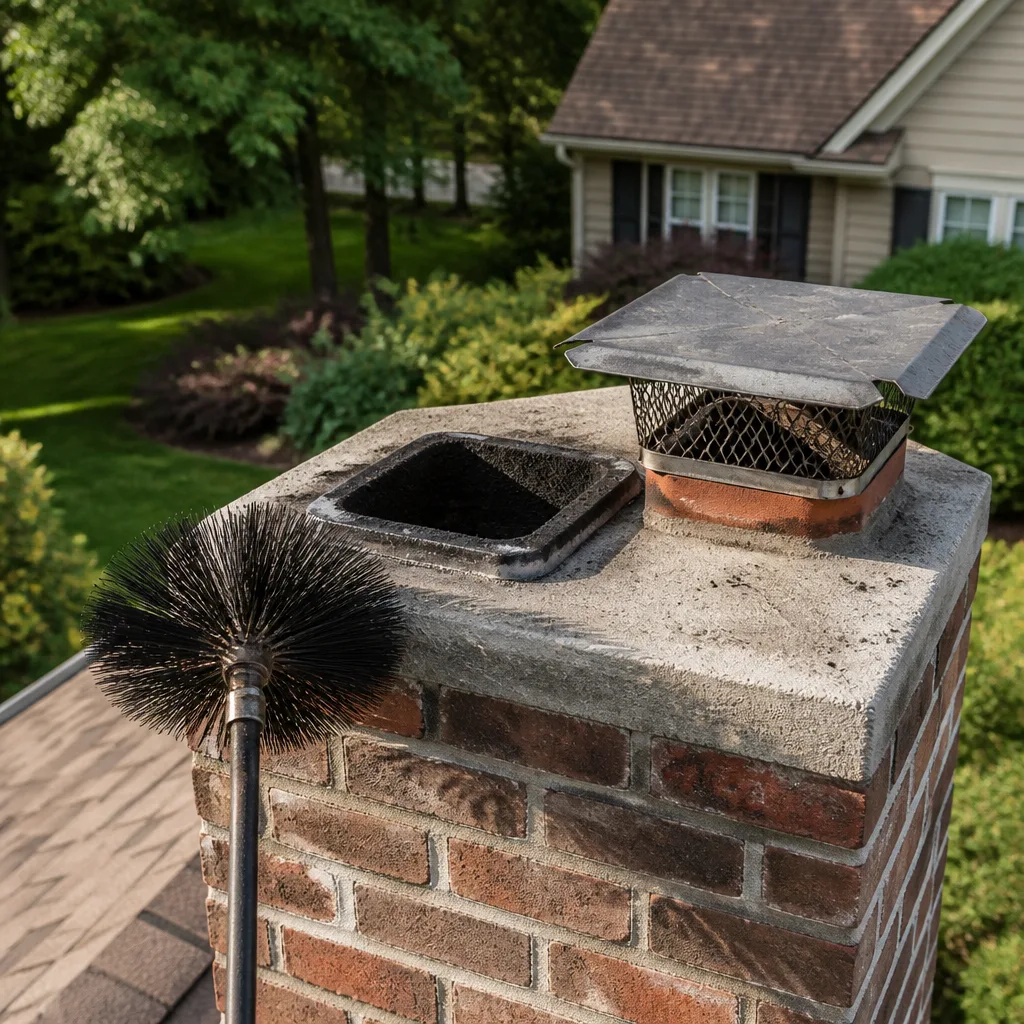 Sweep & inspection
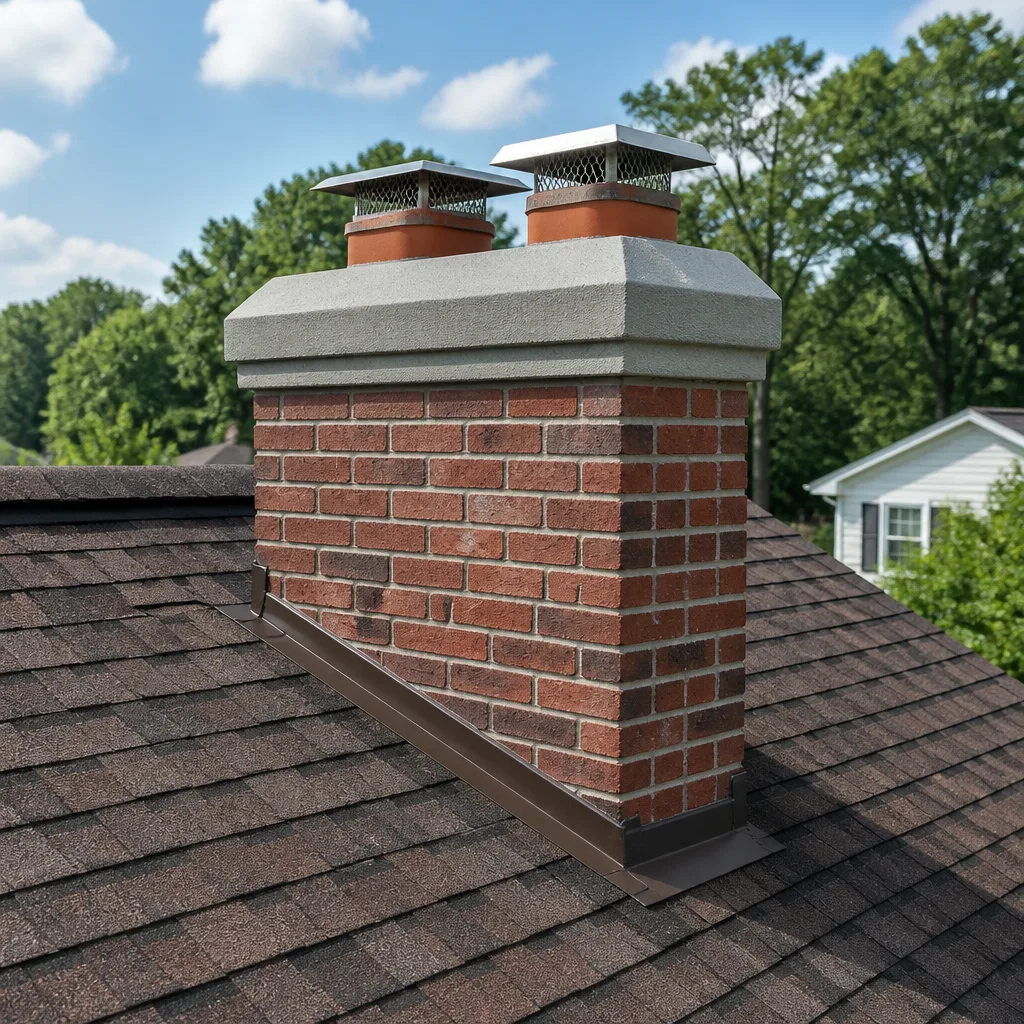 Caps & crowns
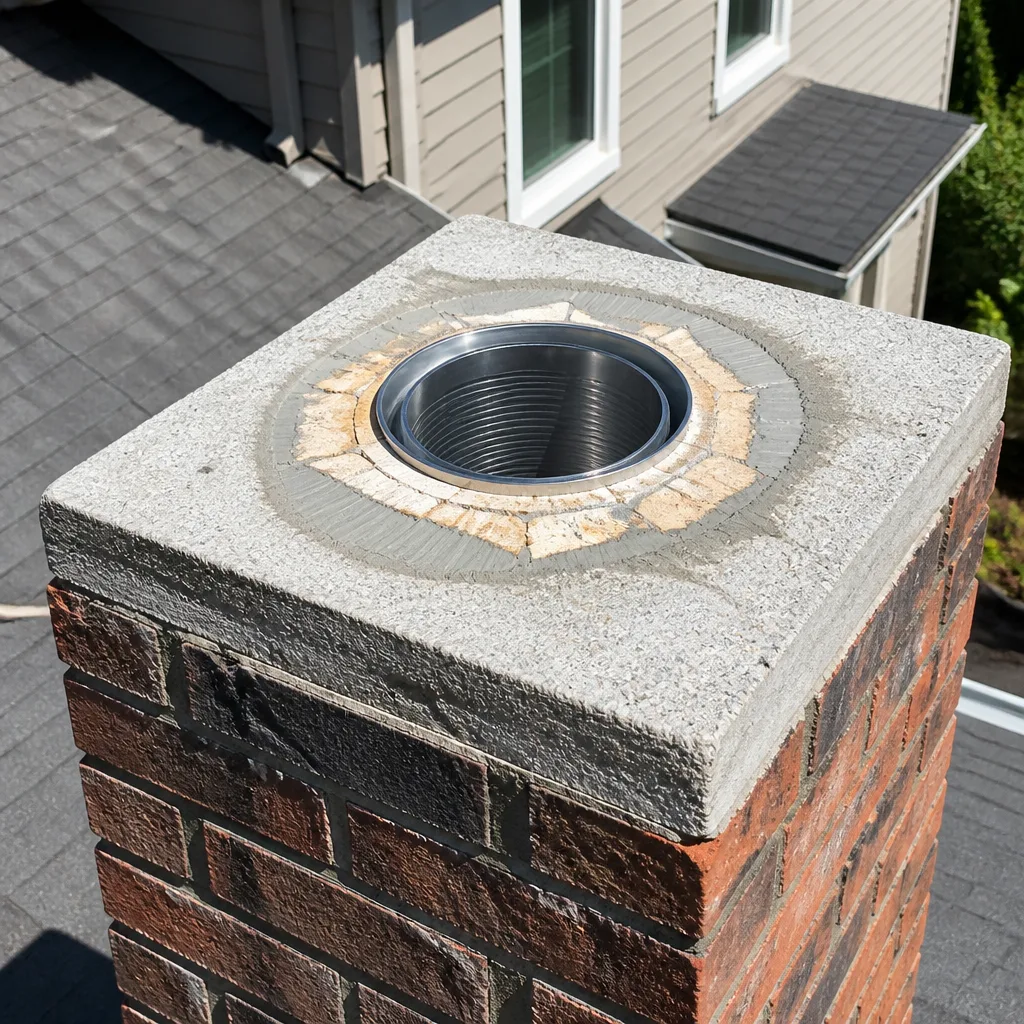 Flue relining
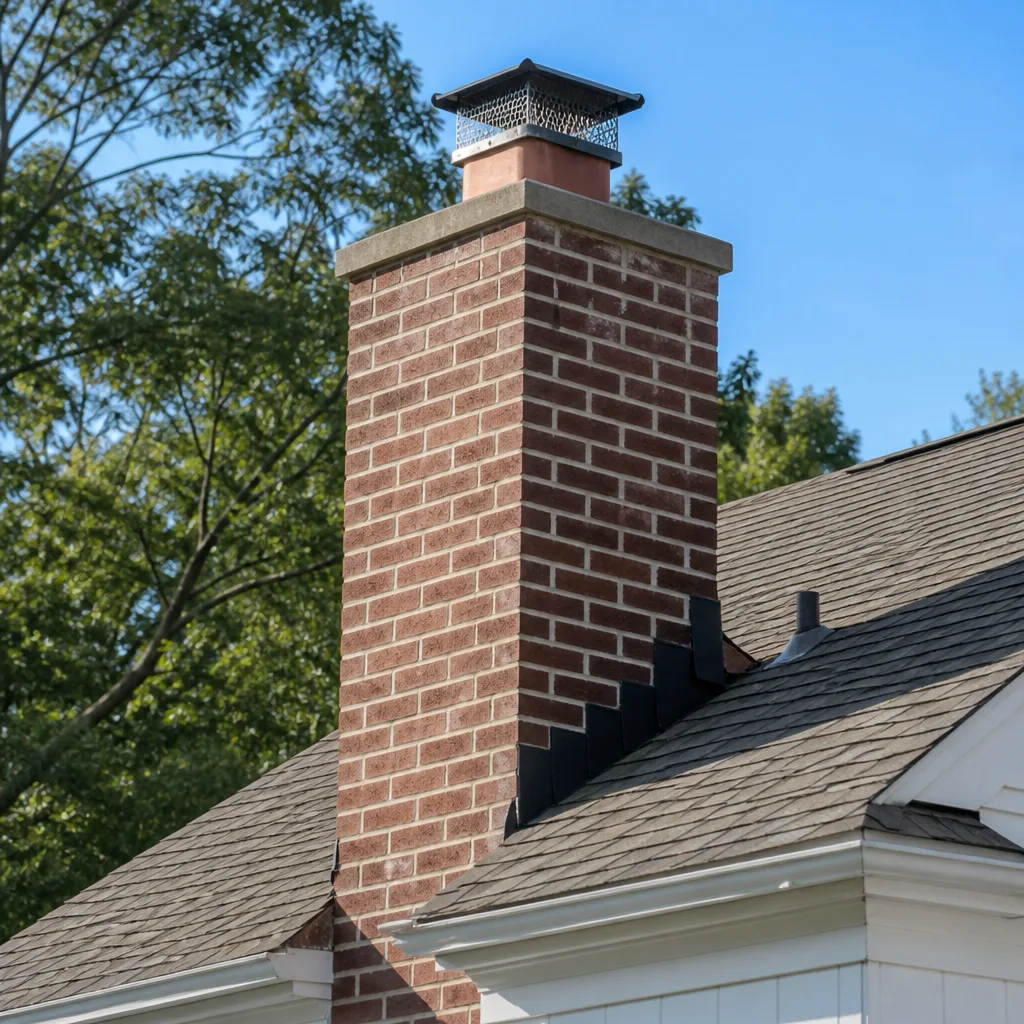 Masonry repair
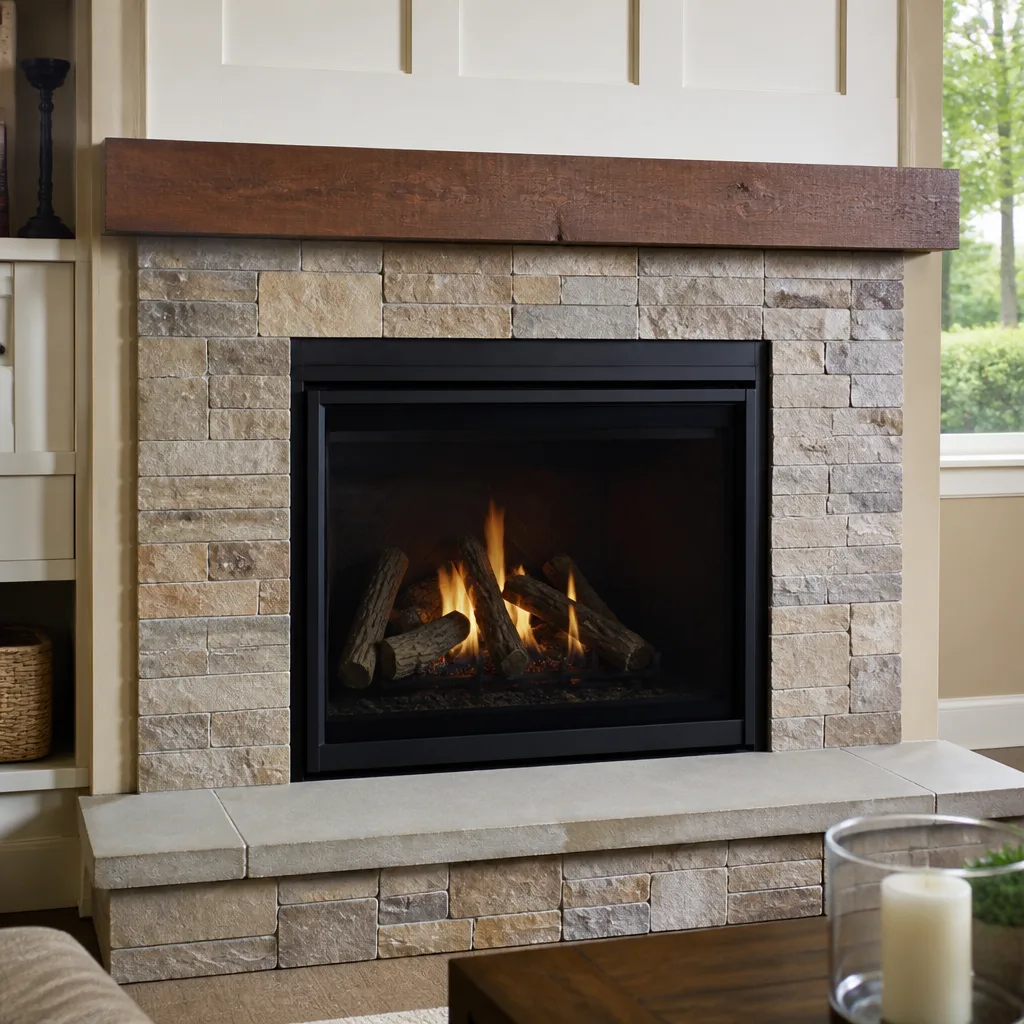 Gas fireplace service
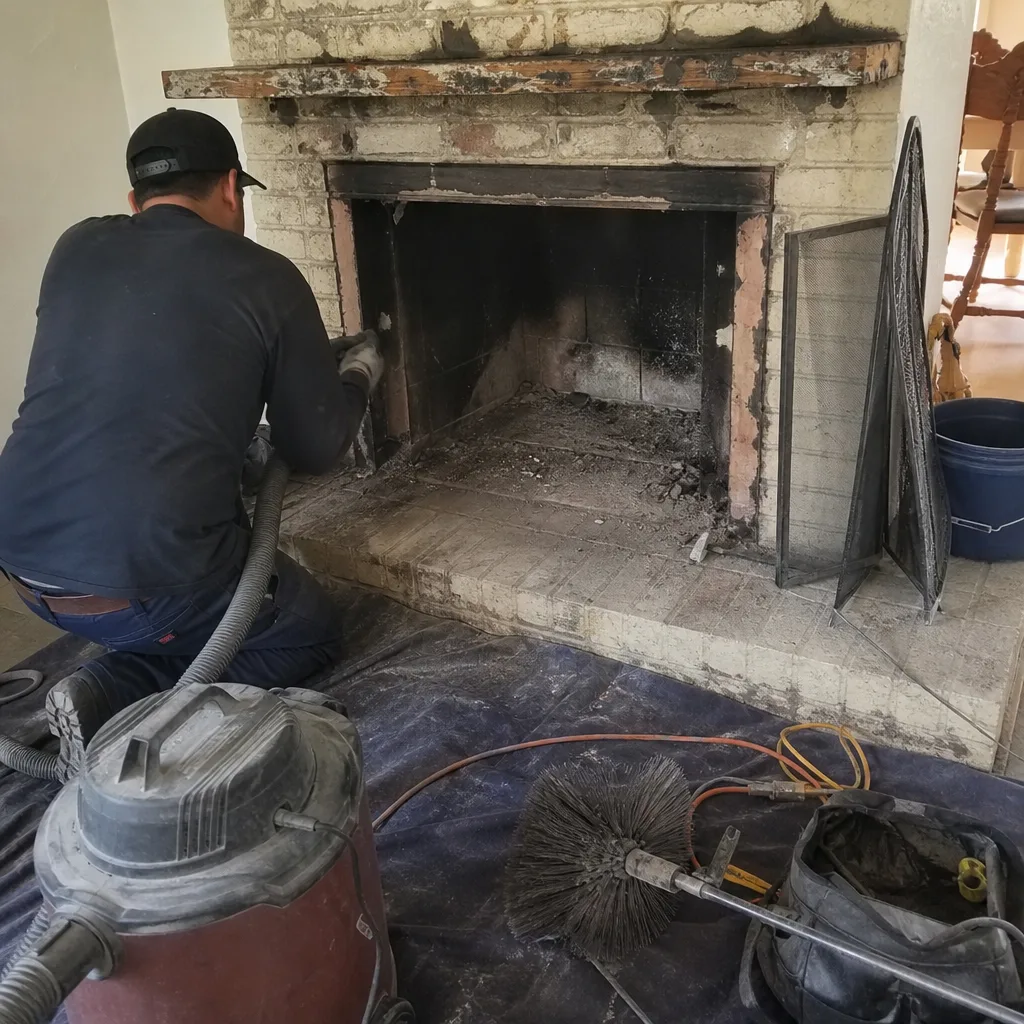
Level 1 sweep and inspection to the NFPA 211 annual standard - flue, crown, cap, and flashing checked and photographed
Chimney sweep logs do not sweep chimneys. They loosen some creosote - which then falls where a brush and vacuum still have to collect it.
Seasonal Chimney Cleaning Care for San Bernardino: Year-Round Homeowner’s Guide
Every fall, homeowners across San Bernardino call us in the same mild panic: nights have dropped into the 40s, they want to light the first fire, and they haven’t touched the chimney since April. What they don’t realize is that the Inland Empire’s climate spent those intervening months working against them. A chimney that sits unused from May through October in San Bernardino isn’t dormant. It’s collecting. Desert winds push fine dust and creosote flakes into the flue. Birds scout for nesting cavities. The summer’s 100-degree heat cycles expand and contract mortar joints, opening hairline cracks that winter rain will exploit. By the time October arrives, that “routine fall cleaning” is often a repair job wearing a cleaning costume.
This guide reframes chimney care around what actually happens in San Bernardino’s two real seasons: the long dry heat and the short wet winter. You’ll learn why the conventional fall-cleaning advice is backwards for this region, what you should do yourself each quarter, what requires a professional eye, and how to schedule service so you never light a fire in a chimney you haven’t seen the inside of. We’ll cover the wildlife problem most guides ignore, what El Niño winters do to chimney crowns, and the exact service cadence that keeps a fireplace safe without wasting money on unnecessary visits. By the end, you’ll have a working calendar for your chimney, not a generic checklist, plus links to more guides & resources for year-round maintenance.
Styles & brands we work with
Quick Answer
The correct window for professional chimney cleaning in San Bernardino is August or September, not October or November. A professional sweep should be done annually, ideally in late summer, with a visual moisture and wildlife check each spring. Between professional visits, homeowners should do three things quarterly: verify the damper opens and closes smoothly, check the chimney exterior for visible cracks, and confirm the cap is still in place.
Table of Contents
- San Bernardino’s Two Real Seasons (and Why They’re Backwards)
- Why August and September Are the Correct Pre-Season Window for San Bernardino
- What 100-Degree Summers Do to Masonry and Mortar Joints
- The Off-Season Wildlife Problem: Moths, Swifts, and Nesting Birds
- How Winter Rain Compromises Crowns and Caps That Looked Fine in the Dry Season
- A Realistic Service Schedule: What to Do Yourself vs. What Needs a Pro
- Understanding Creosote in San Bernardino’s Specific Burning Conditions
- Common Mistakes to Avoid
- When to Call a Professional
- Frequently Asked Questions
- The Bottom Line
San Bernardino’s Two Real Seasons (and Why They’re Backwards)
Most chimney advice comes from regions with four distinct seasons and a long, cold winter. That advice fails in San Bernardino. We don’t have a fall that slowly eases chimneys into service. We have a long dry season from roughly April through October, then a short wet season from November through March. The temperature swings between these two are dramatic: summer days above 100°F, winter nights just above freezing, and occasional winter rain events that can drop an inch or more in a day during El Niño years.
The conventional wisdom, inherited from colder climates, says to schedule a cleaning right before you start burning. In San Bernardino, that timing means your chimney has been sitting unused for six or seven months when the sweep arrives. That’s the worst possible moment to discover a problem. Bird nests have had a full season to grow. Monsoon-season moisture from August thunderstorms may have seeped into cracks that opened during June and July heat. Creosote from last winter’s fires has had months to absorb humidity and become more corrosive to the flue liner.
The smarter model is to think of your chimney care year in two phases. The first phase runs from April through September: the chimney is off-duty, but not static. Heat, wind, and wildlife are actively working on it. The second phase runs from October through March: the chimney is in service, burning occasional fires on cold nights and weekends. Maintenance during the off-season is about preventing damage from accumulating. Maintenance during the burning season is about monitoring what each fire deposits in the flue.
What this means practically: the professional cleaning that most homeowners schedule in October should instead happen in August or September. The inspection portion of that visit catches off-season damage before the first fire, not after. And a second, lighter visual check in early spring, after the last burn and before the summer heat begins, catches issues while they’re still small. That’s the full annual cycle for most San Bernardino homes: one professional visit in late summer, one self-directed exterior check in early spring, and simple quarterly habits in between.
Why August and September Are the Correct Pre-Season Window for San Bernardino
August and September in San Bernardino are hot. That’s precisely why they’re the right months for chimney service. The chimney is completely cold and dry, which means a sweep can remove creosote and soot without fighting damp, sticky deposits that cling to flue walls. The long dry stretch also means any moisture that entered the chimney during spring or early summer monsoon storms has had time to evaporate, so the sweep gets an honest reading of the flue’s condition rather than a water-distorted one.
There’s a second, less obvious reason. Scheduling in August or September means any repair work found during the cleaning can be completed before the first cold night. If we find a cracked chimney crown in August, there are still six to eight weeks of good weather to repair it before winter rain arrives. If you wait until November and we find the same crack, the first significant rain event may already be in the forecast, and now you’re either rushing a repair or sitting through a wet winter with a compromised chimney. August gives you options. November gives you anxiety.
In our experience, the homeowners who schedule in late summer are the ones who have the smoothest burning seasons. They light their first fire knowing exactly what’s inside the flue, how much creosote was removed, and whether the cap, crown, and liner passed inspection. The homeowners who call in October or November are the ones who sometimes hear words like “nest” and “cracked liner” in the same conversation, and who then have to choose between delaying their first fire or delaying a repair. Schedule early. It’s cheaper in every sense that matters.
For a full professional sweep, call San Bernardino Chimney Sweep home at (877) 516-7159 to book your August or September appointment. We handle cleaning, repair, and dryer vent service under one roof, so if the sweep turns up a problem, the fix doesn’t require a second company.
What 100-Degree Summers Do to Masonry and Mortar Joints
San Bernardino routinely sees summer temperatures above 100°F, sometimes for consecutive weeks. Brick, mortar, and concrete all expand when heated. Different materials expand at different rates, and even a single material expands differently depending on whether it’s in direct sun or shaded. Over a single summer, those differentials are small. Over several summers, they accumulate into real damage.
Mortar joints are the weak point. Mortar is softer than brick, by design. It’s meant to be the sacrificial material that weathers over time so the brick doesn’t crack. In San Bernardino’s heat, mortar dries faster than it would in a more humid climate, which makes it more brittle. The daily thermal cycle, hot afternoon sun followed by cooler nights, acts like a slow chisel on already-dry mortar. Hairline cracks appear. Then the next day’s heat opens those cracks slightly wider. Moisture from the morning dew or a rare summer shower gets in, and now the freeze-thaw cycle of winter, however mild by national standards, has a starting point.
The chimney crown, the concrete slab that caps the top of the chimney, takes the most direct hit. It sits exposed to full sun from sunrise to sunset. Small cracks in a crown are easy to miss from the ground, but they’re the single most common entry point for water into a chimney system. Water that gets through a cracked crown wicks down the masonry, accelerates mortar deterioration, rusts out damper assemblies, and eventually reaches the firebox. By the time you see evidence inside the house, the damage has been underway for months or years.
We recommend a visual exterior check each spring, looking specifically at the crown and the upper few feet of masonry. Use binoculars if that helps. Look for cracks, spalling (flaking brick faces), or mortar that can be scraped out with a fingertip. These are the summer damage signatures. If you see them, call for a professional inspection before the next burning season. If you don’t, still keep the annual sweep appointment in August. Some damage is only visible from the roof or with camera equipment inside the flue.
The Off-Season Wildlife Problem: Moths, Swifts, and Nesting Birds
San Bernardino’s location against the San Bernardino Mountains means wildlife moves through the area seasonally. During the warm months, chimneys become prime real estate for several species. This is a bigger issue here than in many regions because our winters are mild enough that some birds and insects remain active into early fall, and our long off-season gives them months of undisturbed access.
The Polyphemus moth doesn’t nest in chimneys the way birds do, but its caterpillars and cocoons show up in flues and dampers with surprising frequency. The adult moths are large, sometimes four to five inches across, and they’re drawn to sheltered, dark spaces during the late spring and summer. A chimney with a missing or damaged cap becomes a collection point. Less dramatically but more commonly, chimney swifts are a protected migratory bird species that regularly uses uncapped chimneys as nesting sites. Because they’re federally protected under the Migratory Bird Treaty Act, a nest cannot be removed while active. If swifts establish a nest in your chimney in May, you may be waiting until fall for the birds to leave. That’s another reason the late-summer window matters: by August, most swift nests are vacated, so a sweep can remove the nest structure and any debris without violating federal law.
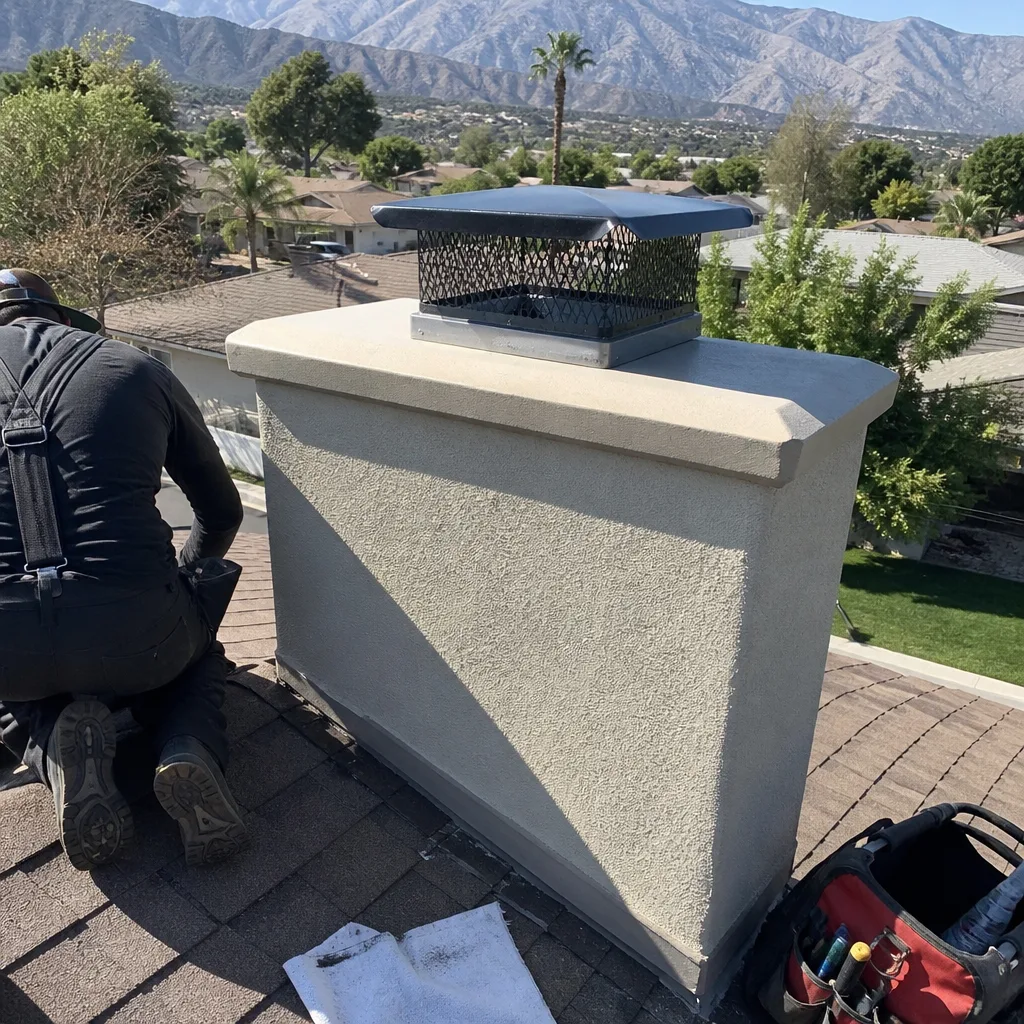
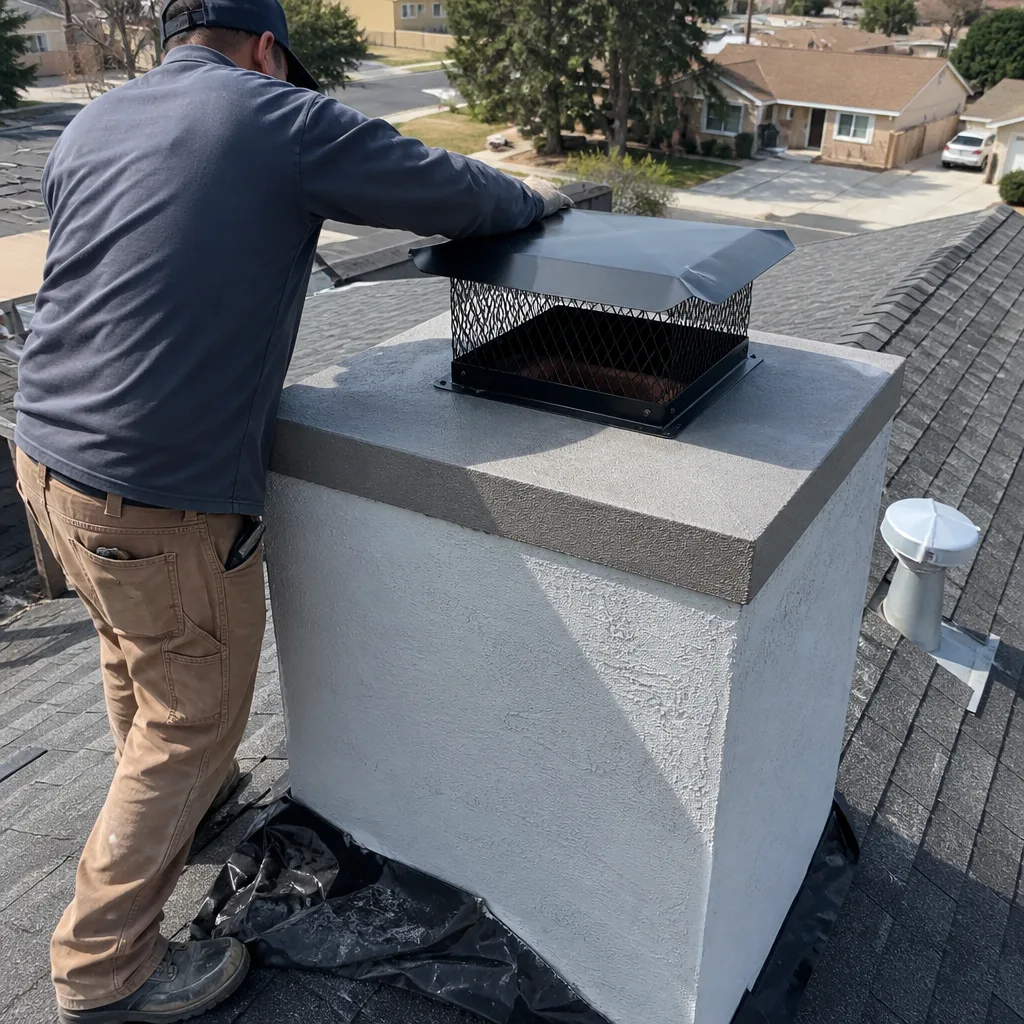
Smaller birds, rodents, and even raccoons are also known to use uncapped chimneys in San Bernardino. The defense against all of them is the same: a properly installed chimney cap with appropriate mesh screening. The cap keeps animals out while still allowing proper draft. If you skip the cap to save money, you’re not saving money. You’re deferring the cost to whatever the animal leaves behind, which is often a nest made of flammable material sitting directly above your firebox.
Here’s what a professional sweep looks for during the August visit: evidence of nesting anywhere from the damper assembly upward, organic debris that has fallen into the firebox, the presence of insect cocoons or hive material, and any signs that an animal has been in the chimney during the off-season. If we find active nesting, we’ll tell you directly what can be done now and what has to wait until the animal voluntarily leaves. We don’t rush that process and we don’t break the law to speed it up.
How Winter Rain Compromises Crowns and Caps That Looked Fine in the Dry Season
San Bernardino averages around 16 inches of rain annually, but that number hides how concentrated the rain actually is. Most of it falls between November and March, and in El Niño years, a single storm can dump several inches in a day. That’s more than enough water to exploit any crack that opened during summer’s heat. A crown that looked “fine” in September, when it was bone dry and partially sealed by residual dust, can admit substantial water by February.
The mechanism is straightforward. Water enters a hairline crack, sits there, and is absorbed by the surrounding masonry. The next cold night, that water freezes and expands by about nine percent. That expansion pressure widens the crack. The next rain event admits more water. Repeat this cycle a dozen times over a winter and a crack that started as a cosmetic line becomes a genuine entry point for water into the chimney structure. The damage compounds year over year. By the time the crack is visible from the ground, the internal damage is typically worse than what’s visible from the outside.
Chimney caps and chase covers face a similar problem. A cap that shifted slightly in strong winter wind may not look damaged from the ground. But if the fasteners loosened, water can enter around the edges. On prefabricated chimneys, a chase cover, the flat metal top that seals the chimney box, is especially vulnerable. Rust through the seam, and water runs directly down the flue and into the surrounding chase structure. This is one of the most common and most silently destructive failures we see in San Bernardino homes built since the 1980s.
Because of this specific failure pattern, we recommend that San Bernardino homeowners do a quick after-rain check each winter. The day after a significant storm, look at the chimney from the ground. See any dark staining that wasn’t there before? That’s moisture absorption, and it’s a problem developing in real time. Also check inside the firebox for any water that made it down the flue. If you see either, call before the next storm. Repairs done in dry gaps between weather systems are substantially cheaper than full remediation after a season of water intrusion. If you’re unsure what you’re looking at, the chimney repair specialists at Chimney Repair in Rubidoux can inspect and give you an honest read.
A Realistic Service Schedule: What to Do Yourself vs. What Needs a Pro
A lot of chimney advice swings between two unhelpful extremes: “hire a professional for everything” or “here’s how to DIY your entire chimney.” The honest answer for most San Bernardino homeowners sits between those poles. Some tasks are safe and useful to do yourself. Others genuinely require training, equipment, and an understanding of how chimney systems fail. Here’s a realistic schedule broken down by season, with clear guidance on what you can handle and what belongs to a pro.
Quarterly: What You Can Do Yourself
- Check the damper. Open and close the damper fully. It should move without binding and seat cleanly when closed. A stiff or stuck damper is a draft problem and a potential safety issue if you burn with it partially open.
- Look at the exterior from the ground. Walk around the house and scan the chimney from top to bottom. Look for cracked bricks, missing mortar, a crooked cap, or any new staining. Binoculars help.
- Check the firebox after rain. The day after any significant storm, look inside the firebox for water stains, dampness, or debris that washed down. Water in the firebox means water is getting in somewhere above.
- Verify the cap is still in place. Use binoculars if you can’t see clearly. If the cap is missing or clearly tilted, call for a replacement before the next season starts.
Annually: What Requires a Professional
- A full chimney sweep. This includes mechanical brushing of the flue, removal of creosote and soot, and a visual inspection of every accessible component. In San Bernardino, the August or September window is correct. Annual sweeping is the baseline, and if you burn more than three cords of wood in a season or have frequent fires, you may need a second sweep mid-season.
- A camera inspection. A proper inspection uses a camera lowered into the flue to look at liner condition, joint integrity, and internal damage that’s invisible from the top or bottom. At San Bernardino Chimney Sweep, camera inspection is part of the sweep process, not an add-on gimmick.
- Liner evaluation. If the camera reveals cracked or deteriorated flue liner, you’ll need professional judgment about whether the liner can be resurfaced or needs replacement. We use HeatShield resurfacing products when the damage is contained, which restores liner integrity without the full cost and disruption of a replacement.
- Crown and cap repair or replacement. Cracked crowns and worn caps need professional attention. These are roof-height tasks on a structure that requires proper sealing compounds and correct installation. Not a ladder project.
The homeowner tasks above take about ten minutes per quarter. The professional tasks take one to two hours once a year. That’s the whole annual commitment for most San Bernardino homes. The key is doing the professional visit in late summer when the chimney is cold and dry, not waiting until the first cold snap when everyone else calls.
Understanding Creosote in San Bernardino’s Specific Burning Conditions
Creosote is the byproduct of incomplete wood combustion. It deposits on flue walls as smoke cools and condenses. Every wood fire produces some creosote. The question is how much, and what form it takes. San Bernardino’s burning conditions create a specific pattern that affects both how much creosote you’ll see and when you should be concerned about it.
Our winters are mild, which means fires are often smaller and shorter than in cold climates. A homeowner might light a fire on a 50-degree evening for a few hours of ambiance, not for continuous overnight heat. This creates more combustion cycles per season, but each cycle is shorter. The flue gets hot enough to produce a fire that’s “going,” but the fire may not stay hot enough, long enough to burn off creosote that forms during start-up and cool-down. The result is a slow accumulation of fine, flaky creosote rather than the thick, tar-like glaze seen in colder climates with continuous burns. Flaky creosote is less dangerous per inch than glazed creosote, but it still ignites at temperatures produced by a hot chimney fire, and it still obstructs draft as it builds.
What this means for San Bernardino homeowners: the annual sweep is less about removing enormous, dangerous deposits like you’d see in Montana or Minnesota, and more about preventing a slow build-up from reaching a level that impairs draft or creates a fire risk. Most homes in our area produce between a quarter-inch and half-inch of creosote per season. That’s below the quarter-inch threshold that the National Fire Protection Association considers the signal for mandatory cleaning, but it’s enough to matter over multiple seasons. If you skip the annual sweep, you’re not risking a chimney fire in year one. You’re setting up year three or year four to be the problem.
If a sweep reveals more advanced creosote or liner damage from years of deferred maintenance, the fix doesn’t have to mean full liner replacement. For chimneys with damaged but structurally sound liners, Chimney Repair in Rubidoux can evaluate whether HeatShield resurfacing is appropriate. HeatShield restores the smooth interior surface of the flue, which improves draft and reduces creosote adhesion. It’s a product-backed repair method, not a brush-and-paint shortcut. Contractor-grade materials, not hardware-store substitutes.
Common Mistakes to Avoid
- Waiting until October to schedule a cleaning. In San Bernardino, October appointments in San Bernardino are when everyone calls at once. The chimney has been unmonitored all summer, and any wildlife or weather damage from the off-season is now discovered with the first burn days or weeks away, leaving no time to schedule repairs.
- Skipping the chimney cap. A missing or damaged cap is the number one invitation for wildlife, rain, and debris. This is a cheap fix with expensive consequences.
- Burning unseasoned wood. Wood that hasn’t dried for at least six months produces more smoke, more creosote, and less heat. In a mild climate like ours, unseasoned wood creates a disproportionate amount of creosote per fire because the fire never gets hot enough to burn cleanly.
- Ignoring a slow draft or slight smoke smell. These are early warning signs of a restricted flue or a failing damper. The problem rarely improves on its own, and it often gets worse as creosote and soot continue to accumulate.
- Treating the chimney and dryer vent as separate concerns. Both are venting systems that carry combustion byproducts and lint out of the house. Both need professional cleaning on a regular schedule. Your dryer vent is a fire risk too, and it should be on the same annual maintenance list as the chimney.
- Assuming “no fires last year” means “no cleaning needed.” An unused chimney still collects dust, insect debris, and nesting material. The inspection is about condition, not just contamination. An inspection every August or September is the standard, even in low-burn years.
When to Call a Professional
Call a professional if you see dark staining on the chimney exterior that wasn’t there before, if you smell smoke in the house after a fire has died down, if your damper won’t open or close fully, if you hear animal sounds in the chimney, or if it’s been more than twelve months since your last sweep and inspection. Also call if you used the fireplace regularly all winter and can’t remember the last time the flue was cleaned. Any of these conditions is worth a professional look before the next fire. San Bernardino Chimney Sweep offers free estimates in San Bernardino. Call (877) 516-7159 to schedule a sweep or inspection. If the inspection turns up a problem, we can fix it. We find it and we fix it, so you’re not left with a report and a second phone call to make.
Frequently Asked Questions
A standard chimney sweep and inspection in San Bernardino typically costs between $180 and $340, depending on chimney height, roof access, and whether the flue has heavy creosote buildup that requires additional brushing. For a detailed breakdown of what drives these numbers, see our Chimney Cleaning Cost Breakdown: The San Bernardino Homeowner’s Reference for 2026. Our estimate includes the camera inspection, so you see what we see before deciding on any repair work. Call (877) 516-7159 for an exact quote. Estimates are free.
Once a year, in August or September, is the right cadence for most San Bernardino homeowners. If you burn more than three full cords of wood in a season, or if you have frequent fires over four to five months, schedule a second sweep mid-winter. An annual sweep also serves as your annual inspection, so the two happen together.
Not necessarily. Liner damage varies widely. Small cracks and surface deterioration can often be addressed with a resurfacing product like HeatShield, which restores the interior surface of the flue without full liner replacement. A definitive answer requires a camera inspection, which shows the exact location and extent of the damage. We’ll show you the footage and explain what you actually need, and what can safely wait. Call (877) 516-7159 for an evaluation.
One skipped year in San Bernardino is rarely catastrophic. The risk accumulates. Creosote builds, moisture damage worsens, and off-season animal problems go unaddressed. The chimney you skip in year one becomes the chimney with a cracked crown and a thick creosote layer in year three. The annual sweep is cheaper than the multi-year remediation, every time.
You can do the quarterly visual checks this guide describes, but a full mechanical sweep requires brushes sized to your flue, roof access equipment, and a complete understanding of how to check liner condition and draft. Without training, you’re likely to create a mess and miss the actual problems. This is one task where professional equipment and professional eyes are worth the cost.
Yes. The lint trap catches some lint, but not all of it. Lint that makes it past the trap accumulates inside the vent run, where it creates a fire hazard and restricts dryer airflow. A restricted vent makes your dryer run hotter and longer, which shortens the life of the appliance and increases energy costs. That’s why Dryer Vent Cleaning in Rubidoux is a core service, not a side offering. Your dryer vent is a fire risk too.
The Bottom Line
Your chimney in San Bernardino doesn’t follow the national playbook. The time to schedule cleaning is August or September, when the chimney is cold, dry, and free of summer’s wildlife and heat damage. The things that damage your chimney most are the things you never see from the ground: hairline cracks in the crown, deteriorating mortar joints, and creosote building up inside the flue one fire at a time. A professional annual sweep with camera inspection catches these problems while they’re small and cheap to fix. Between visits, ten minutes of quarterly checking, damper, exterior, cap, and firebox after rain, is all the DIY work most homeowners need. Skip the October scramble. Schedule now, burn safely all winter, and repeat the cycle next August. Call (877) 516-7159 to book your sweep. Estimates are free, and if we find something, we can fix it on the spot.
Written by the team at San Bernardino Chimney Sweep, serving San Bernardino since 2018.
See the difference
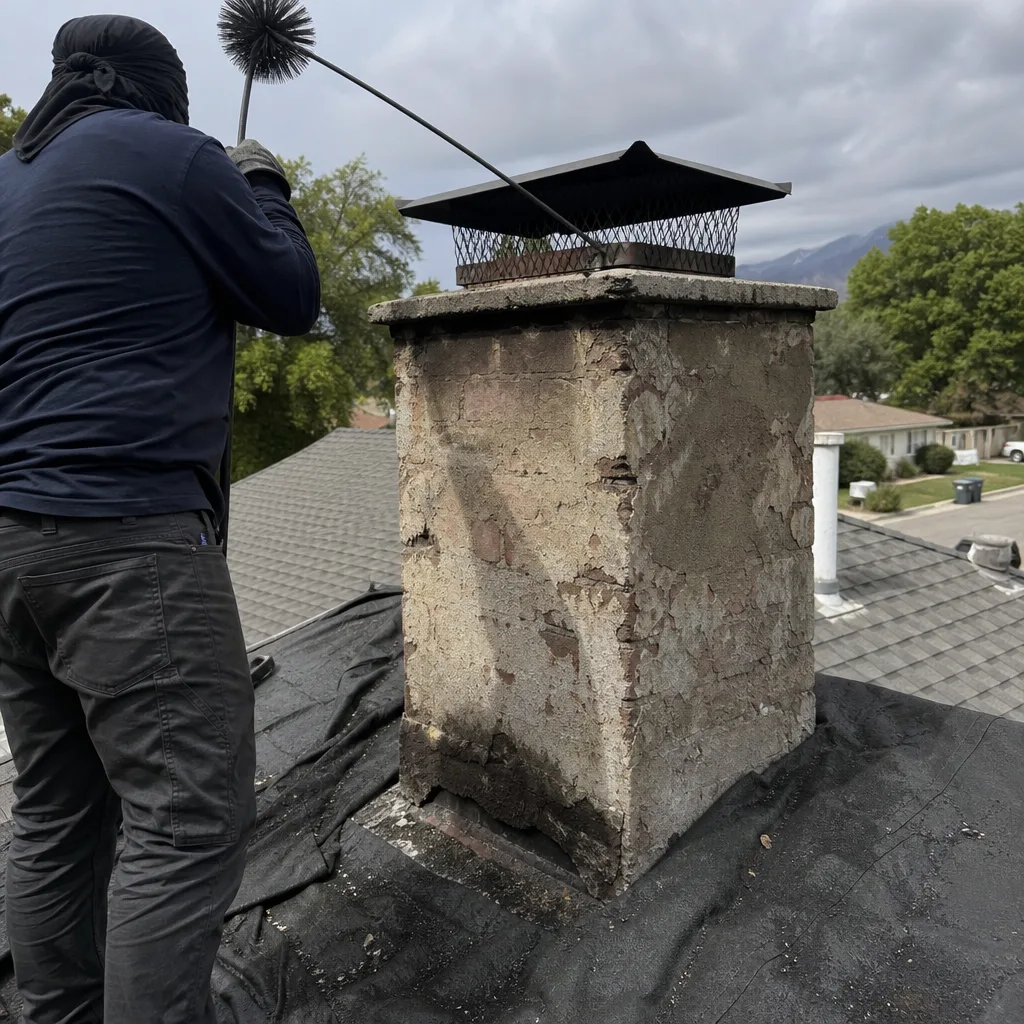 Before
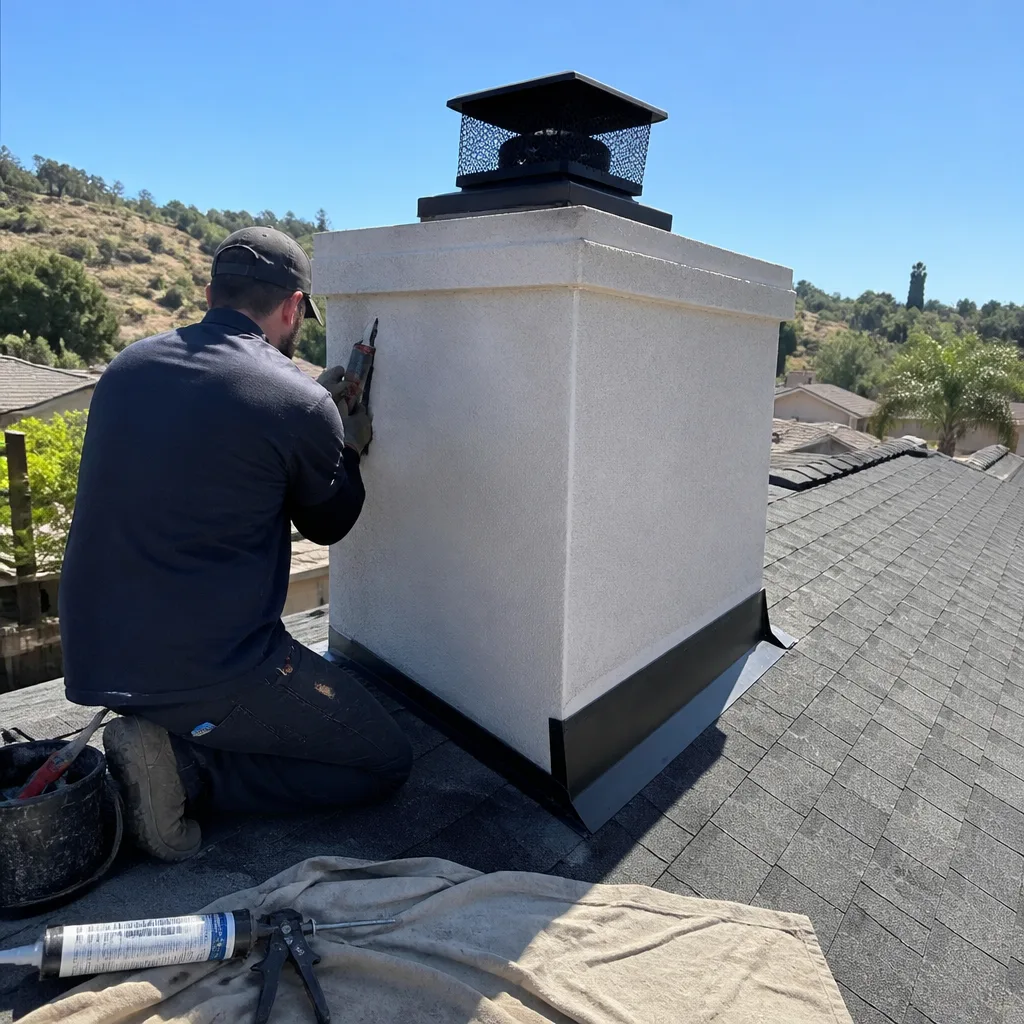 After
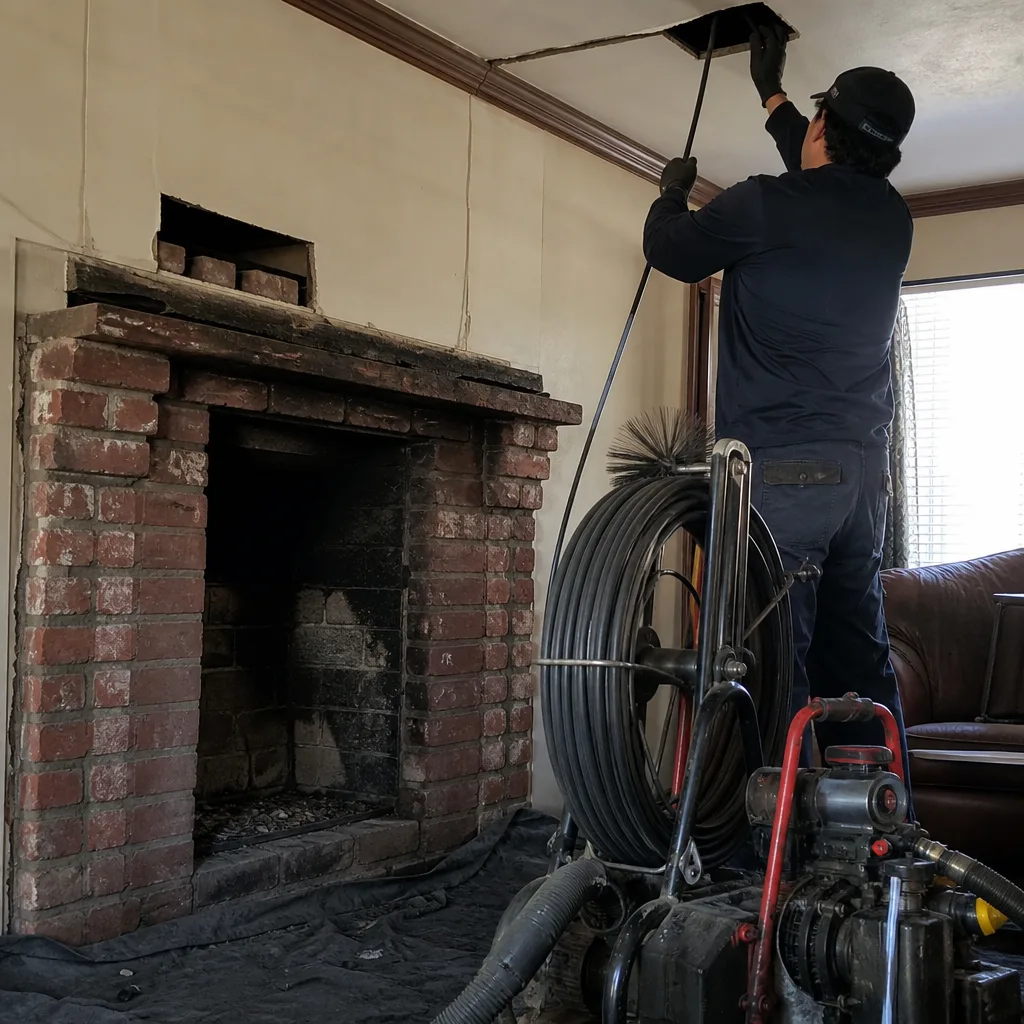 Before
 After
 Before
 After