

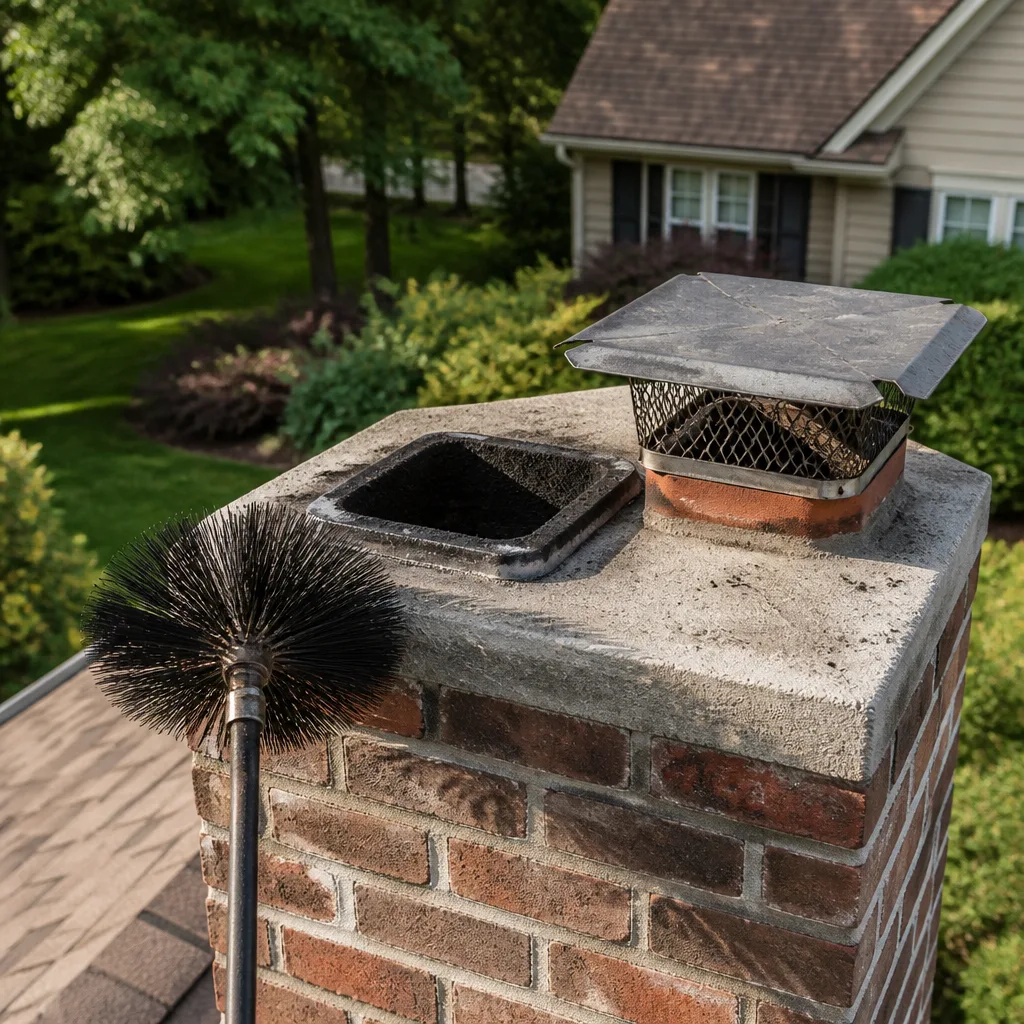
 Sweep & inspection
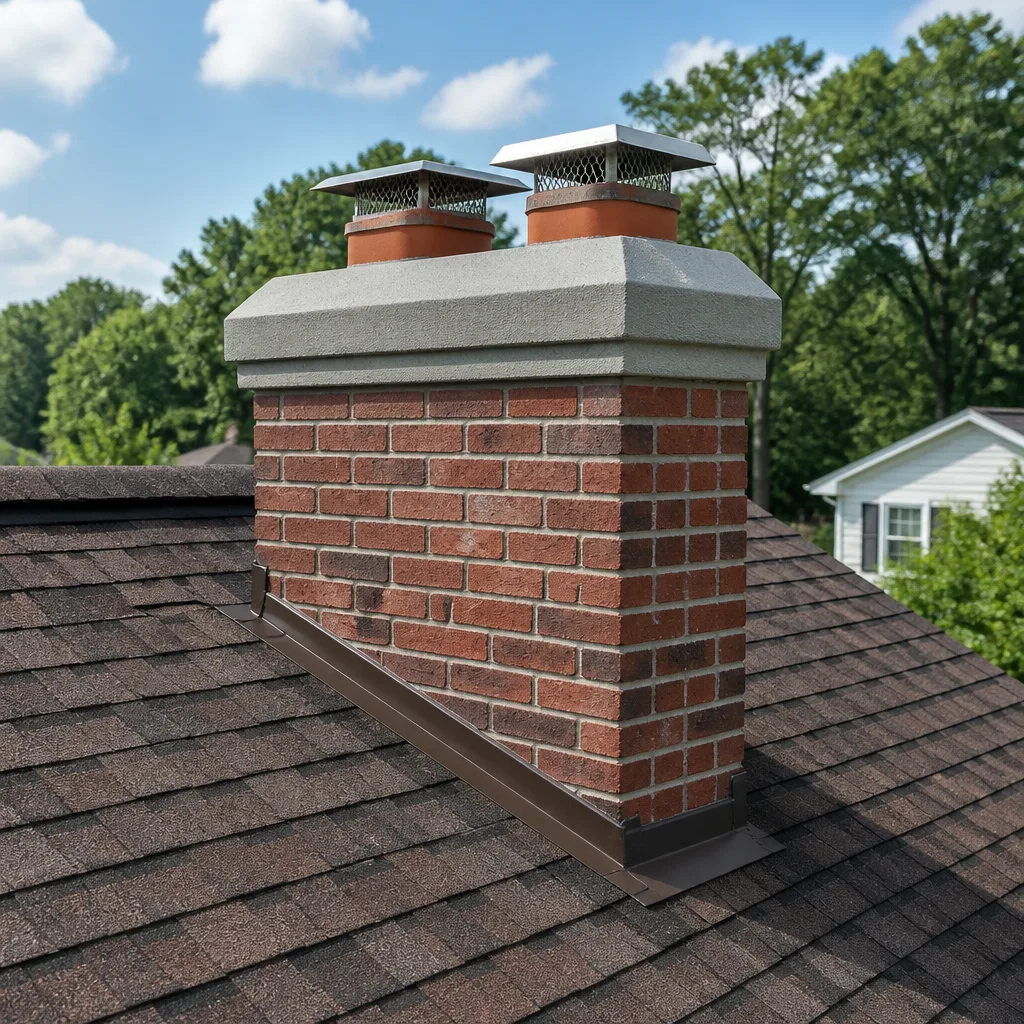 Caps & crowns
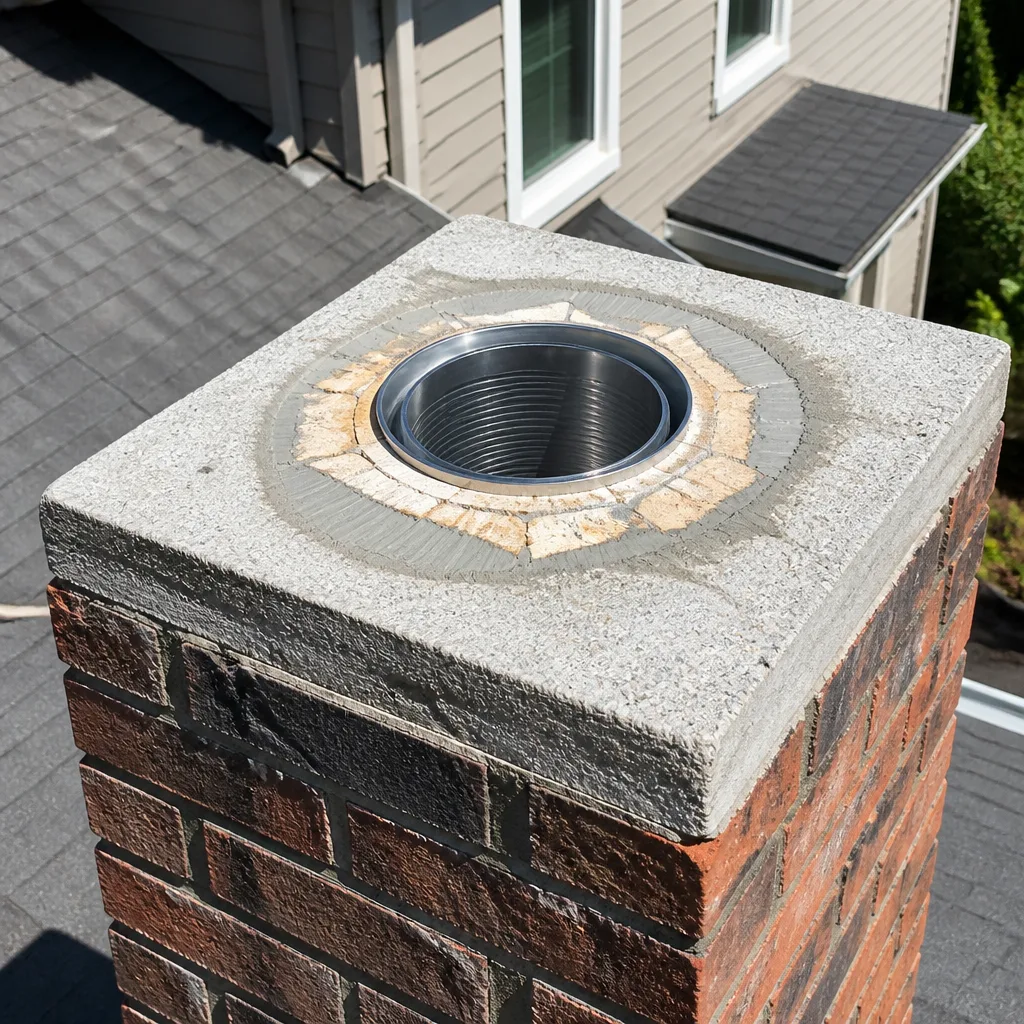 Flue relining
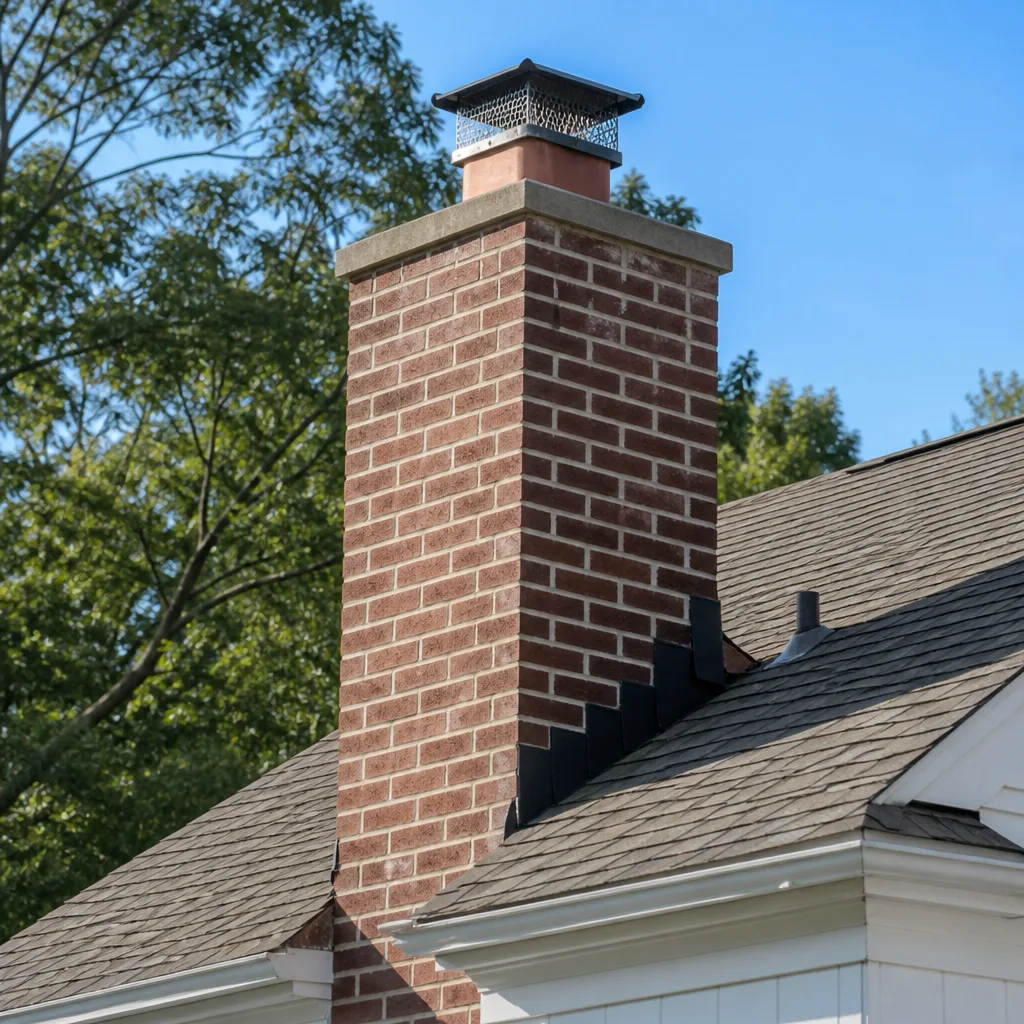 Masonry repair
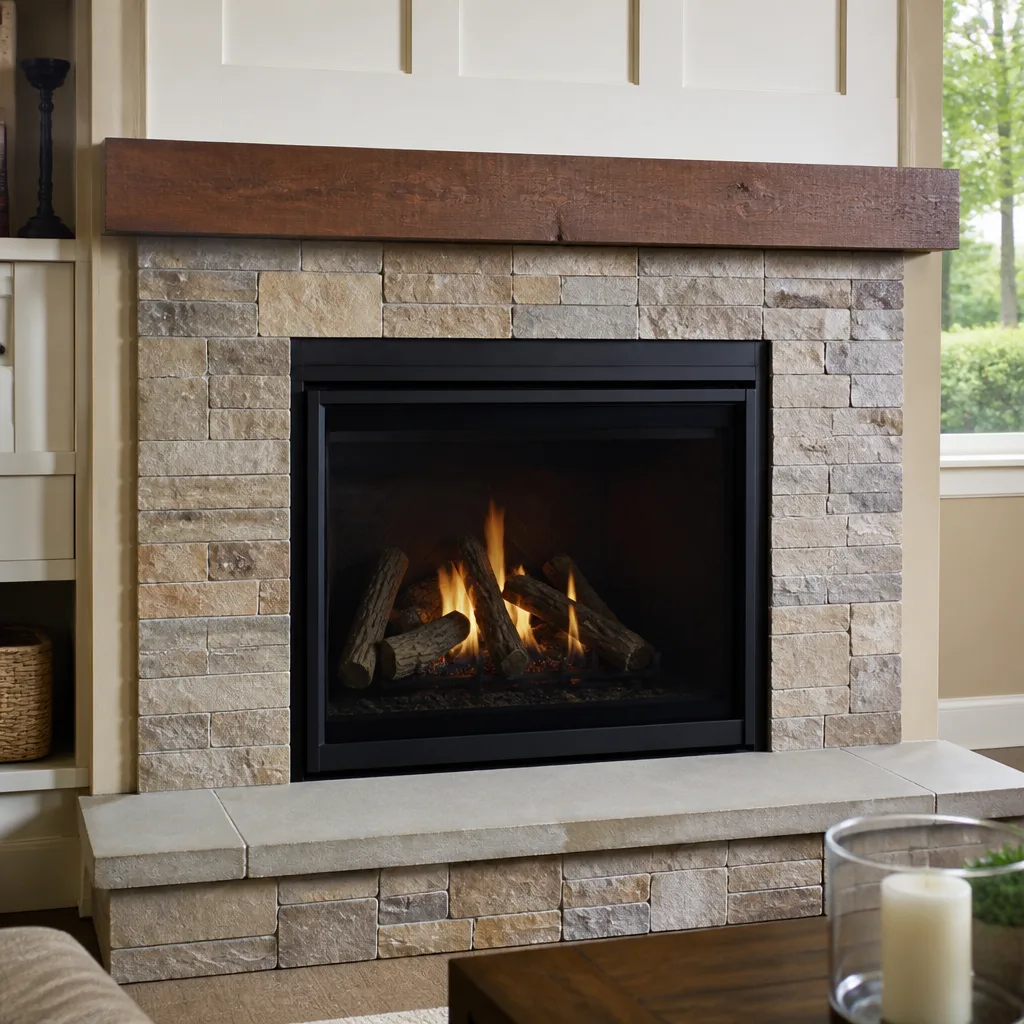 Gas fireplace service
Level 1 sweep and inspection to the NFPA 211 annual standard - flue, crown, cap, and flashing checked and photographed
Chimney sweep logs do not sweep chimneys. They loosen some creosote - which then falls where a brush and vacuum still have to collect it.
HeatShield Chimney Cleaning in Lake Forest, CA | San Bernardino Chimney Sweep
We provide independent HeatShield chimney cleaning, inspection, and resurfacing service throughout Lake Forest, and the one thing that sets our HeatShield work apart here is how well we know the 1970s Saddleback Valley tract flues that repeat across so many of the city’s neighborhoods. Most homes in Lake Forest were built between roughly 1965 and 1985, and the original clay tile liners in those fireplaces are now 40 to 60 years old. When we evaluate a HeatShield-coated flue in Lake Forest, we’re not working from a generic checklist; we’re looking for the failure patterns this specific housing stock produces.
We’re an independent HeatShield service provider, not a factory-authorized or manufacturer-affiliated dealer. That independence means we evaluate the actual condition of your flue before recommending anything, and we’ll tell you plainly when a clean and resurface is enough versus when the tile underneath is past saving. Call (877) 516-7159 to schedule a HeatShield evaluation in Lake Forest.
Why Lake Forest Residents Choose Us for HeatShield Service
Lake Forest’s housing stock is distinctive, and it shapes how HeatShield work gets done here. The city grew fast in the 1960s through the 1980s, and the builders ran the same plans block after block. That means a chimney sweep working in Lake Forest sees the same flue design over and over: original brick or stone masonry fireplaces, clay tile liners, and the wide, low chimney caps typical of Saddleback Valley models. When one of those flues has a HeatShield ceramic coating that’s failing, the cause is usually predictable, and we’ve seen enough of them to diagnose it accurately on the first visit.
Allen Prescott, our owner, grew up near the Kendall Drive corridor in San Bernardino and has spent close to three decades on chimneys and fireplaces across the Inland Empire and Orange County. He picked up the fundamentals of HVAC and building systems at San Bernardino Valley College before narrowing to chimney maintenance and venting safety. What that background means for Lake Forest homeowners is straightforward: when we inspect a HeatShield-lined flue here, we know what we’re looking at, and we’ll tell you exactly what we found, why it matters, and what actually needs to be done versus what can safely wait. Our HeatShield sales & service capability covers cleaning, evaluation, resurfacing, and repair, and we carry genuine HeatShield TherMix insulation and matching ceramic components for structural work. For full coverage details, see our Lake Forest service area page.
Styles & brands we work with
Common HeatShield Chimney Cleaning Problems We Solve in Lake Forest
Here’s what we actually find on HeatShield-coated chimneys in Lake Forest:
- Spalling and delamination over cracked original tile. Many Lake Forest homes built in the 1970s still have their original clay tile liners, and a lot of those tiles have cracked over the decades from heat cycling and minor seismic movement. When a HeatShield ceramic coating was applied over tile that was never banded or properly prepared, the coating eventually loses its bond and flakes off. We see this constantly in the Rancho-style and two-story tract plans south of El Toro Road and north of the 241. A routine cleaning will often expose the first signs; a Level 2 camera inspection confirms how deep it goes.
- Cracked or debonded lining at the smoke shelf and damper frame. The wide-capped Saddleback Valley builder models are notorious for this failure point. The smoke shelf sits right where moisture and acidic creosote accumulate, and the damper frame is a natural stress concentration. On Lake Forest homes with original dampers from the builder, the HeatShield material at this junction is frequently the first area to let go. We inspect the smoke shelf from inside the firebox on every HeatShield service call here, because that’s where the problems hide.
- Liner-top deterioration under debris-trapping caps. Lake Forest’s low, wide chimney caps, so common on the 1970s tract homes, do a poor job of shedding wind-driven debris. Hot, dry summers and Santa Ana wind events pack leaves, twigs, and fine grit under the cap lip, and that material holds moisture against the top of the HeatShield surface for months. The result is accelerated spalling at the liner crown, usually found only when we pull the cap or run the camera up top.
- Failed ceramic coating over lightly-used fireplaces. Some Lake Forest homeowners resurfaced their fireboxes with HeatShield-style refractory coating years ago but never really used the fireplace afterward. That sounds harmless, but a coating applied over spalled firebox brick that wasn’t properly ground and prepped will fail even without heavy use. We’ve pulled back coatings on Rancho-style fireplaces off Trabuco Road to find loose brick and failed mortar underneath. The coating didn’t cause the problem; the prep did.
- Creosote adhesion on ceramic surfaces. HeatShield ceramic linings have a smoother surface than raw clay tile, but they’re not creosote-proof. In Lake Forest, where fireplaces sit unused from roughly April through October, the creosote from the previous winter’s final fires hardens into a glaze that’s harder to remove than fluffy first-stage buildup. A standard brush-and-vacuum sweep won’t touch it in some cases; we use mechanical rotary tools when the glaze is heavy, then re-inspect the ceramic surface for adhesion loss before we call the job done.
HeatShield Service in Lake Forest: What Local Conditions Mean for Your Equipment
Here’s the Lake Forest-specific factor that shapes our HeatShield work more than anything else: the builders who put up the Saddleback Valley tracts in the 1960s and 1970s repeated the same plans block after block, and many of those masonry fireplaces were built with flues that are undersized by today’s standards for wood stoves and larger inserts. That’s not a one-off issue. It’s a neighborhood-wide pattern. Our techs will quote a HeatShield reline or liner-sizing conversation on one house off Ridge Route Drive, then find the identical flue dimensions on a house two streets over off Trabuco Road. When a homeowner in the 92630 ZIP wants to know whether their existing flue can safely serve a modern wood stove, we already know the answer from having measured the same model down the street. That means we can often walk a Lake Forest homeowner through liner sizing before we’re even on the roof. The undersized flue also explains why so many HeatShield coatings fail here: a flue that runs consistently too hot for its diameter stresses the ceramic surface, accelerates spalling at the smoke shelf, and shortens the coating’s service life. When we evaluate a HeatShield chimney in Lake Forest, we always measure the flue, not just clean it. The measurement tells us whether the coating failure is a material-prep issue or a sizing issue, and the two require very different fixes. If the flue is undersized, a fresh coating is a bandage, not a repair. We’ll say so outright.
On one Rancho-style tract home off Trabuco Road, our tech went up to find the characteristic low, wide cap packed with dry leaves. A Level 2 camera run showed cracked clay tile with a rusted damper shut against a HeatShield FireGuard-style ceramic coating that had already spalled off the smoke shelf. We pulled the blockage, ground and re-prepped the firebox and smoke chamber, and applied a fresh HeatShield ceramic resurface with TherMix where the tile had given up, then set a new cap so the same Santa Ana debris wouldn’t undo the job next fall. That job captured the whole Lake Forest pattern in one chimney: debris-trapping cap, original clay tile, coating failure at the smoke shelf, and a flue that had been running hot for decades.
HeatShield Models & Products We Service in Lake Forest
We service the full HeatShield product family as applied to residential chimneys: the HeatShield Cerium ceramic flue lining system, HeatShield TherMix insulating mortar, and ceramic firebox and smoke-chamber resurfacing of the FireGuard-refractory-coating type. When structural components are involved, we use genuine HeatShield TherMix and matching ceramic lining materials, not substitutes. For caps, dampers, and spark arrestors where the original parts have aged out, we’ll source quality aftermarket replacements that fit correctly, because the original cast or stamped parts on many 1970s Lake Forest fireplaces are no longer manufactured. Having HeatShield-specific materials on hand for common Lake Forest flue dimensions means most repair work doesn’t wait on a parts order. If a flue is sound, we clean and resurface it. If the tile beneath the coating is beyond saving, we’ll tell you straight that a full cast-in-place liner is the honest call rather than coating over a failing substrate. We stock for the flue sizes this area actually has, not a generic warehouse assortment.
See the difference
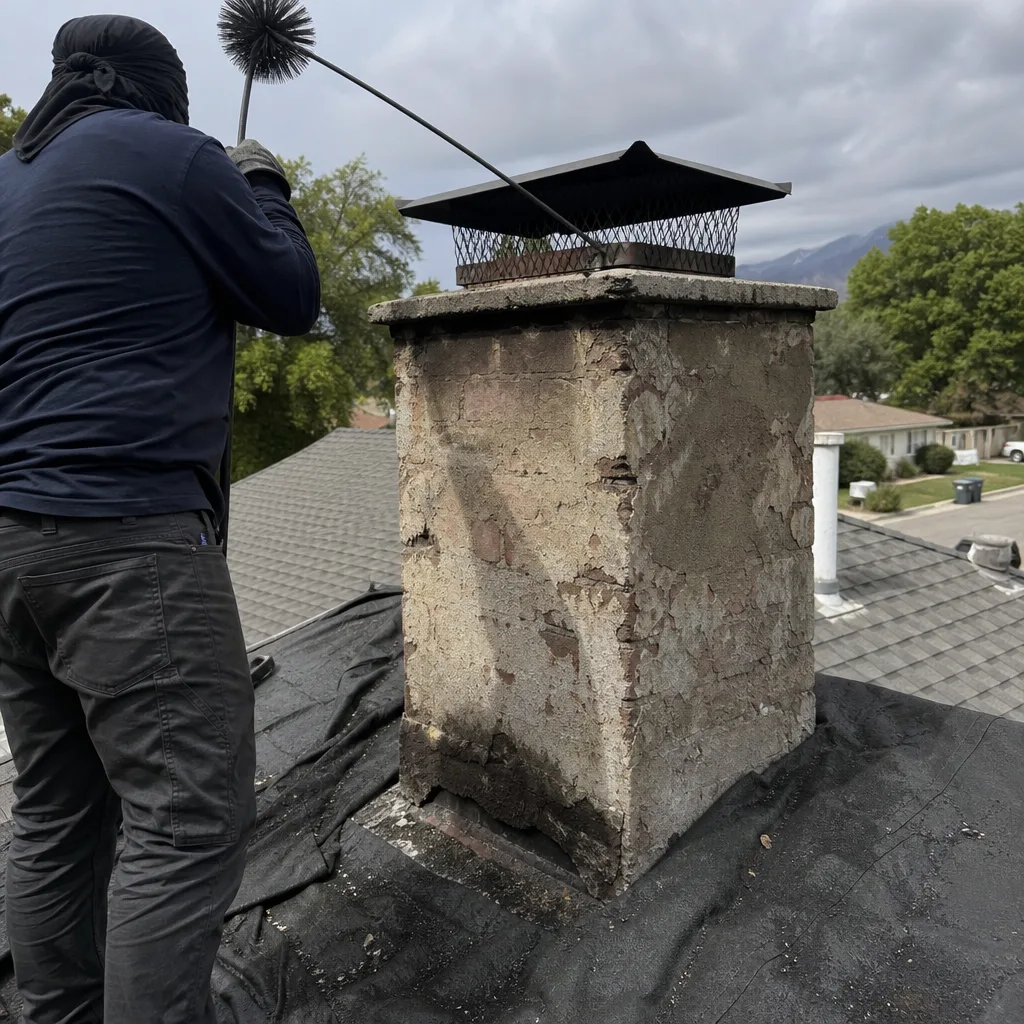 Before
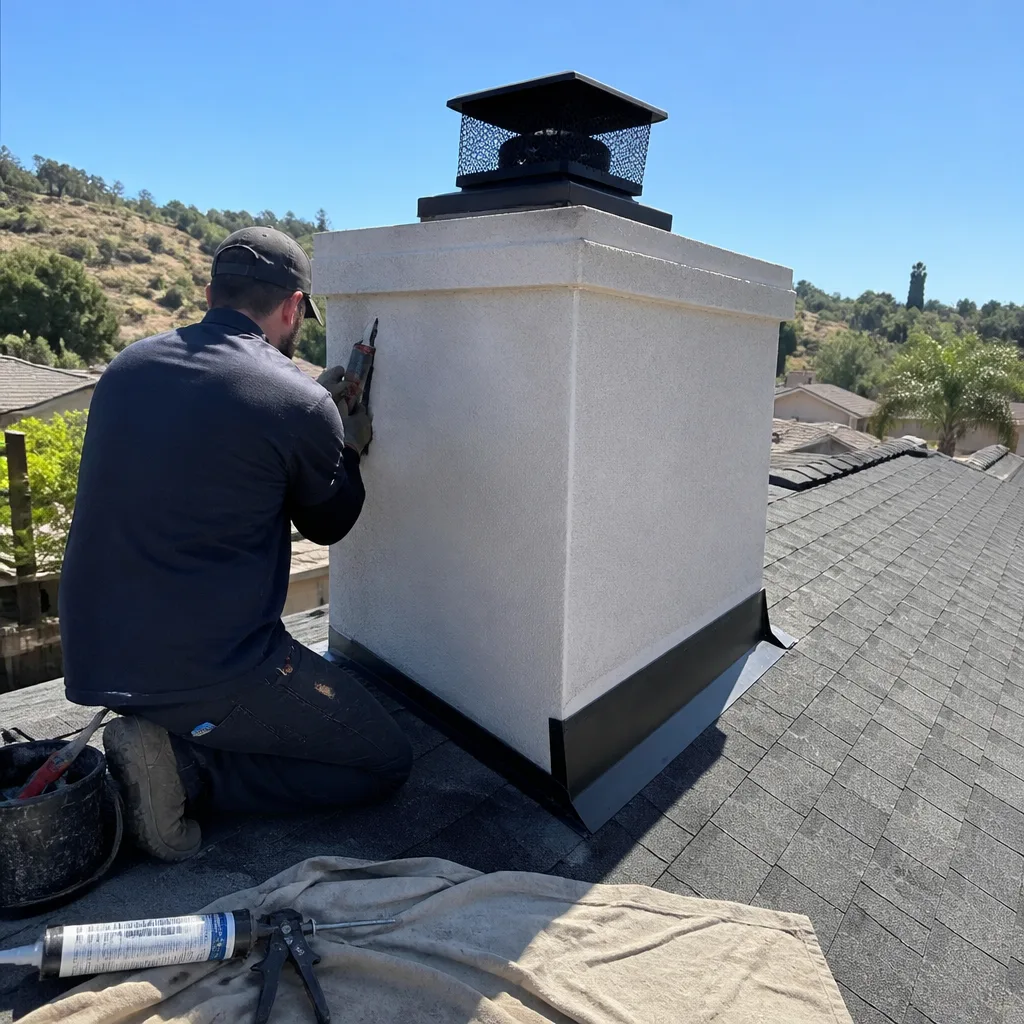 After
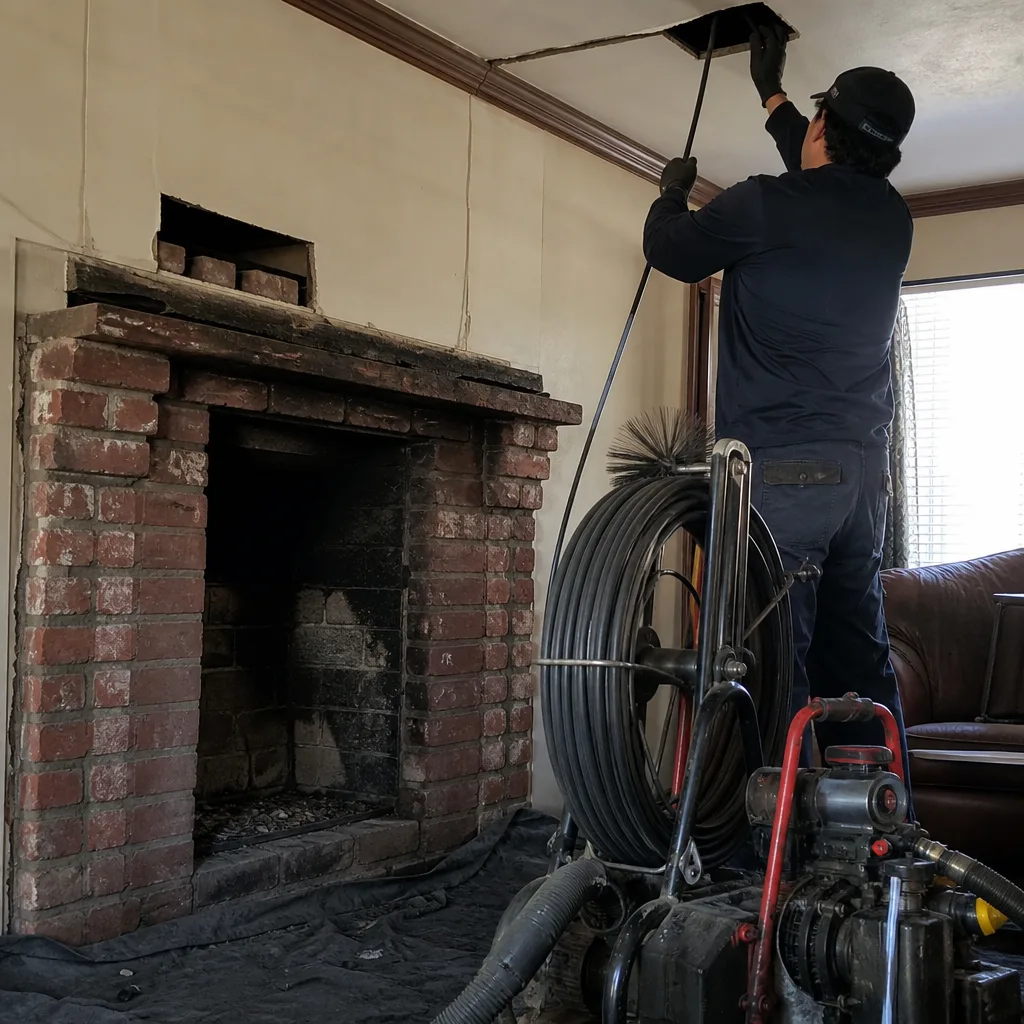 Before
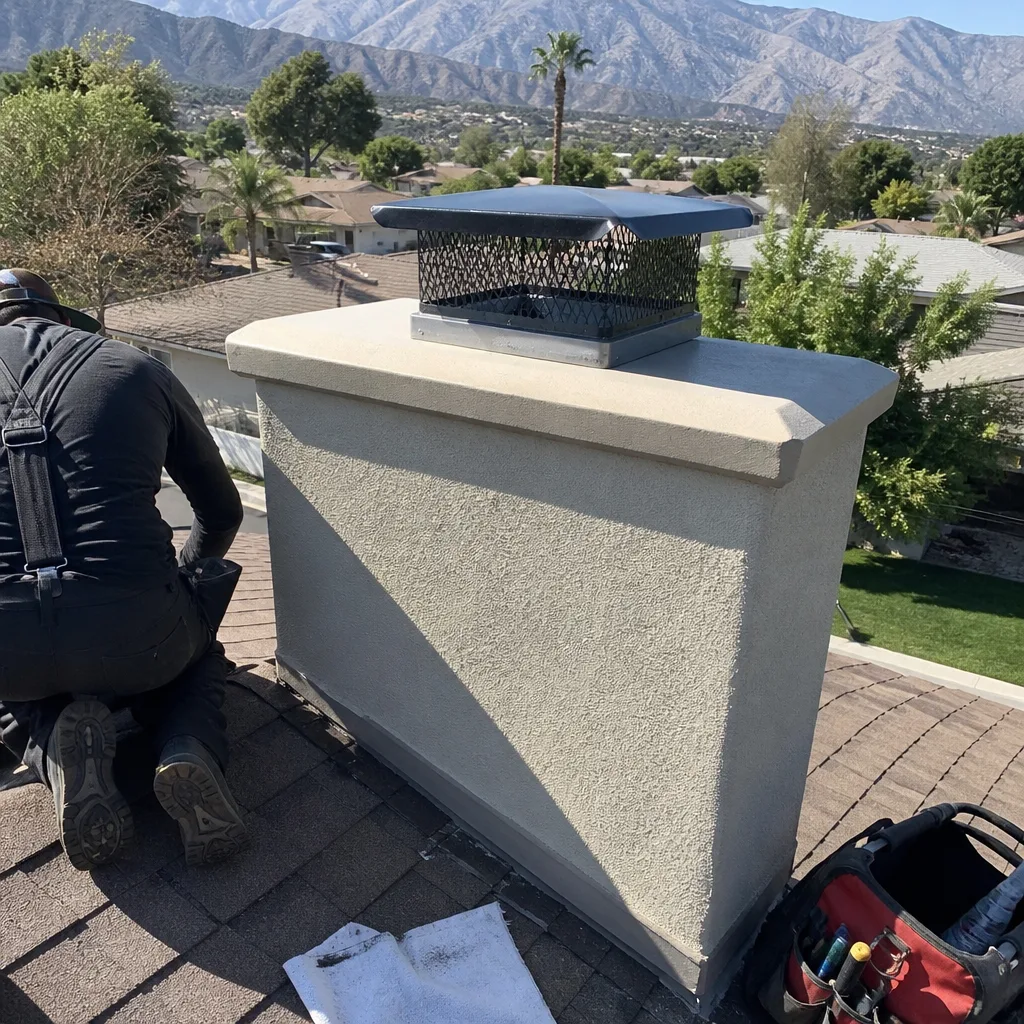 After
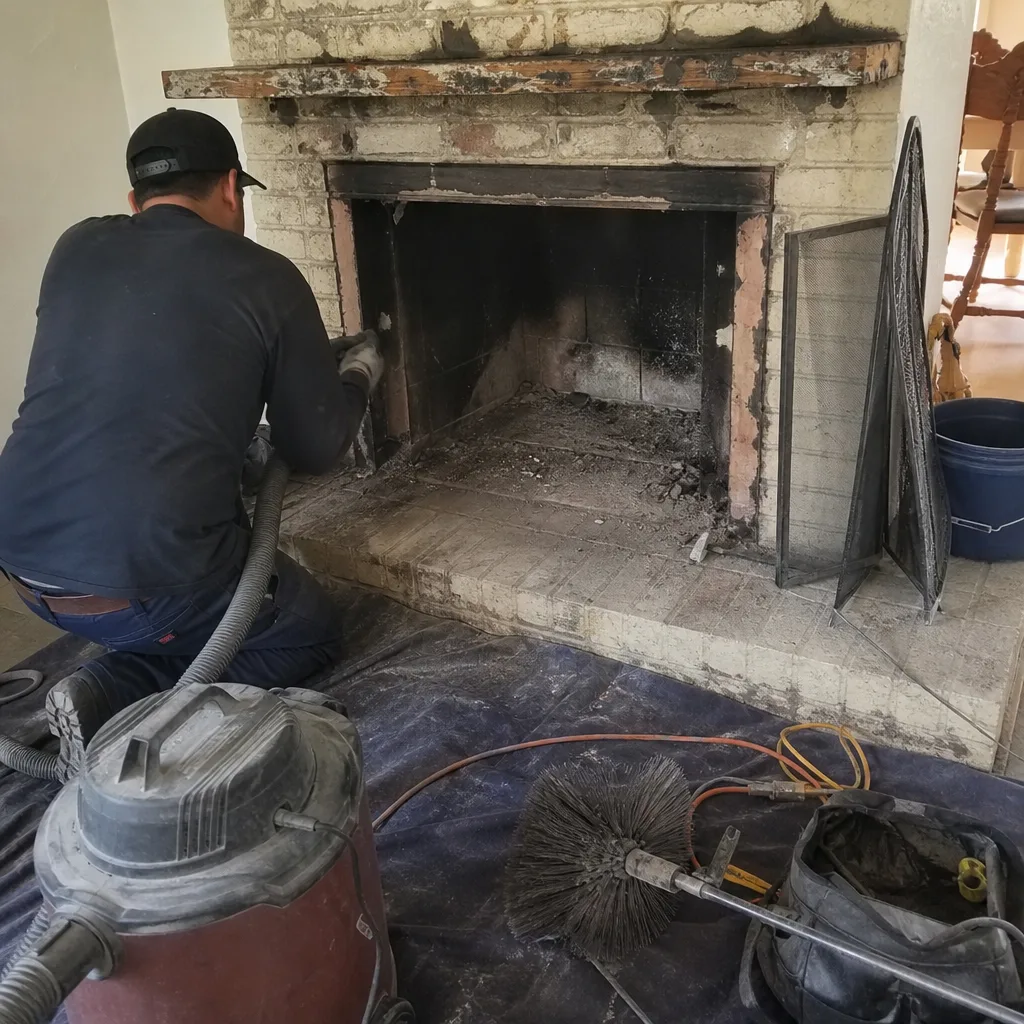 Before
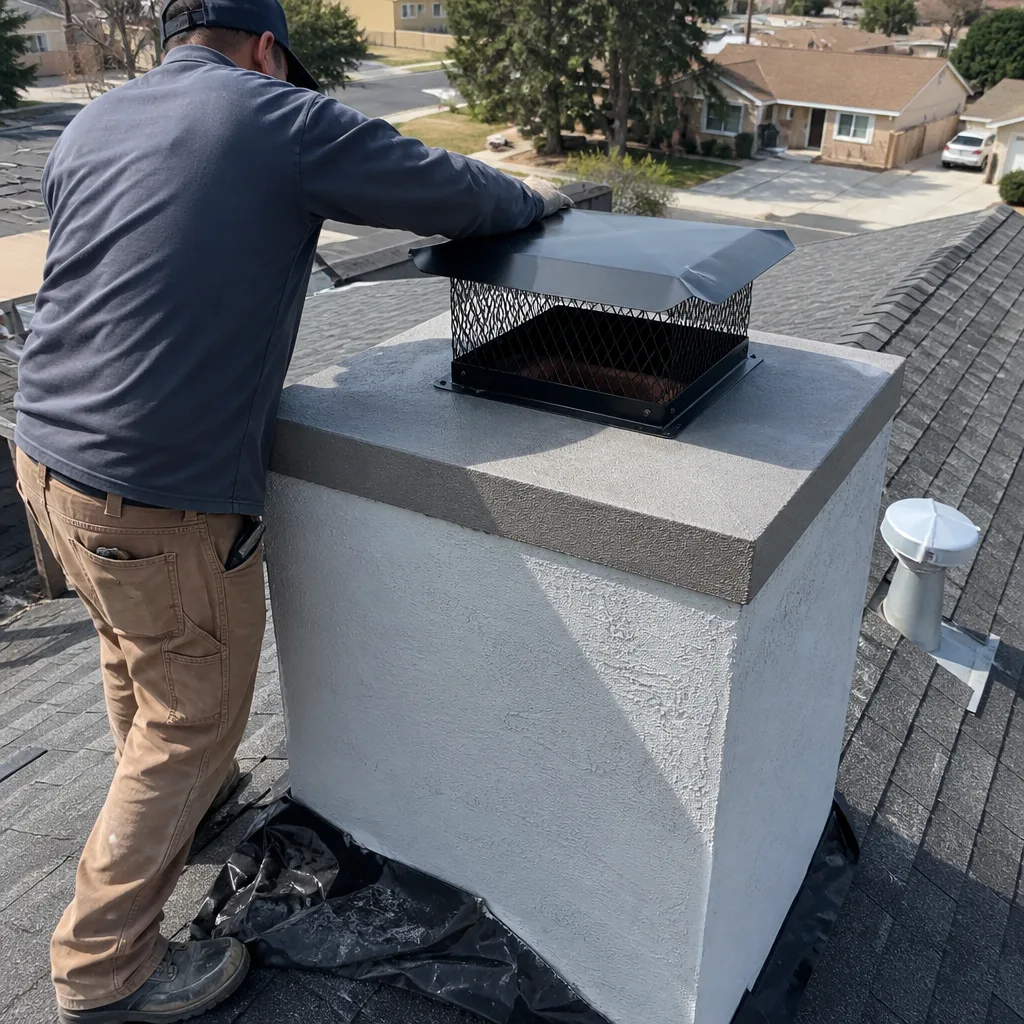 After
HeatShield Service Pricing in Lake Forest
HeatShield evaluation and resurfacing in Lake Forest varies with flue condition, liner length, and whether the smoke chamber requires full replaning or just touch-up. A standard chimney sweep and HeatShield coating inspection typically runs $180 to $340, depending on access and the amount of creosote removal required. A Level 2 camera inspection, which we recommend before any HeatShield resurfacing on an original 1970s clay tile flue, adds to that base. Full HeatShield Cerium resurfacing, including smoke chamber re-prep and TherMix application, generally runs from $2,500 to $6,000 for an average one-story Lake Forest tract fireplace; larger or two-story flues with difficult roof access push toward the upper end and sometimes beyond. A cast-in-place liner, if the tile is too far gone for resurfacing, falls in a similar range but delivers a structurally intact flue rather than a coating over compromised substrate. Every HeatShield evaluation includes the inspection findings in plain language, with the camera footage we used to reach the conclusion. You’ll see what we saw. Call (877) 516-7159 for an exact quote before any work; estimates are free, and we’ll tell you if the flue can safely wait another season.
Serving Lake Forest, CA — Our Local Coverage Area
We’re based in the Lake Forest area and know this community well. Use the map below to see our service coverage — if you’re nearby, we can almost certainly help.
FAQs – HeatShield Chimney Cleaning in Lake Forest
Most Lake Forest tract homes with original clay tile flues are candidates if the tile is cracked but still structurally intact and the flue is adequately sized for how you use the fireplace. HeatShield resurfacing works well when the underlying tile is compromised but not collapsed. If your flue was built undersized, a common issue in the repeating Saddleback Valley builder models, we’ll walk you through liner sizing before recommending a coating, because no resurfacing material fixes a fundamentally wrong flue diameter. Call (877) 516-7159 and we’ll assess yours.
The low, wide caps on many 1970s Lake Forest builder fireplaces have a shallow lip that traps wind-driven leaves, twigs, and grit rather than shedding them. When that debris sits against the liner top for months, it holds moisture and accelerates spalling of the HeatShield surface at the crown. We often replace these caps with a lower-profile design that lets debris blow clear while still keeping rain and animals out. The old cap wasn’t doing its real job anyway.
Yes, HeatShield ceramic firebox resurfacing can repair a cracked firebox on the original brick fireplaces common in Lake Forest, provided the brick and mortar underneath are sound. The critical step is preparation: the firebox surface must be ground clean and the spalled or loose material removed before the ceramic coating is applied. If the firebox brick has shifted or the mortar bed is crumbling, a coating won’t save it, and we’ll tell you that before we start. We find and we fix it, but we don’t coat over a failing substrate.
For any HeatShield resurfacing decision on a Lake Forest home with an original clay tile flue, we recommend a Level 2 inspection. A Level 1 is a visual check of the accessible parts and is fine for a routine sweep. A Level 2 uses a camera run through the full flue length and is the only way to see the condition of the clay tile behind the HeatShield coating, the smoke shelf, and the liner top under the cap. We won’t quote resurfacing without that camera evidence, and we’ll show you the footage.
They help, but they’re not a substitute for proper cap design and flue sizing. Crown repair keeps water from seeping into the masonry around the liner top, which protects the HeatShield coating’s upper edge. What they won’t do is stop failure at the smoke shelf or correct an undersized flue, which are the two most common HeatShield failure points on Lake Forest’s 1970s tract homes. We address the crown and cap as part of a resurfacing job when they’re contributing to the problem, but the flue itself has to be right first. Call (877) 516-7159 to schedule an evaluation.
Service Areas Near Lake Forest
We serve Lake Forest and the surrounding Orange County and Inland Empire communities. Looking for HeatShield service in a neighboring city? See our HeatShield service in Duarte page or our HeatShield service in La Habra page. We also regularly work in Rubidoux, San Bernardino, Colton, Muscoy, Loma Linda, and Rialto.
Book Your HeatShield Service in Lake Forest Today
If your Lake Forest fireplace has a HeatShield coating that’s showing its age, or if you simply want the flue cleaned and evaluated by someone who knows these 1970s tract chimneys specifically, call (877) 516-7159. We’ll schedule your evaluation, walk you through what we find, and give you a straight answer on what needs doing now and what can wait. A clean flue isn’t a luxury; it’s just how you keep the fire where it belongs.
Written by Allen Prescott, Owner at San Bernardino Chimney Sweep, providing independent HeatShield chimney cleaning and resurfacing service in Lake Forest, CA since the early years of the Inland Empire’s tract-home boom.