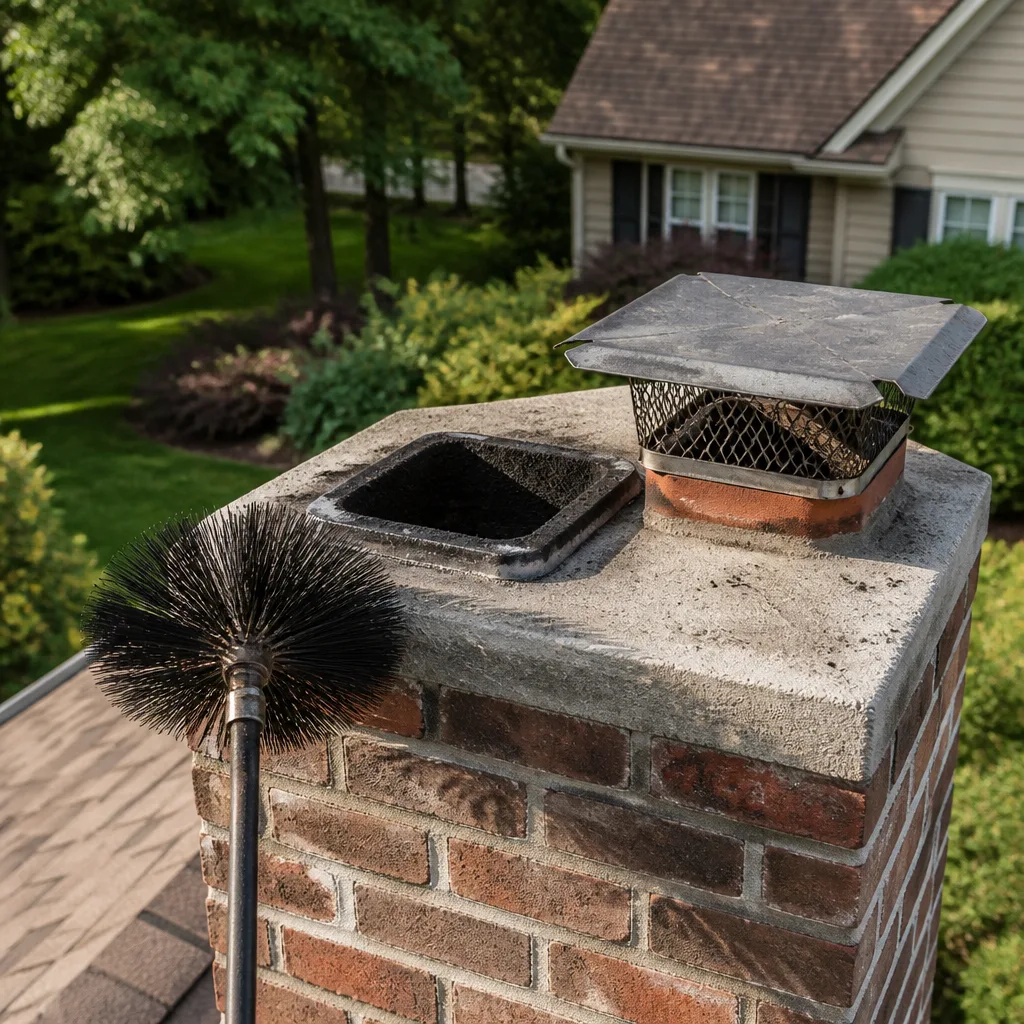
 Sweep & inspection
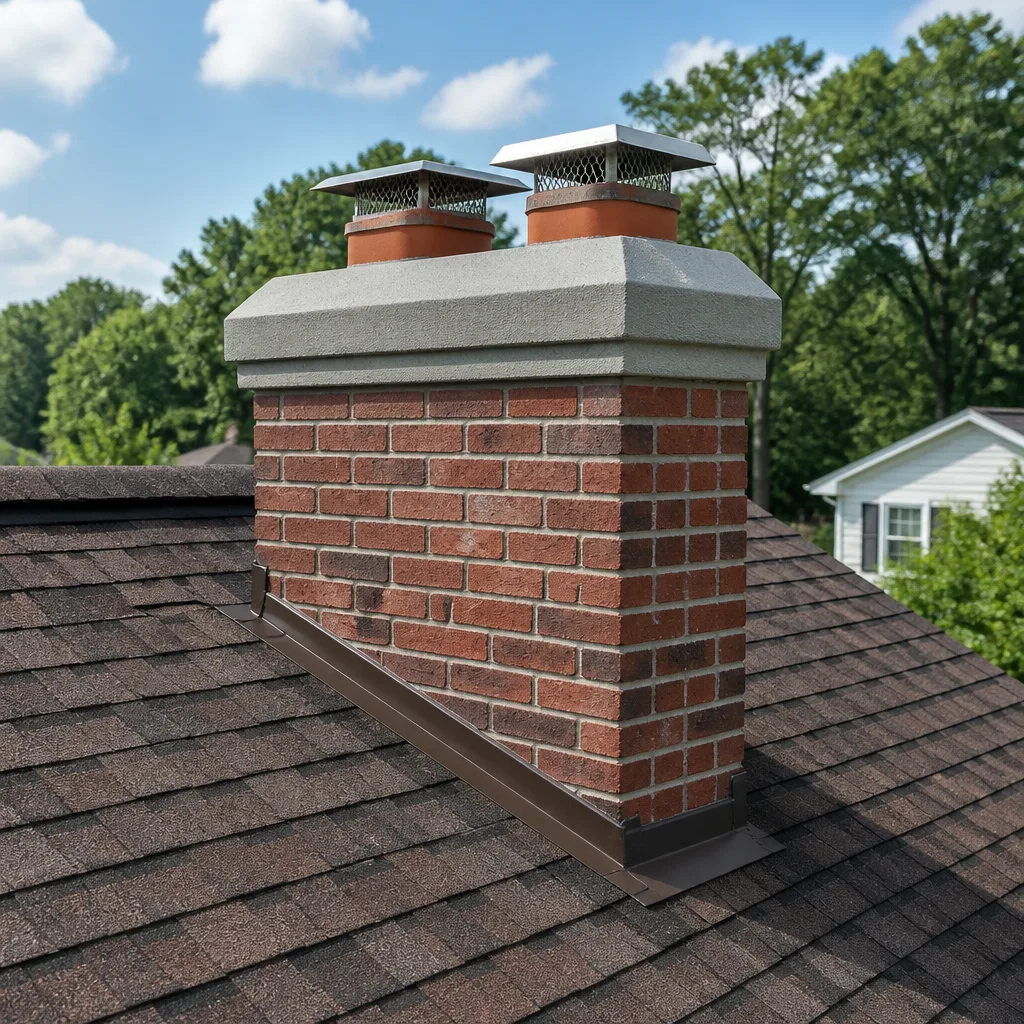 Caps & crowns
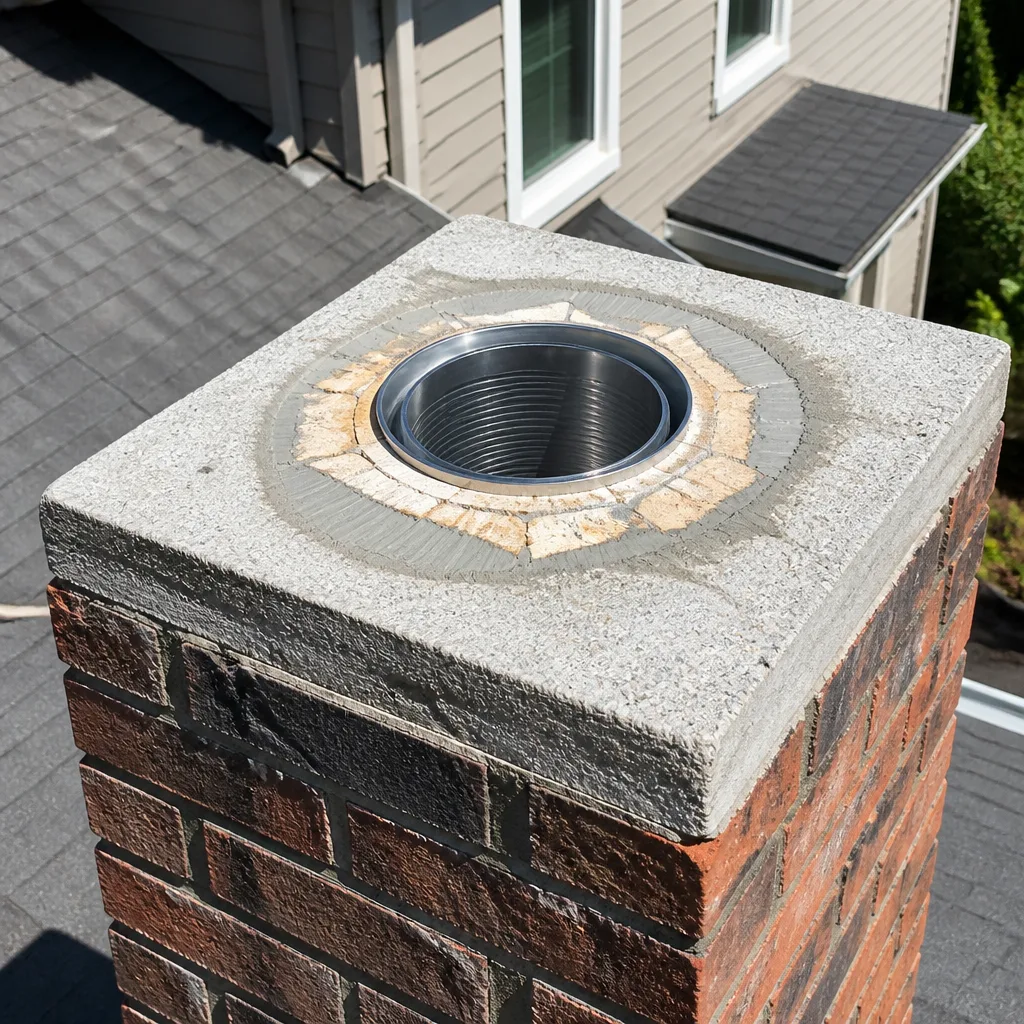 Flue relining
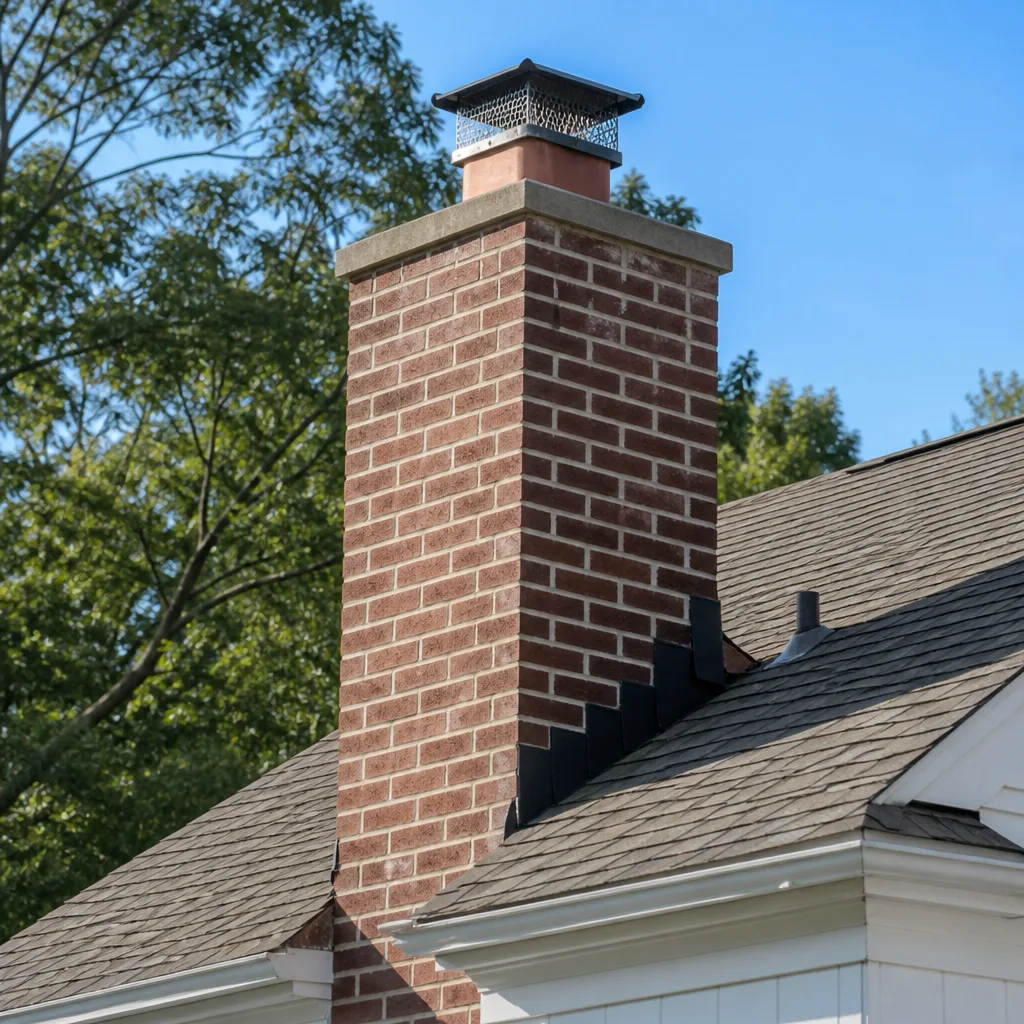 Masonry repair
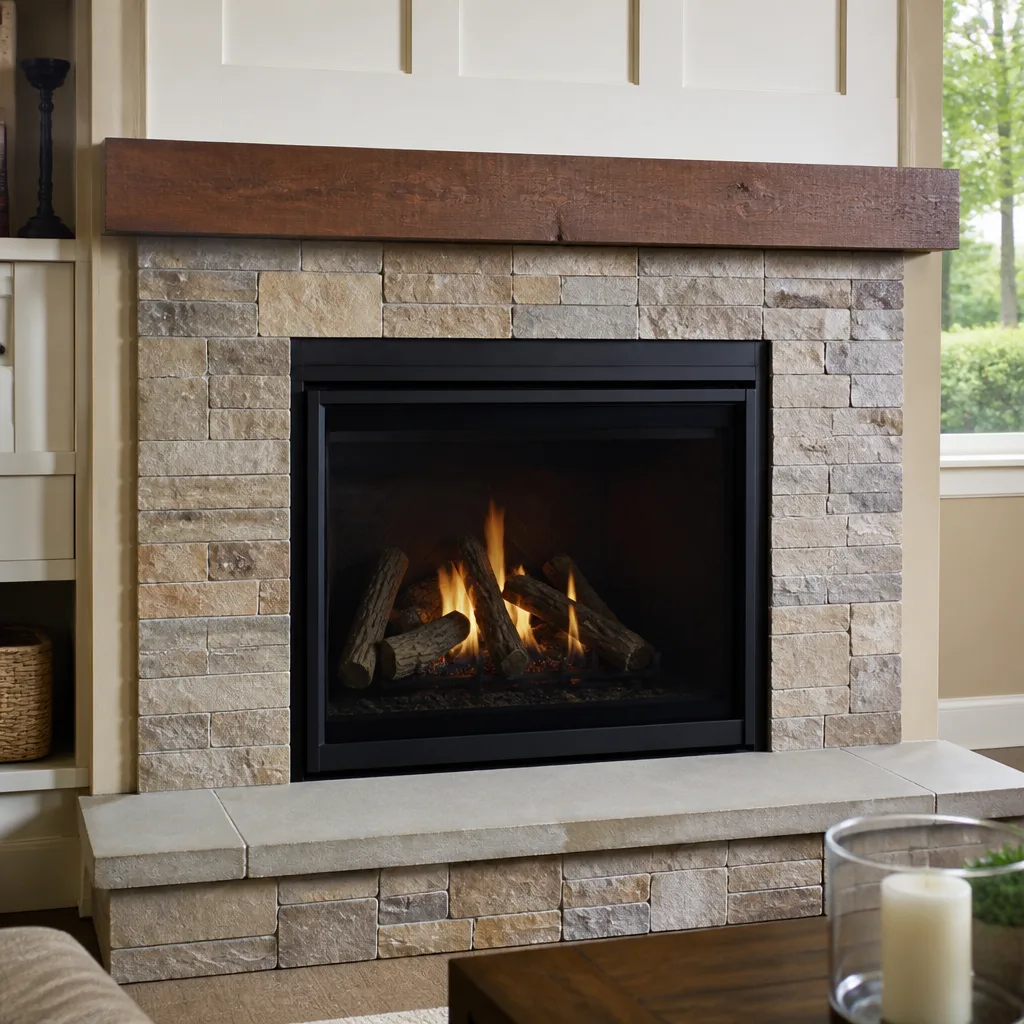 Gas fireplace service
Level 1 sweep and inspection to the NFPA 211 annual standard - flue, crown, cap, and flashing checked and photographed
Chimney sweep logs do not sweep chimneys. They loosen some creosote - which then falls where a brush and vacuum still have to collect it.
Why San Bernardino Homeowners Choose HeatShield Chimney Cleaning
Our San Bernardino HeatShield service is the process of sweeping, inspecting, and maintaining a chimney that has been treated with HeatShield’s Armor or CeCure liner systems. We’re an independent HeatShield service provider, not a manufacturer-authorized dealer, which means we evaluate the coating honestly, tell you if it’s still doing its job, and recoat or repair only when the flue actually needs it. San Bernardino’s older masonry fireplaces, especially those in the downtown core and the foothill neighborhoods, need this kind of straight assessment because HeatShield coatings on aging brick behave differently than they do on newer construction. Call (877) 516-7159 for a free estimate.

Allen Prescott, our owner, has spent nearly three decades working on Inland Empire chimneys and fireplaces. He grew up near the Kendall Drive corridor in San Bernardino, picked up the fundamentals of HVAC and building systems at San Bernardino Valley College, and then narrowed his focus to chimney maintenance and venting safety. We’ve seen enough HeatShield service in Muscoy and across this city to know exactly how the Armor coating ages, where it separates, and when it’s genuinely protecting the flue versus masking a failing one.
Why Trust San Bernardino Chimney Sweep for Your HeatShield Chimney Cleaning?
Most chimney companies in San Bernardino can sweep a flue. Far fewer can look at a HeatShield Armor coating that’s been in place for ten years, identify whether it’s bonded or delaminating, and then do something about it. We can. Our technicians work with HeatShield’s full product line regularly, so when we arrive at a home near the Santa Fe Depot or up by the foothills, we already know the failure patterns to look for: debonding above the damper, cracking along mortar joints, loss of bond at the crown transition. We don’t need to guess.
We also use genuine HeatShield materials for recoating and re-sleeving. The product chemistry and cure behavior stay consistent when you use HeatShield Armor to patch HeatShield Armor. Aftermarket patch compounds don’t bond the same way, and on a flue that’s carrying heat and acidic condensate, that matters. Allen has built his reputation on straight talk, and that means we’ll tell you if the coating is fine, if it needs a targeted repair, or if the underlying tile is too far gone for any resurfacing product to save. We find it and we fix it, and we explain what we found before we fix anything.
Styles & brands we work with
Common HeatShield Chimney Cleaning Problems We Fix in San Bernardino
HeatShield products are good systems, but they have real-world failure modes. Here’s what we actually see on San Bernardino chimneys:
- Armor coating delamination above the damper. This is the most common HeatShield problem in San Bernardino’s older homes. If the original flue wasn’t thoroughly cleaned and primed before the Armor was applied, the coating can debond in a ring just above the damper. Creosote packs into the pocket behind the coating, and the flue keeps drawing smoke through a space that looks fine from the hearth. We sweep out the trapped creosote and document what’s underneath with a Level 2 inspection camera.
- CeCure Sleeve buckling on offset flues. CeCure Sleeve is a cured-in-place liner, meaning it’s inflated into the flue and cured against the existing tile. If the flue has offset tiles or was poorly prepared, the sleeve can buckle or wrinkle, which restricts draft and creates gaps at the seams. We find this most often on 1920s-1950s masonry chimneys where the original flue tiles weren’t aligned cleanly to begin with.
- Armor surface cracking along mortar joints. San Bernardino sits in a seismic zone, and older masonry chimneys flex. When a chimney shifts slightly after the HeatShield Armor has cured, the coating can crack along the mortar joints where the movement concentrates. That exposes the original tile to acidic condensate from wood burning. We see this regularly on the Spanish Colonial Revival and bungalow-era homes around the Carousel district.
- Loss of bond at the crown transition. This is a top-down failure. Water works its way between the HeatShield material and the crown, especially after Santa Ana wind events stress the cap and crown. Over time, the coating debonds from the top and water intrusion works its way down. By the time a homeowner notices staining on the chimney exterior, the liner bond at the top is already compromised.
- Creosote loading on HeatShield-lined flues in foothill homes. HeatShield liners still accumulate creosote, and homes on San Bernardino’s north side and along the Waterman Avenue corridor burn a lot of real wood. Those flues see heavy creosote loading in a short burn season, and if the coating has even a small delamination, the creosote packs in behind it and becomes a fire hazard that a routine sweep can’t fully address.
HeatShield Parts & Our Repair-vs-Replace Approach
We stock genuine HeatShield Armor and CeCure materials locally so we can move quickly on recoating and re-sleeving jobs without waiting on a shipment. We don’t stock aftermarket patch compounds for HeatShield work because they don’t bond the same way. The chemistry matters: a flue liner is exposed to heat cycling, acidic condensate, and mechanical stress from the chimney flexing. Mixing product chemistries on a repair is how you get another failure in three years.
Our repair-vs-replace decision is straightforward. If the existing HeatShield coating has delaminated in a small area and the underlying tile is intact, we clean the area, re-prime it, and recoat with genuine HeatShield Armor. If the coating has failed across a large surface or the underlying tile is spalled, glazed, or structurally compromised, we tell you that a re-sleeve with CeCure or a full rebuild is the honest answer. A resurfacing product won’t rescue a flue that’s already lost its structural integrity. We’d rather disappoint you with the truth than sell you a coating that fails the next season. Call (877) 516-7159 and we’ll walk you through what we find.
Our HeatShield Service Process – Step by Step
- 1
Diagnosis. We start with a full sweep and a Level 2 video inspection. The camera shows us the condition of the HeatShield coating or sleeve inch by inch, from the firebox to the crown. We look for debonding, cracking, buckling, and water intrusion. You see the footage, not just our word for it.
- 2
Assessment and honest recommendation. If the coating is intact, we clean the creosote and tell you it’s fine. If there’s a localized failure, we quote a recoating job with genuine HeatShield Armor. If the liner is too far gone, we quote a CeCure re-sleeve or a rebuild. We don’t recommend work the flue doesn’t need.
- 3
Repair or recoating. For recoating, we clean and prime the surface, then apply HeatShield Armor in the correct thickness. For re-sleeving, we install the CeCure Sleeve and cure it per HeatShield’s specifications. We use HeatShield Heatseal insulation backfill where the installation calls for it.
- 4
Testing. After any HeatShield repair, we run a draft test and re-inspect with the camera to verify the coating or sleeve is seated correctly from top to bottom. We check the crown transition and damper area specifically, because those are the spots where HeatShield work most often fails in San Bernardino.
- 5
Documentation. We provide photo and video documentation of the work for your records and for any future warranty claims. If you sell the home, that documentation is worth having.
See the difference
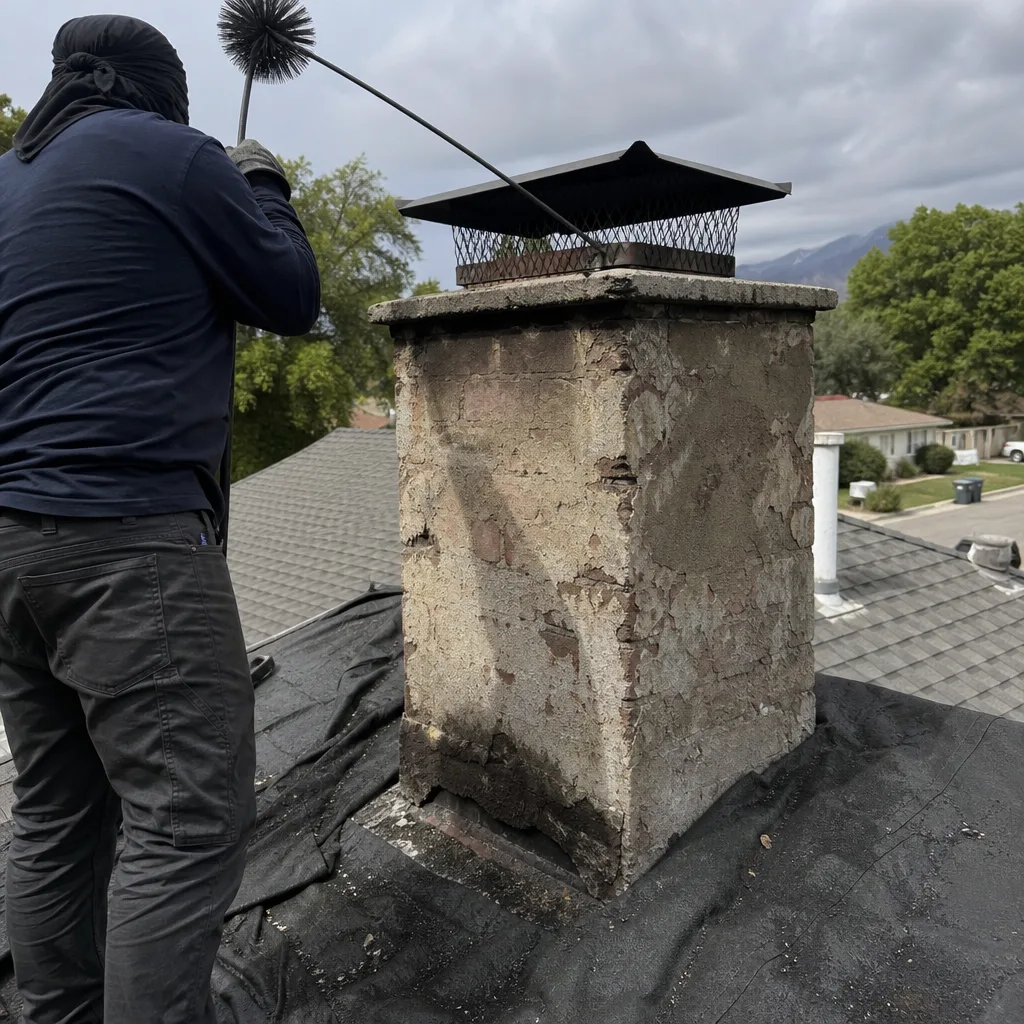 Before
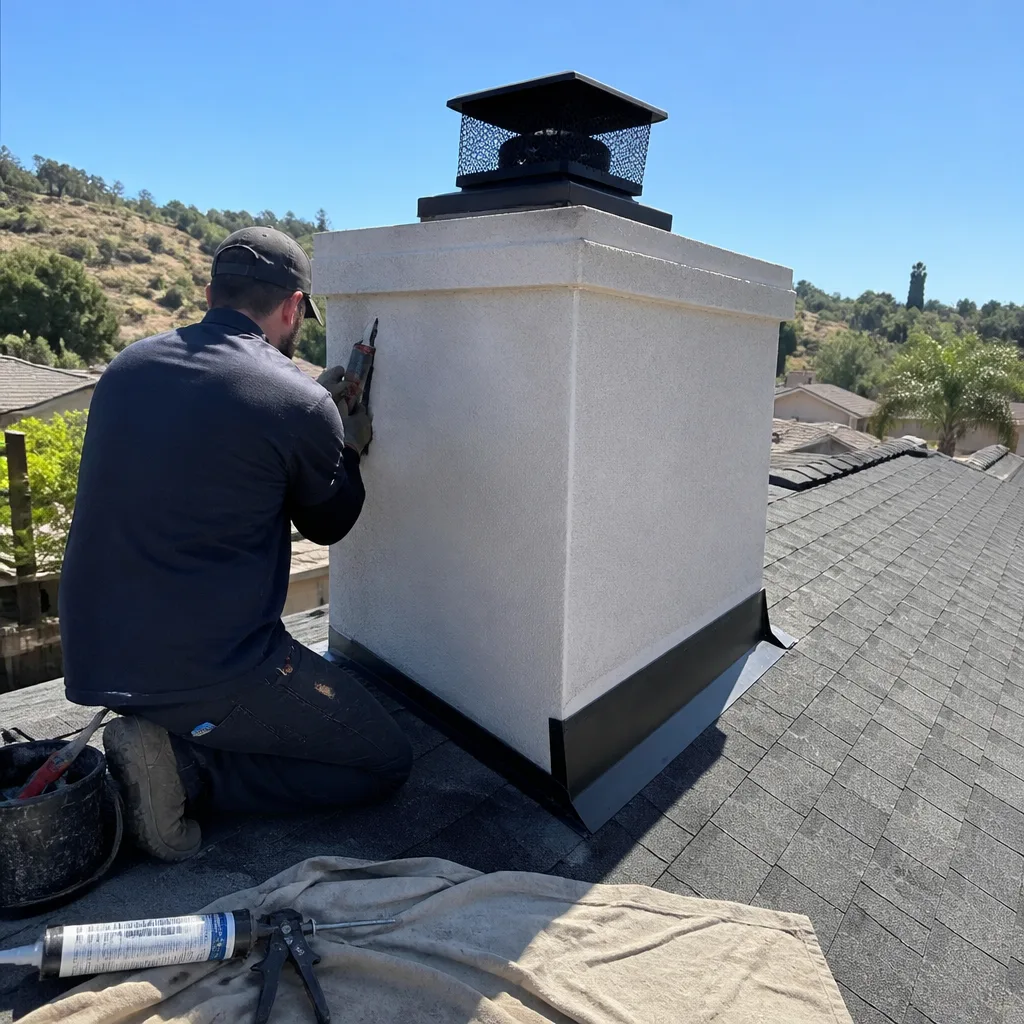 After
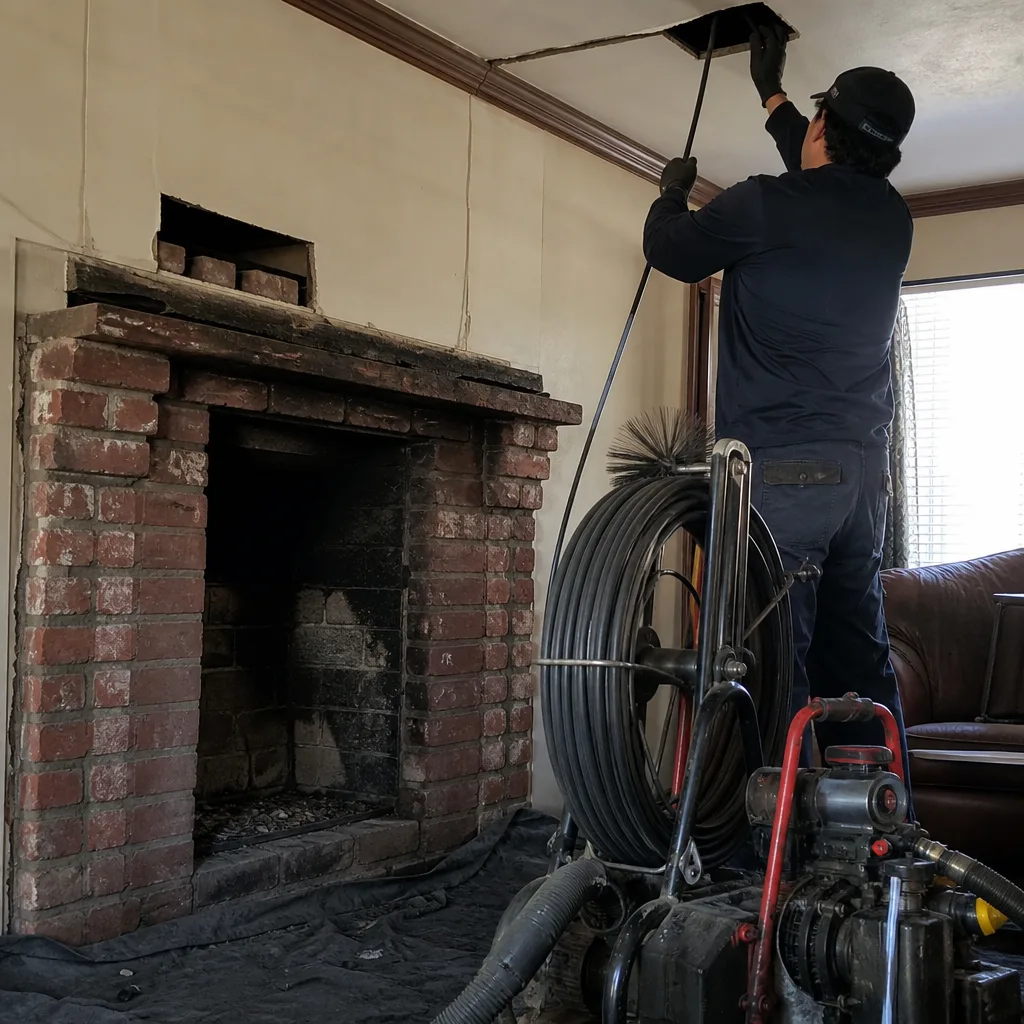 Before
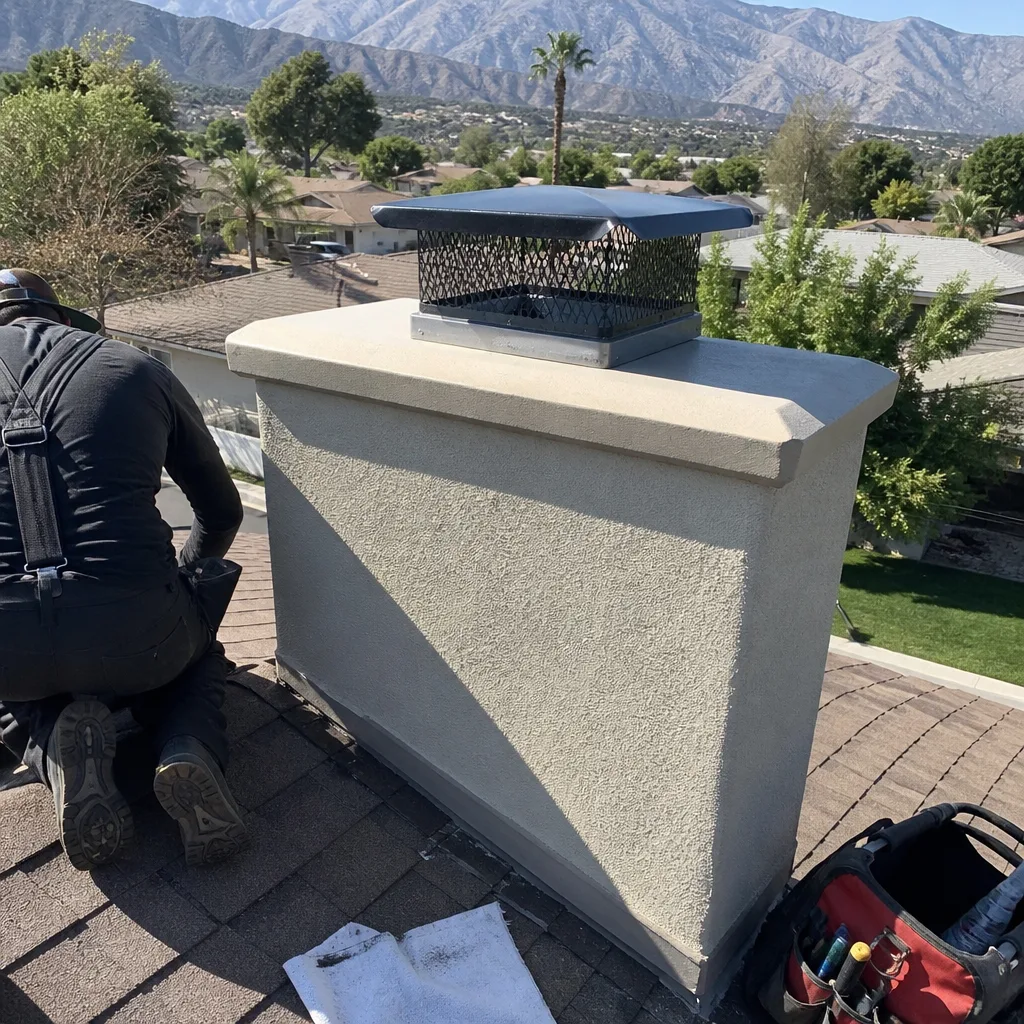 After
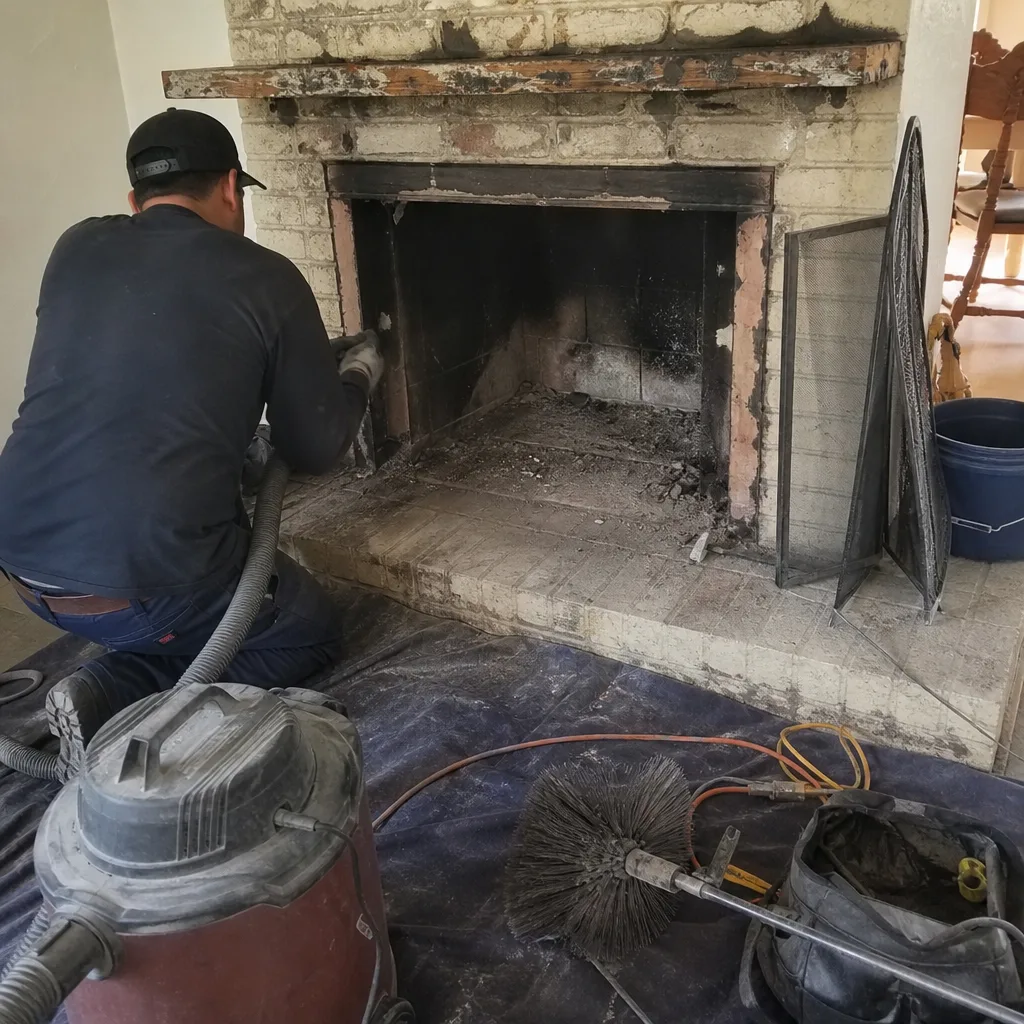 Before
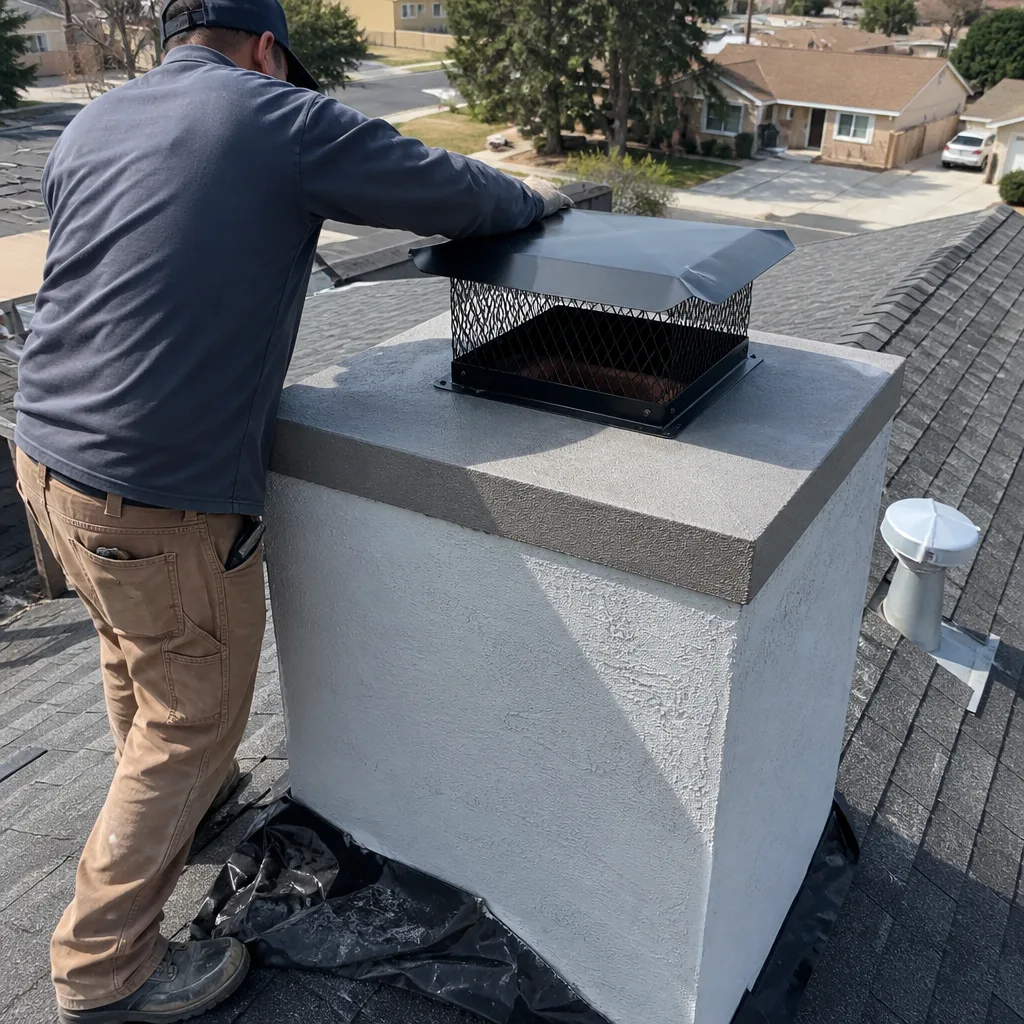 After
HeatShield Products We Service & Install in San Bernardino
We work with the full HeatShield line: Armor (cast-in-place flue resurfacing compound), CeCure Sleeve (cured-in-place flue liner), Heatseal (insulation backfill), and Armor Plus two-coat resurfacing systems. We stock genuine HeatShield Armor and CeCure materials locally for HeatShield in Highland and San Bernardino recoating and re-sleeving work, which means shorter turnaround on repairs. If you have a HeatShield liner that’s showing signs of failure, or if you’re considering HeatShield as a relining option for an older masonry fireplace, we can install it or service it. Contractor-grade materials, not hardware-store substitutes.
We Also Service These Brands
HeatShield isn’t the only liner system we work with. We also install and service DuraFlex flexible liner systems and Gelco products. That matters because we’re not locked into one brand’s answer for every chimney. If DuraFlex makes more sense for your specific flue configuration, we’ll tell you that. Multi-brand experience means better recommendations for your chimney, not just the one brand we happen to favor.
FAQs – HeatShield Chimney Cleaning Service in San Bernardino
How do I know if the HeatShield Armor on my flue is still actually protecting it? You can’t tell from looking at the hearth. The only way to know is a Level 2 camera inspection that shows the full liner surface. On a 1950s masonry chimney off the base of the foothills, we once found an older HeatShield Armor job that had debonded in a ring just above the damper, with creosote packed behind the coating and glazed, cracked flue tile underneath. The homeowner thought the liner was fine because the fireplace burned without visible problems. Call (877) 516-7159 if you want a real answer instead of a guess.
Can you sweep creosote off a HeatShield-lined flue without damaging the coating? Yes, if the coating is properly bonded. We use brushes and tools appropriate for the liner surface and sweep carefully around areas where the coating is thin or delaminated. The risk is sweeping a flue where the coating has already failed, because the brush can catch on the debonded edge and peel it further. That’s another reason we inspect before we sweep when HeatShield is involved.
My HeatShield CeCure Sleeve feels tight and my fireplace smokes – is that the liner? Possibly. CeCure Sleeve buckling or wrinkling on flues with offset tiles is a known failure mode, and it creates draft restriction that can cause smoking. We see it on older San Bernardino masonry where the original flue tiles weren’t aligned cleanly. It can also be a damper issue or a crown obstruction, so we diagnose before we blame the liner. But yes, a buckled CeCure Sleeve can absolutely restrict draft enough to push smoke back into the room.
Does a HeatShield coating ever need to come out and be redone? Yes. Armor coating delamination, surface cracking along mortar joints, and loss of bond at the crown transition are all conditions where the existing coating has failed and needs to be removed or re-prepared before a new coating goes on. We don’t recoat over a failed coating. The old material has to be broken out or mechanically prepared so the new HeatShield Armor bonds to the flue surface, not to a layer of loose old coating. Call (877) 516-7159 for an exact quote, and we’ll show you the camera footage that explains the recommendation.
Will waterproofing the chimney exterior affect my HeatShield liner? No, not directly. The liner is inside the flue, and exterior waterproofing is on the outside of the masonry. What will affect your HeatShield liner is water getting in from the top, through a cracked crown or a damaged cap, and working between the masonry and the coating. Waterproofing the exterior won’t stop that top-down intrusion. We always check the crown and cap when we service a HeatShield chimney because top-down water is one of the leading causes of coating failure in San Bernardino.
How much does HeatShield chimney cleaning cost in San Bernardino? A HeatShield chimney cleaning and Level 2 inspection in San Bernardino typically runs $275-$450 depending on the flue condition, with recoating and re-sleeving jobs priced separately after we see the camera footage. Recoating a small delaminated area usually runs a few hundred dollars, while a full CeCure re-sleeve is a larger job that depends on the flue height and access. Call (877) 516-7159 for a free estimate. We’ll give you numbers based on what we actually find, not a generic figure pulled from a brochure.
Is San Bernardino Chimney Sweep authorized by HeatShield? No. We’re an independent HeatShield service provider, which means we install and repair HeatShield products but we’re not an authorized dealer or manufacturer representative. That independence matters because our judgment is our own. We’ll tell you when the coating is fine and when it genuinely needs work, because we’re not working toward a manufacturer’s sales target.
Book Your HeatShield Service in San Bernardino, CA
If you own a fireplace with a HeatShield liner in San Bernardino, or you’re considering HeatShield repair in Loma Linda or elsewhere as a relining option, call us at (877) 516-7159. We’ll schedule a sweep and Level 2 inspection, show you exactly what’s in your flue, and recommend only what the liner actually needs. A clean flue isn’t a luxury, it’s just how you keep the fire where it belongs.