Last updated October 30, 2026
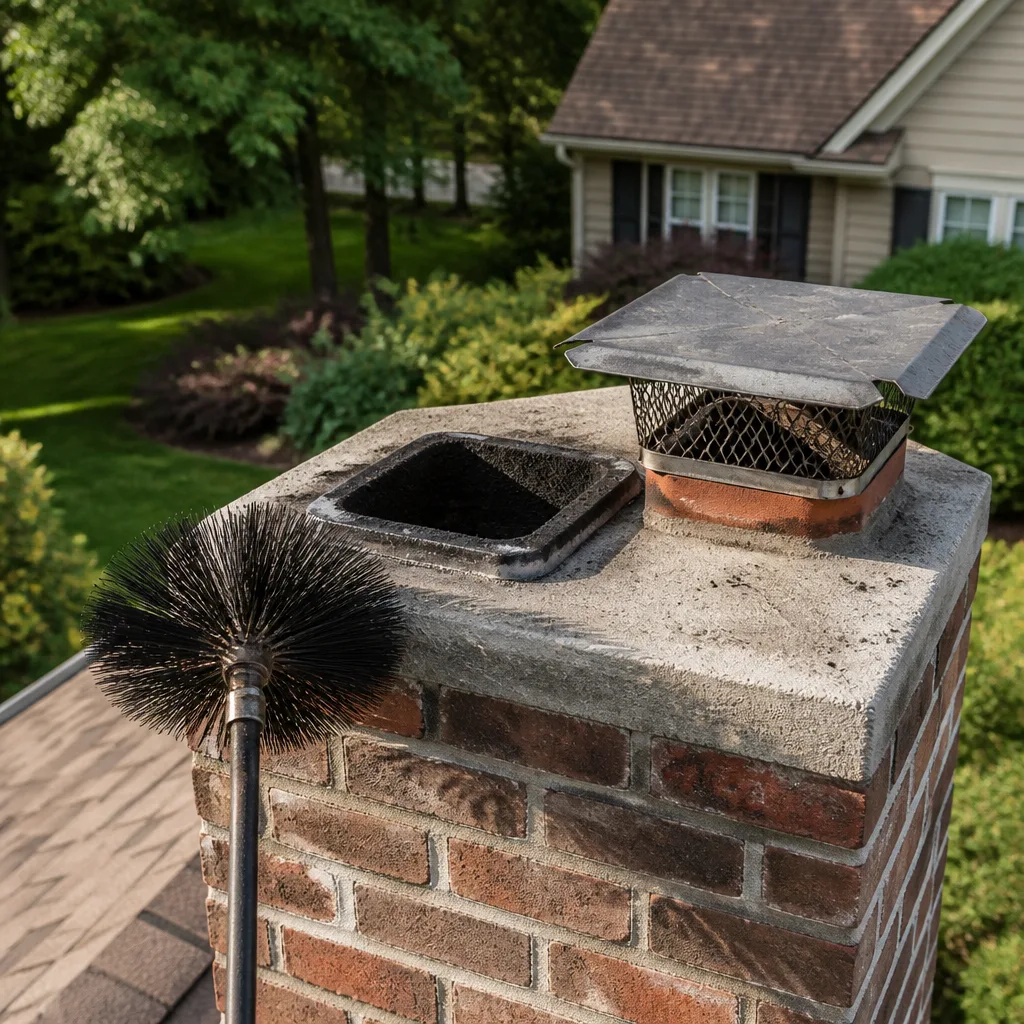 Sweep & inspection
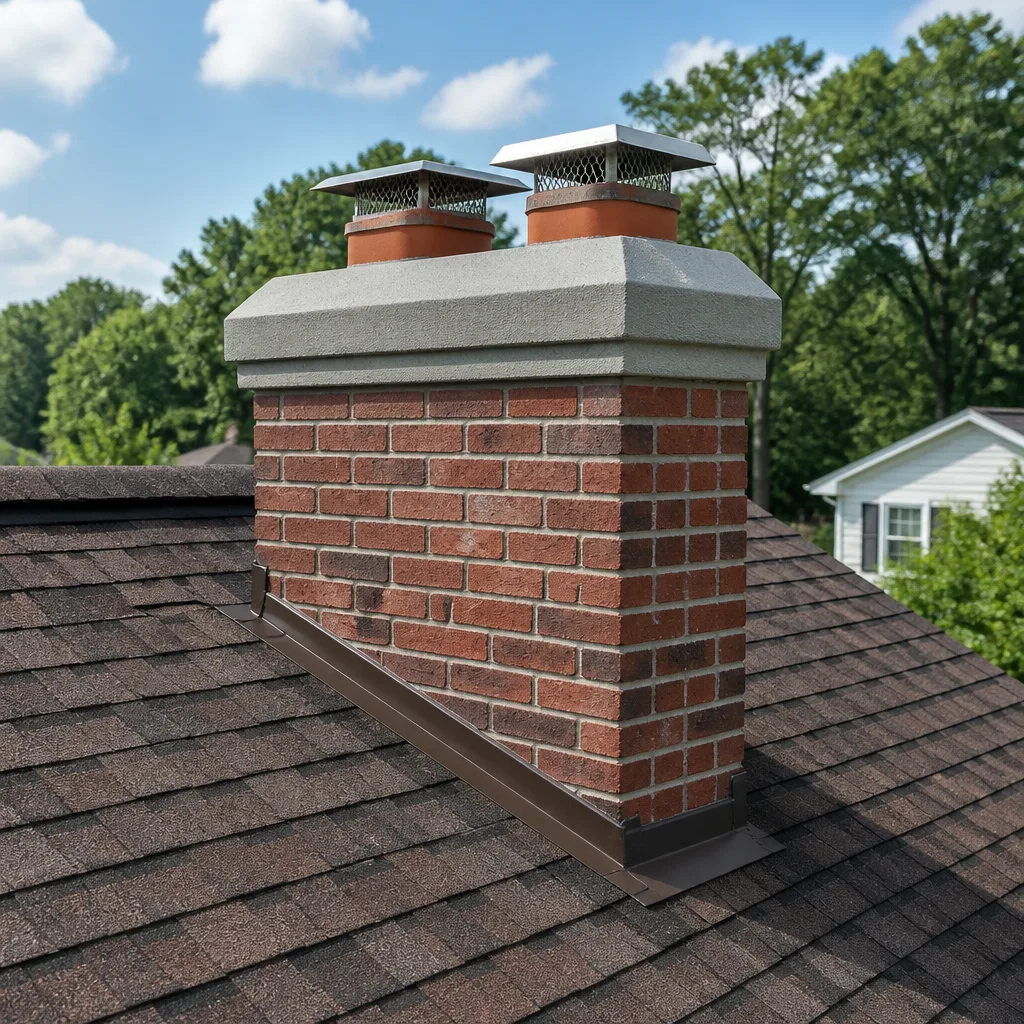 Caps & crowns
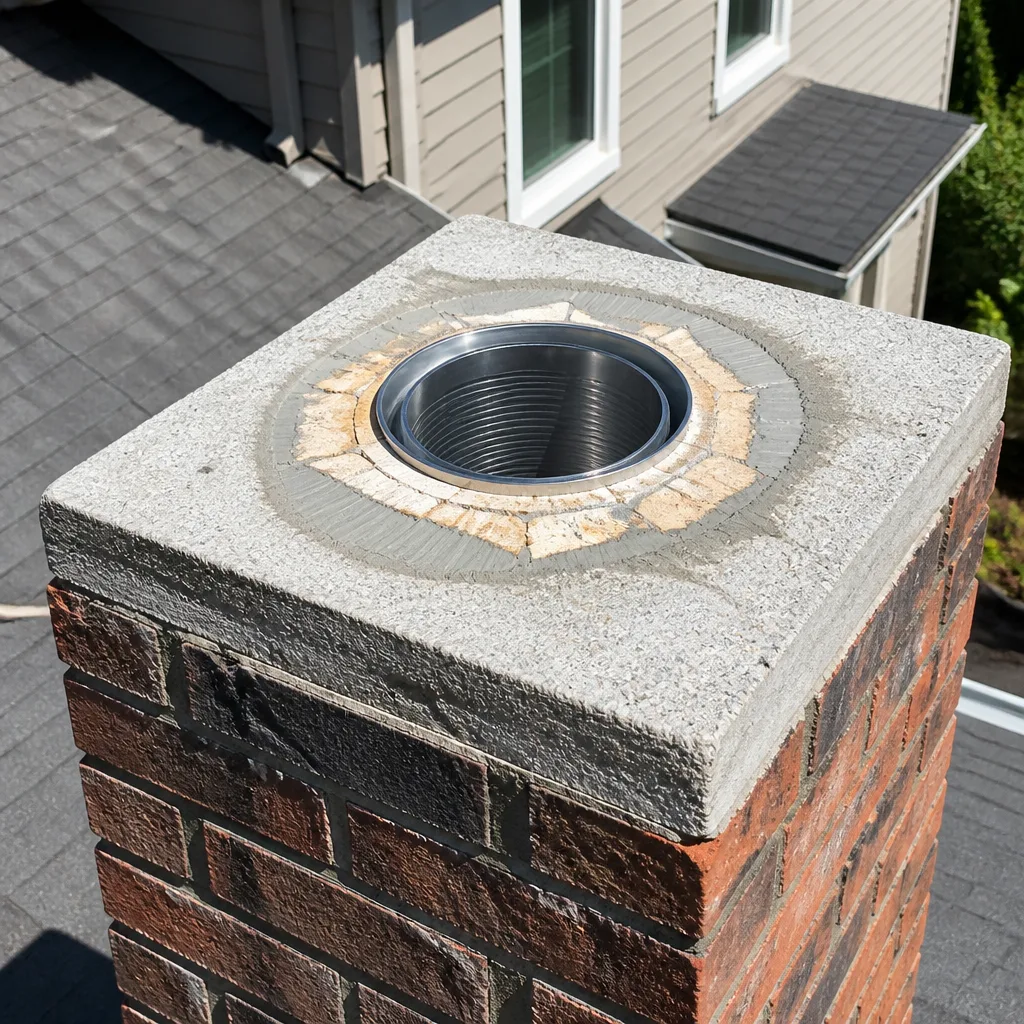 Flue relining
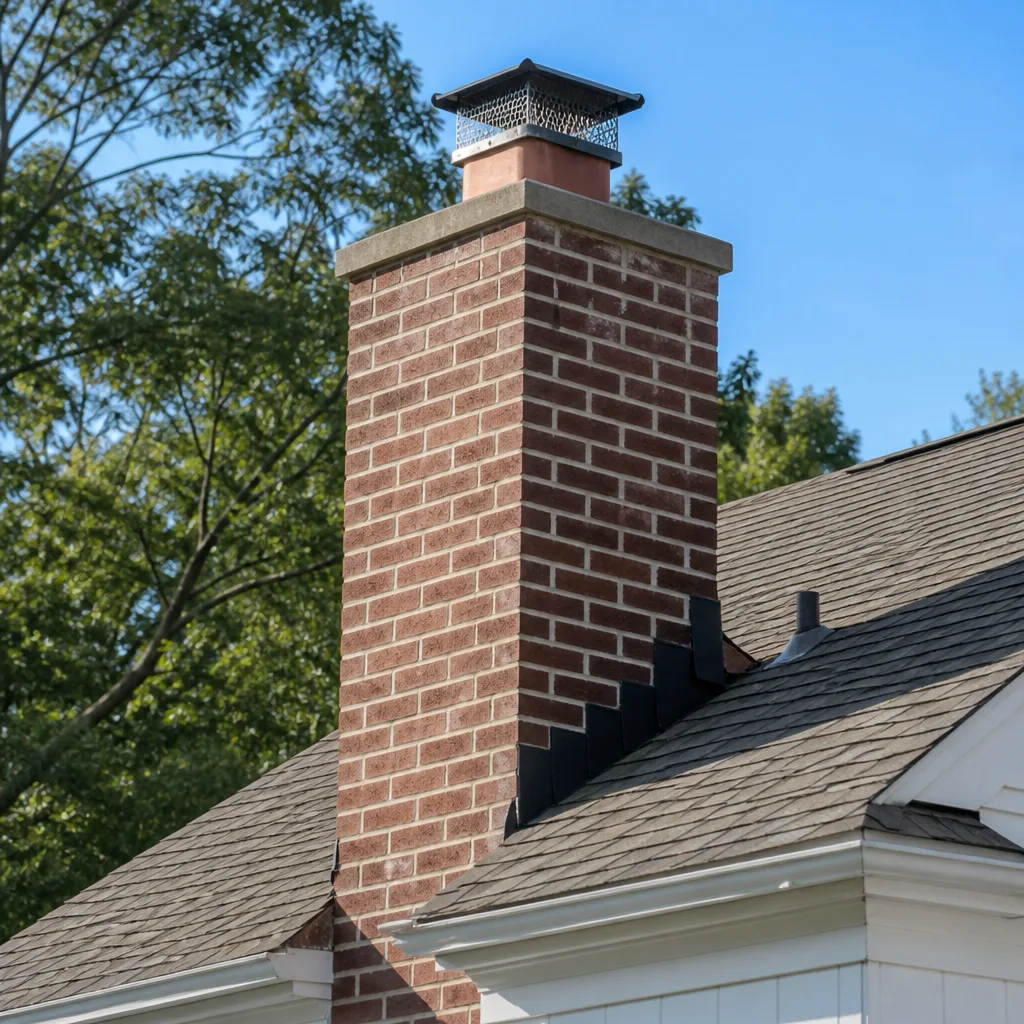 Masonry repair
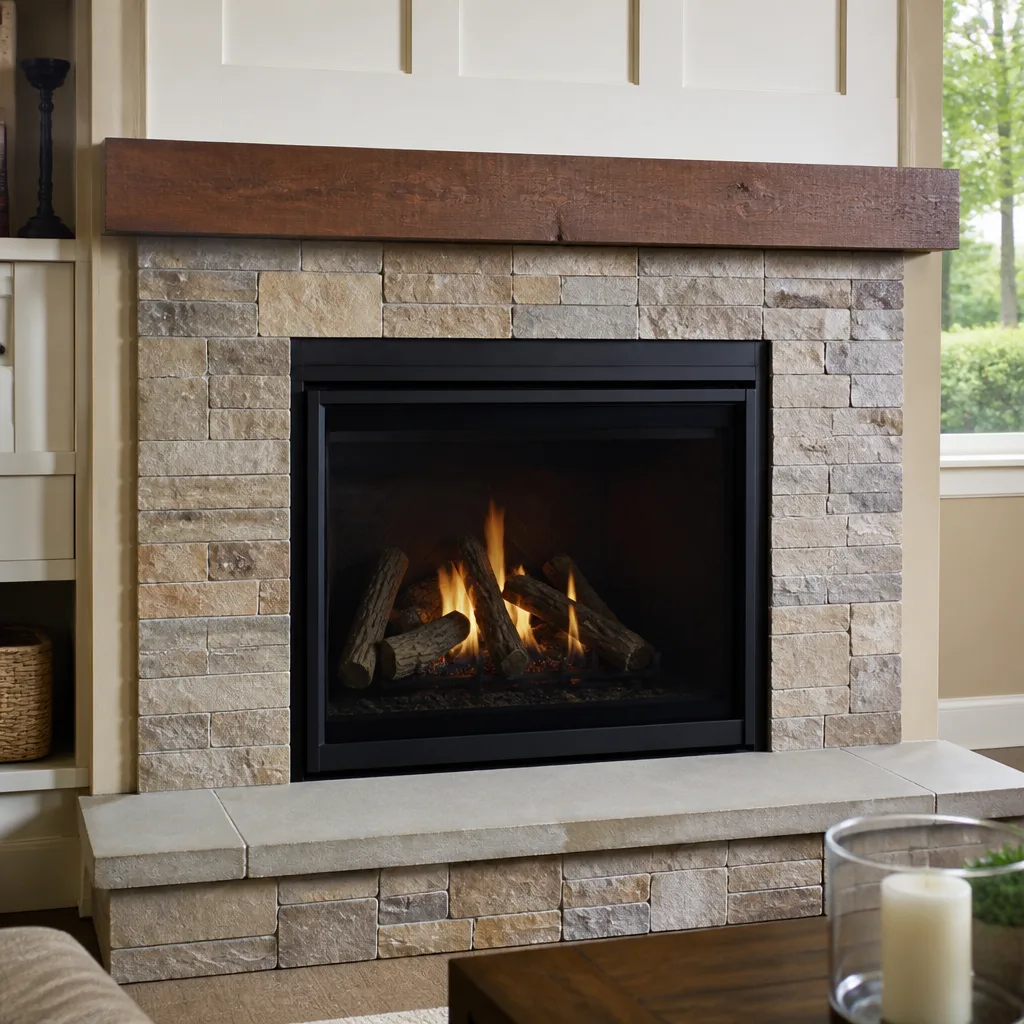 Gas fireplace service
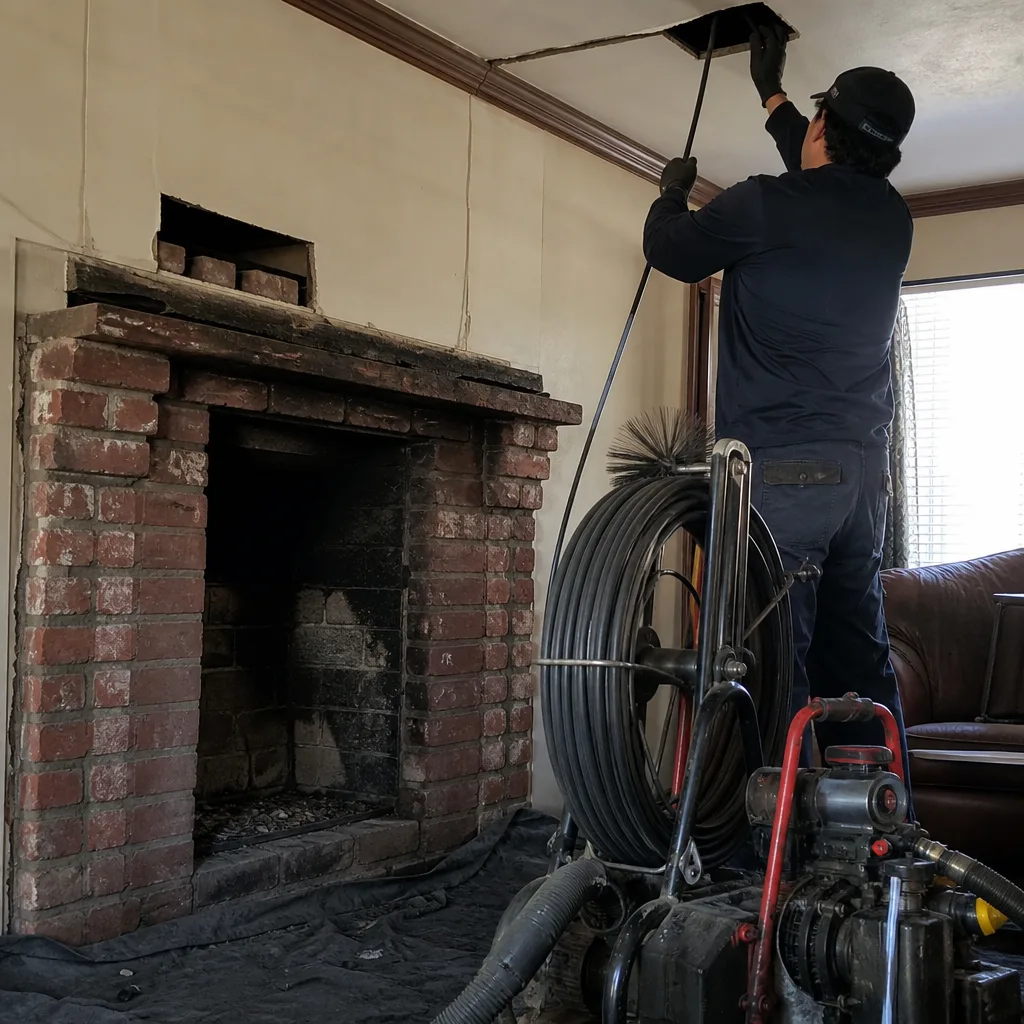
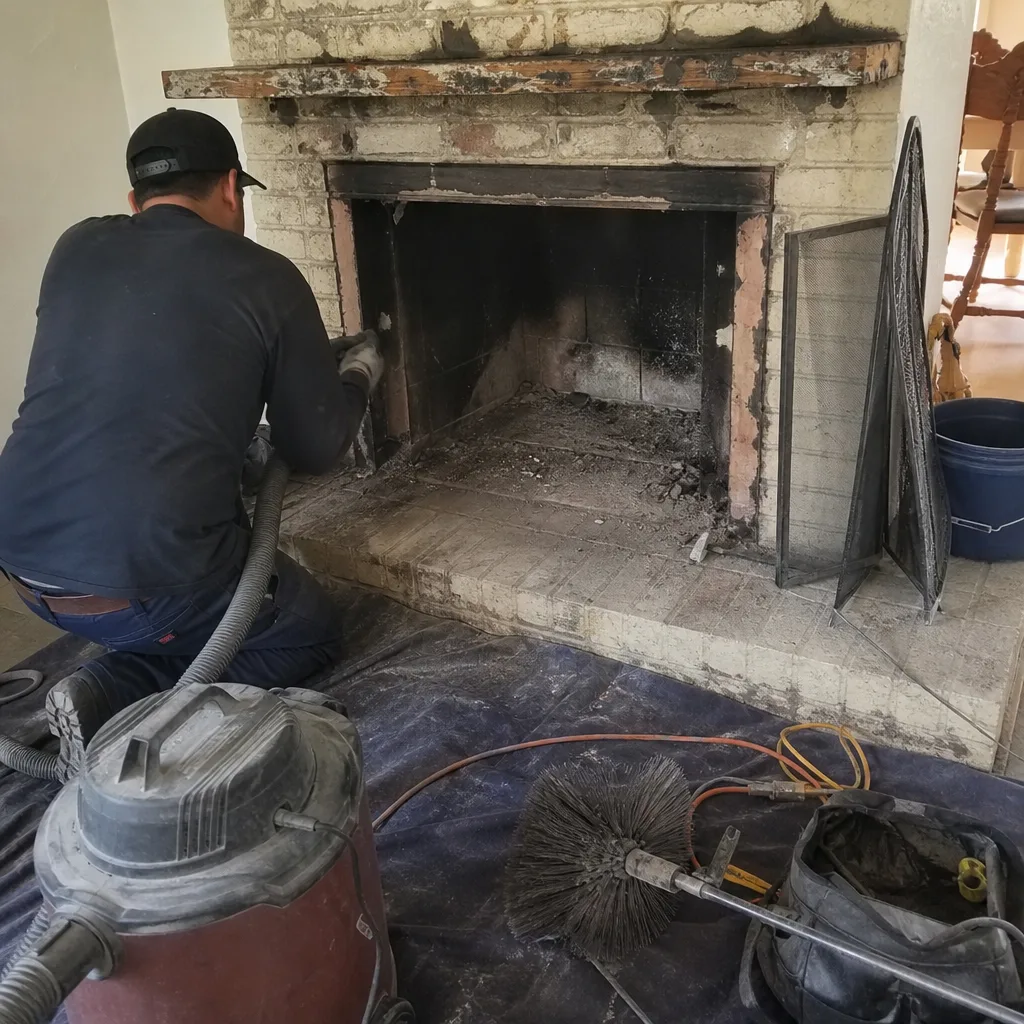
Level 1 sweep and inspection to the NFPA 211 annual standard - flue, crown, cap, and flashing checked and photographed
Chimney sweep logs do not sweep chimneys. They loosen some creosote - which then falls where a brush and vacuum still have to collect it.
Chimney Sweep Troubleshooting: Common Problems and How to Fix Them
Most chimney complaints we hear in San Bernardino start the same way: someone lights a fire, the living room fills with smoke, and the homeowner assumes the flue is packed with soot. Sometimes it is. But just as often, the real problem is a cold column of air sitting in the flue, a kitchen exhaust fan pulling air backward, or a damper that has warped shut from years of heat stress. This guide walks through the symptoms that actually show up in homes, from sharp creosote smells to animals that have taken up residence, and separates the fixes you can safely do yourself from the ones that need a chimney sweep specialist. By the end, you will know how to describe the problem accurately, which makes any professional visit faster and cheaper.
Quick Answer
Chimney troubleshooting starts with matching the symptom to the system that could be causing it. Smoke rolling into the room is usually a draft problem (cold flue, negative air pressure, or a stuck damper), while sharp burning smells point to creosote buildup, and organic decay smells point to animal intrusion. If you see visible damage, hear falling debris, or smell gas-like odors, stop using the fireplace and call a professional immediately.
Styles & brands we work with
Table of Contents
- Smoke Rollback: The Most Misdiagnosed Symptom
- The Draft Problem vs. Blockage Problem Distinction
- Negative Air Pressure: When Your House Fights the Chimney
- Creosote Odor vs. Animal Intrusion Odor: How to Tell Them Apart
- Slow Draft: Weak Fires and Flickering Flames
- Visible Damage: What Urgency Actually Looks Like
- Animal Intrusion: Squirrels, Birds, and Raccoons
- Common Mistakes to Avoid
- When to Call a Professional
- Frequently Asked Questions
Smoke Rollback: The Most Misdiagnosed Symptom
Smoke rollback is exactly what it sounds like: you light a fire, and within minutes, gray smoke begins spilling into the room instead of rising up the flue. The instinct is to assume a blockage, but in our experience serving homeowners across San Bernardino, a clean chimney can roll smoke just as easily as a dirty one. The difference comes down to airflow physics, not soot volume.
Here are the most common causes of smoke rollback, ranked by how often we encounter them:
- Cold flue: On a 45-degree San Bernardino winter evening, the air inside an unused chimney is dense and heavy. When you light a fire, the warm smoke cannot push through that cold plug of air until the flue itself warms up. The fix is often as simple as priming the flue: hold a lit roll of newspaper up near the open damper for 30 to 60 seconds before lighting the main fire.
- Partially open damper: Dampers warp over time, especially if the fireplace has seen years of hot fires. A damper that only opens halfway restricts the flue opening and creates turbulence at the throat of the chimney, which pushes smoke back into the room.
- Competing exhaust fans: A range hood running at full speed in the kitchen, a bathroom fan, or a whole-house fan can all pull air out of the home faster than the chimney can replace it. The result is a pressure imbalance that draws smoke downward.
- Negative air pressure in a tight house: Newer homes and recently weatherized older homes are sealed so well that the chimney cannot get enough makeup air. Modern windows, new door seals, and added insulation all make a home tighter, which is great for energy bills but bad for natural draft fireplaces.
- Flue obstruction: Yes, sometimes the chimney actually is blocked. Nests, dead animals, collapsed tile liners, or heavy creosote accumulation will physically prevent smoke from exiting. But this is one cause among several, not the default answer.
Before calling anyone, try this test. Open a window near the fireplace an inch or two, then light a small piece of newspaper and hold it under the flue opening. If the smoke starts drawing upward with the window open, you have confirmed a negative pressure issue. If it still rolls back, the problem is likely in the flue itself. For homes in San Bernardino where the fireplace is the primary heat source during cold snaps, this distinction saves both time and money. You can always start with a professional inspection through San Bernardino Chimney Sweep home if the test results are unclear.
The Draft Problem vs. Blockage Problem Distinction
The single most useful mental model for chimney troubleshooting is separating airflow problems from physical obstruction problems. They produce similar symptoms, but the fixes are completely different, and treating the wrong one will not stop the smoke.
A draft problem means the chimney is structurally clear, but air is not moving through it correctly. The flue could be spotless, and you would still get smoke rollback. Draft problems are caused by temperature differences, air pressure imbalances in the house, flue sizing relative to the fireplace opening, or chimney height relative to the roofline. A short chimney on a two-story home in San Bernardino will always struggle more than a tall chimney because it sits in a wind shadow or cannot generate enough stack effect.
A blockage problem means something is physically in the way. This could be creosote that has glazed into a hard, shiny layer on the flue walls, a bird nest built in the smoke shelf, a dead squirrel, or a tile liner that has cracked and collapsed inward. Blockage problems require cleaning or repair, not airflow adjustments.
Here is how to think about it in sequence:
- Does the smoke roll back only when a fan is running or a window is closed? That points to draft and air pressure.
- Does the smoke roll back every time, regardless of conditions, and has been getting worse over several seasons? That points to progressive blockage.
- Can you see visible material in the flue when you shine a flashlight up from the firebox? That confirms blockage.
- Has the fireplace been used heavily for years without cleaning? Creosote blockage moves up the list of suspects.
In San Bernardino, the dry climate actually helps in one specific way: creosote forms more slowly here than in damp coastal climates because less moisture finds its way into the flue. But that same dryness also means any animal that builds a nest in a chimney is very unlikely to have it rot away. It sits, dries out, and becomes a fire hazard in its own right.
Negative Air Pressure: When Your House Fights the Chimney
A clean chimney that smokes is one of the most frustrating experiences a homeowner can have. The flue was just swept, the damper is open, and still the living room fills with smoke every time. In our experience, the explanation is usually negative air pressure, and it is becoming more common every year as homes get tighter and ventilation systems get more powerful.
Negative air pressure happens when the house is exhausting more air than it is taking in. The chimney becomes the path of least resistance for makeup air, so outside air gets pulled down the flue, fighting the smoke that is trying to go up. The result is smoke spillage, even with a perfectly clean chimney.
The usual culprits:
- Kitchen range hoods: A 400 to 600 CFM range hood running without a makeup air unit can depressurize an entire floor of a home in minutes.
- Bathroom exhaust fans: One bathroom fan is rarely a problem. Three bathroom fans running simultaneously in a large San Bernardino home can be.
- Central vacuum systems: These exhaust air outside at significant volume, and if the system runs while the fireplace is lit, smoke rollback commonly follows.
- Whole-house fans: These are designed to pull enormous volumes of air through the home and out the attic. Running one with a fire lit is asking for trouble.
- New weatherstripping or insulation upgrades: If you recently sealed gaps around doors, replaced windows, or added attic insulation, your home suddenly became much tighter. The chimney lost its makeup air source.
- Undersized flue: The flue tile or liner is too small for the fireplace opening. A ratio mismatch between firebox opening and flue diameter creates permanent underperformance.
- Short chimney: A chimney that barely clears the roofline, or one on a single-story home in a San Bernardino neighborhood surrounded by taller structures, will struggle to build stack effect.
- Partially clogged flue: The flue is not fully blocked, but enough creosote has accumulated on the walls to narrow the passage and reduce draft velocity.
- Incorrect damper position: A damper that does not fully open, or a throat damper that has warped, chokes the airflow before the flue ever gets a chance to work.
- Wood that is too green or too wet: This is a firebox issue, not a chimney issue, but it presents the same way. Wet wood produces cool, heavy smoke that struggles to rise.
- Cracked or missing flue tiles visible from the top of the chimney: A cracked liner allows heat and gases to reach the chimney structure, which can ignite framing or interior walls.
- White staining on the exterior brick (efflorescence): This signals water penetration, and while not an immediate fire risk, water damage accelerates liner deterioration and brick spalling.
- Crumbling mortar joints or spalling brick on the chimney exterior: Loose masonry can fall, and the structural integrity of the chimney is compromised.
- Rust on the damper or firebox components: Rust means water is entering the flue, and it accelerates metal component failure.
- A fire that sounds like a roar or jet engine: That is a chimney fire in progress. Evacuate and call 911.
- Smoke or heat stains on the wall above the fireplace opening: This means smoke is escaping around the fireplace structure, not through it.
- Scratching or chirping sounds coming from the chimney, especially in the early morning or evening.
- Nesting material visible from the firebox when you look up with a flashlight.
- Droppings accumulating in the firebox.
- A dead animal smell that does not fade with weather.
- Smoke rollback that starts suddenly in spring or early summer, which is nesting season.
- Assuming every smoke problem is a dirty chimney. Most smoke rollback in San Bernardino homes is a draft or pressure issue. Paying for a sweep you did not need will not fix a cold flue or a competing range hood.
- Burning green or wet wood in an attempt to “save money” on seasoned wood. Wet wood produces more creosote per fire than any other single factor, and it accelerates the very buildup you are trying to avoid.
- Ignoring a slow draft because the smoke is not rolling back into the room. A weak draft means incomplete combustion, which means more creosote deposition season after season.
- Running a whole-house fan or large range hood while the fireplace is lit. The negative pressure can pull carbon monoxide from the fireplace into the living space, not just smoke.
- Patching visible brick cracks with caulk or paint instead of addressing the underlying movement. Surface patches hide structural problems and make them harder to diagnose later.
- Treating a dead animal smell as a “sweep will fix it” issue. A sweep removes creosote, not carcasses. The animal needs removal, and the entry point needs sealing.
- Waiting until fall to address a spring chimney problem. San Bernardino chimney companies book heavily in September and October. Addressing issues in spring or summer means faster service and more scheduling flexibility.
The quick test is simple. Open the nearest window to the fireplace about two inches and see if the draft improves. If it does, you have a negative pressure problem. The longer-term fixes include adding a fresh air intake near the fireplace, installing a top-sealing damper, or in some cases, switching to a direct-vent gas insert that does not rely on room air for combustion. For homeowners considering a repair or relining, our Chimney Repair in Rubidoux page covers what a liner replacement involves and when it is actually necessary.
Creosote Odor vs. Animal Intrusion Odor: How to Tell Them Apart
Odor complaints are the second most common troubleshooting call we get from San Bernardino homeowners, behind only smoke rollback. The smell is usually worst on humid days or when the air conditioner kicks on and pulls air through the chimney, and the key to fixing it is identifying exactly what kind of smell you are dealing with.
Creosote odor is sharp and smoky, almost like the smell of a campfire the morning after. It gets stronger in humid weather because moisture activates the creosote compounds on the flue walls. You may notice it most in the room where the fireplace is located, and it will fade and intensify based on weather rather than time of day. Creosote odor means the flue has accumulated deposits that are off-gassing. The fix is a professional sweep, and if the creosote has glazed, it may also require a treatment process to neutralize the odor.
Animal intrusion odor is entirely different. It smells organic, like decay, and it does not fade with weather. It gets worse as the animal decomposes, and it is often accompanied by buzzing flies near the fireplace opening in warm weather. The source is a dead animal trapped in the flue or smoke shelf, and the fix is removal, not cleaning. This is work for a professional who can safely remove the animal, identify the entry point, and install a proper chimney cap to prevent recurrence.
One detail worth knowing: creosote odor is sometimes confused with a dead animal because both get blamed on the chimney. But sharp and woody is creosote. Sweet and sickly is decay. The difference matters because a sweep will fix one and do nothing for the other.
If you are unsure which you are dealing with, schedule an inspection and describe the smell as precisely as you can. For our customers in the Rubidoux area, the Chimney Sweep in Rubidoux page explains what a routine sweep includes and what we look for during the inspection.
Slow Draft: Weak Fires and Flickering Flames
A slow draft does not always push smoke into the room, but it produces a fire that never really gets going. The flames stay low, the logs smolder instead of burn, and the glass doors on the fireplace blacken with soot within an hour. Homeowners often blame the wood, but the chimney is the more likely culprit.
Slow draft happens when the flue is just barely moving enough air to keep combustion going, but not enough for efficient burning. Causes include:
The quick diagnostic path is to rule out fuel first, then air. Dry wood with a moisture content below 20 percent is the baseline. If the wood is dry and the fire still languishes, the chimney draft itself is the suspect. A professional can measure draft with a manometer and determine whether the problem is flue sizing, creosote narrowing, or a design limitation that needs a liner upgrade. When repairs do become necessary, we work with DuraFlex flexible liner systems and Copperfield components so the materials match what the job demands rather than whatever is cheapest on a supply shelf.
Visible Damage: What Urgency Actually Looks Like
Most chimney damage is hidden inside the flue, but some signs are visible from the outside or from the firebox. Knowing which signs are emergencies and which are routine maintenance items saves both money and risk.
Stop using the fireplace immediately if you notice any of the following:
Schedule-soon issues include small cracks in the firebox refractory panels, minor damper stiffness, and light surface rust. These are not emergencies, but they will not fix themselves either. For San Bernardino homes, the freeze-thaw cycle is less aggressive than in colder climates, but the intense summer sun and occasional heavy rain still take a toll on exterior masonry over time.
Animal Intrusion: Squirrels, Birds, and Raccoons
Animal intrusion is a year-round problem in San Bernardino, and the animals are more resourceful than most homeowners expect. Squirrels can squeeze through gaps far smaller than their bodies suggest, raccoons will tear through damaged chimney caps, and birds build nests in the smoke shelf where they are nearly invisible from below.
The signs of animal intrusion include:
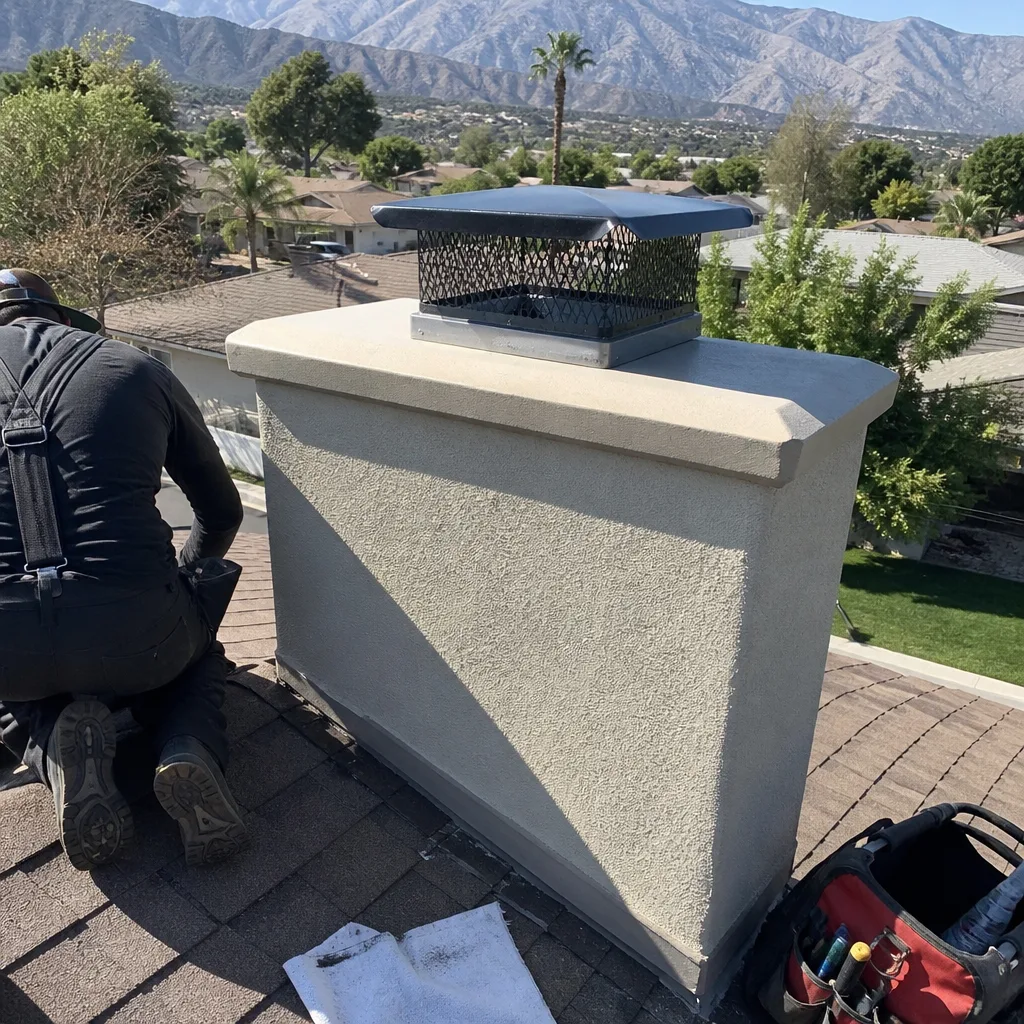
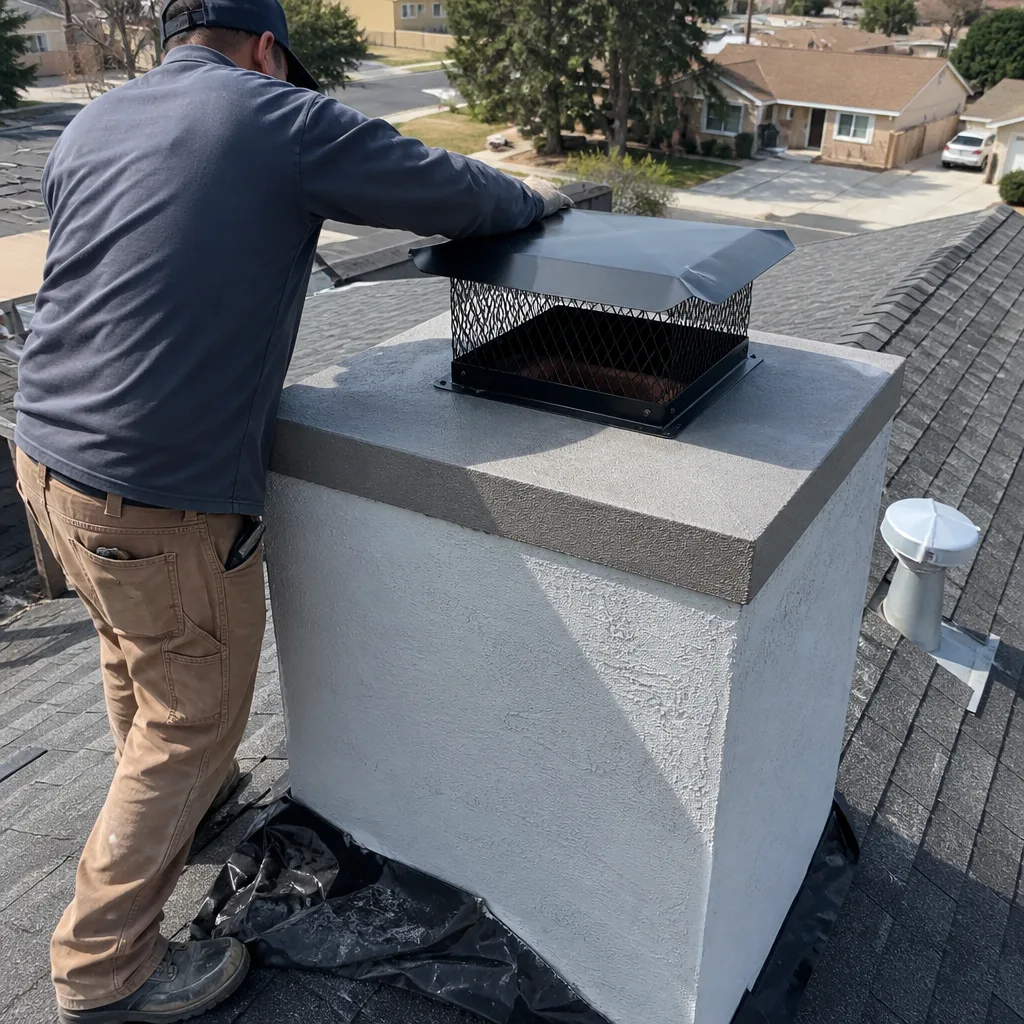
The right fix has two parts. First, the animal and nest are removed, which sometimes requires humane trapping if the animal is alive. Second, the entry point is sealed and a proper chimney cap is installed. A cap with mesh sides keeps animals out while still allowing the flue to vent properly.
Do not try to smoke an animal out. That creates exactly the chimney fire risk you are trying to avoid, and a dead animal in a confined space becomes a far worse removal problem. Do not attempt to remove a raccoon yourself either; they are aggressive when cornered, and raccoon roundworm is a legitimate health concern. For dryer vents, which are also a common nesting target, our Dryer Vent Cleaning in Rubidoux page explains how we address blockages in those smaller, tighter passages.
Common Mistakes to Avoid
When to Call a Professional
Call a professional if smoke rolls back even with a window open, if you smell a sharp creosote odor that intensifies on humid days, if you hear animal sounds from the chimney, if you see cracked or missing flue tiles, or if you have not had a cleaning in more than two years of regular use. These are not DIY situations, and the outcome of getting them wrong ranges from wasted money to a house fire. Fireplace and chimney systems are also genuinely dangerous to work on: high-temperature components, confined flue spaces, and the risk of dislodging structural material all argue for a trained specialist. San Bernardino Chimney Sweep offers free estimates in San Bernardino. Call (877) 516-7159 to schedule an inspection or describe your symptoms and get a straight answer about what you are dealing with.
Frequently Asked Questions
Standard chimney sweeps in the San Bernardino area typically run between $150 and $300 depending on flue condition, accessibility, and whether the fireplace has been cleaned recently or has heavy creosote accumulation. Call (877) 516-7159 for an exact quote. Estimates are free and the price is agreed before any work begins.
A wood-burning fireplace used regularly through the winter should be swept once per year, ideally before the burning season starts. Homes that burn wood only occasionally on weekends can sometimes go two years, but the safest standard is annual, especially with the dry creosote conditions common in San Bernardino’s climate.
You should never accept a liner recommendation without seeing camera footage of the damage. A legitimate chimney company will show you exactly where the liner has cracked, separated, or deteriorated, and explain why a repair will not hold. In our work across San Bernardino and the surrounding areas, we show every homeowner the video before recommending any repair, and we use HeatShield resurfacing when the liner can be saved, which costs far less than full replacement.
Creosote keeps building up layer by layer until it either narrows the flue enough to cause smoke rollback or ignites from a hot fire. A creosote fire burns extremely hot, typically 2,000 to 3,000 degrees Fahrenheit, which is more than enough to crack the liner and transfer heat to the framing of the house. The chimney may look fine from the outside after a chimney fire, but the internal damage is often severe. The cost of a sweep is small compared to the cost of a reline or a fire loss.
Yes. A clean chimney will smoke if the house has negative air pressure, if the flue is cold, if the damper is not fully open, or if the fireplace was never properly sized for the flue. This is the most common misdiagnosis in chimney work, and the reason a sweep alone sometimes does not solve the problem.
Yes. Dryer vent cleaning is one of our core services, not an afterthought. Lint blockages are one of the leading causes of residential fires, and many chimney-only companies will not touch them. We treat dryer vents with the same inspection and diagnostic process we use on chimneys, including camera verification where the duct layout allows it.
Soot is a soft, powdery black substance that brushes away easily during a routine sweep. Creosote is what soot becomes when it combines with moisture and heat: a sticky, tar-like, or glazed substance that adheres to flue walls and is significantly more flammable. Soot indicates normal use. Creosote indicates a draft, fuel, or temperature problem that needs correcting, not just cleaning.
The Bottom Line
Chimney troubleshooting is a matching exercise: match the symptom to the system, then fix the right system. Smoke rollback is usually air pressure, not soot. Slow drafts are usually sizing or narrowing, not dirty glass. Sharp woody smells are creosote. Sweet decay smells are dead animals. And visible damage is the one category where you really should stop using the fireplace until a professional has looked at it. Getting the diagnosis right before picking up the phone saves you money, because it means the technician arrives knowing what to look for. For help selecting a provider, see our guide on Choosing the Right Chimney Cleaning Brand: A Buyer’s Guide for San Bernardino. If you are in San Bernardino or the surrounding area and you are tired of guessing, call (877) 516-7159. We will ask the right questions, inspect what matters, and show you exactly what we find.
Written by the team at San Bernardino Chimney Sweep, serving San Bernardino since 2018.
See the difference
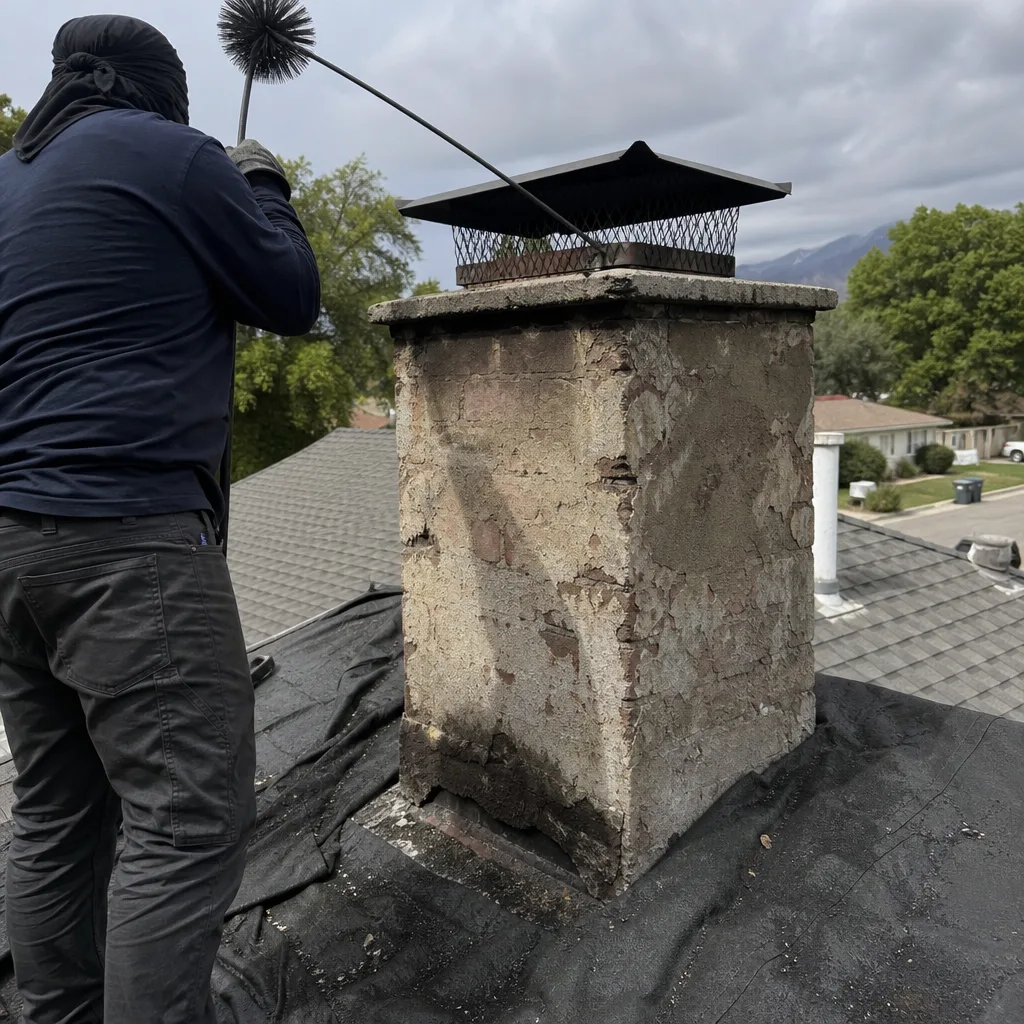 Before
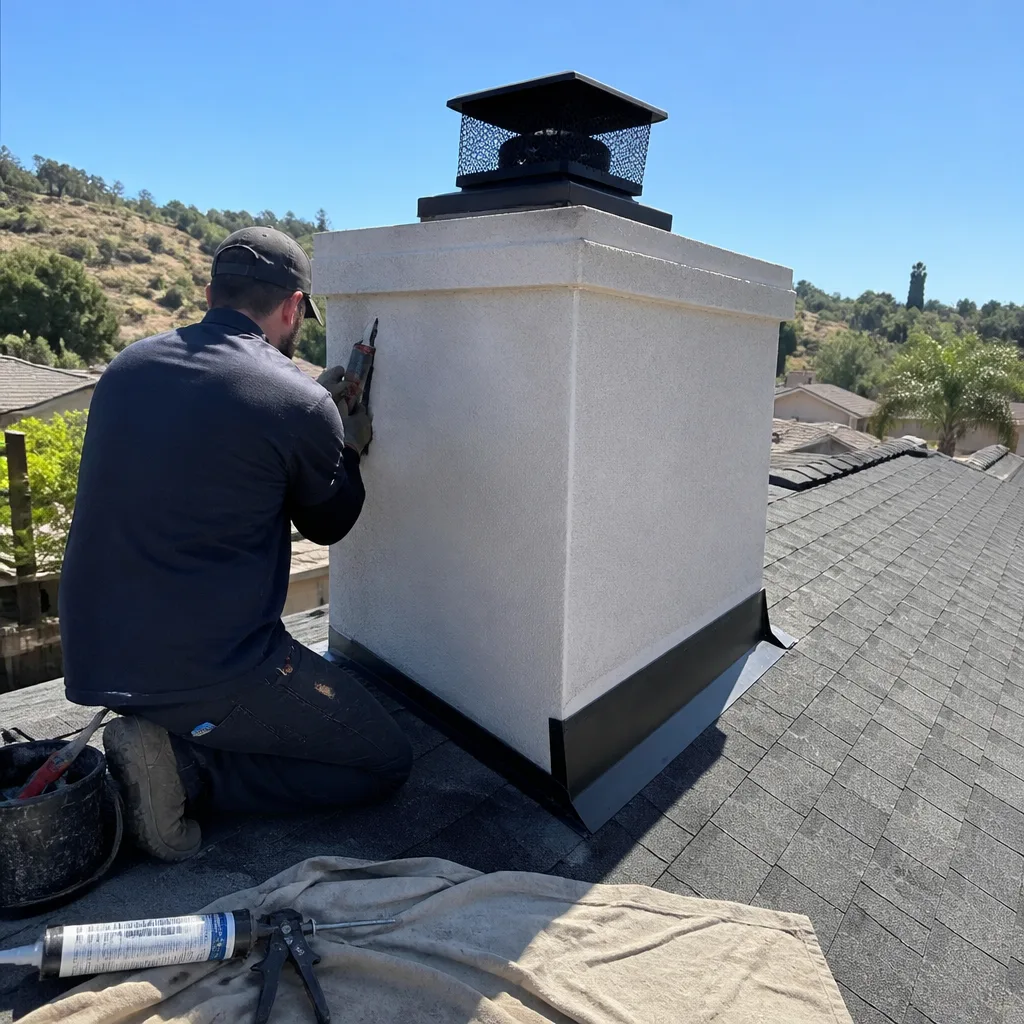 After
 Before
 After
 Before
 After