Last updated October 30, 2026
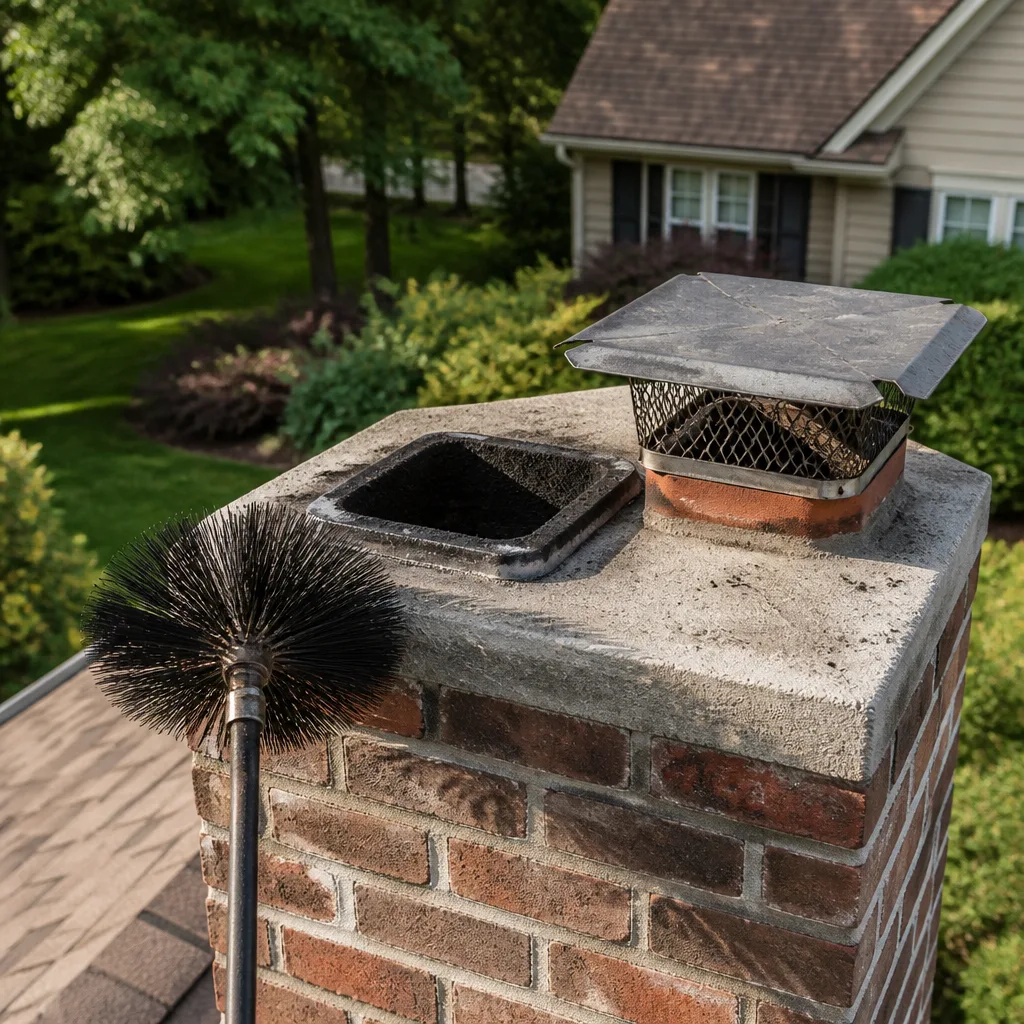 Sweep & inspection
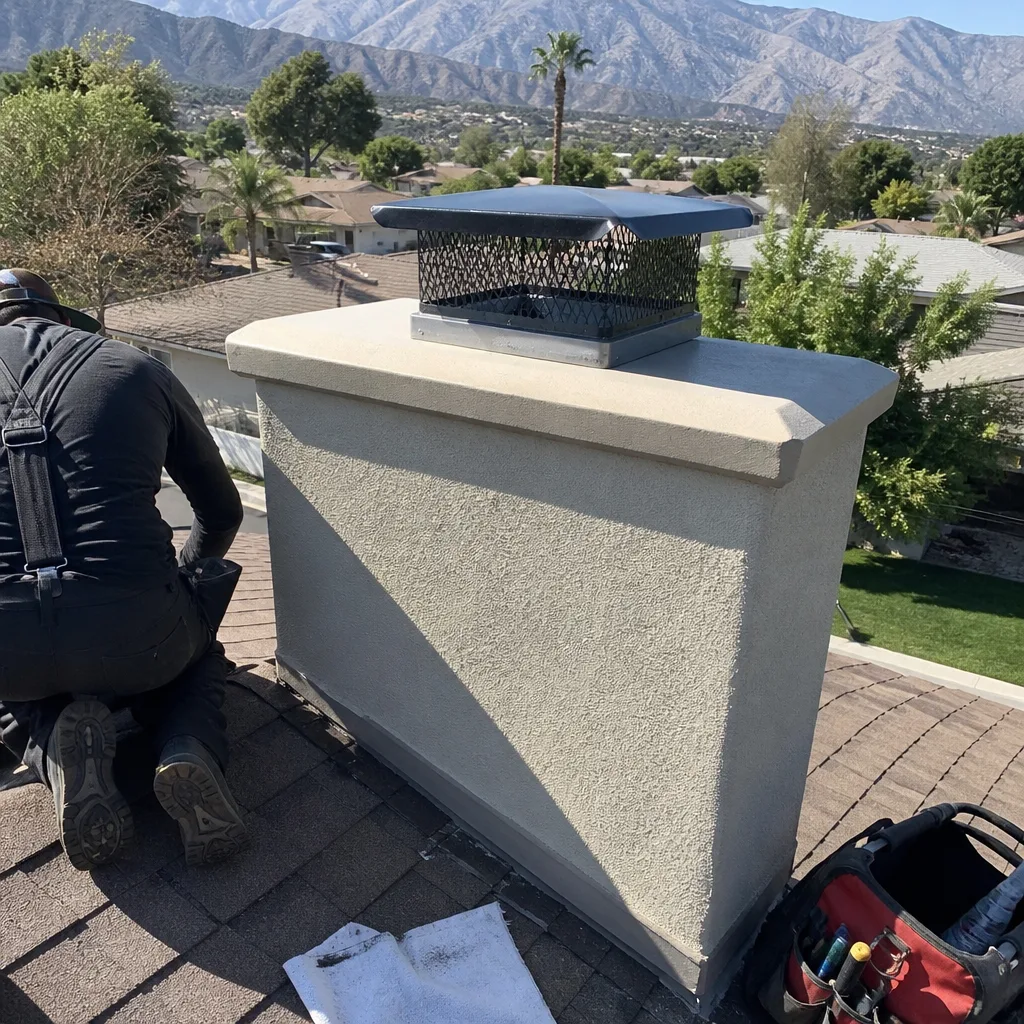
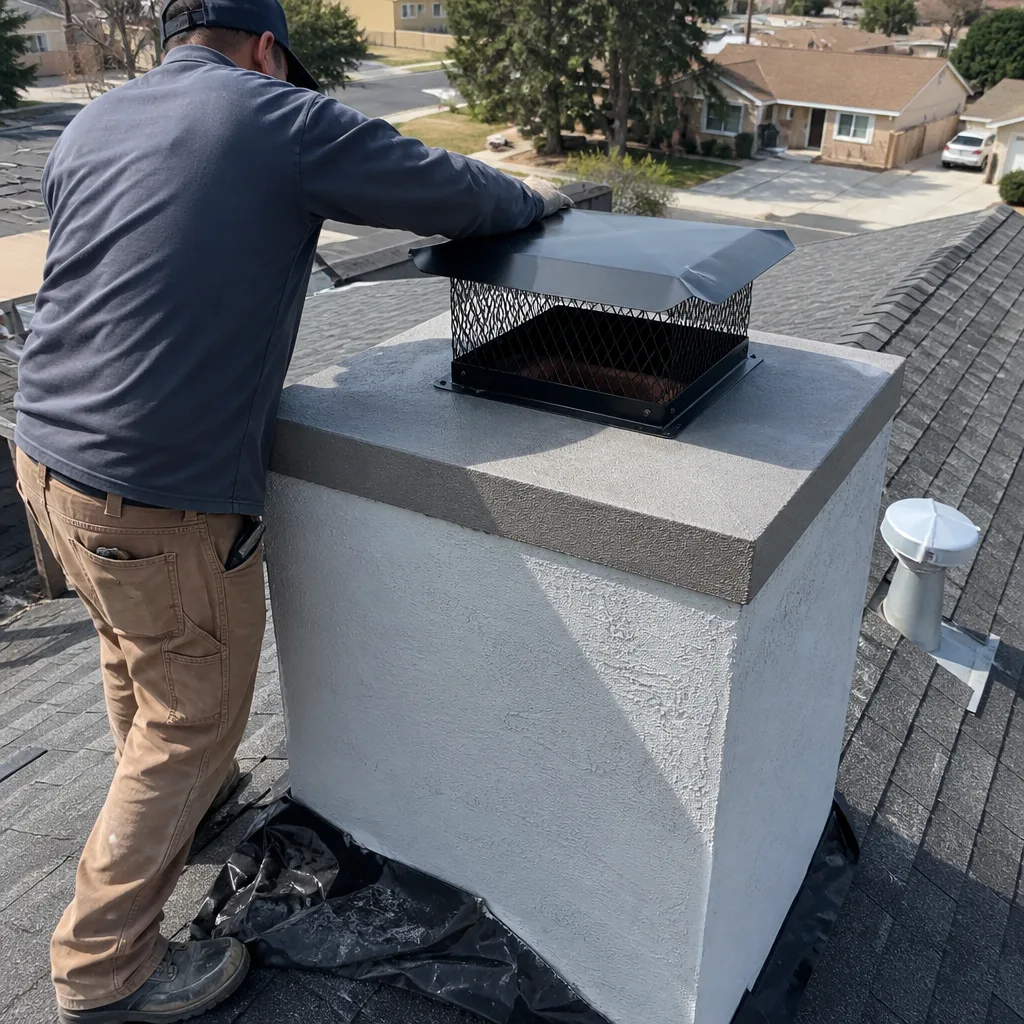
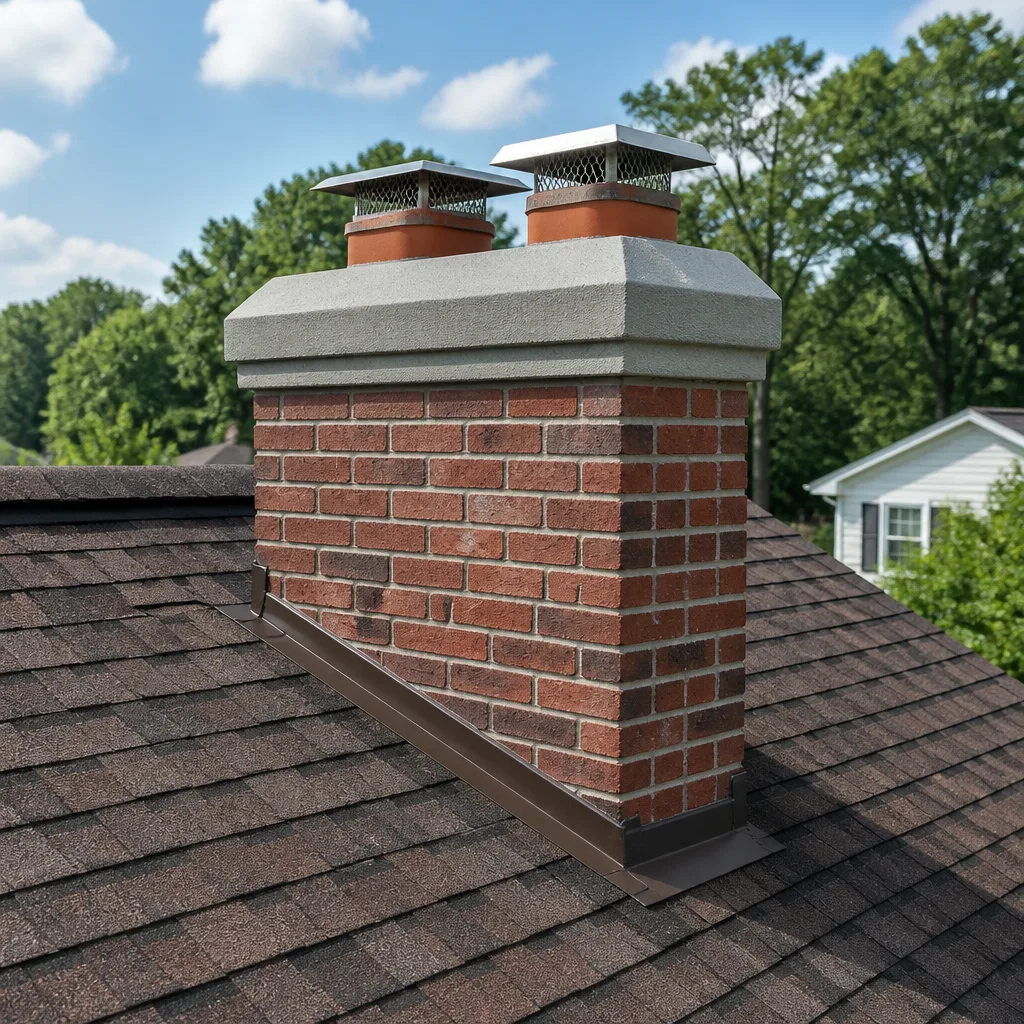 Caps & crowns
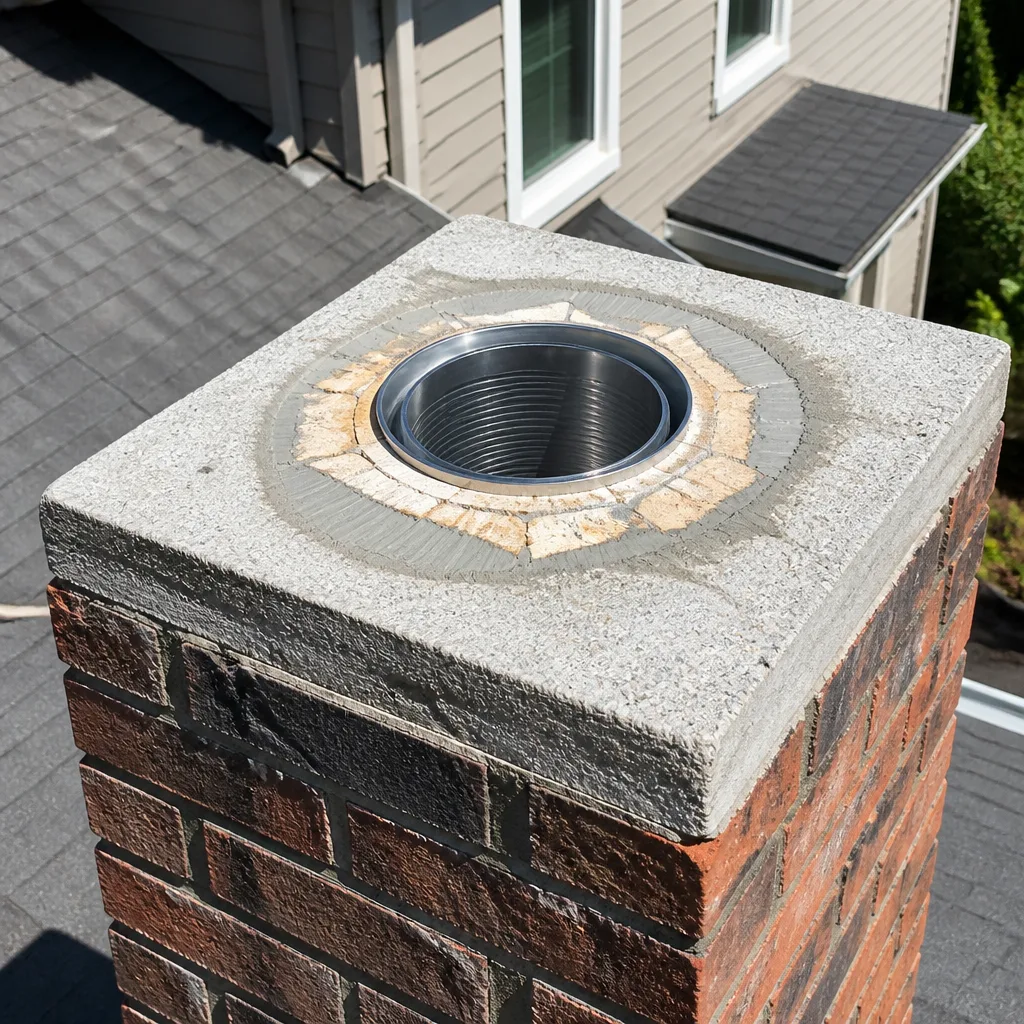 Flue relining
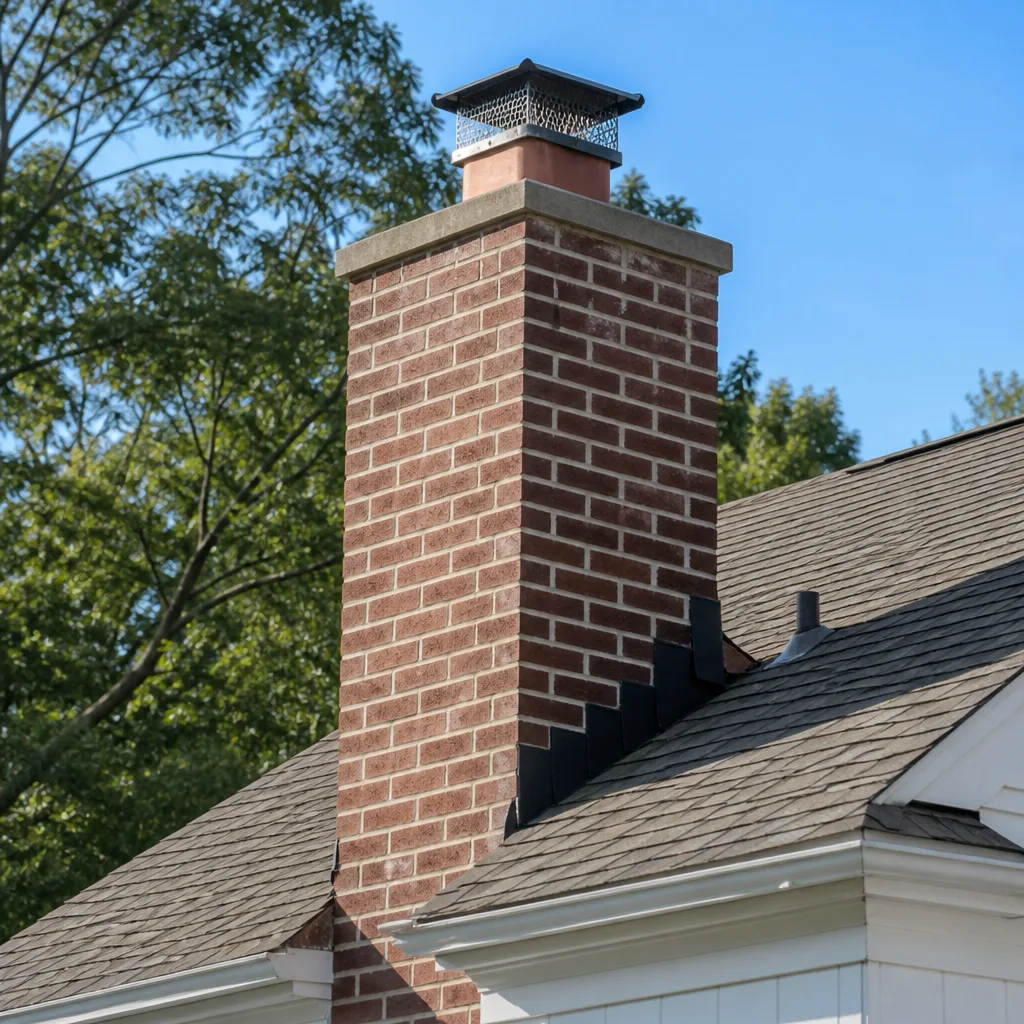 Masonry repair
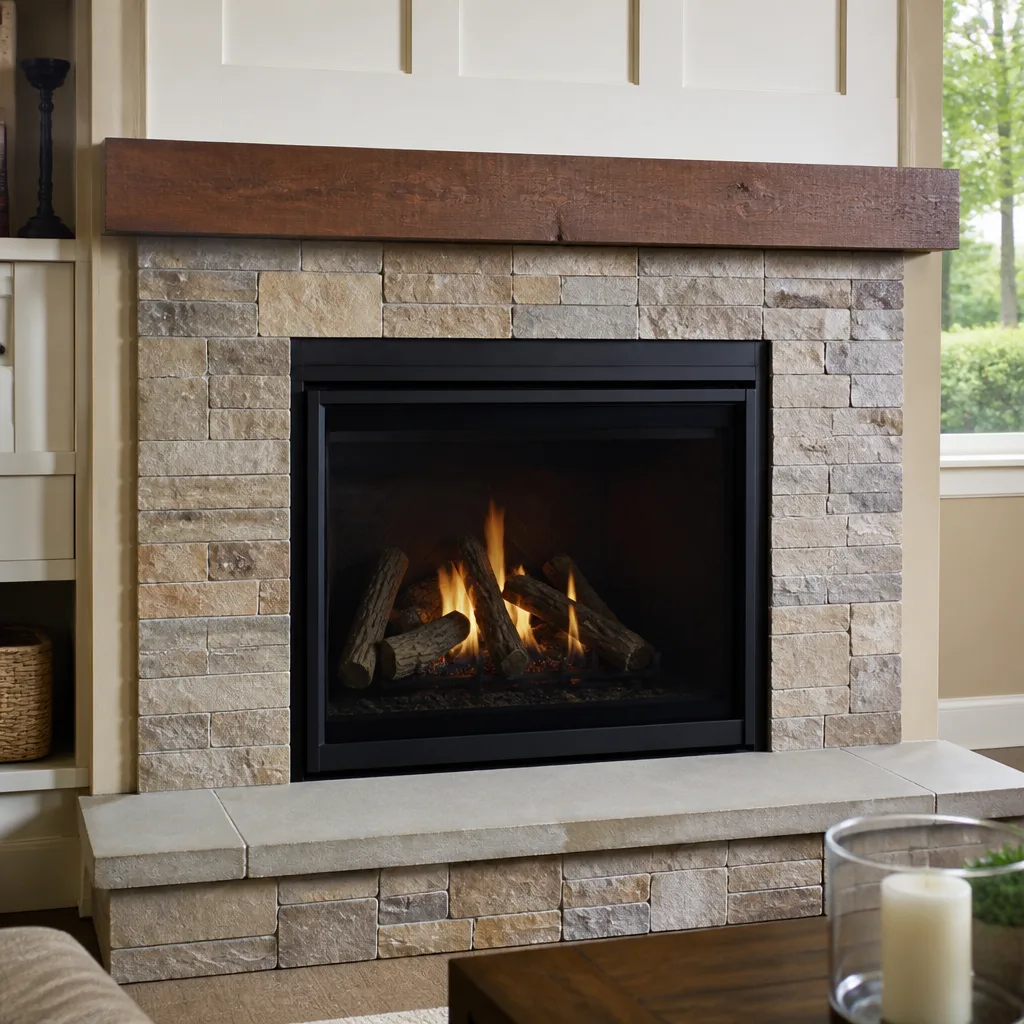 Gas fireplace service
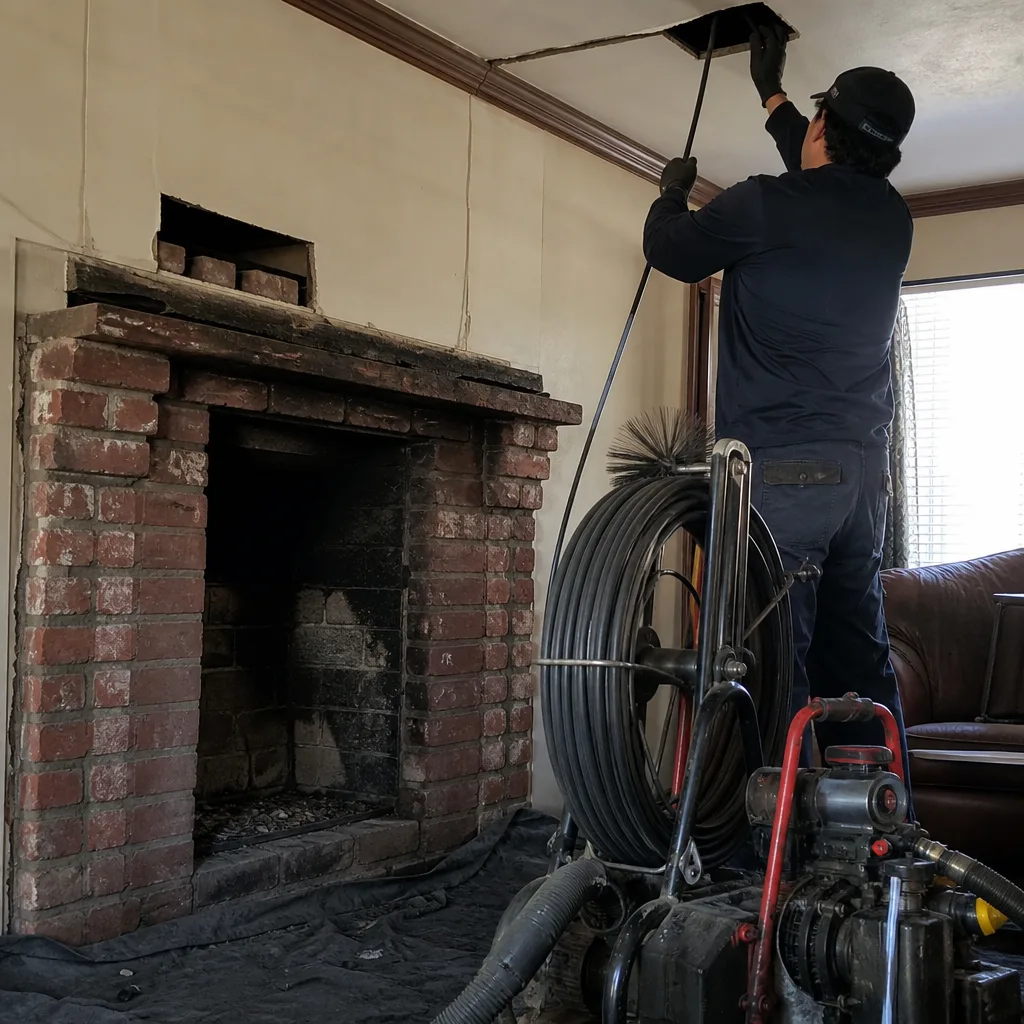
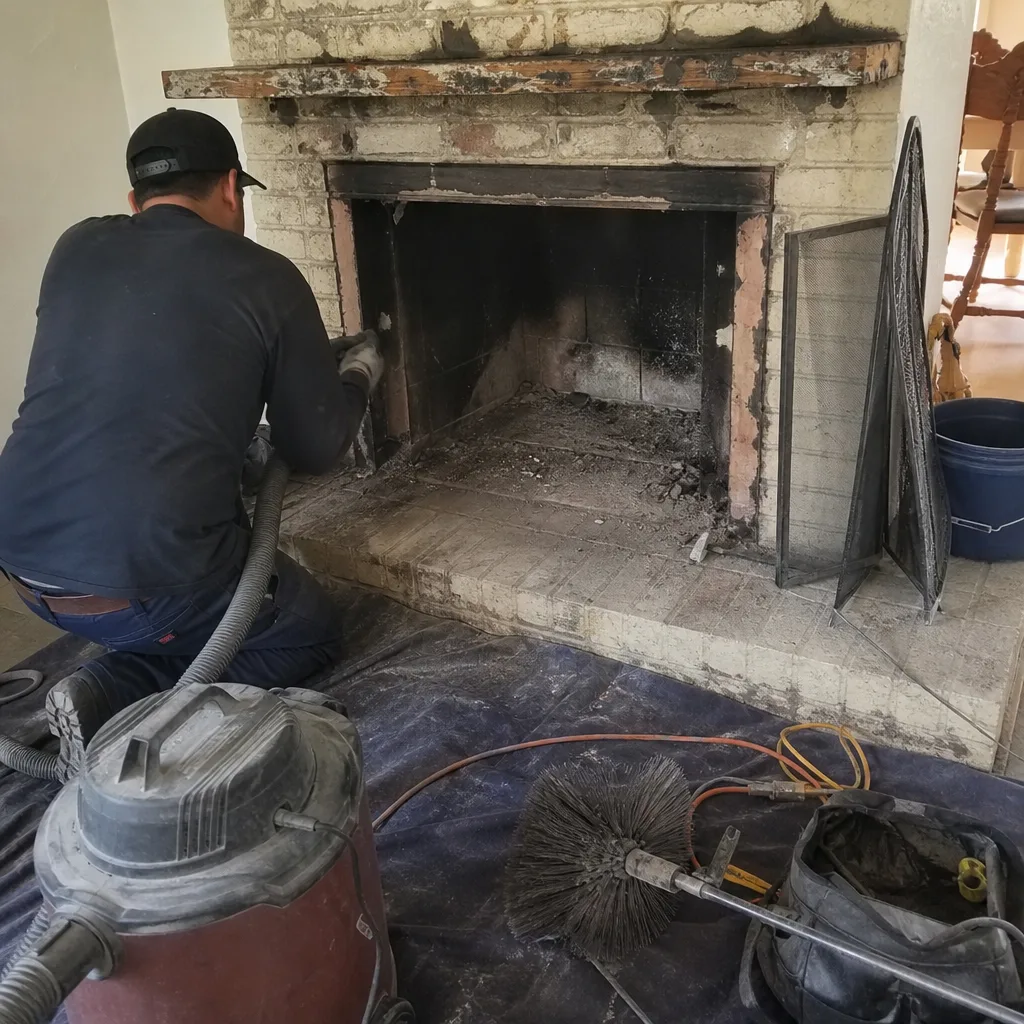
Level 1 sweep and inspection to the NFPA 211 annual standard - flue, crown, cap, and flashing checked and photographed
Chimney sweep logs do not sweep chimneys. They loosen some creosote - which then falls where a brush and vacuum still have to collect it.
Chimney Cleaning Warning Signs: A San Bernardino Homeowner’s Reference Guide
Most chimney warning sign articles fail homeowners in the same way: they list symptoms without explaining the underlying cause. You learn that smoke in the living room is bad, but not that it could mean six different things, each requiring a different fix. This guide connects every warning sign to what’s actually happening inside your chimney system, so you know whether you’re dealing with routine buildup, a mechanical flaw, or something more serious. We’ve put this together as the reference we wish our San Bernardino customers had before they call us. It covers smells, sounds, visual clues on the exterior brick, and the specific residues that tell you what’s burning (or not burning) inside your flue. By the end, you’ll be able to diagnose the problem before you pick up the phone.
Styles & brands we work with
Quick Answer
The most common chimney cleaning warning signs in San Bernardino are a strong smoky or campfire smell when the fireplace isn’t in use, dark oily residue or dry flaky deposits around the firebox opening, visible smoke spilling into the room during a fire, white staining (efflorescence) on exterior brick, and sounds like whistling or flapping coming from the flue. If you notice any of these, the chimney needs inspection. Cleaning may be the fix, or the symptom may point to a draft problem, a cracked liner, or an animal nest. All of these require a professional evaluation to be sure.
Table of Contents
- The Smoky Smell: Six Causes, Not One
- Oily Black Residue vs. Dry Flaky Deposits
- Exterior Warning Signs on Your San Bernardino Home
- Efflorescence: White Staining Isn’t Cosmetic
- Whistling, Flapping, and Poor Draw: What the Sounds Mean
- How San Bernardino Climate Affects Chimney Wear
- Seasonal Chimney Checklist for Fireplace Owners
- Common Mistakes to Avoid
- When to Call a Professional
- Frequently Asked Questions
- The Bottom Line
The Smoky Smell: Six Causes, Not One
A smoky smell in your living room when the fireplace is cold is the warning sign homeowners report to us most often. What most people don’t realize is that a smoky odor is not a single symptom. It’s a symptom category. At least six distinct mechanical problems can produce it, and treating them all with a cleaning is like taking cough syrup for a broken rib. Here’s what each source of that smell actually indicates.
1. Creosote Buildup
Creosote is the tar-like byproduct of incomplete wood combustion. As it accumulates on the flue walls, it off-gasses a sharp, acrid, almost barbecue-pit smell that gets stronger on humid days. This is the one cause that a cleaning directly addresses. In our experience, San Bernardino homes that burn soft woods like pine or burn with the damper partially closed develop this faster than homes burning seasoned hardwoods. The smell typically intensifies in late summer when humidity rises and the creosote softens.
2. Negative Air Pressure (Backdrafting)
Modern San Bernardino homes are often tightly sealed for energy efficiency. Double-pane windows, weatherstripping, and sealed attics mean the house can’t draw makeup air. When you run a bathroom fan, kitchen exhaust, or even a clothes dryer, the house pressure drops below the outdoor pressure, and the chimney becomes the path of least resistance. Air that should be going up the flue gets pulled back down into the living room, carrying the smell of old soot and ash with it. No amount of sweeping fixes this. The solution is mechanical: a fresh air intake or a draft-inducing cap.
3. Cracked or Damaged Flue Liner
If the clay tile liner inside your chimney has cracked, smoke and combustion gases can leak through the gap into the void between the liner and the chimney structure. From there, the smell seeps through the masonry and into wall cavities or the attic. This is the most dangerous cause on this list because it means carbon monoxide is also finding those pathways. A cleaning won’t fix it. The liner needs repair, often with a Chimney Repair in Rubidoux approach using professional materials like HeatShield resurfacing or a DuraFlex stainless liner.
4. Blocked Chimney Cap or Flue
A nest in the chimney cap, leaves packed into the flue, or a broken damper that won’t fully open all prevent smoke from exiting. When you light a fire, smoke ripples back into the room instead of drafting upward. The smell before and after the fire is stale and damp, not like creosote. This is a mechanical clearing job, not a cleaning per se, though an animal nest should always be followed by a sweep to clear any remaining debris.
5. Water Intrusion
Rain getting into the chimney through a cracked crown or missing cap soaks the creosote and the ash residue left on the flue walls. Wet creosote is the worst-smelling version of itself. People describe it as a “wet campfire” or “damp ashtray” smell. The underlying fix is a proper cap and crown repair, not just cleaning. If the masonry itself has absorbed water, the smell will return even after a thorough sweep.
6. Animal Intrusion
Raccoons, squirrels, birds, and rodents can enter a chimney that lacks a proper cap with spark arrestors. The signs are usually obvious: scratching sounds, flapping at odd hours, and a distinctly organic, urine or nest smell. This is an entirely different odor from creosote, and it requires a different service: animal removal (by a licensed wildlife professional if the animal is protected), followed by chimney cleaning and a proper cap installation.
If you’ve got a smoky smell, don’t assume it’s creosote. The most expensive mistake we see in San Bernardino is homeowners paying for repeated cleanings when the actual problem is a pressure issue or a damaged liner that cleaning will never resolve.
Oily Black Residue vs. Dry Flaky Deposits: What the Difference Means
When homeowners inspect their fireplace after a season of use, they typically notice one of two residues. Knowing the difference between them tells you what’s happening inside the flue and whether you’re looking at a routine cleaning or a repair.
Oily Black Residue (Stage 2 or 3 Creosote)
Oily black residue near the firebox opening or on the damper is the visual signature of condensed creosote. It feels tacky to the touch, similar to road tar, and it has a sharp chemical odor. In the early stages of a fire, smoke cools rapidly against the flue walls and condenses into this tar-like glaze. What many homeowners don’t know is that this form of creosote is highly combustible. It’s the fuel for chimney fires. The National Fire Protection Association (NFPA 211) standard is clear: any creosote buildup of 1/8 inch or more requires removal before the chimney is used again.
Oily residue means the chimney is burning inefficiently. The wood is likely unseasoned, or the firebox is too cold, or the damper is partially closed. A sweep removes the creosote, but the burning habits that created it need to change, or it’ll come back within a season.
Dry Flaky Deposits (Stage 1 Creosote or Soot)
Dry, flaky black or brown deposits are the earliest form of creosote buildup. It crumbles when you touch it and looks like coffee grounds or campfire ash compacted onto the flue walls. This is what accumulates when the chimney is drafting reasonably well and the wood is reasonably dry, but the temperature differential is still allowing some condensation. A routine chimney sweep takes care of this without issue.
What the Distinction Changes
- Oily black residue = higher chimney fire risk, likely poor burning habits, possibly a draft or air supply problem that needs addressing alongside the cleaning.
- Dry flaky deposits = normal accumulation, routine sweep, adjust wood seasoning and fire-building technique.
- Gray, flaky, or honeycomb-textured deposits = not creosote at all. This is typically smoke chamber degradation or the remains of a previous chimney fire. This requires a level 2 inspection, not just a cleaning.
The distinction matters because it changes the service. A standard sweep handles both creosote stages, but honeycomb residue means the flue has been heated to the point of structural compromise. In that case, our team would recommend a camera inspection and possibly HeatShield resurfacing to restore the liner’s integrity before the next fire.
Exterior Warning Signs on Your San Bernardino Home
Most chimney warning signs are visible from inside the house, but some serious problems show themselves on the exterior brick and mortar months or years before you notice anything inside. A walk around your home with these specific clues in mind can catch damage while it’s still repairable rather than structural.
1. Spalling Brick and Mortar Joint Deterioration
Spalling is what happens when water absorbs into the brick face and then expands and contracts through freeze-thaw cycles. In San Bernardino, the freeze-thaw cycle is less aggressive than in colder climates, but the summer heat does its own damage. Thermal expansion during hundred-degree days followed by cool desert nights puts constant stress on the mortar joints. If you see brick faces flaking off, crumbling mortar at the joints, or brick chips on the ground near the chimney base, water is entering the masonry. Inside the chimney, that same water is attacking the flue liner.
2. Cracked or Missing Chimney Crown
The crown is the concrete cap that covers the top of the chimney structure. Its job is to shed water away from the flue and the masonry. A hairline crack in the crown lets water seep into the center of the chimney, where it does concentrated damage. In San Bernardino’s dry climate, crown cracks often go unnoticed because rainfall is seasonal and homeowners aren’t looking for water intrusion. But when the winter rains come, a cracked crown is the primary entry point for water that soaks the creosote and creates that wet-ash smell described earlier.
3. Rust Stains on the Chimney Exterior
Rust-colored streaks running down the brick or showing around the chimney cap usually mean the steel components inside the flue, like the damper or the cap itself, are corroding. Rust indicates ongoing moisture exposure. Left unchecked, the damper eventually seizes, and you’ll lose draft control entirely.
4. White Staining (Efflorescence)
See the next section for the full explanation, but note: white powdery deposits on the brick surface are a warning sign, not a cosmetic flaw.
Efflorescence: White Staining Isn’t Cosmetic
Efflorescence is the white, powdery or crusty deposit that forms on the surface of chimney brick. Many San Bernardino homeowners write it off as a cosmetic blemish. It isn’t. Efflorescence is the visible evidence of water moving through the masonry.
Here’s the mechanics of it: the chimney brick and mortar contain natural mineral salts. When water enters the masonry structure, it dissolves those salts. As the water migrates to the surface and evaporates in the dry San Bernardino air, the salt is left behind as a white residue. The staining itself is harmless. The water migration causing it is not.
Persistent efflorescence means the chimney has a moisture intrusion problem. The source could be any of the following:
- A cracked or missing crown that lets rain directly into the top of the structure
- Deteriorating mortar joints that absorb water during the rainy season
- A missing rain cap on the flue that allows water to run down the inside of the chimney
- Condensation inside the flue during the burn season, particularly if the chimney is oversized for the appliance
The danger is what that water is doing inside the chimney where you can’t see it. Each wet season, the absorbed water weakens the mortar joints, accelerates spalling damage, and in the worst cases, reaches the flue liner and the surrounding framing members. Wood rot near the chimney chase is a direct consequence of long-term water intrusion that started as “just some white staining.”
If you’re seeing efflorescence on your chimney, the fix is not to brush it off. The fix is to identify where the water is entering and repair that first. A crown repair, a new cap, tuckpointing the deteriorated joints, or a combination. Then the interior gets assessed for any liner damage that the water may have caused. Our San Bernardino Chimney Sweep home services include the full inspection-to-repair sequence so you’re not calling a separate mason after the cleaning crew leaves.
Whistling, Flapping, and Poor Draw: What the Sounds Mean
A healthy chimney is mostly silent. When it starts making noise, it’s telling you something specific. Homeowners often dismiss these sounds as normal or attribute them to wind, but each one maps to a mechanical cause.
Whistling or Hissing During a Fire
A high-pitched whistle while the fire is burning usually means the damper throat, flue, or chimney cap is undersized or partially blocked. Air moving through a restricted opening produces the same effect as blowing across a bottle top. It can also indicate that the flue is so heavily coated with creosote that the effective diameter has shrunk, forcing air through a narrower channel. The whistle isn’t just annoying – it’s evidence of poor draft, which leads to more creosote deposition, which narrows the flue further. A self-reinforcing loop.
Flapping or Scratching Sounds
Flapping at dawn or dusk is almost always birds. They enter through an open or damaged chimney cap and nest on the smoke shelf, which is the ledge inside the chimney just above the damper. Scratching and scurrying sounds, particularly at night, suggest rodents or raccoons. None of these go away on their own. A proper chimney cap with spark arrestor mesh prevents entry, but it needs to be installed after any current residents are removed and the nesting material is cleaned out.
Draft Reversal (Smoke Spilling Into the Room)
When smoke pours into the room instead of up the flue, something is preventing the draft from establishing. The most common causes in San Bernardino homes:
- Cold flue on a cold morning: The air in the chimney is denser than the room air until the flue warms up. Prime the flue by holding a lit newspaper roll near the open damper for 30 seconds before lighting the fire.
- Negative house pressure: As described above, exhaust fans and sealed envelopes pull air backward through the chimney.
- Blocked or partially blocked flue: A nest, accumuulated creosote, or a collapsed liner section blocks the pathway.
- Oversized flue for the firebox: If the flue is too large for the fireplace opening, the smoke cools too quickly as it rises, losing its buoyancy and stalling. This is a design problem that often requires a properly sized liner to correct.
Draft reversal isn’t just a nuisance. It deposits carbon monoxide into the living space and is one of the reasons a functioning carbon monoxide detector is non-negotiable in any San Bernardino home with a fireplace.
How San Bernardino Climate Affects Chimney Wear
San Bernardino’s climate creates a specific pattern of chimney problems that differ from coastal or colder regions. Understanding these climate-specific pressures helps you know what to look for and when.
The Heat and Dry-Air Factor
San Bernardino summers routinely exceed 100 degrees, and the air is dry. This combination accelerates the drying and curing of the chimney’s masonry, which sounds beneficial but isn’t entirely. The rapid moisture evaporation during the hot months is exactly what draws mineral salts to the brick surface as efflorescence. The same thermal cycling also stresses the mortar joints as the brick expands and contracts daily. Over several years, this daily expansion and contraction opens micro-cracks in the mortar that later absorb water during the rainy season.
The Rainy Season Concentration
Unlike climates with year-round moisture, San Bernardino receives most of its rain in a concentrated winter window. This matters because chimneys here go through long dry periods where minor cracks and gaps are invisible, then experience sudden, intense water exposure. A crown crack that develops in October doesn’t get noticed until December’s first rain, by which point the interior has absorbed several hundred gallons of water. The pattern repeats each year, with each cycle driving the damage deeper into the structure.
Santa Ana Winds and Draft Behavior
The Santa Ana winds are a uniquely Southern California phenomenon that affects chimney draft in two ways. First, the high winds create pressure fluctuations at the chimney top, which can force intermittent downdrafts even in a properly functioning chimney. Second, the dry, fast-moving air increases the rate at which embers and sparks are carried from the chimney cap. A spark arrestor mesh becomes more important in San Bernardino than in less windy regions because the difference between a contained spark and a structure fire can be one gust during an October Santa Ana event.
Wood-Burning Season Patterns
In San Bernardino, the burn season is short and intermittent. Homeowners light fires for a few weeks in December and January, then let the fireplace sit dormant for months. This usage pattern is actually harder on chimneys than steady winter use, because the creosote deposited during each burn cycle sits and absorbs moisture during the dormant periods. Wet, aging creosote is more corrosive to the flue liner than fresh creosote from regular use.
Seasonal Chimney Checklist for Fireplace Owners
Here’s the maintenance rhythm we recommend to San Bernardino homeowners, with more guides & resources available for year-round chimney care. It’s matched to the actual burn season, not a generic calendar.
Before Burn Season (September – October)
- Visually inspect the exterior brick, crown, and cap from ground level. Look for new cracks, spalling, or efflorescence that appeared over the summer.
- Shine a flashlight up the flue from the firebox (after the firebox has cooled and with a dust mask if you’re sensitive). Look for obvious blockages, large creosote deposits, or debris.
- Test the damper: open it fully, close it, and confirm it moves freely without sticking.
- Have the chimney swept if you burned more than 20 fires the previous season, or if you see 1/8 inch or more of creosote buildup anywhere in the flue.
- Confirm your carbon monoxide detector is working and has fresh batteries.
During Burn Season (November – February)
- After each use, note whether smoke drafts properly or spills into the room. If spillage occurs more than once, stop using the fireplace until it’s inspected.
- Burn only seasoned hardwoods. Avoid pine, fir, and construction lumber, which load the flue with creosote quickly.
- Keep the damper fully open while the fire is burning. A partially closed damper to “make the fire last longer” is a direct recipe for creosote accumulation.
- Clean ash from the firebox when it exceeds 1 inch in depth, but leave a thin ash bed (about 1/2 inch) during the burn season. It insulates the firebox floor and improves heat reflection.
After Burn Season (March – April)
- Schedule a level 1 chimney inspection if you burned regularly. This is the cheapest insurance against a liner problem discovered in November.
- Note any new smells once the firebox goes cold. A smoky smell that appears in April or May is a water intrusion or pressure issue, not creosote.
- Check the exterior for winter storm damage: new cracks, water staining, or cap damage from wind-blown debris.
- If you have a dryer vent that runs through a wall or attic, this is the time to have it cleaned. Dryer fires peak in the winter but the accumulated lint is easier and safer to clear when the weather is mild. See our Dryer Vent Cleaning in Rubidoux service for how we handle that.
Common Mistakes to Avoid
- Burning a “chimney cleaning log” instead of having a sweep. Chemical chimney cleaners soften creosote but they don’t remove it. The loosened creosote can fall and block the damper or smoke shelf, making the chimney more dangerous than before. A mechanical sweeping with proper brushes is the only thing that actually removes buildup.
- Assuming the smoke alarm means everything is fine. Carbon monoxide is odorless and invisible. A working CO detector is essential, but it should be a backup defense. The primary defense is a properly maintained chimney with an intact liner. If your liner is cracked, CO can seep into the house at levels below the alarm threshold for months.
- Delaying a crown repair because “it doesn’t rain that much.” The San Bernardino climate makes this easy to rationalize. But the rainy season, when it arrives, delivers concentrated water exposure. A cracked crown that would be a minor repair in October becomes a flue liner replacement by March if ignored.
- Using the fireplace as a trash incinerator. Wrapping paper, cardboard, and especially glossy paper or plastics burn hot but produce massive amounts of fly ash and creosote. They also release compounds that corrode the flue liner. Fireplace fires should be wood fires in a wood-burning fireplace. Period.
- Hiring a general handyman for a chimney inspection. Chimney systems are mechanically complex. The flue, damper, smoke shelf, and cap all interact. A handyman can look at the firebox and tell you it “looks fine” while a hidden liner crack goes undiagnosed. Specialist inspection, particularly with a camera, is the only way to see the liner’s condition throughout its full length.
- Ignoring the dryer vent because “that’s a different thing.” We’ve made dryer vent cleaning a core service for the same reason we sweep chimneys: lint buildup is a fire hazard with the same mechanism, just a different fuel. The lint accumulating in the duct behind your dryer is highly combustible and reduces airflow, which makes the dryer work harder and get hotter. Our Chimney Sweep in Rubidoux clients who also get dryer vents cleaned address two fire risks with one service provider.
When to Call a Professional
Some chimney issues are visible enough to identify from this guide. Others require a camera, an understanding of flue mechanics, and the ability to repair what’s found, not just report it. Call a professional when any of these apply: you smell a smoky odor that persists after a cleaning, you see honeycomb or shiny black glaze deposits in the flue, you hear animal sounds, you see efflorescence that returns after you brush it off, smoke spills into the room during a fire, or you haven’t had the chimney inspected in more than a year.
If you’re in the San Bernardino area, we’re the Chimney Repair in Rubidoux specialist that also sweeps. We find it and we fix it. Free estimates in San Bernardino: call (877) 516-7159.
Frequently Asked Questions
Chimney sweep pricing in San Bernardino typically runs in the $150 to $300 range for a standard level 1 cleaning of an open fireplace, with costs rising if the flue has heavy creosote buildup, requires animal removal, or hasn’t been cleaned in years. Every chimney is different, and the quote should be based on what the sweep finds during the inspection. Call (877) 516-7159 and we’ll give you a firm quote before any work begins.
The NFPA 211 standard says chimneys should be inspected at least once a year and cleaned when creosote buildup reaches 1/8 inch. For most San Bernardino homeowners who burn wood seasonally, that means a sweep every one to two years. If you burn more than two cords per season, burn soft woods, or notice the warning signs in this guide, schedule the sweep annually.
Creosote continues to accumulate in layers. The lower layers harden into a glazed, tar-like coating that is extremely difficult to remove and is the primary fuel for chimney fires. Meanwhile, moisture exposure degrades the liner, animals may find their way in during the dormant months, and small cracks expand into structural problems. A chimney that hasn’t been cleaned in five years often needs a level 2 camera inspection and possibly liner repair before it can be safely used again.
It depends entirely on the liner’s condition. Hairline cracks and minor surface erosion can often be addressed with HeatShield resurfacing, which applies a product-backed coating that restores the liner’s gas-tight integrity without a full replacement. If the liner has collapsed, separated at the joints, or if the flue is sized wrong for the appliance, a full relining with a DuraFlex stainless system is the correct fix. The only way to know which applies is a camera inspection. We don’t recommend liner work without showing you the camera evidence first.
No, and it’s worth understanding the difference. A level 1 inspection is a visual check of the accessible parts of the chimney and is typically done alongside a sweep. A level 2 inspection adds camera scanning of the full liner length and is required when the home has changed ownership, the chimney has experienced a fire or weather event, or the appliance has been changed. A cleaning removes buildup; an inspection determines whether the system is safe to use. We perform both as part of the same visit.
Heat and humidity are the two things that amplify chimney odors. In San Bernardino, the summer heat softens creosote deposits on the flue walls, releasing odor compounds into the air. The same heat creates a thermal stack effect in reverse: warm air rises out of the house through the upper floors, pulling chimney air backward into the living space. A chimney that smells fine in December can smell like an ashtray in July. The smell means creosote is present and should be removed.
The Bottom Line
Chimney warning signs are the chimney’s way of asking for attention, and each one points to a specific underlying problem. A smoky smell is not always creosote; it could be draft reversal, a cracked liner, a blocked cap, or water intrusion. Oily black residue means a different level of risk than dry flaky deposits. White staining on the exterior brick is water damage in progress, not a cosmetic flaw. The sounds your chimney makes map to mechanical causes that left alone compound into expensive repairs. This is why we built San Bernardino Chimney Sweep as a specialist operation: we diagnose, we clean, and we repair, using materials like HeatShield, DuraFlex, Copperfield, and Gelco that are built for the specific job. If you’ve got a warning sign, call (877) 516-7159. We’ll tell you exactly what’s going on and exactly what it takes to fix it.
Written by the team at San Bernardino Chimney Sweep, serving San Bernardino since 2018.
See the difference
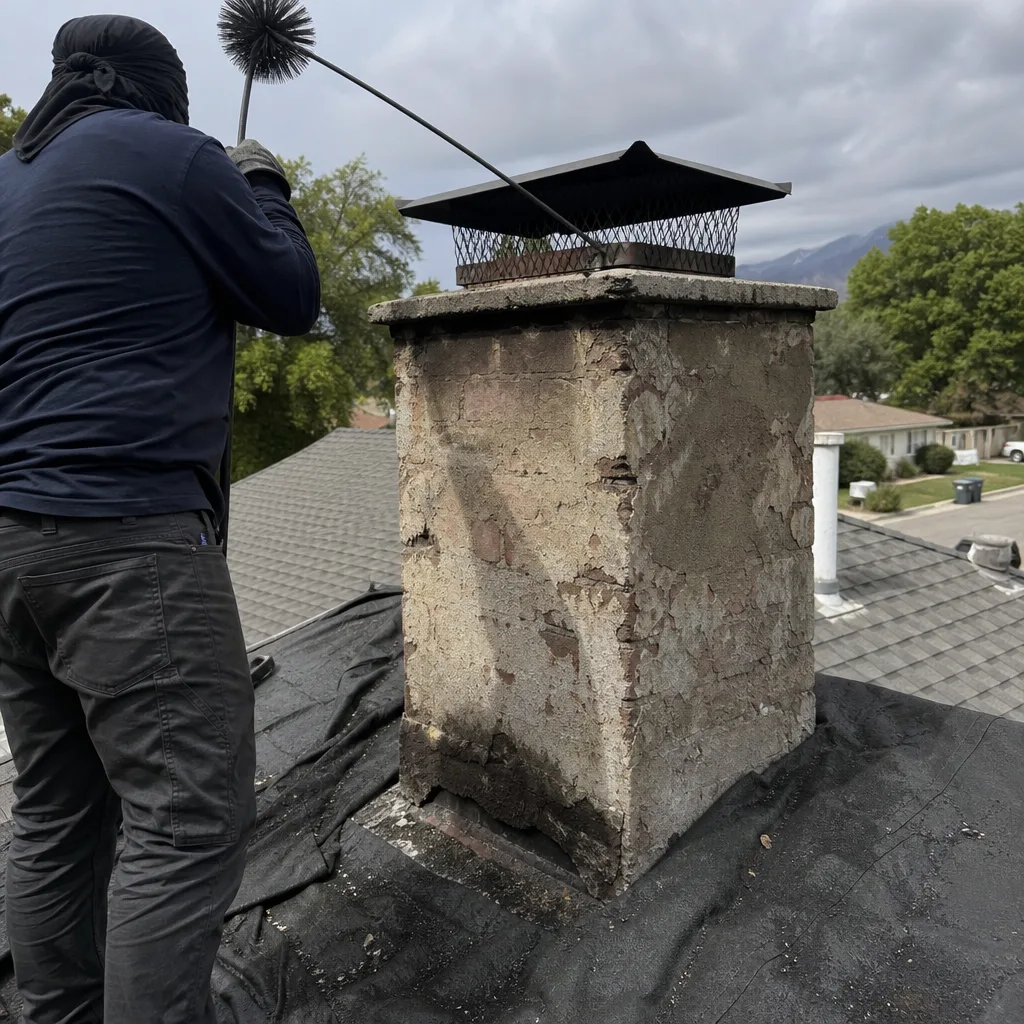 Before
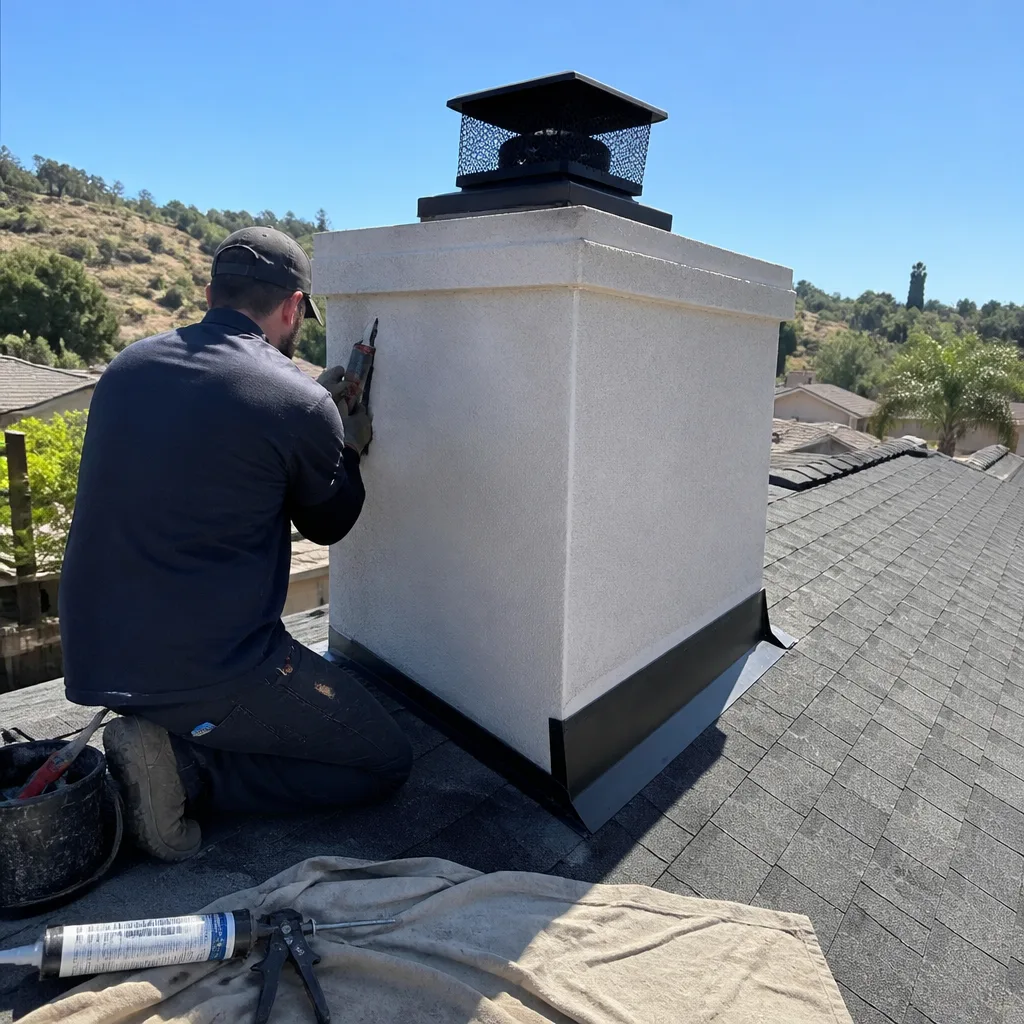 After
 Before
 After
 Before
 After