
Last updated October 30, 2026
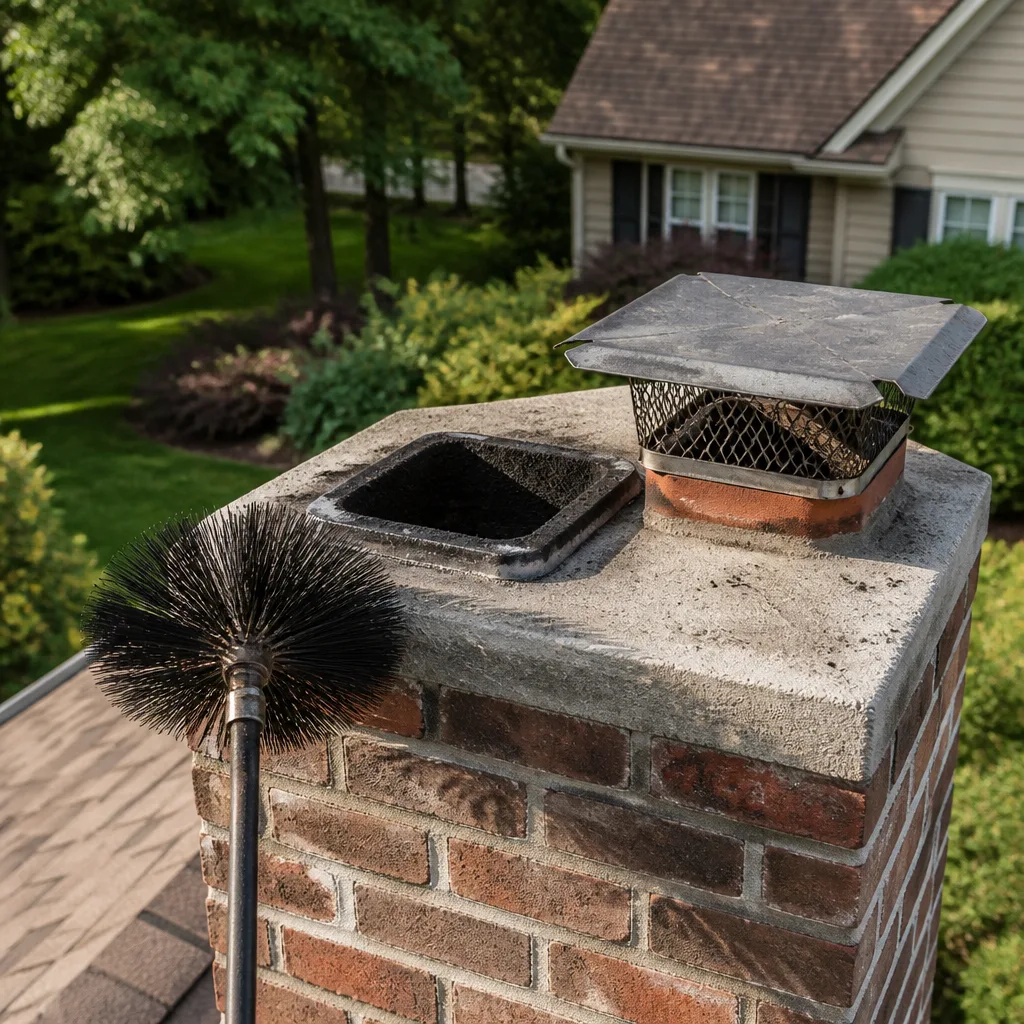 Sweep & inspection
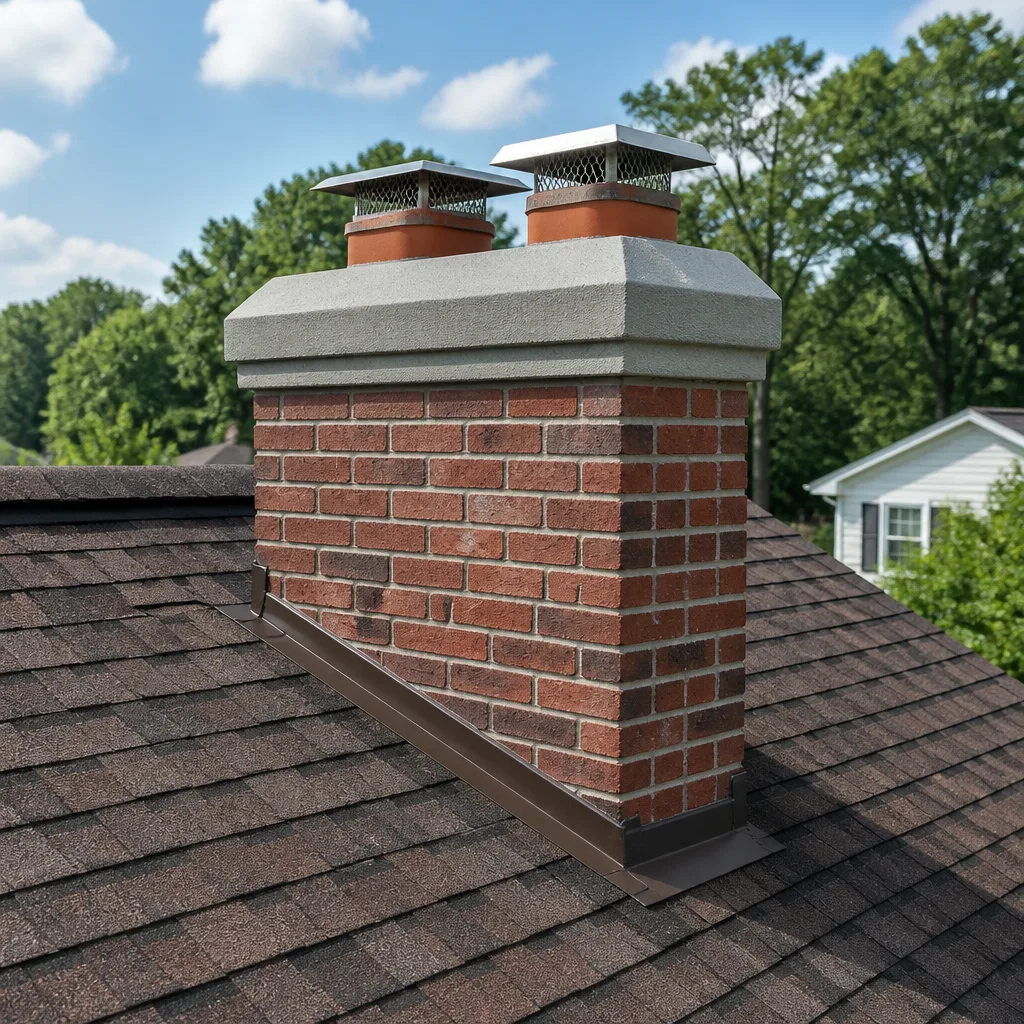 Caps & crowns
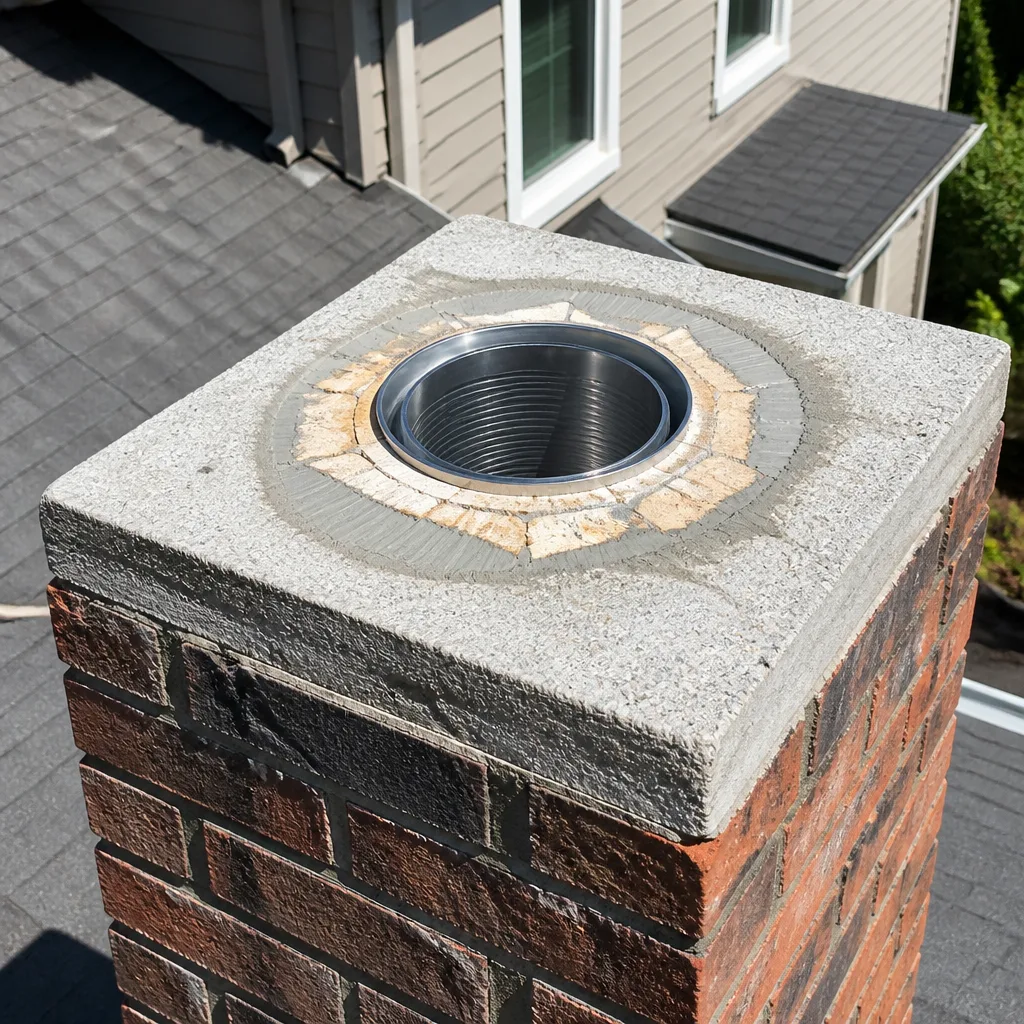 Flue relining
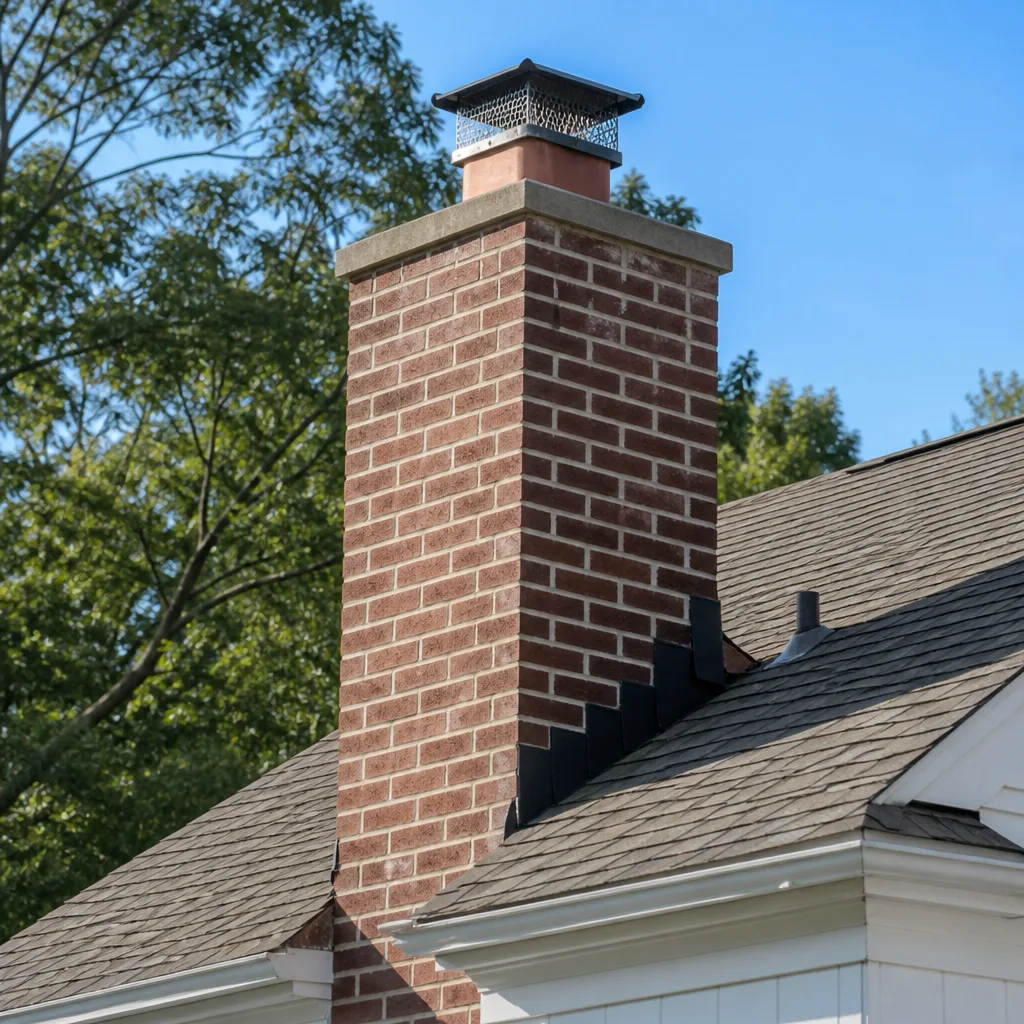 Masonry repair
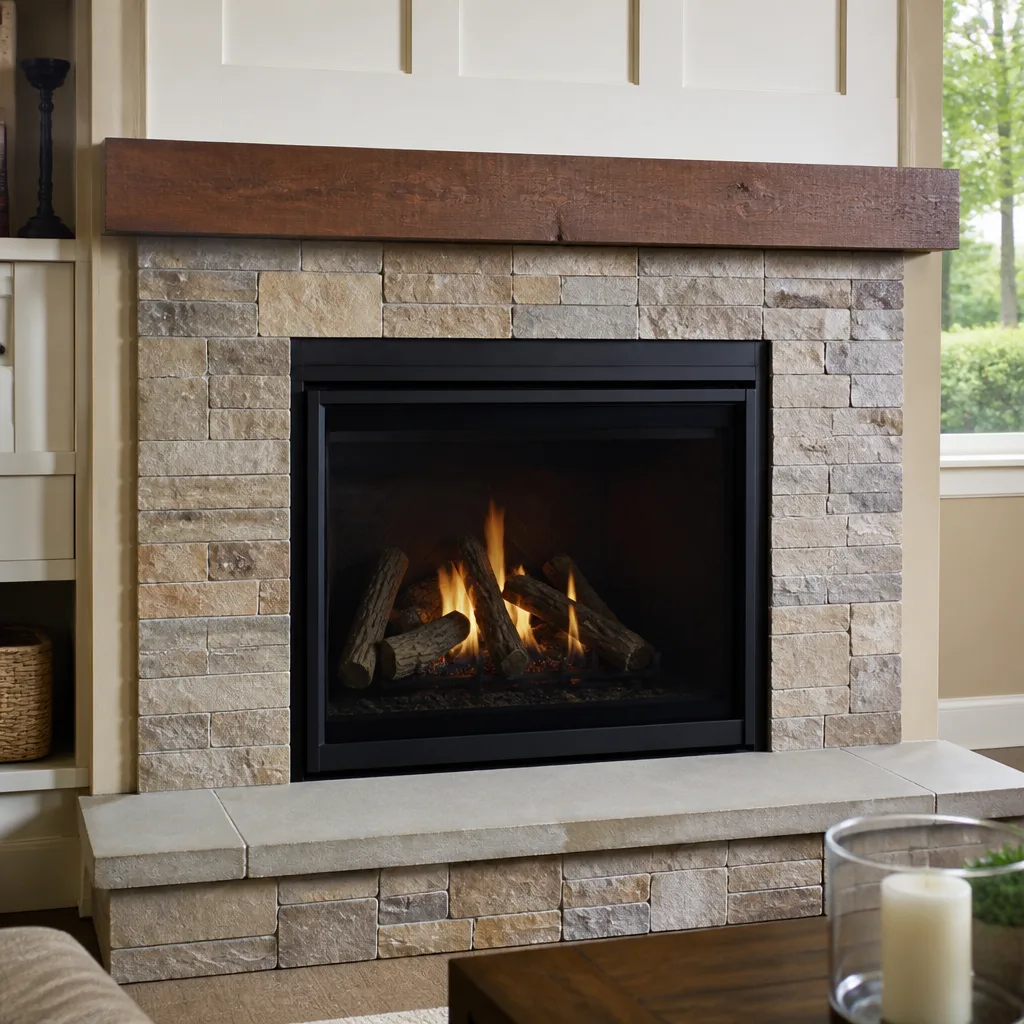 Gas fireplace service
Level 1 sweep and inspection to the NFPA 211 annual standard - flue, crown, cap, and flashing checked and photographed
Chimney sweep logs do not sweep chimneys. They loosen some creosote - which then falls where a brush and vacuum still have to collect it.
Chimney Cleaning Permits, Codes & Inspections in CA: What You Need to Know
Most California homeowners assume a chimney cleaning is a routine, permit-free service, and for the sweeping itself, that’s mostly right. But here’s the counterintuitive part: the moment that cleaning uncovers a cracked flue liner or deteriorated masonry, your fireplace can cross from “maintenance” into “regulated repair” without you realizing it. Using a fireplace after unpermitted structural work can void a homeowner’s insurance claim if a fire occurs, and California’s disclosure laws mean a hidden chimney defect becomes a legal liability when you sell. This guide maps exactly where the line sits, how San Bernardino’s local rules apply to the broader state framework, and what documentation protects you in the long run. For more guides & resources, visit our blog.
Quick Answer
Routine chimney sweeping and inspection in California does not require a permit, but certain repairs uncovered during cleaning, including full liner replacement and some masonry rebuilds, do. Before you use your fireplace after any repair, confirm whether your local building department required a permit for that specific work, and keep the documentation. Consult our Chimney Cleaning Warning Signs: A San Bernardino Homeowner’s Reference Guide to spot problems early. In San Bernardino County, unpermitted structural chimney work can complicate insurance claims and home resale disclosures, so the safe approach is to verify before you burn.
Styles & brands we work with
Table of Contents
- When Cleaning Stays Simple: Maintenance Work That Needs No Permit
- When Cleaning Crosses Into Regulated Territory: Repair Types That Trigger Permits
- How San Bernardino County Fire and City Ordinances Interact
- CSIA Level 2 Inspections and California Real Estate Disclosure Law
- South Coast AQMD Air Quality Rules and Wood-Burning Compliance
- How to Request and Keep Chimney Inspection Records for Insurance and Resale
- Step-by-Step: What a Compliant Chimney Service Looks Like in California
- Permitted Repair Options: When a Liner Needs Work But Not Full Replacement
When Cleaning Stays Simple: Maintenance Work That Needs No Permit
California building codes, including the state’s adoption of the International Residential Code (IRC), draw a clear line between maintenance and structural alteration. A standard chimney sweep, which removes creosote, soot, and debris from the flue, falls firmly on the maintenance side. No permit is required to brush a flue, vacuum the smoke chamber, or clear the chimney cap. The same applies to a Level 1 visual inspection, which is the standard check performed alongside routine cleaning when the system’s basic condition has not changed since its last service.
Here in San Bernardino, our dry, high-desert climate produces extremely fine particulate matter, which mixes with creosote in flues and hardens faster than it does in coastal humidity. That means local chimneys often need more frequent sweeping than a homeowner moving from, say, Orange County might expect. But even when the buildup is heavy, the mechanical act of removing it remains non-structural. What matters for permit purposes is not how dirty the chimney is, but whether the cleaning reveals damage that requires alteration of the system itself.
Maintenance work that does not require a permit includes:
- Mechanical flue brushing and creosote removal using standard sweep equipment
- Removal and cleaning of the chimney cap and spark arrestor, then reinstalling the same unit or a direct replacement
- Minor firebox cleaning and ash removal
- Replacing a worn damper with a compatible model when no structural modification occurs
- Applying a smoke-pull test to verify draft before and after cleaning
- Level 1 visual inspection of the accessible portions of the flue, firebox, and exterior chimney
Any reputable San Bernardino Chimney Sweep home service should be able to tell you up front whether the work being proposed falls into this category or the regulated category below. If a contractor is vague about that line, that’s a signal to ask for specifics in writing.
When Cleaning Crosses Into Regulated Territory: Repair Types That Trigger Permits
California adopts the IRC with state-specific amendments under the California Residential Code (CRC), Title 24. Under CRC Section R105, a building permit is required for any work that alters the structure of a building or its mechanical systems, and certain chimney repairs qualify. The trigger points are not always intuitive. Patching a small crack in a clay tile liner with refractory cement is generally considered maintenance. Replacing an entire clay liner with a stainless system like a DuraFlex liner is a structural alteration in the eyes of most building departments, and it requires a permit in San Bernardino County.
The key principle: if the repair changes the listed system’s configuration, material composition, or structural path, permit review is more likely. Work that typically requires a permit includes:
- Full liner replacement: Removing clay tiles or an existing metal liner and installing a new listed liner system, including stainless flexible liners
- Partial rebuild of the chimney chase or masonry stack: Rebuilding more than a small section of brick or block above the roofline
- Firebox reconstruction: Rebuilding the firebox walls where structural masonry is removed and replaced
- Chimney extension or height modification: Adding to the stack to correct draft issues or meet roof clearance requirements
- Smoke chamber repair that alters dimensions: Reshaping a smoke chamber with significant parging that changes its profile
The practical problem for homeowners is the sequence. A routine cleaning in August can reveal a spalled clay liner in October. The homeowner wants the fireplace ready for the first cold snap, so they approve the repair on the spot. Three months later, a chimney fire causes attic damage, and the insurance adjuster asks to see the permit for the liner work. If no permit exists, the claim is jeopardized. We’ve seen this scenario develop enough times in San Bernardino to make it a standing policy question with every repair we quote: is this work permit-required, and will the homeowner have documentation before the first burn?
The permit itself is usually not expensive relative to the repair, often a few hundred dollars depending on valuation. The cost is in the delay and the inspection scheduling, which is exactly the friction that leads some unreputable operators to skip it. A specialist who does chimney work every day knows the local threshold. A generalist may not.
How San Bernardino County Fire and City Ordinances Interact
California’s state building code sets the baseline, but local jurisdictions layer additional requirements. San Bernardino County Fire has specific provisions in its fire code regarding solid-fuel-burning appliances, and cities within the county, including Rubidoux, may adopt stricter local ordinances under their own municipal code. The result is a two-tier system that frustrates homeowners who assume one set of rules applies everywhere.
San Bernardino County enforces the California Fire Code with local amendments. Under those amendments, the County Fire Marshal has authority to inspect chimneys in response to complaints or after fire incidents, and can issue correction orders for hazardous conditions. The County also enforces defensible space requirements that affect chimney spark arrestors. In high wildfire-risk zones, which include substantial portions of the San Bernardino foothills, chimneys attached to structures in the Wildland Urban Interface (WUI) must have approved spark arrestors with mesh openings no larger than half an inch. Missing or damaged arrestors in WUI zones are a code violation, not a suggestion.
City-level enforcement adds another variable. If you live within the city limits of Rubidoux, for example, local building officials may require permits for repair work even when the County Fire code does not address it. The standard practice is to check with the city building department first, then confirm whether the County Fire Marshal has any overlapping inspection authority. For a homeowner, the cleanest approach is to ask whichever contractor you hire whether they pull permits for the proposed work, and if they say yes, confirm they are familiar with the specific jurisdiction. Our Chimney Repair in Rubidoux work routinely involves coordinating with local building departments to confirm what a given repair requires before we start.
The practical rule for San Bernardino homeowners: routine sweep, no permit. Any repair that changes the flue’s listed configuration, contact the building department. And if your home sits in a WUI-designated zone, treat the spark arrestor as a compliance item, not a cosmetic accessory.
CSIA Level 2 Inspections and California Real Estate Disclosure Law
A Level 2 inspection goes beyond the visual sweep. It uses a camera to examine the full interior of the flue, the smoke chamber, and the firebox, looking for hidden cracks, voided mortar joints, and other defects that a Level 1 visual check cannot see. In real estate transactions, particularly older homes in established neighborhoods, Level 2 inspections are increasingly written into purchase agreements as a contingency item.
California’s disclosure laws make chimney condition legally relevant. Under California Civil Code Section 1102, sellers must disclose known material defects, and a chimney liner crack or firebox deterioration discovered during any prior inspection qualifies. The disclosure form specifically asks about structural defects and malfunctions, and a chimney connected to a solid-fuel appliance is a structural and fire-safety component. If a seller had a Level 2 inspection two years ago that flagged a cracked liner and then sold the home without making the repair or disclosing it, the buyer may have a valid non-disclosure claim.
But here’s where the homebuyer or seller gains something from a proper inspection record: a clean Level 2 report is proof of due diligence. If you sell a home in San Bernardino and can provide a dated Level 2 camera report showing an intact liner and clear flue, you have answered the disclosure question affirmatively and with documentation. If the report shows a problem, you can either repair it before listing or disclose it and negotiate the sale accordingly. Either path is cleaner than the alternative.
The CSIA (Chimney Safety Institute of America) designation matters because it establishes a standard for what the inspection includes. A camera inspection done by a company that knows how to read the interior of a chimney is not the same as a visual glance up the flue with a flashlight. In our San Bernardino service area, we recommend a Level 2 inspection after any chimney fire, before any change in fuel type, after any event that might have shifted the structure, like an earthquake, and as part of any home purchase or sale.
South Coast AQMD Air Quality Rules and Wood-Burning Compliance
The South Coast Air Quality Management District covers much of Southern California, and while its mandatory no-burn days are widely known, its interaction with chimney cleaning and appliance compliance is less understood. Rule 445 governs wood-burning devices in residential applications, and it has a direct effect on homeowners who rely on fireplaces for seasonal warmth.
The first thing to understand is that the AQMD does not issue chimney cleaning permits, and its rules do not supersede the permit requirements in the building code. What the AQMD does is restrict when you can burn, and in some cases, what you can burn in. Mandatory no-burn alerts are triggered by forecasted fine particulate pollution, and on those days, burning solid fuels in a residential fireplace is prohibited unless the home has no other source of heat. The AQMD relies on Rule 445 for enforcement, with fines for repeat violations.
The cleaning-specific intersection works like this: a properly cleaned and maintained chimney produces less visible smoke and fewer particulates than a dirty one. While a clean chimney does not exempt you from no-burn restrictions, it does mean your fireplace operates more efficiently on legal burn days, with less creosote accumulation between cleanings. There is also a compliance angle for sellers. Rule 445 requires that when a home is sold, any wood-burning device that is not EPA-certified or that does not meet the rule’s exemption requirements may need to be removed or rendered inoperable before the transfer, depending on the specific situation and the age of the device. A chimney service familiar with local requirements can tell you whether your fireplace or insert falls into a regulated category.
The practical takeaway for San Bernardino homeowners is simple enough to state in one sentence. Know the burn-day status before you light a fire, and keep the flue clean enough that your allowed burns are as clean as possible. The rules are about ambient air, and a maintained chimney is a smaller contributor than a neglected one.
How to Request and Keep Chimney Inspection Records for Insurance and Resale
Documentation is the difference between a defensible position and a disputed claim. In San Bernardino, where homes with fireplaces change hands regularly, and where summer wildfire risk already makes insurance underwriting volatile, a dated chimney inspection record is one of the cheapest forms of protection a homeowner can have.
Requesting records from a chimney service should be a standard part of every appointment. What to ask for, in writing or by email so there’s a timestamp:
- A dated service report that describes what was done, what was found, and what condition the flue was in at the time of service.
- Photos or video from any camera inspection, saved to a file format you can access later, not kept only in the service company’s internal system.
- A written statement of any recommended repairs, including whether the recommendation is immediate, seasonal, or monitor-only, and whether the repair would require a permit.
- Any permit documentation if repairs were performed, including the permit number, the issuing jurisdiction, and the final inspection sign-off.
- Brand and model information for any components installed, such as a listed stainless liner or a resurfacing product.
Keep these records in a single folder, physical or digital, that you can hand directly to an insurance adjuster or a real estate agent. The standard many insurance companies apply is simple: if you can show a professional inspected the chimney within a reasonable time frame before the incident, and you followed documented recommendations, you have made a stronger case for coverage than a homeowner with no paper trail at all. Given that homeowners insurance in California already faces pressure from wildfire exposure, do not give an adjuster a documentation-free reason to challenge a claim.
For resale, the same records support your California disclosure obligations. A buyer who receives a stack of dated service reports and a recent camera inspection is less likely to demand a last-minute chimney contingency. A buyer who receives nothing may assume the worst and price it into the offer. We recommend our customers in San Bernardino keep service records the same way they keep roof repair receipts or HVAC maintenance logs, as a standing file that builds value over time.
Step-by-Step: What a Compliant Chimney Service Looks Like in California
If you’ve never hired a chimney company before, the sequence of a properly conducted service is worth knowing, because the sequence itself is what reveals whether the operator follows the rules. Here’s what a compliant sweep and inspection should look like in San Bernardino, start to finish.
- Pre-service intake. The technician asks about the home’s age, the fuel burned, how often the fireplace is used, and whether any prior repairs or inspections have been done. This is not small talk. It establishes the system’s known history and flags any prior unpermitted work that might need verification.
- Exterior inspection. The technician checks the chimney cap, crown, flashing, and masonry from the roofline, looking for gaps, cracks, or spalling brick that would let water into the system. In the San Bernardino foothills, this also includes confirming the spark arrestor is intact and properly meshed for WUI compliance.
- Interior preparation and sweeping. The fireplace opening is sealed with sheeting and a vacuum system runs during the brush work to keep soot and creosote out of the living space. The flue is brushed from the top or bottom depending on access.
- Post-sweep camera check. After the flue is clean, a camera is run the full length of the liner. This is the step that reveals hairline cracks, voided mortar, or deteriorated tiles that were hidden under heavy creosote. Many homeowners learn of a liner problem for the first time at this stage.
- Written report and photos. The technician provides the dated service report, the inspection findings, and the camera images. If a repair is recommended, the report should state whether the repair is permit-required and what the compliance path looks like.
- Repair or maintenance recommendation. If the system is sound, the recommendation is simply the next service interval. If a repair is needed, the homeowner gets a written scope of work, a permit determination, and a clear explanation of what can wait and what cannot. Our approach at San Bernardino Chimney Sweep is that nothing gets recommended without camera evidence a homeowner can see with their own eyes.
One more note on step five. A contractor who cannot or will not provide dated documentation is not saving you money by cutting corners on paperwork. They are transferring risk onto you, and in a state where insurance disputes are already common, that transfer is expensive.
Permitted Repair Options: When a Liner Needs Work But Not Full Replacement
Not every cracked liner requires a full tear-out and replacement. In many cases, a resurfacing system is the appropriate repair, and depending on the method and local interpretation, the permit and cost burden is lighter. This is where material selection matters, because the difference between a product-backed system and a bargain application is the difference between a repair that lasts and one that fails in three seasons. Our Chimney Sweep Troubleshooting: Common Problems and How to Fix Them covers how to evaluate repair options when damage is found.
One widely used option is HeatShield, a cerfractory resurfacing system that repairs cracks, spalling, and minor gaps in clay tile liners by applying a coating that bonds to the existing flue. When the flue is otherwise structurally sound and the damage is limited to surface cracking or minor joint voids, HeatShield can restore the liner’s integrity without removing the original tile. The repair still requires professional installation and in some jurisdictions a permit, depending on how the local building department classifies the work, but the scope is smaller than a full relining. The material advantage is real: HeatShield is a listed, tested product with specific performance characteristics, not a bag of generic refractory cement.
For chimneys where the existing liner is too far gone to resurface, a stainless steel relining system is the standard remedy. DuraFlex flexible stainless liners are listed to UL 1777 and are the product we specify for most full relining work in our service area. The liner provides a new, continuous flue inside the existing masonry, and it is the repair type most likely to require a permit, since it changes the listed configuration of the chimney. The permit ensures the installation meets clearance, termination height, and listing requirements before the first fire.
The takeaway for a homeowner facing a liner repair quote: ask what materials are being specified, whether they are tested and listed for the application, and whether the work carries a permit. A chimney specialist can answer all three directly. A generalist who is moonlighting in chimney work often cannot. Our repair work in San Bernardino is built around the principle of fixing what the camera shows with materials that are documented to work, then giving the homeowner the paper trail to prove it. That includes coordination with brands like Olympia Chimney and Famco when a repair requires replacement components or termination parts that match the existing system’s listing.
If a cleaning in San Bernardino uncovers a liner problem, the repair path is not a mystery. The options are predictable, the materials are known, and the permit question is answerable before any work begins.
Common Mistakes to Avoid
- Assuming every repair is permit-free because the sweep was. The cleaning itself needs no permit, but the work it reveals might. Confirm the specific repair’s status with your local building department before authorizing it.
- Burning after a repair without confirming the permit closed. A permit that was applied for but never finalized with a passed inspection is almost as bad as no permit. Verify the final sign-off before the first fire.
- Hiring a generalist who doesn’t know local code thresholds. A handyman may be able to brush a flue, but when the camera reveals a liner crack, they’re outside their scope. The San Bernardino building department’s interpretation of what triggers a permit is a local question a home-services generalist rarely knows.
- Ignoring spark arrestor requirements in wildfire zones. Many San Bernardino homes sit in WUI-designated areas where a missing or damaged spark arrestor is a code violation. A sweep should include checking this as standard.
- Failing to keep service and inspection records. A dated camera report is the single most useful document you can hold for insurance and resale purposes. If your chimney service doesn’t provide one, request it or find a service that does.
- Skipping the Level 2 inspection when buying a home. A visual sweep will not see a cracked liner hidden behind soot. In California’s disclosure environment, the extra camera inspection is the cheapest negotiating leverage a buyer can obtain.
- Burning on a no-burn day assuming a clean chimney exempts you. AQMD no-burn rules apply regardless of how clean the flue is. Check the daily status before lighting.
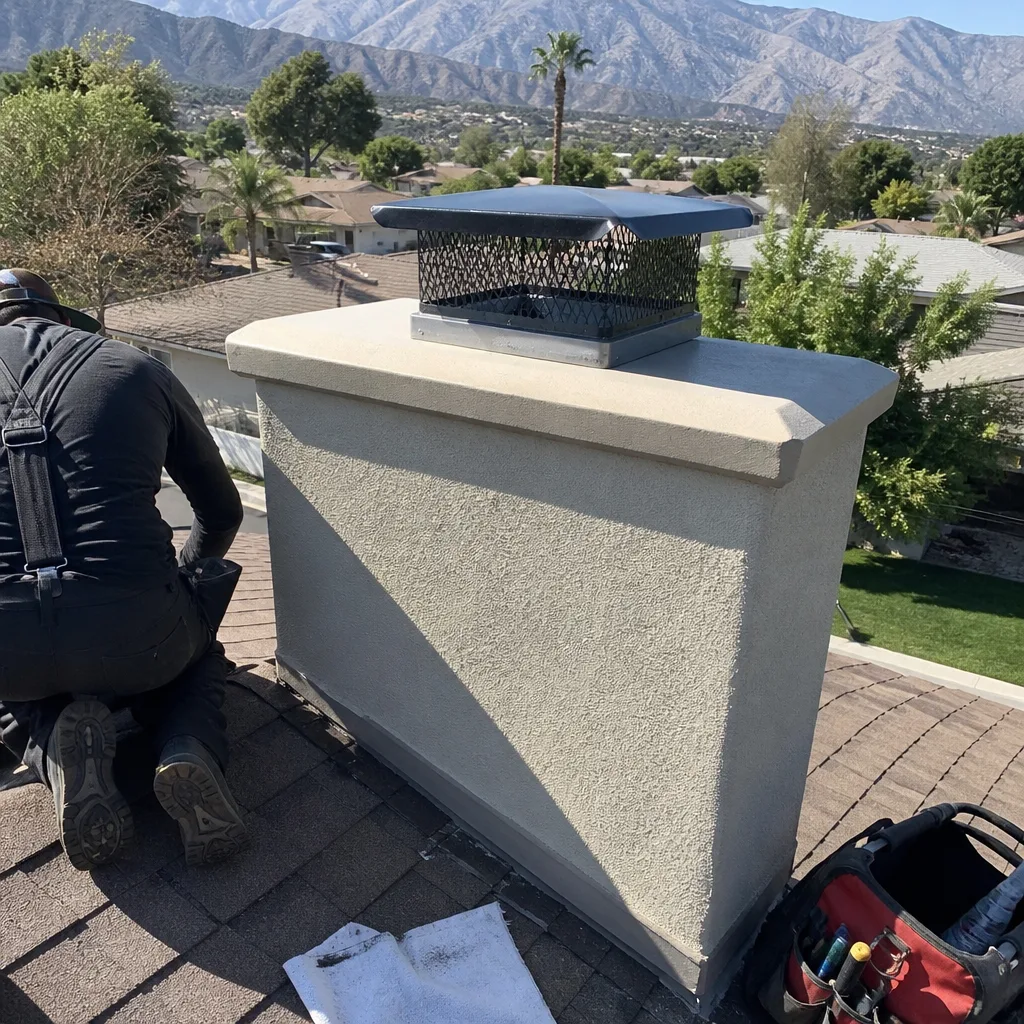
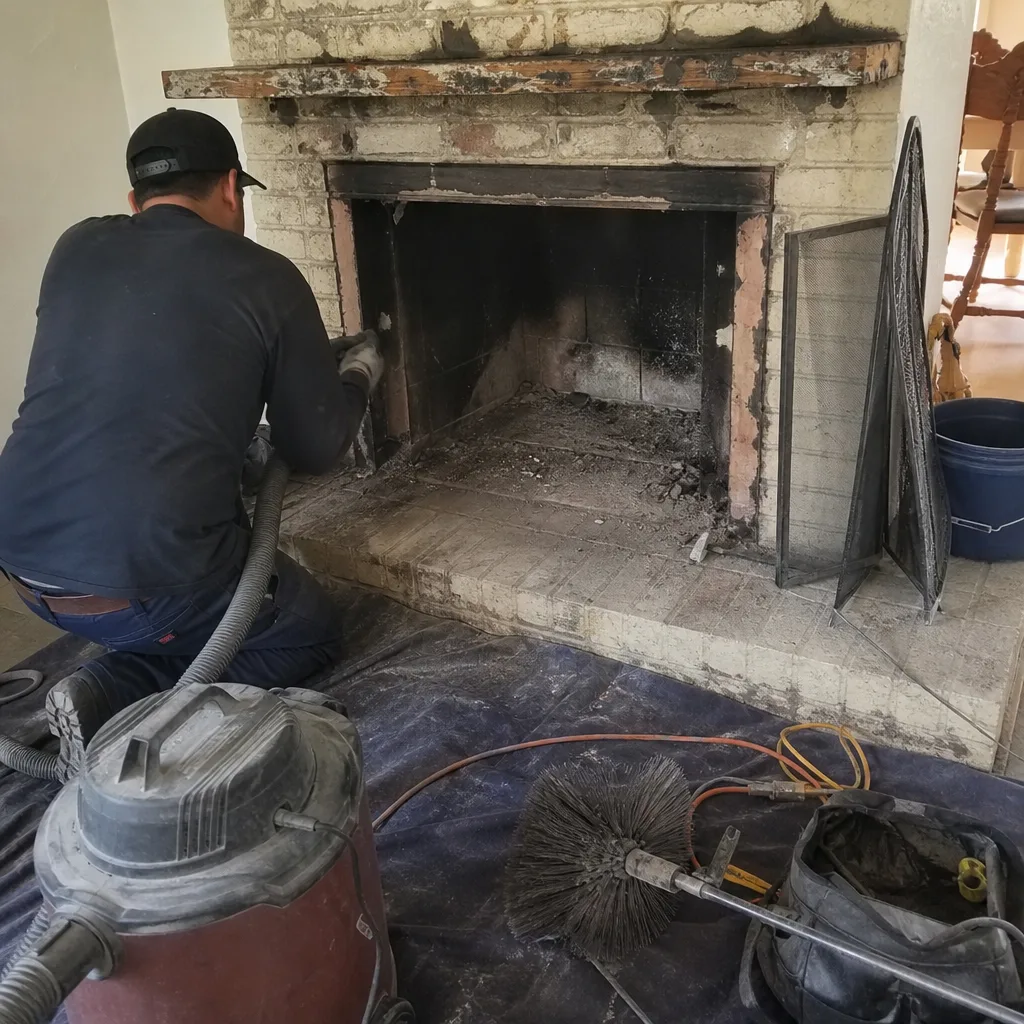
See the difference
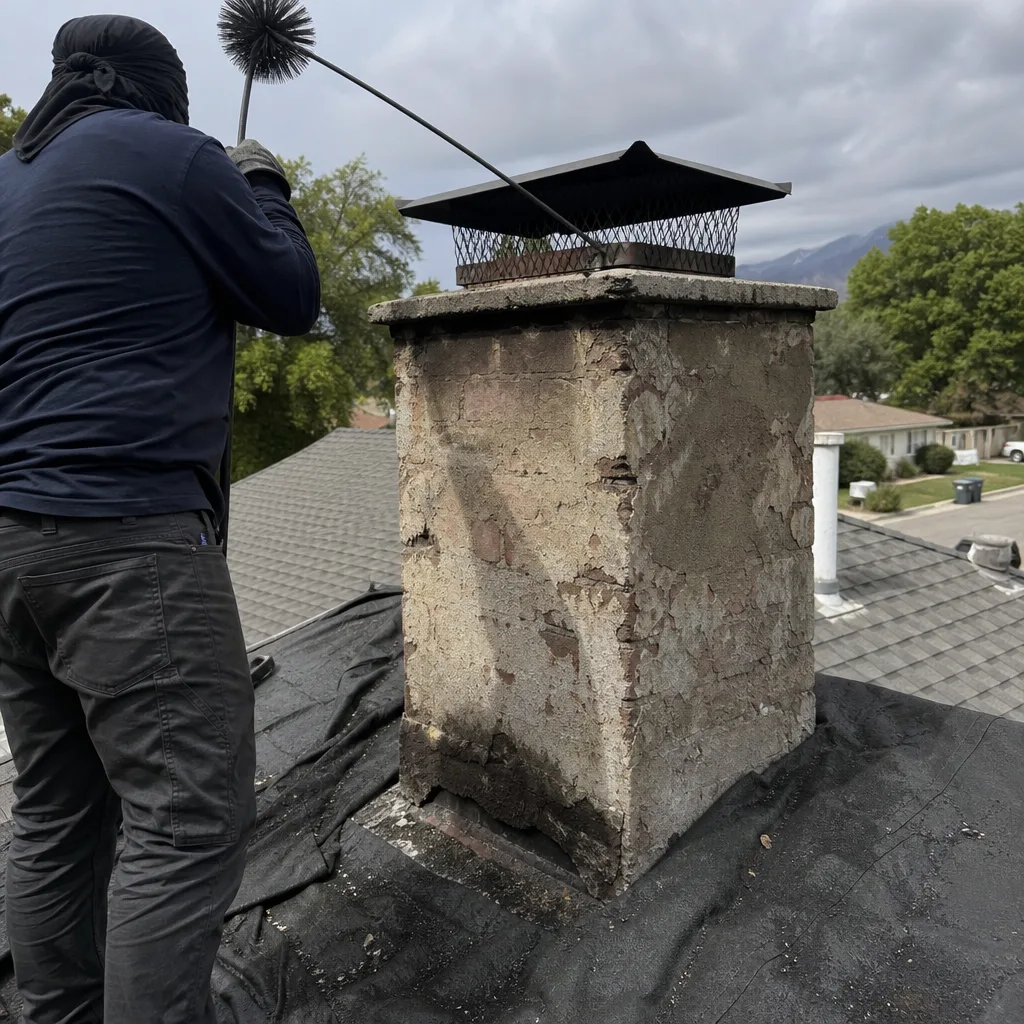 Before
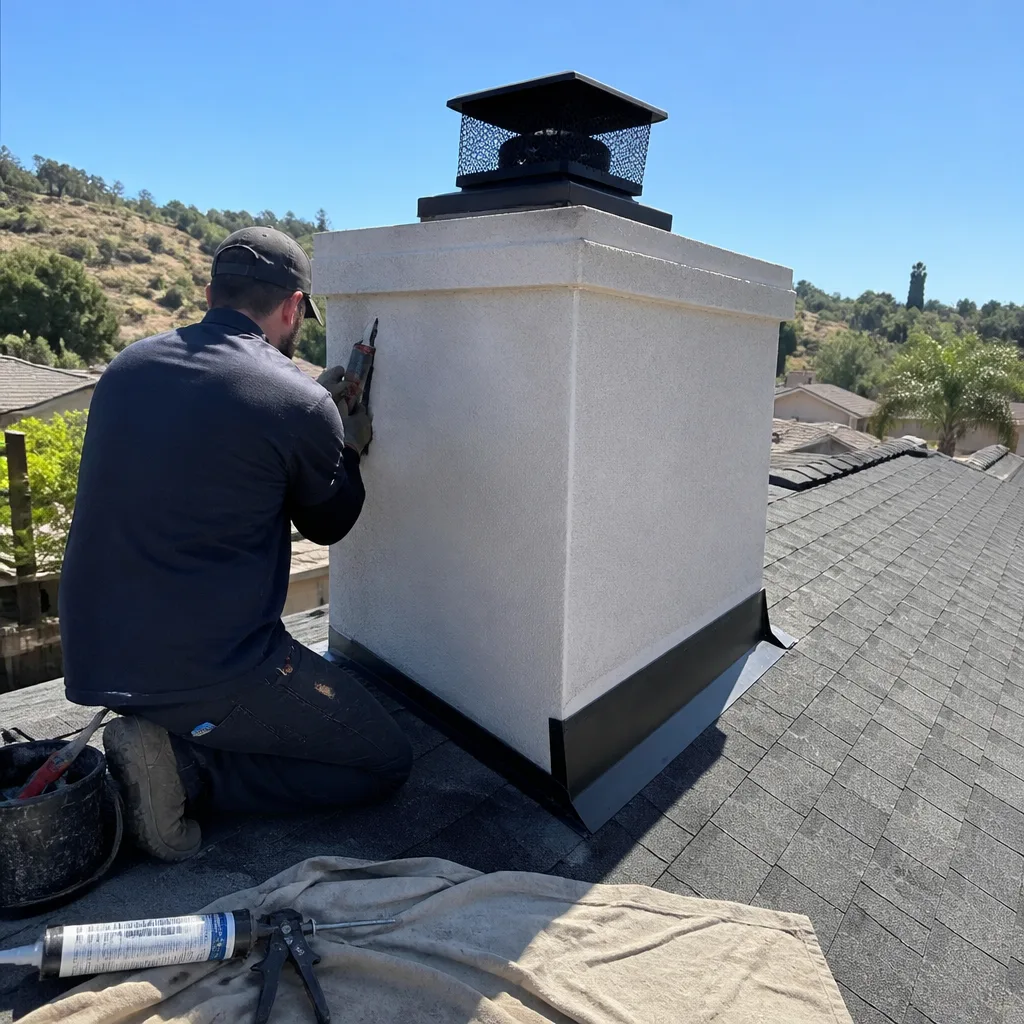 After
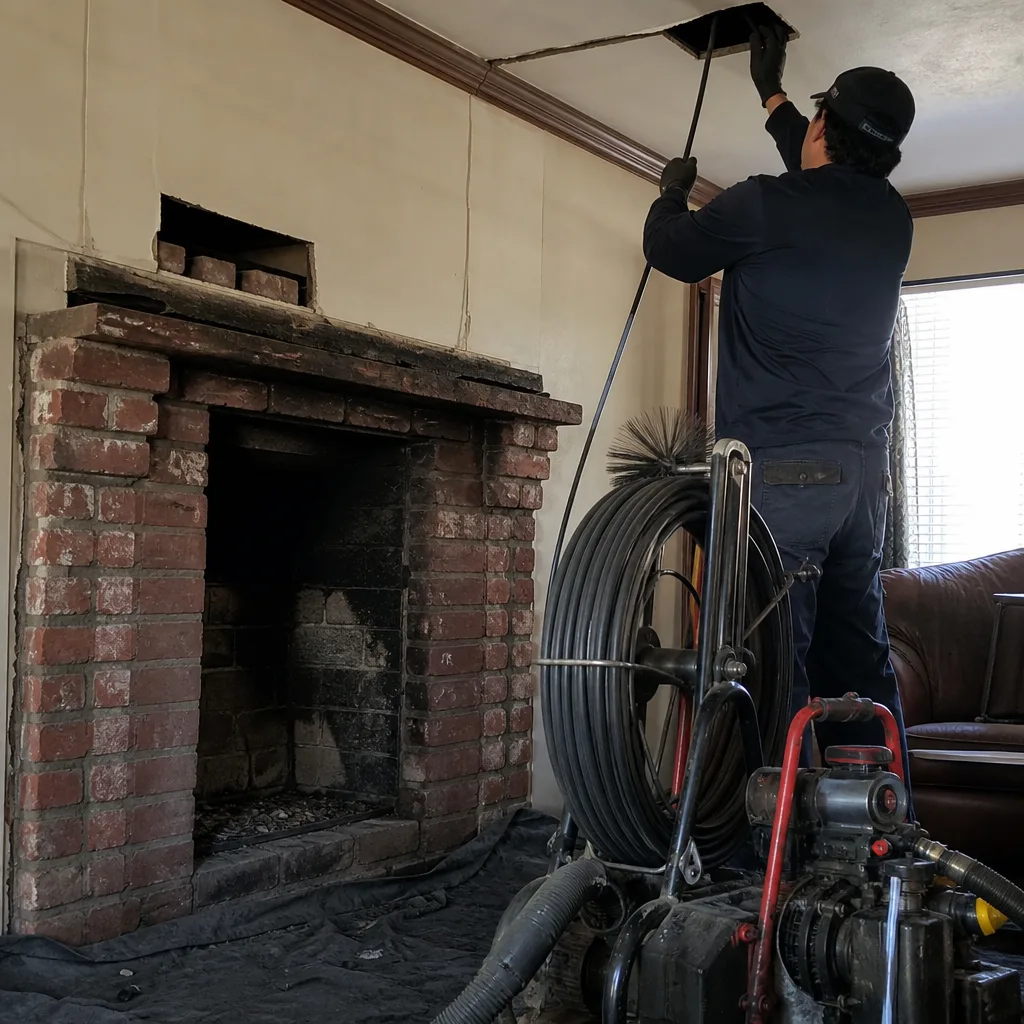 Before
 After
 Before
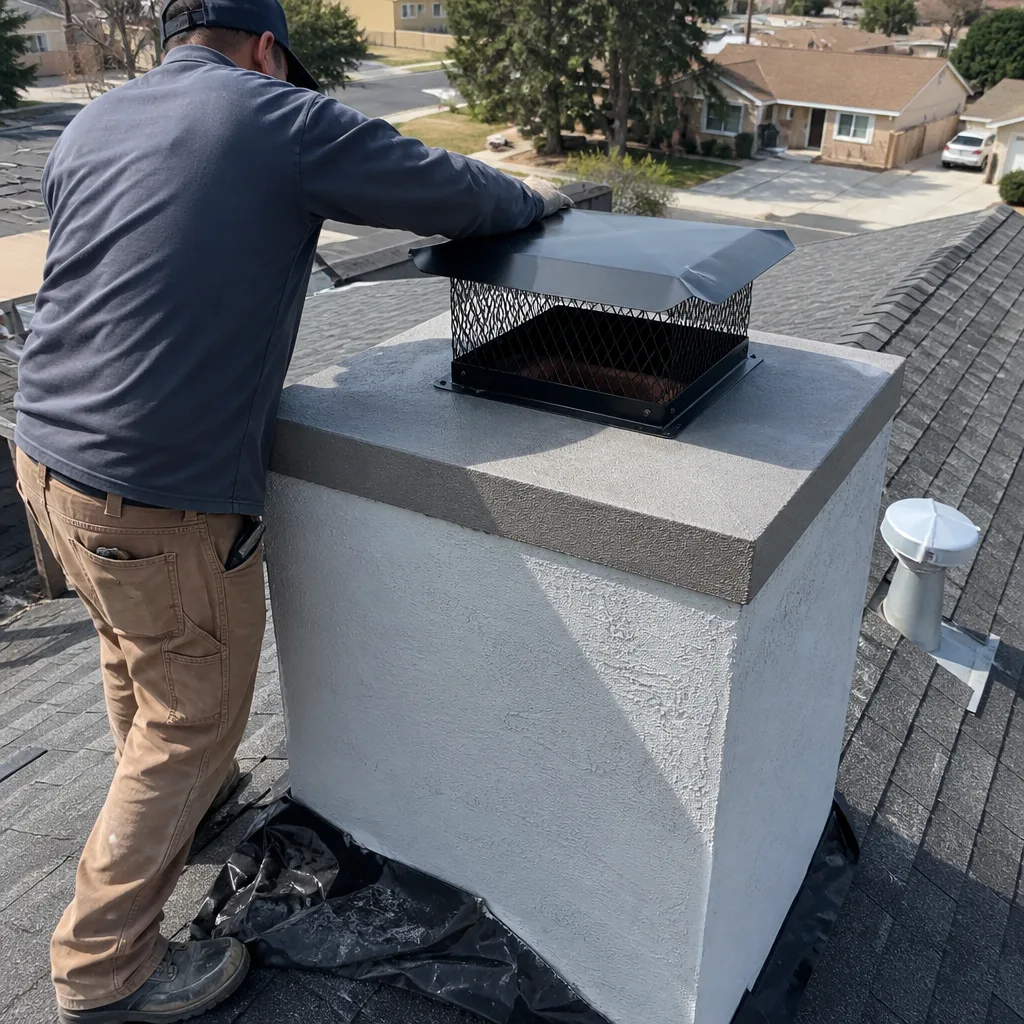 After
When to Call a Professional
There is a specific set of situations where calling a chimney specialist is not a preference but the only responsible move. If your last sweep was more than a year ago and you intend to use the fireplace this season, schedule a cleaning and Level 1 inspection before the first burn. If you’ve had a chimney fire, even a brief one, get a Level 2 camera inspection before the next use, since flue damage after a fire is often invisible from the firebox. If a home inspector flagged any chimney issue during a purchase or sale, have it evaluated by a chimney company before closing or before listing. If your dryer vent has not been cleaned in over a year, that is a separate fire risk worth addressing under the same roof. San Bernardino Chimney Sweep offers free estimates in San Bernardino and surrounding areas, call (877) 516-7159 to schedule a sweep, inspection, or repair consultation.
Frequently Asked Questions
No, routine chimney sweeping and Level 1 visual inspection do not require a permit in California or in San Bernardino County. The permit question arises only when a cleaning reveals damage that requires repair, and the answer depends on the specific repair type and your local building department’s interpretation.
Full liner replacement, significant masonry rebuilds, firebox reconstruction, and chimney height modifications generally require a permit in San Bernardino County. Minor crack patching and component replacement without structural alteration usually do not, but confirm with your local building department for your specific situation.
Yes, an insurance adjuster can deny a fire claim if unpermitted structural work on the chimney contributed to the loss, because California courts have consistently upheld permit requirements as material to a structure’s legal compliance. Even if the unpermitted work was done by a previous owner, the burden falls on the current policyholder.
Most wood-burning fireplaces in San Bernardino should be swept once per year, and heavy-use systems may need it more often. Our dry air causes creosote to mix with fine desert dust into a hardened deposit that builds faster than many homeowners expect, so the standard interval is shorter than in humid coastal areas.
Yes, a Level 2 camera inspection provides the documentation that supports your required disclosures under California Civil Code Section 1102, and a clean report can prevent last-minute buyer contingencies. If the report finds damage, you can repair or disclose it before negotiation, which is far less costly than a post-sale non-disclosure claim.
Resurfacing with a product like HeatShield restores a damaged clay liner by applying a cerfractory coating to the existing flue when the structure is still sound, while replacement installs a new listed liner, such as a DuraFlex stainless system, inside the existing chimney. Resurfacing is less invasive and may carry a lighter permit burden, but replacement is required when the original liner has collapsed or is too deteriorated to serve as a bonding surface.
The South Coast AQMD does not require chimney inspections as a condition of its rules, but it does restrict when wood-burning devices can be used under Rule 445, and its requirements can affect what a homeowner must do with a non-compliant device before selling a home. A maintained chimney that burns cleanly on allowed days serves both your compliance and your neighborhood’s air quality.
The Bottom Line
Chimney cleaning in California starts simple and stays simple until the cleaning finds something. The permit question is not about the sweep, it’s about what the sweep reveals, and the difference between a repair that requires a permit and one that doesn’t is a local building department question, not a guess. Document everything. A dated camera report, a written service record, and a closed permit file are the three documents that keep your homeowner’s insurance claim intact and your home resale clean. If you’re in San Bernardino and want a specialist who can inspect, document, and repair under one roof, call (877) 516-7159 for a straightforward assessment of your chimney system.
Written by the team at San Bernardino Chimney Sweep, serving San Bernardino since 2018.