

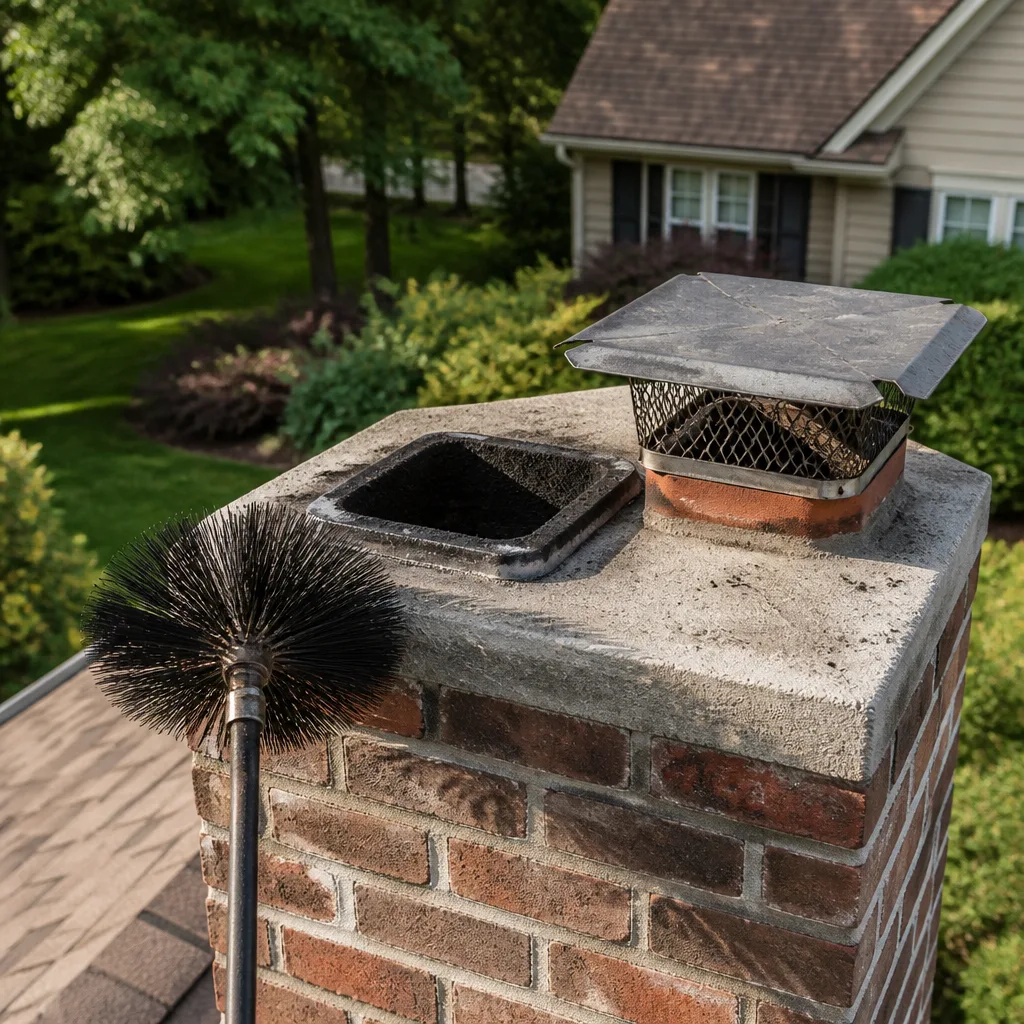
 Sweep & inspection
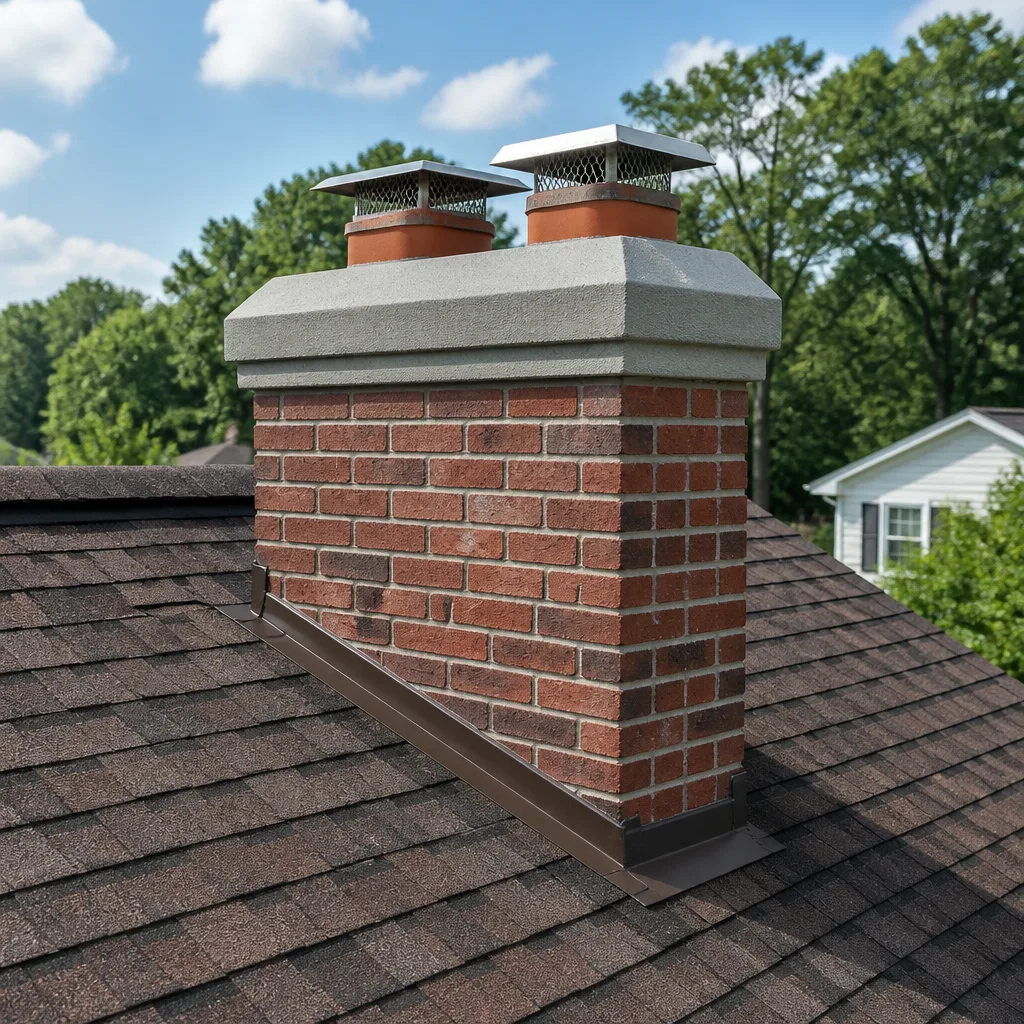 Caps & crowns
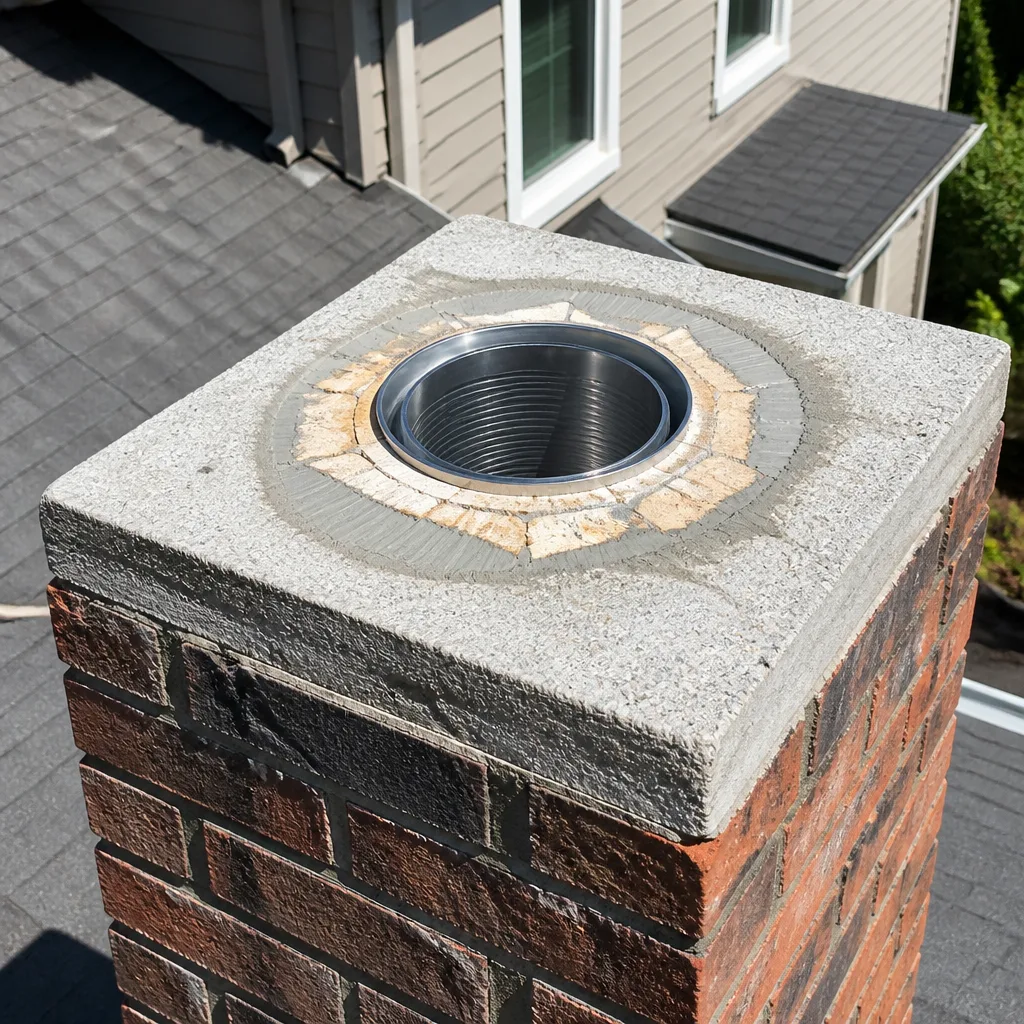 Flue relining
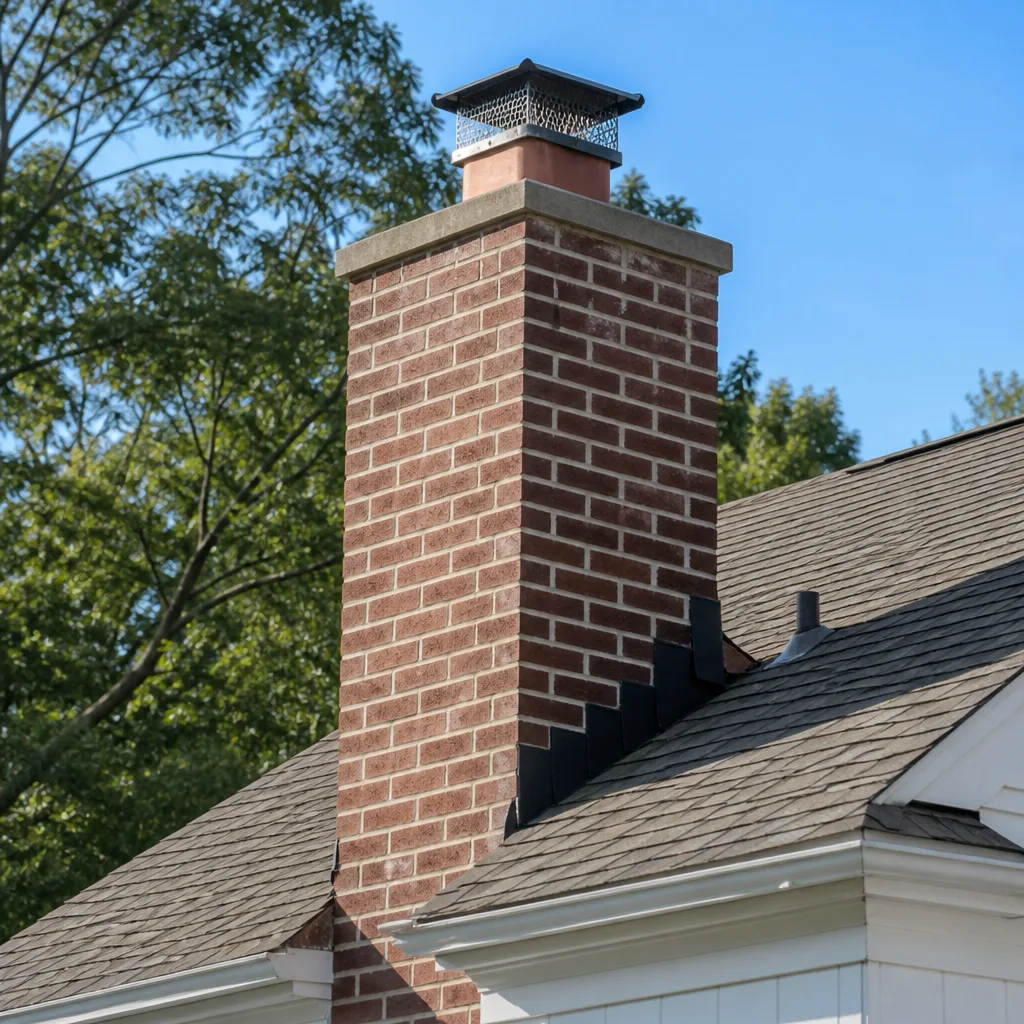 Masonry repair
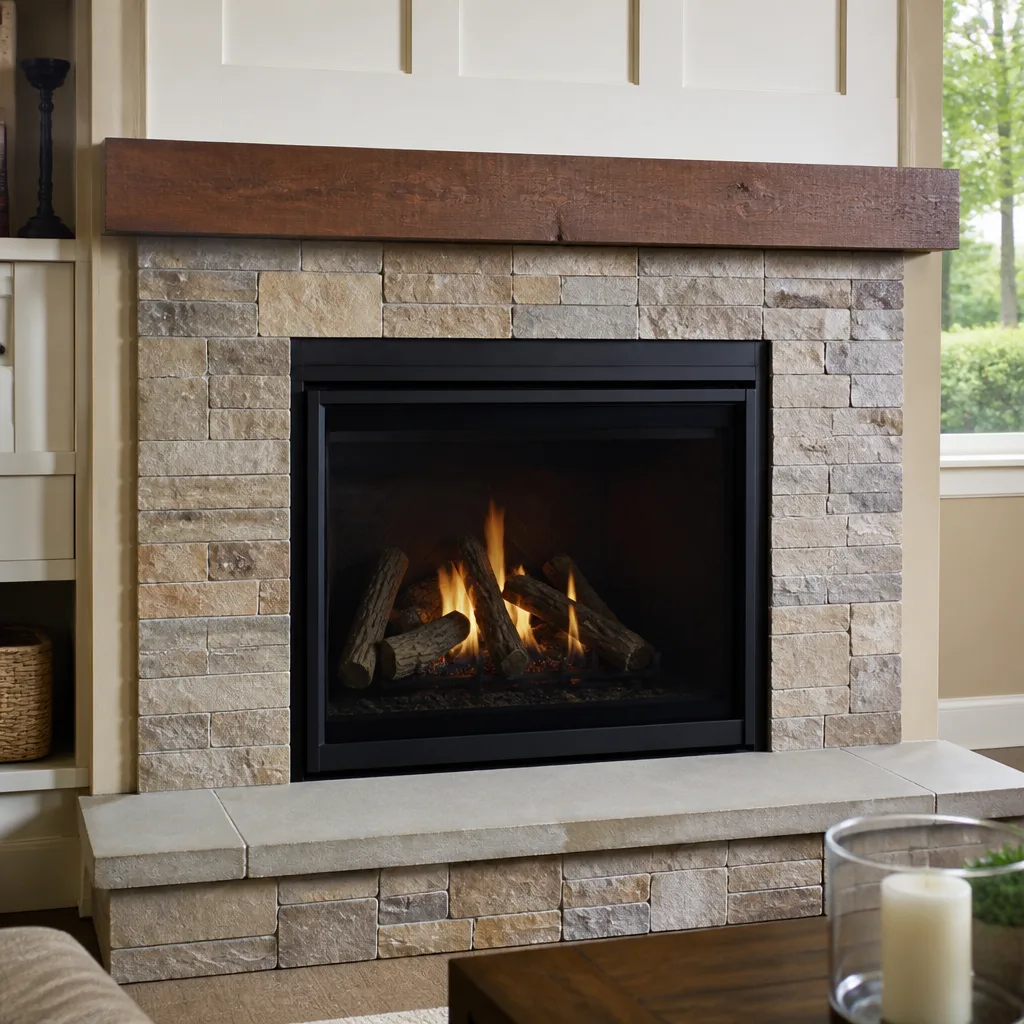 Gas fireplace service
Level 1 sweep and inspection to the NFPA 211 annual standard - flue, crown, cap, and flashing checked and photographed
Chimney sweep logs do not sweep chimneys. They loosen some creosote - which then falls where a brush and vacuum still have to collect it.
HeatShield Chimney Cleaning in Escondido, CA | San Bernardino Chimney Sweep
We provide independent HeatShield chimney cleaning and resurfacing service across Escondido, including the older ranch and tract neighborhoods, the newer subdivisions on the north and east sides, and the foothill properties that border open space. The thing that makes our HeatShield work different here is simple: Escondido fireplaces sit idle for most of the year, and what builds up in that idle season is harder, denser, and more bonded than what you’d find in a chimney that gets burned weekly. Hardened glazed creosote won’t just sweep out, and it will absolutely stop a HeatShield resurfacing job from bonding. That’s where we start. Call (877) 516-7159 for a straight answer about your flue.
If you’re already researching HeatShield, you likely know it’s a ceramic flue sealant and resurfacing system used to reline or repair existing masonry chimneys without a full tear-out. We’ve been applying it in North County long enough to know how it behaves in Escondido’s dry, wind-scoured flues, and because we work for you rather than the manufacturer, we’ll tell you plainly when a HeatShield repair is the wrong call and a rebuild is the right one. You can read more about the system itself on our HeatShield sales & service page.
Why Escondido Residents Choose Us for HeatShield Service
Most Escondido homes with a fireplace have a masonry chimney, not a prefab unit, and many of those chimneys date to the 1950s through 1980s building boom. Clay tile flues from that era are now sixty to seventy years old in some cases. That’s a lot of dry-heat expansion and contraction cycles, and the houses near the hills have had decades of Santa Ana grit working at the mortar joints. When we show up, we’re not guessing at what’s inside. We camera-scope before we quote, because a HeatShield liner that’s failing at a hidden joint won’t reveal itself from the rooftop alone.
Allen Prescott, our owner, grew up near the Kendall Drive corridor in San Bernardino and has spent the better part of three decades working on chimneys and fireplaces across the Inland Empire. He built the company on straight talk: you’ll hear exactly what we found in your flue, why it matters, and what actually needs to be done versus what can wait. That matters in Escondido because a fireplace that only gets lit a dozen times a year can hide problems that a heavily used fireplace would expose in a month.
Styles & brands we work with
Common HeatShield Chimney Cleaning Problems We Solve in Escondido
Here’s what we actually see when we open up a HeatShield-lined flue in an Escondido home:
- Shrinkage hairline cracks from fast drying. Older HeatShield applications in Escondido’s inland heat sometimes dried too quickly during the original install. The surface looks fine to the naked eye, but a Level 2 camera pass reveals fine cracking that lets moisture and flue gasses work behind the lining. We identify it, strip the affected section, and re-coat it properly.
- Delamination over un-stripped creosote. If a previous contractor applied HeatShield over a flue that still carried hardened creosote or nesting debris, the coating bonded to the crud instead of the clay tile. Creosote expands and contracts differently than ceramic. Eventually, the coating lets go in sheets. In Escondido’s idle-fireplace homes, this is the failure mode we see most. A proper cleaning and strip must happen first, or the resurfacing was never really a repair.
- Failed TherMix mortar at the smoke-chamber transition. TherMix is the insulating mortar used with HeatShield liner applications, and the transition where the liner meets the smoke chamber is a known stress point. When a Santa Ana wind event packs grit and debris against the top of the liner, the repeated abrasion and thermal cycling eventually opens those joints. Our camera inspection includes that transition every time.
- Telegraph cracking over old clay-tile joints. The original clay tile behind a HeatShield lining may still be cracked, and those cracks tend to telegraph through the resurfaced surface over time. Decades of heating and cooling in 1950s through 1980s masonry chimneys did the original damage. If the tile is sound enough, we strip and re-coat. If it’s collapsed or heavily displaced, we’ll tell you a rebuild is the honest fix.
- Nesting debris against the top of the liner. This is the Escondido-specific one. Homes along the wildland edges, particularly in 92026 and 92027, get birds and squirrels packing nests against the flue cap during the long non-burning season. That material holds moisture against the clay and the HeatShield surface, and combined with glazed creosote, it’s a recipe for a liner that looks okay from the firebox but is compromised where you can’t see it. We pull the debris, scope the full length, and then decide what the liner actually needs.
HeatShield Service in Escondido: What Local Conditions Mean for Your Equipment
Escondido’s inland heat and mild winters mean a lot of fireplaces here go eight or nine months between burns, and that idle season is exactly when a chimney does its quiet damage. Soot and creosote bake in the dry heat, hardening and glazing onto the flue walls. Birds and squirrels move in. The flue cap fills with leaves and twigs. Then October arrives, the Santa Ana winds start, and a homeowner lights the first fire of the season against a flue that’s been quietly deteriorating all year. In the wooded, wildland-edge pockets of 92026 and 92027, that same dry season that closes the flue cap with debris is the one that brings red-flag warnings. The buildup of creosote and nesting material sits there for months, and when the next wind event rolls through, it’s a fire risk that has nothing to do with how warm the house is. That’s why our HeatShield in San Pasqual and Escondido cleaning process always starts with a full camera scope, not just a sweep. The broom gets the loose stuff. The camera tells us whether the liner underneath is still doing its job.
HeatShield Models & Products We Service in Escondido
We work with the full HeatShield product set that applies to residential masonry chimneys: the ceramic flue lining system for cast-in-place resurfacing over clay-tile and unlined masonry flues, the firebox and smoke-chamber resurfacing compound, and TherMix insulating mortar for the liner and transition work. For any of our HeatShield service in Hidden Meadows or Escondido, we use genuine HeatShield sealant and TherMix materials. When an OEM stainless cap or damper is no longer available for an older masonry stack, we go with quality aftermarket replacements that match the original function. We keep the common HeatShield and TherMix supplies on the truck, which means less waiting on a supplier run and faster turnarounds for homes across Escondido, from 92025 up through 92046.
See the difference
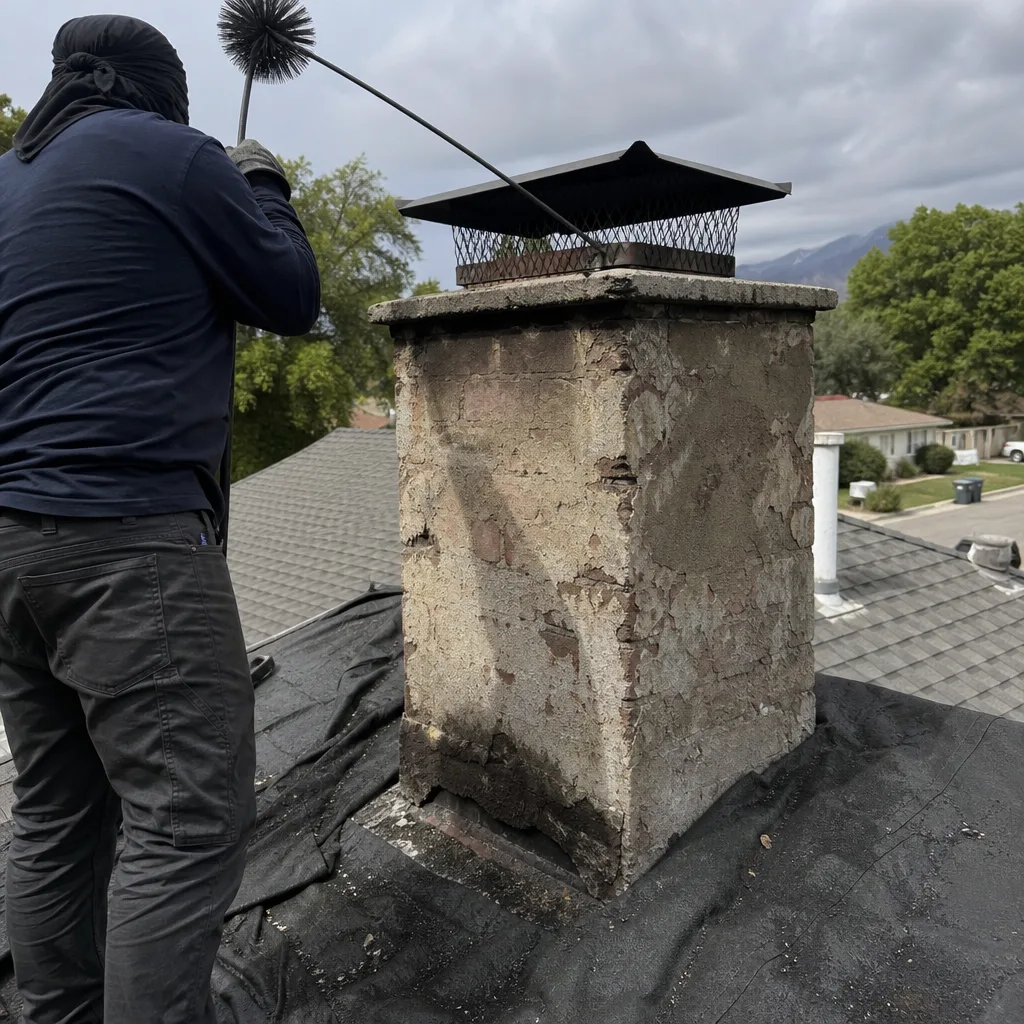 Before
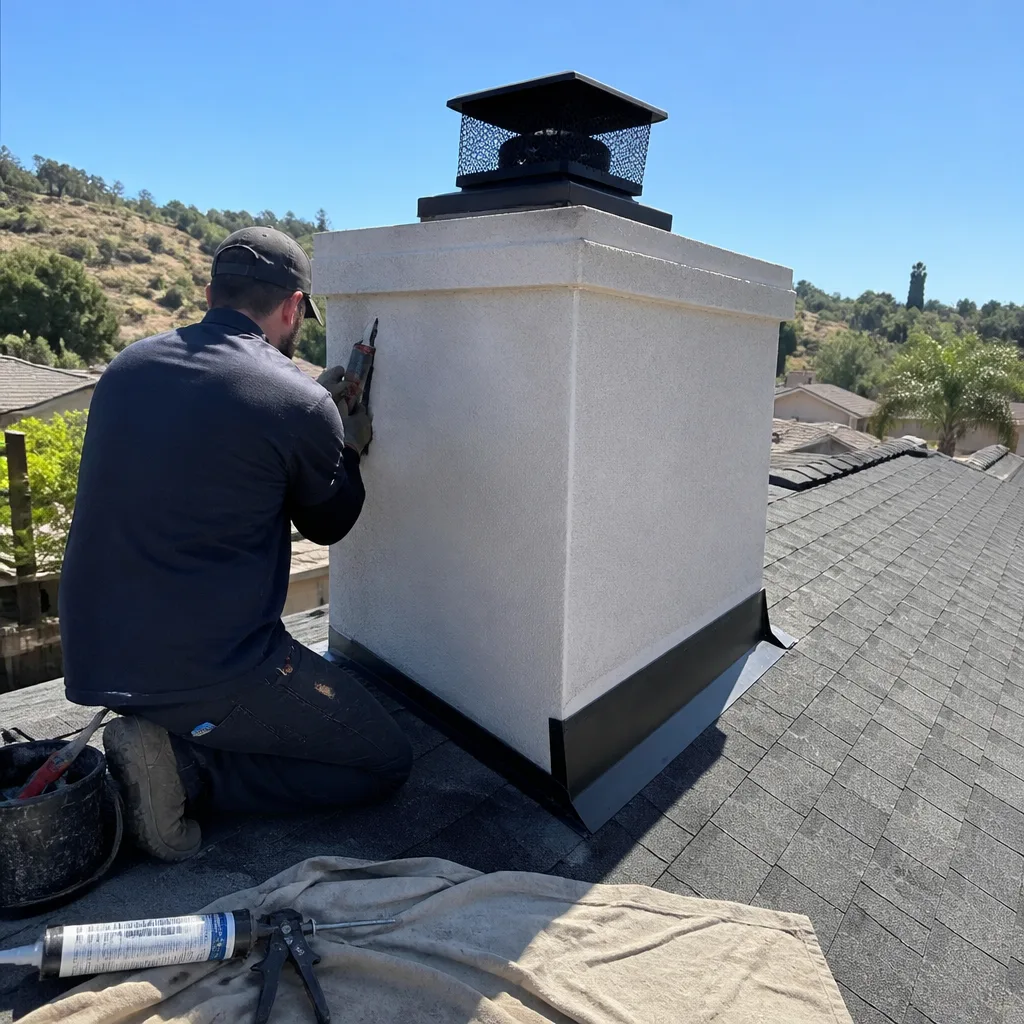 After
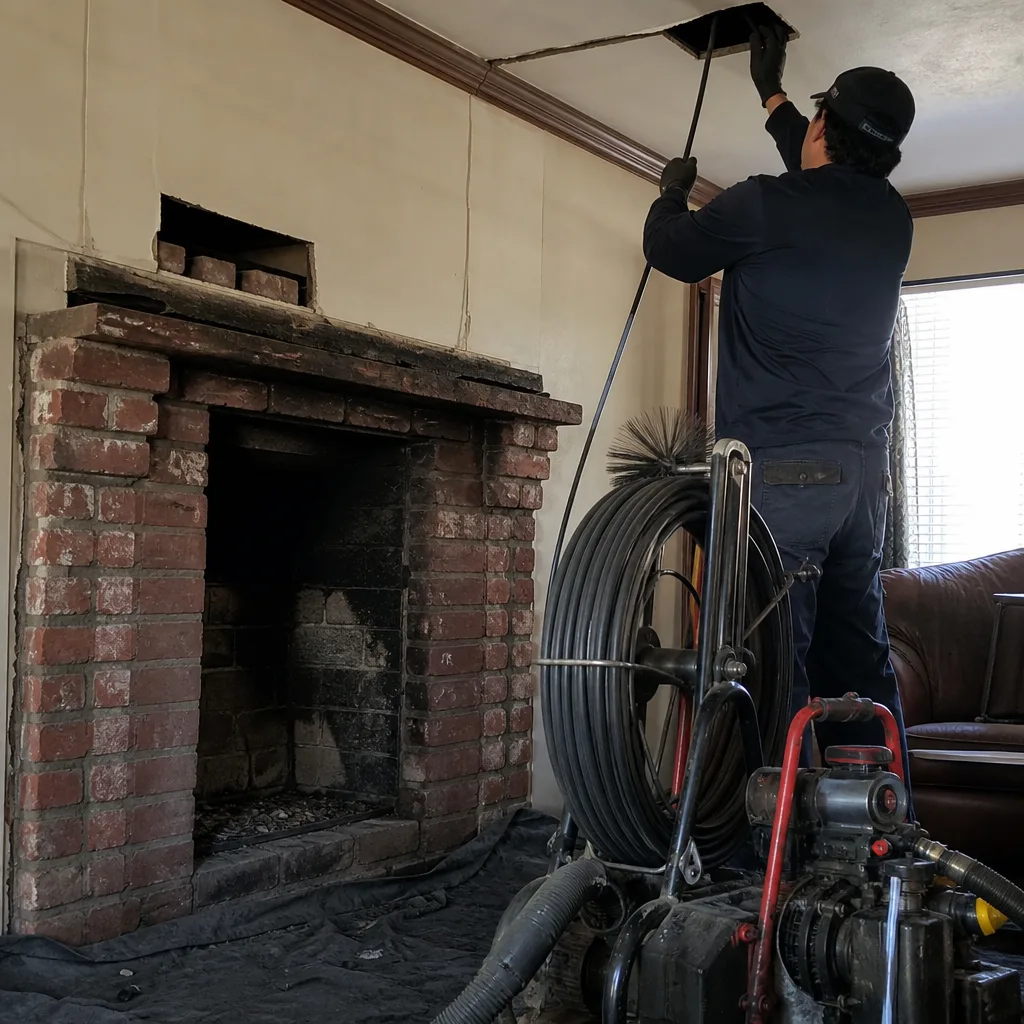 Before
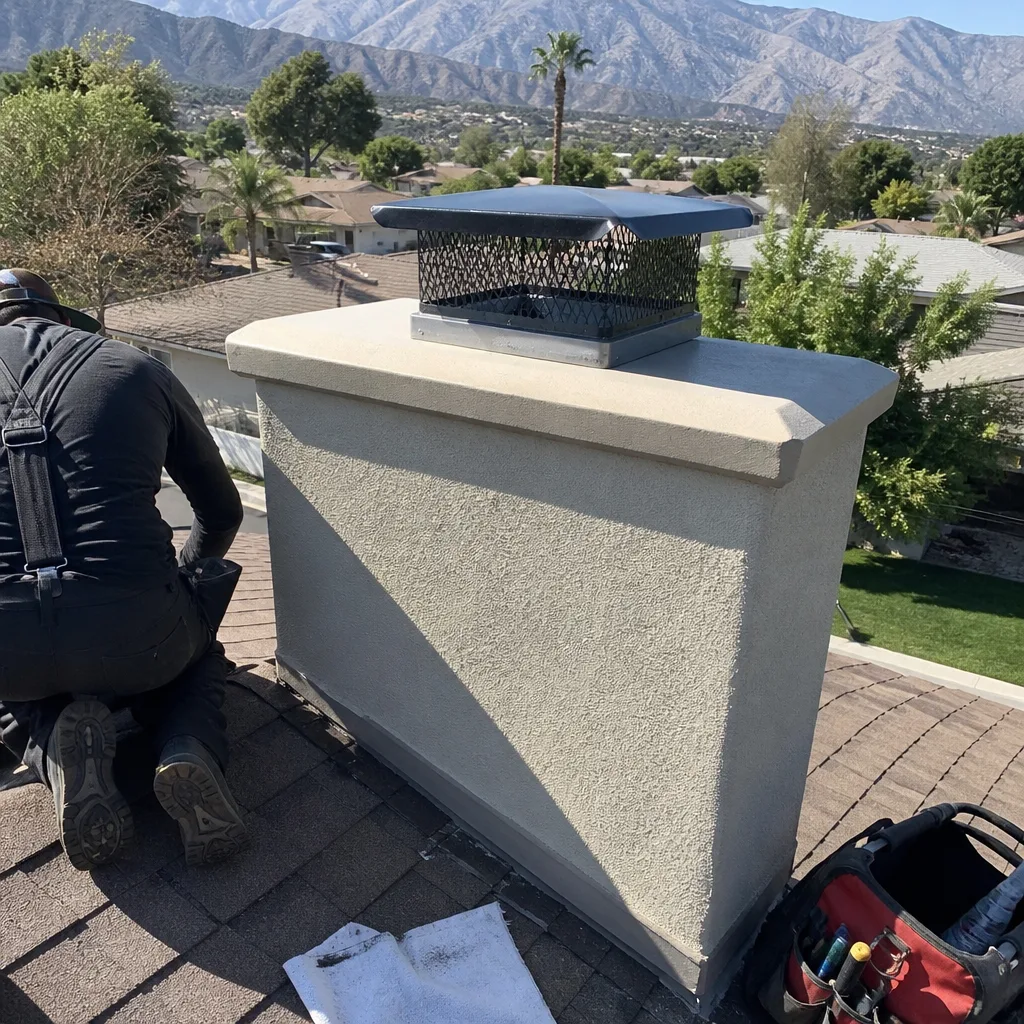 After
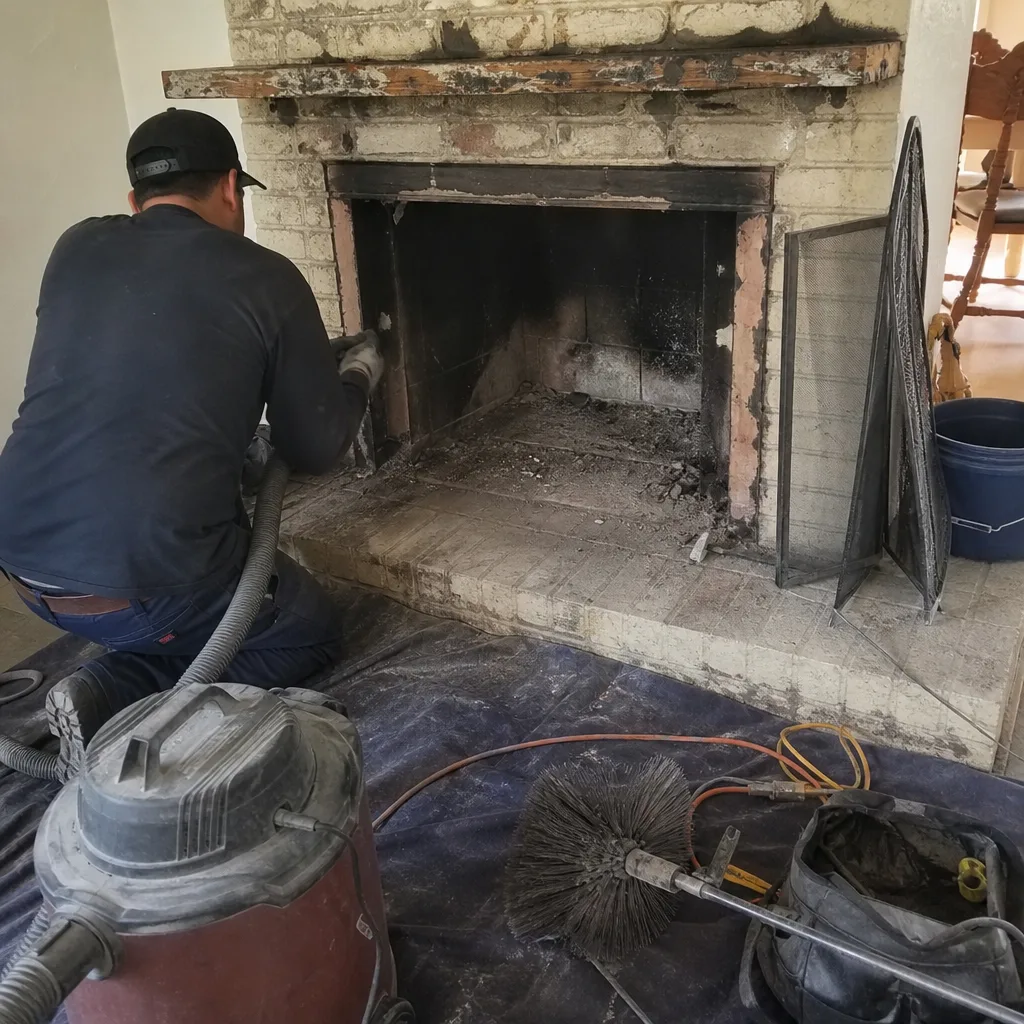 Before
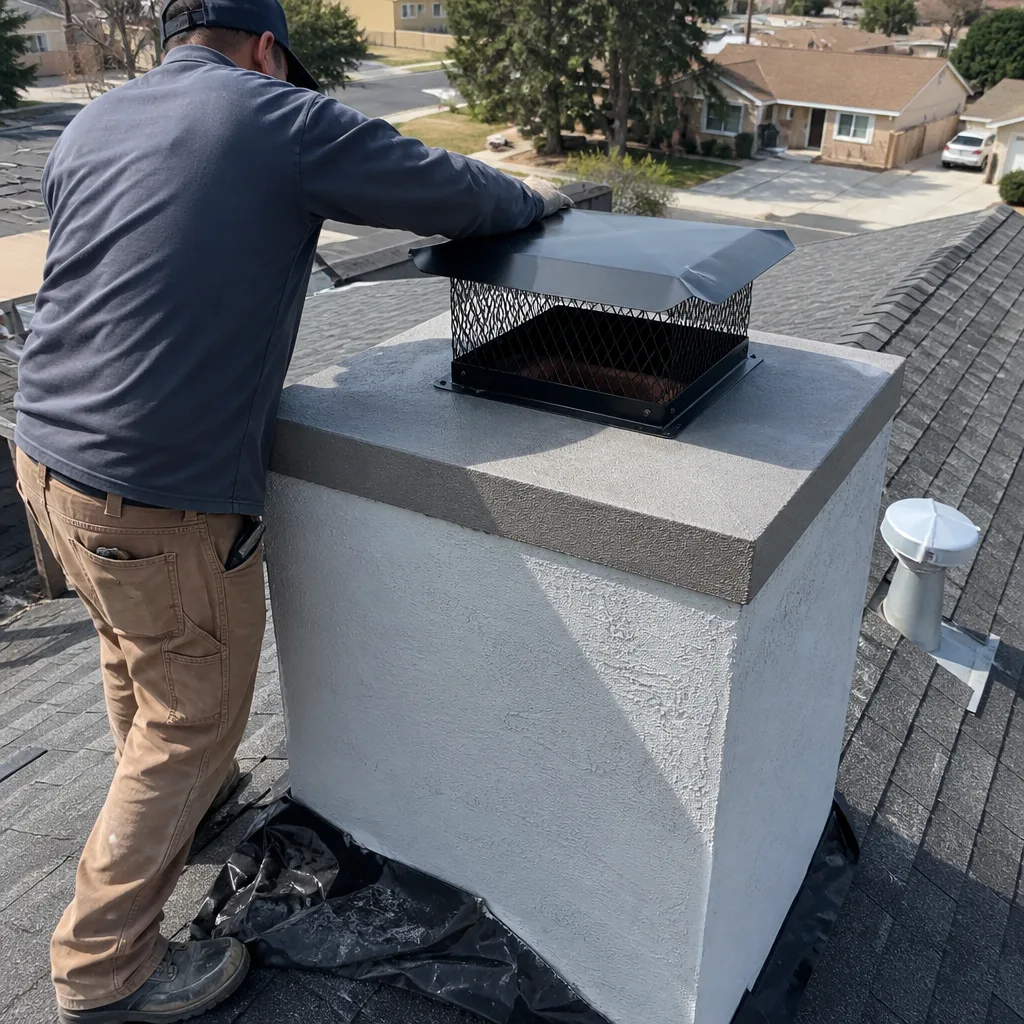 After
HeatShield Service Pricing in Escondido
HeatShield resurfacing in Escondido isn’t a flat number on a menu. The cost depends on flue length, the condition of the underlying clay tile, how much creosote stripping the flue requires, and whether the smoke chamber or firebox needs attention as well. A straight-forward resurfacing on a standard one-story ranch flue will land at the lower end of the range. A two-story flue with heavy glazed creosote, a failed smoke-chamber transition, and a nested cap will run higher. Either way, our quotes are free, and we’ll show you the camera footage so you understand exactly what you’re paying for before you agree to anything. Call (877) 516-7159 to schedule a Level 2 inspection and get a real number for your chimney.
Serving Escondido, CA — Our Local Coverage Area
We’re based in the Escondido area and know this community well. Use the map below to see our service coverage — if you’re nearby, we can almost certainly help.
FAQs – HeatShield Chimney Cleaning in Escondido
Yes, and the reason is specific to how Escondido homes actually use their fireplaces. A chimney that sits idle most of the year still takes heat cycles, still accumulates nesting material, and still has its clay tile working through dry-heat expansion. HeatShield resurfacing at around $3,000 to $6,000 costs far less than a full liner replacement or a tear-out, and it’s often the right call when the tile is cracked but still structurally sound. If the flue has collapsed or the chimney is out of square, we’ll tell you a rebuild is the honest answer. Call (877) 516-7159 for an inspection-based quote.
Because HeatShield only works when the surface it bonds to is clean, sound clay or masonry. In Escondido’s idle-season chimneys, that surface is often hiding glazed creosote, delaminated old coating, or cracked tile that a visual sweep would miss. The camera shows us the full length of the flue, the smoke-chamber transition, and the condition of the original tile behind any existing lining. Without that, a quote is just a guess.
It can. Debris packed against the top of the liner holds moisture against the ceramic surface and the underlying tile, and that’s how hairline cracks form and spread. It also blocks the draft, which keeps flue gasses and particulates hanging around longer than they should. We recommend a screened replacement cap on wildland-edge Escondido properties, and we’ll check the top of the liner whenever we’re on site.
Yes, and this is one of the better applications for HeatShield in Lake San Marcos and Escondido homes. Many 1950s and 1960s Escondido ranchers have brick flues with no clay-tile liner at all. HeatShield’s cast-in-place system is designed to create a smooth, insulated ceramic surface over unlined masonry, which restores a safe draft path without tearing out the chimney. The flue still needs to be stripped and prepped properly first – the coating bonds to the masonry, not to decades of soot and tar.
If you can see hairline cracks, chalking, or flaking from the firebox side, that’s a sign. But the more common answer in Escondido is: you won’t know without a camera. Failed liner sections often live at the top of the flue, behind the damper, or at the smoke-chamber transition – none of which you can see from the firebox. If it’s been more than a year since anyone looked at that liner with a camera, call (877) 516-7159 and we’ll schedule a scope.
Service Areas Near Escondido
We work throughout Escondido proper and the surrounding North County communities. If you’re in a neighboring area, we can also point you to our HeatShield service in Encino or our HeatShield service in Northridge pages for localized information, or visit our broader Escondido service area page. We serve homes in 92025, 92026, 92027, 92029, and 92030 as well as the hillside properties on the wildland edge.
Book Your HeatShield Service in Escondido Today
Winter winds arrive on schedule every year. We’ll come out, scope the flue, strip the glaze, and tell you straight what your chimney needs. Call (877) 516-7159 and we’ll get you on the calendar.
Written by Allen Prescott, Owner at San Bernardino Chimney Sweep, serving Escondido and the Inland Empire.