

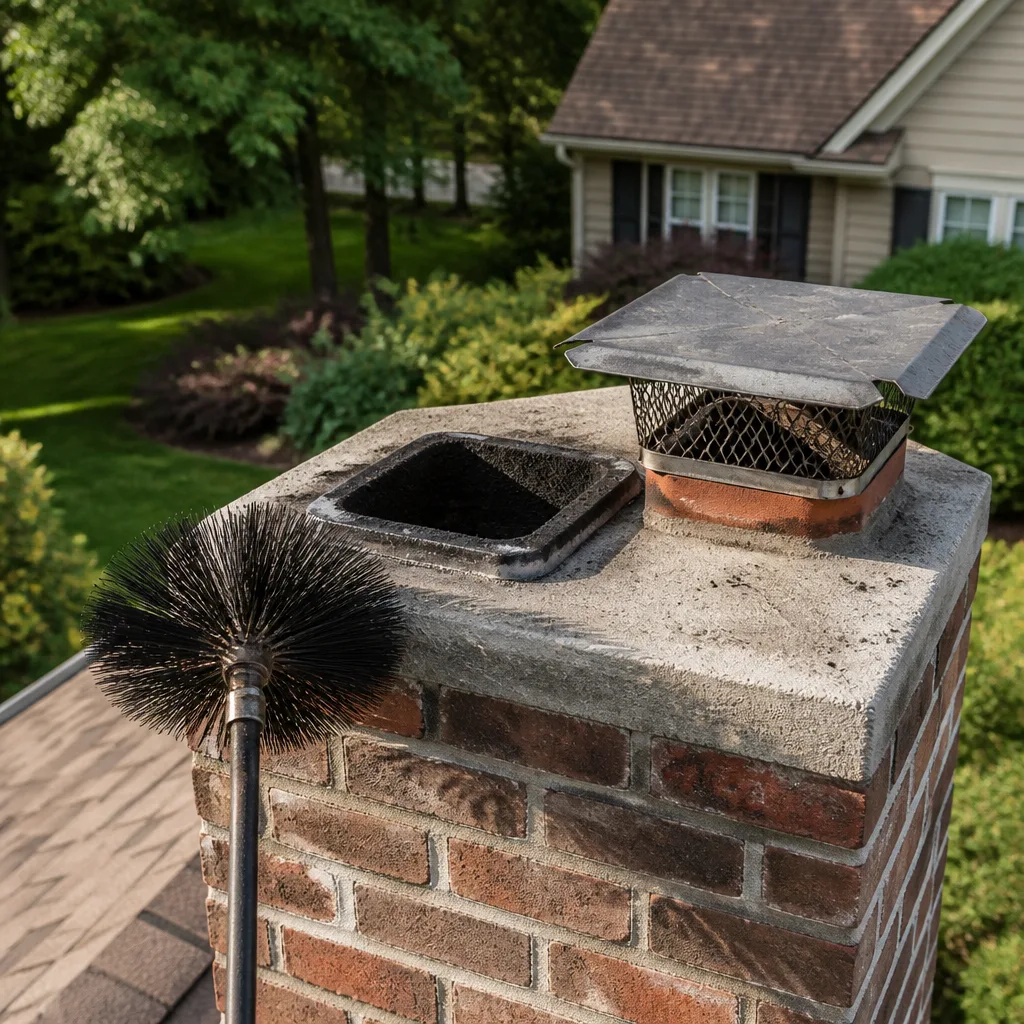
 Sweep & inspection
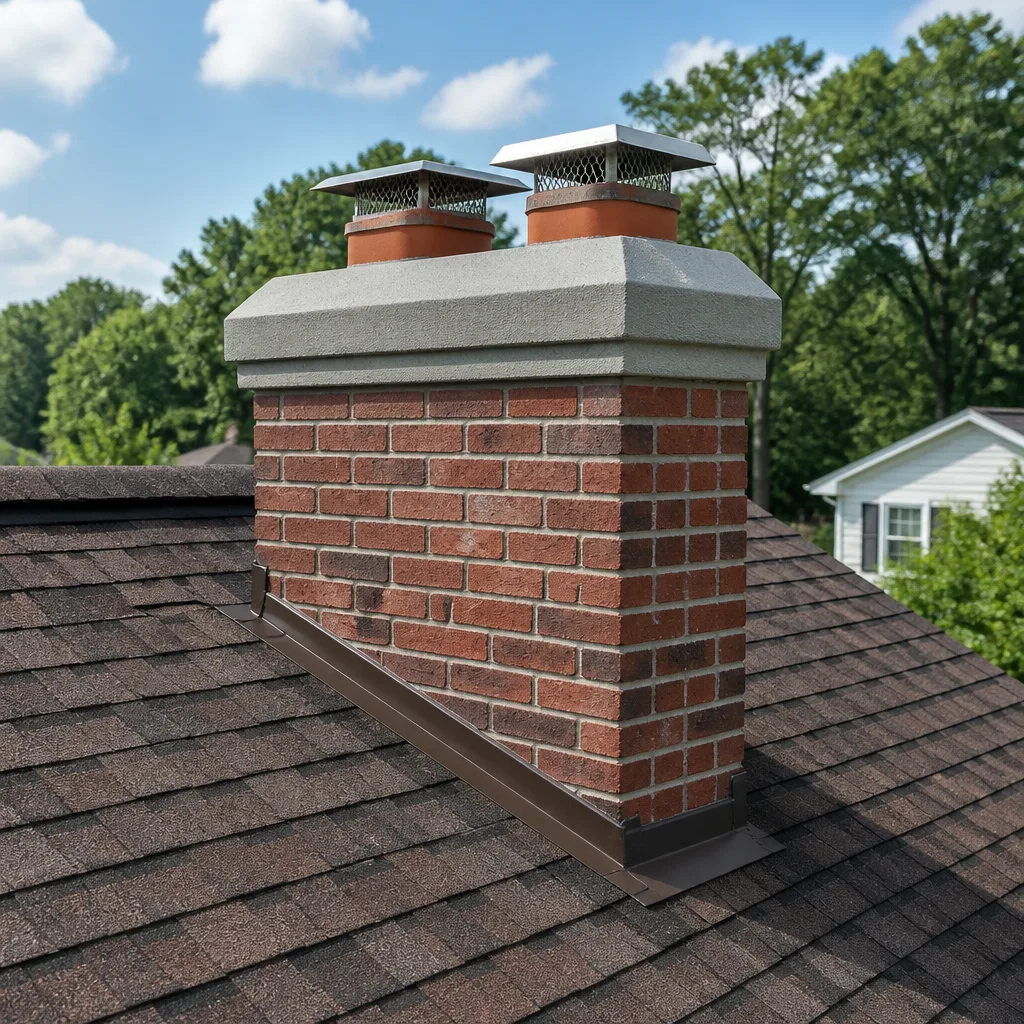 Caps & crowns
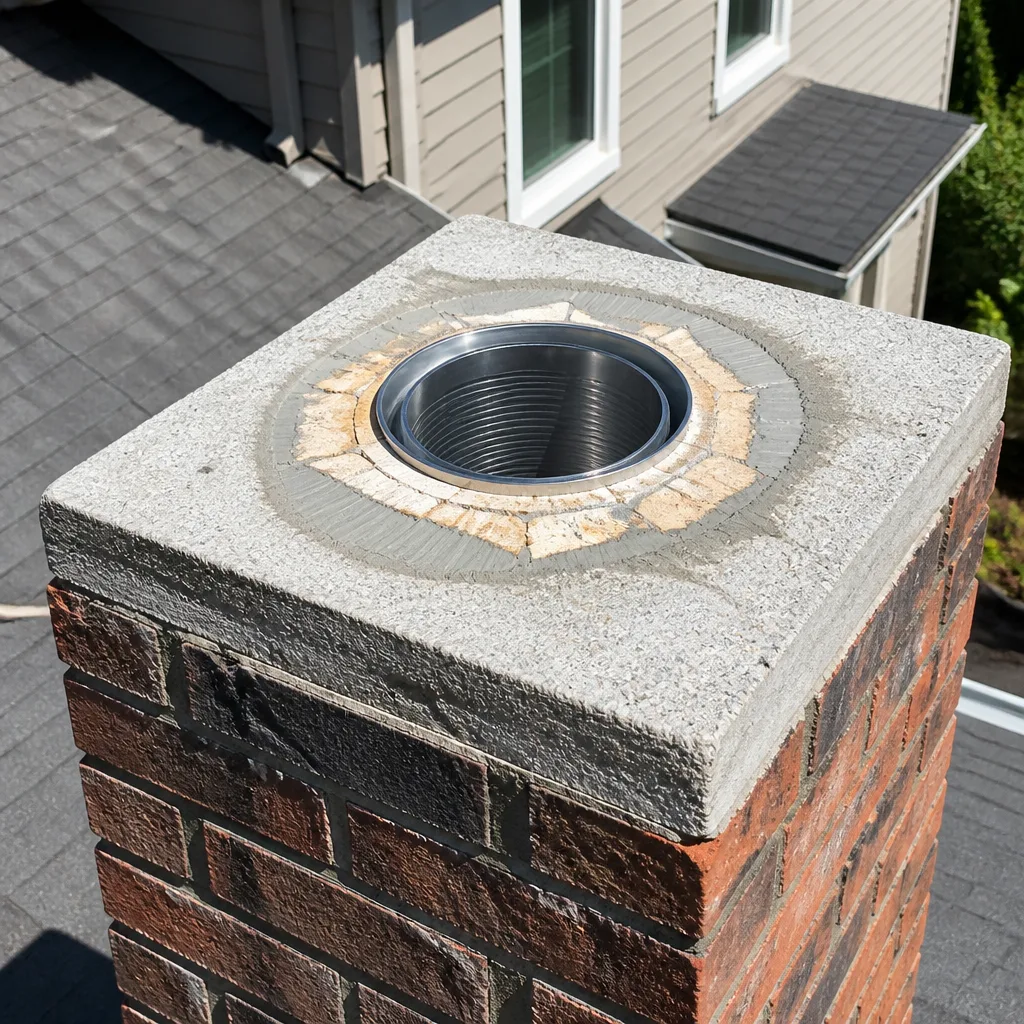 Flue relining
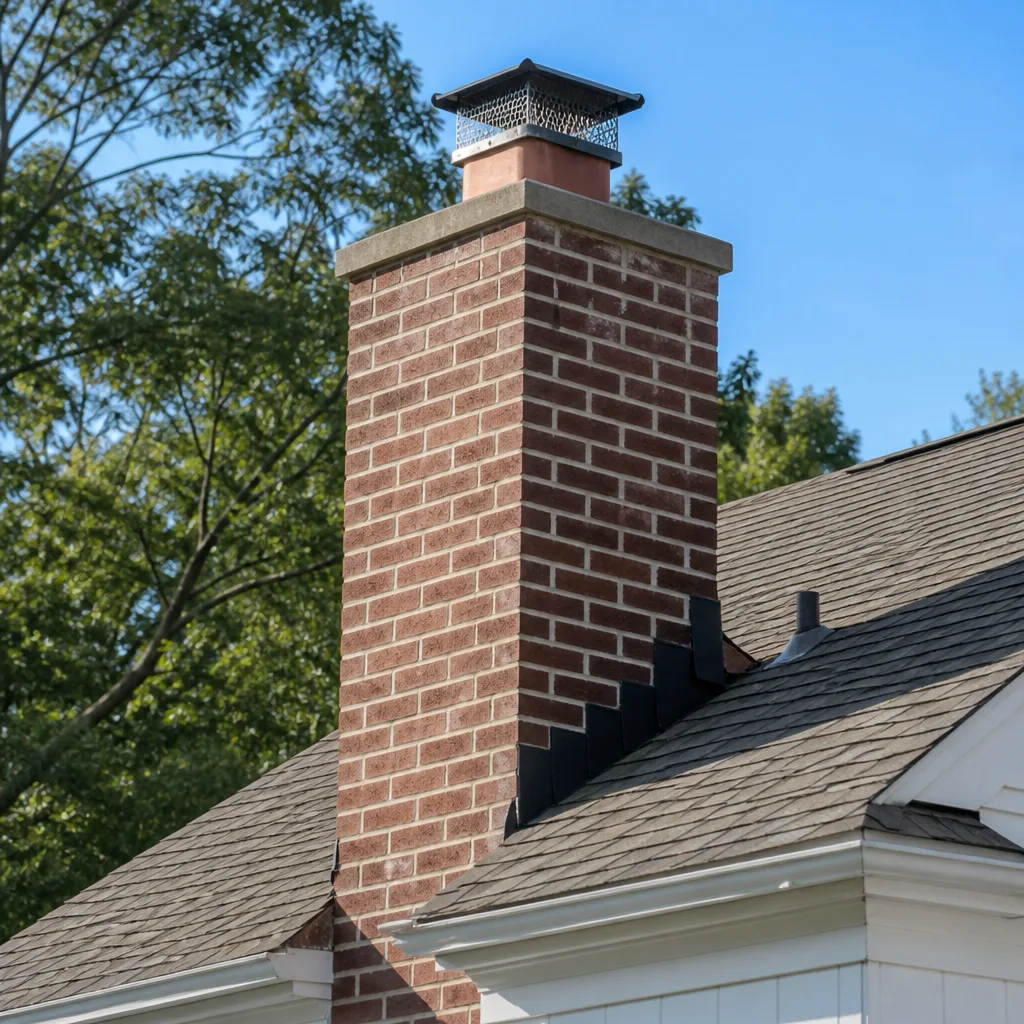 Masonry repair
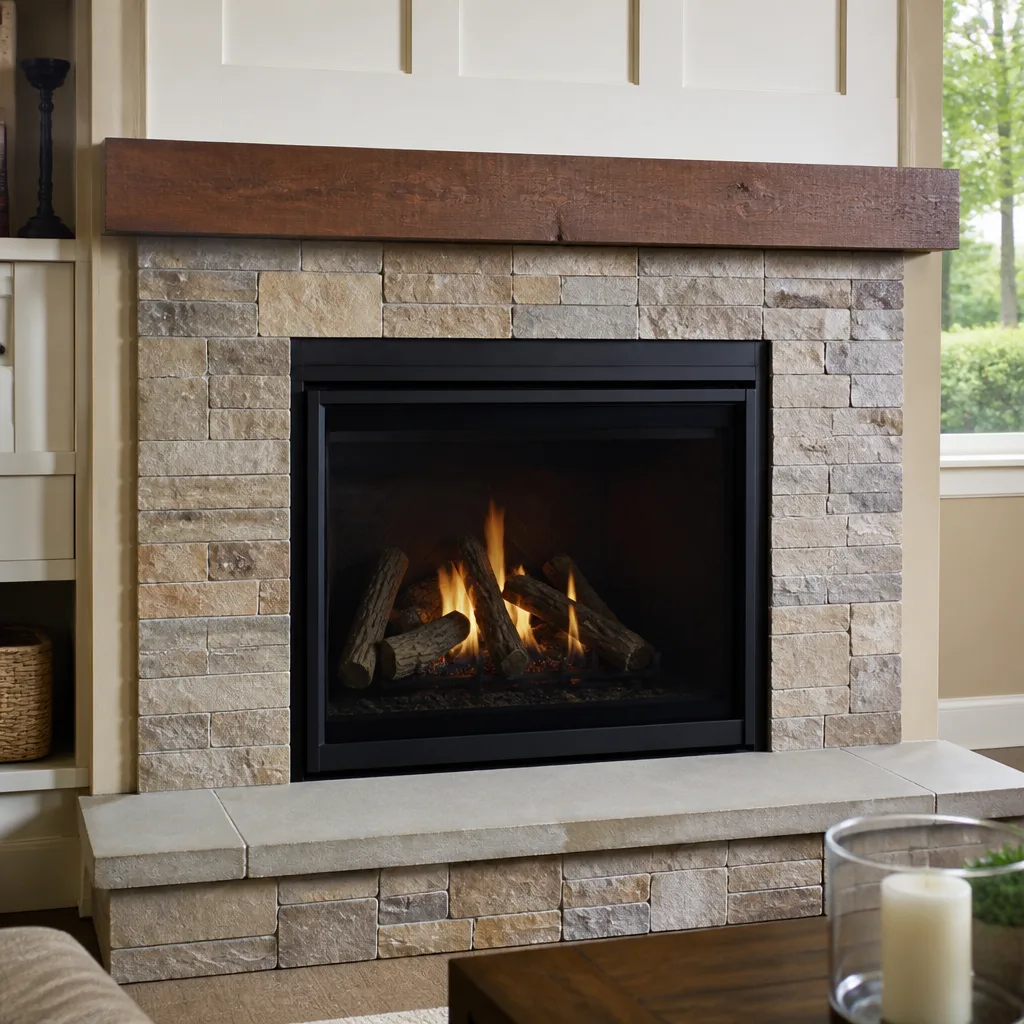 Gas fireplace service
Level 1 sweep and inspection to the NFPA 211 annual standard - flue, crown, cap, and flashing checked and photographed
Chimney sweep logs do not sweep chimneys. They loosen some creosote - which then falls where a brush and vacuum still have to collect it.
HeatShield Chimney Cleaning in Canyon Lake, CA | San Bernardino Chimney Sweep
We provide independent HeatShield chimney cleaning and resurfacing service throughout Canyon Lake, CA 92532. What makes our HeatShield work here different is the gate: every job starts with scheduling contractor access through the staffed entry, and what we find inside a Canyon Lake flue after months of vacancy is rarely just creosote. Call (877) 516-7159 and we’ll walk you through what a HeatShield evaluation actually involves before you spend a dollar.
Why Canyon Lake Residents Choose Us for HeatShield Service
HeatShield is a ceramic refractory resurfacing system, and it only performs when the flue underneath it is actually sound. That’s the conversation we have with every Canyon Lake, CA homeowner, because in this community the biggest variable isn’t the product, it’s what happened to the chimney while nobody was watching. Allen Prescott grew up near the Kendall Drive corridor in San Bernardino and has spent the better part of three decades working on Inland Empire chimneys, and he’ll tell you the same thing he tells every customer: a HeatShield coating is only as good as the prep and the inspection behind it.
We’re an independent service provider, not a manufacturer affiliate. That matters because our recommendation doesn’t come with a sales quota attached. If your flue is a good candidate for HeatShield, we’ll say so. If it needs tile rebuild or a liner replacement, we’ll say that instead, and we’ll show you the camera footage to prove it. Canyon Lake homeowners call us because we measure, inspect, and then recommend, not the other way around. You can learn more about our broader HeatShield sales & service work across the Inland Empire.
Styles & brands we work with
Common HeatShield Chimney Cleaning Problems We Solve in Canyon Lake
These are the situations we walk into most often in Canyon Lake, and each one changes what a cleaning and resurfacing job actually requires:
- HeatShield applied over an uncleaned flue. Soot and glazed creosote prevent the ceramic coating from bonding to the clay tile. A season or two later, the coating lifts in sheets. In Canyon Lake vacation homes that sat empty for months, the glaze is often older and harder than in a year-round home, so a thorough mechanical sweep has to happen before any resurfacing is even worth discussing.
- Dormant fireplaces packed with debris. Canyon winds off the lake drive acorns, leaves, and soot down uncapped flues, and birds build nests in the void while owners are away. A homeowner returns for the season, lights the first fire, and smoke pours back into the room. The “cleaning” here is often a blockage removal plus a Level 2 camera inspection, not a routine sweep.
- Cracked or spalled clay tiles from moisture cycling. Older prefab and masonry fireplaces in Canyon Lake’s 1970s – 1990s housing stock develop cracked tiles from the wet-dry and freeze-thaw pattern of canyon winters. HeatShield is sometimes sold as a shortcut for this, but if the tile has actually shifted or separated, no coating will hold. We pull the camera and show you which situation you have.
- FireGuard-coated fireboxes with open mortar joints. If the firebox still has loose brick and open joints, a HeatShield FireGuard coat looks fine for a while, then fails as the structure moves. In these stucco-and-tile-roof Canyon Lake homes, we repair the firebox joint work first, then apply the coating to a stable surface.
- Water intrusion that was never addressed. Crown and flashing leaks that predate the HeatShield application will destroy the new layer from behind. Canyon Lake’s winter rain and hard-freeze nights make this worse. We fix the water path before we resurface, not after.
HeatShield Service in Canyon Lake: What Local Conditions Mean for Your Equipment
Canyon Lake is a gated, staffed-entry community of roughly 11,000 residents built around a 400-acre private lake, and almost every home sits on a hillside lot in a planned subdivision from the 1970s through 1990s. A significant share of these were built as second homes or vacation retreats, which means they sit unheated and unused for months at a stretch. That vacancy pattern is the defining local condition for HeatShield repair in Lakeland Village and throughout the area. A flue that sits cold and empty through a dry, windy summer accumulates debris differently than one in a year-round home. Acorns, oak scrub, and bird nesting material pack against the tile, and when the owners return and light that first fire, the blockage and the creosote interact in ways a routine sweep doesn’t address. This is why every HeatShield quote in Canyon Lake starts with a Level 2 camera inspection, not a price. We need to see the flue before we coat the flue. That’s not a sales tactic; it’s the only honest way to quote resurfacing here. As Allen puts it, a clean flue isn’t a luxury – it’s just how you keep the fire where it belongs.
HeatShield Models & Products We Service in Canyon Lake
We work with the full HeatShield product family: Cerfractory Flue Sealant for resurfacing clay tile flue liners, Meadowbrook HeatShield service including FireGuard for firebox and smoke chamber resurfacing, Flue Defender for chimney leak sealing, and HeatShield refractory mortar for firebox joint repair. We use genuine HeatShield materials, not generic refractory cement, because the ceramic chemistry is what makes the product hold up to Canyon Lake’s wet-dry and freeze-thaw cycles. For Canyon Lake turnaround, we keep the core materials stocked locally so a resurfacing job doesn’t wait on a shipment from the manufacturer. If your flue has shifted, cracked through, or lost tile integrity, we’ll tell you to rebuild rather than coat over it. HeatShield is right for surface defects on a sound flue; it’s not a structural repair.
See the difference
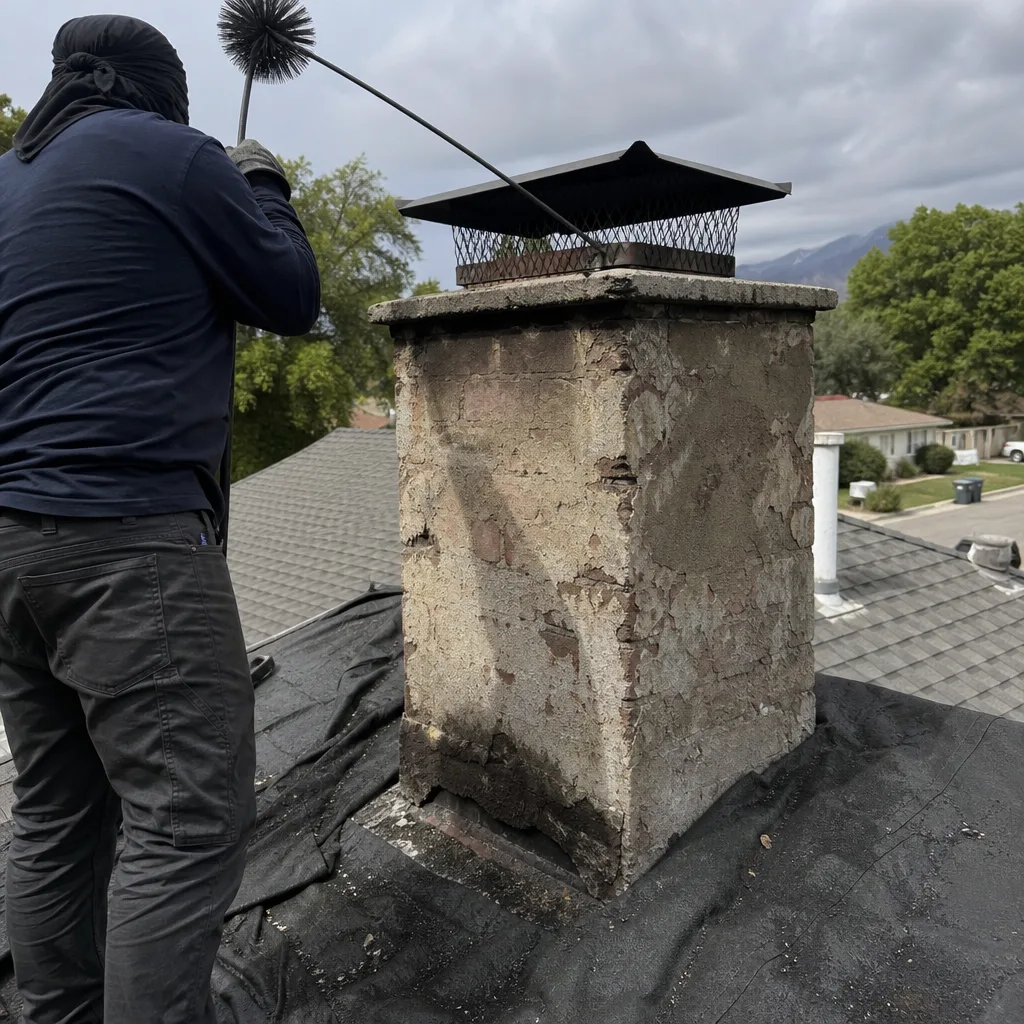 Before
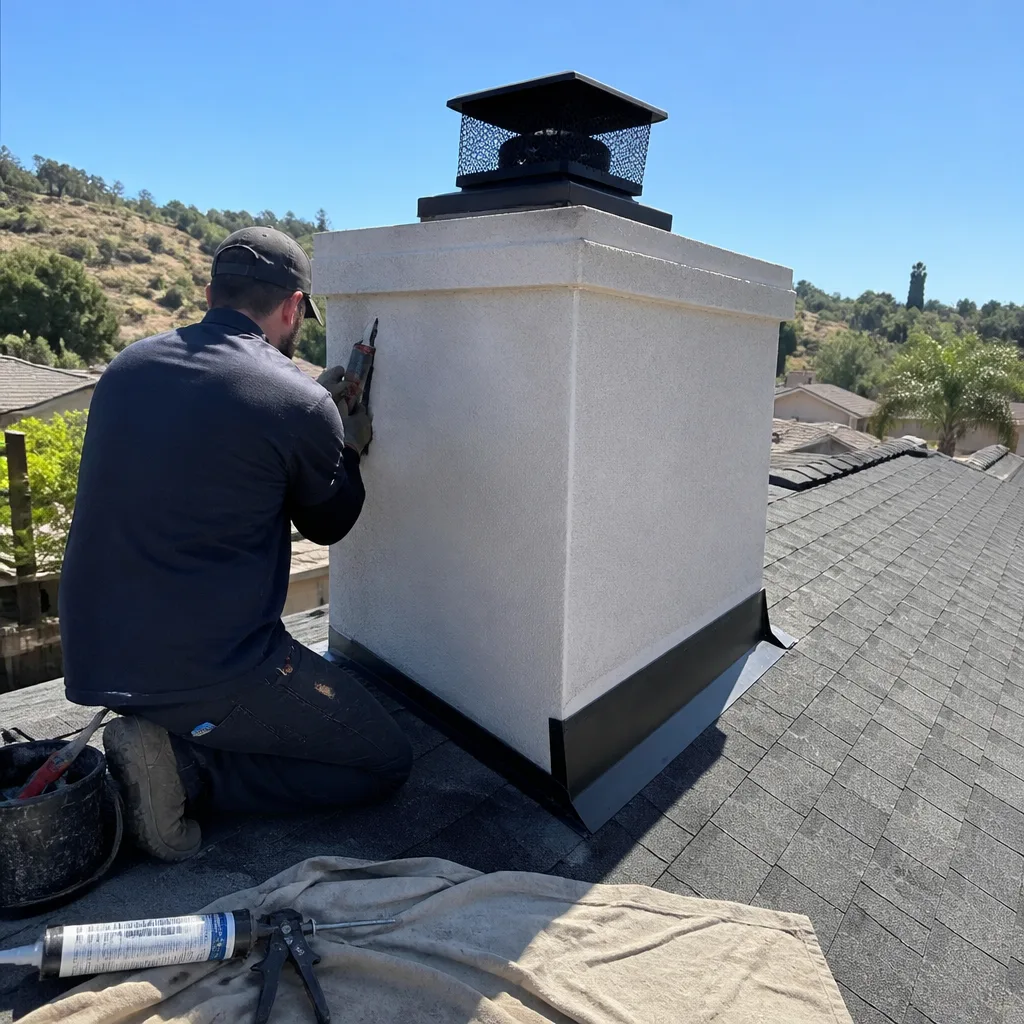 After
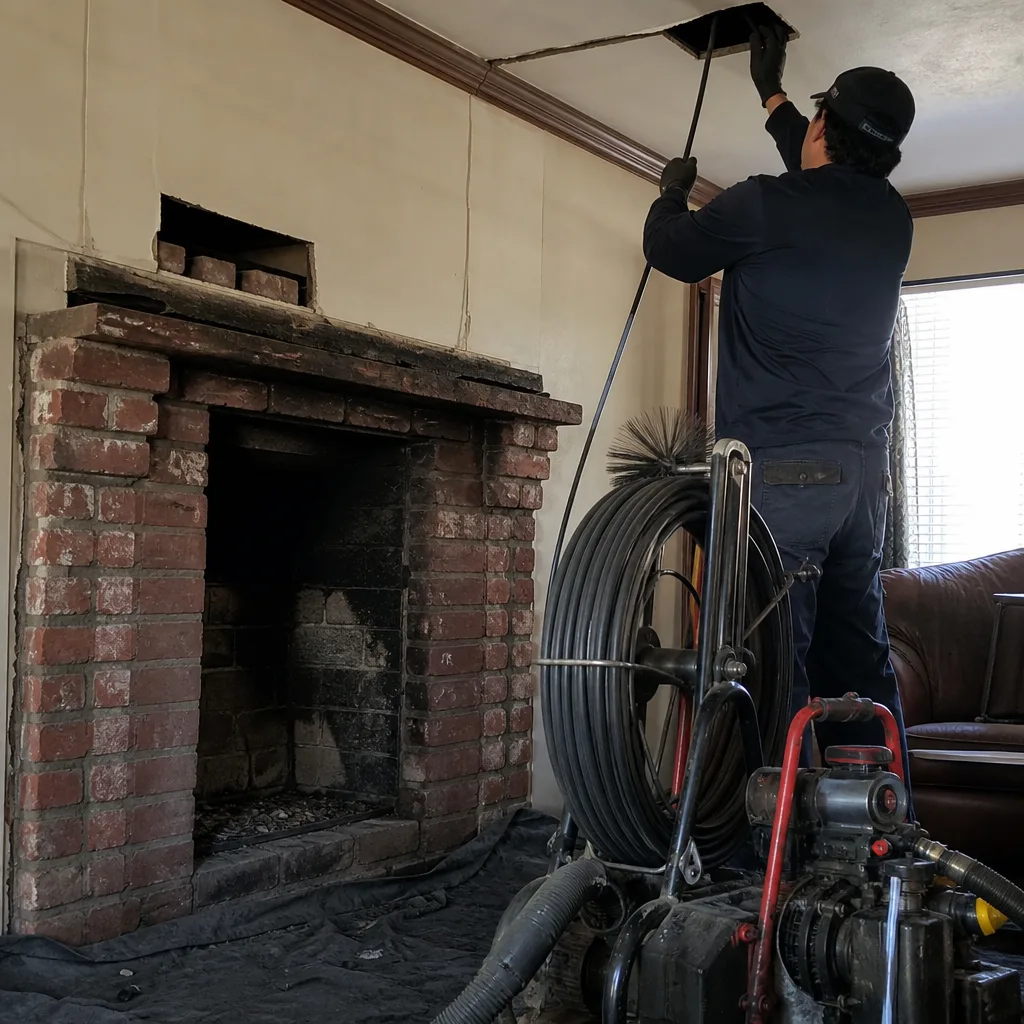 Before
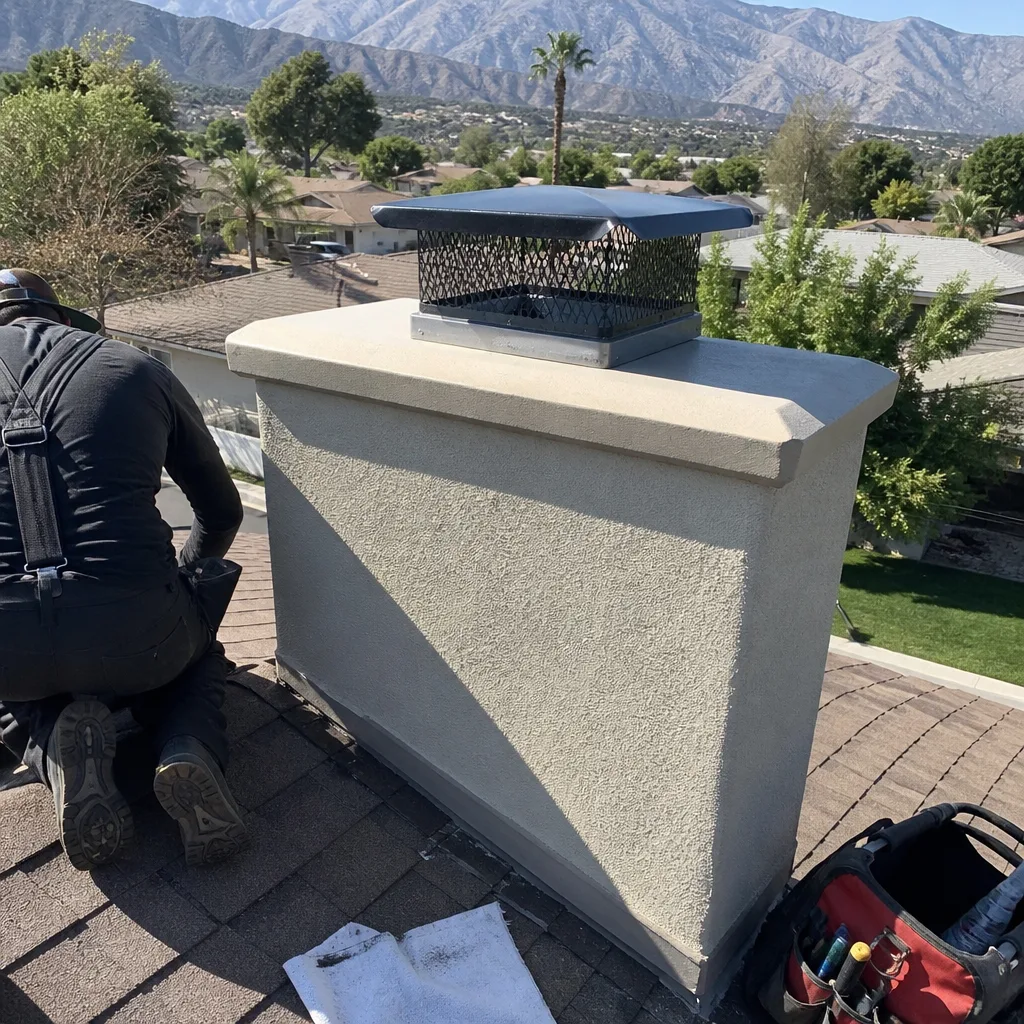 After
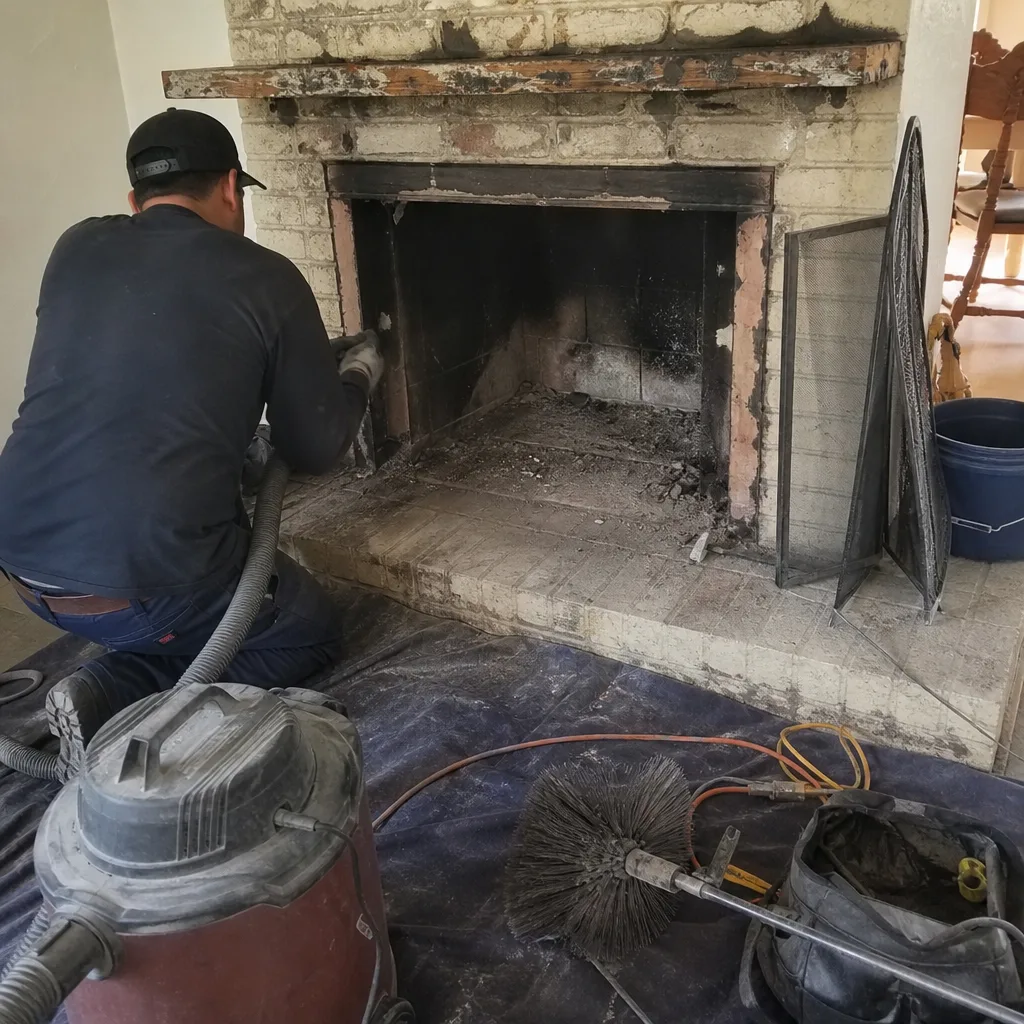 Before
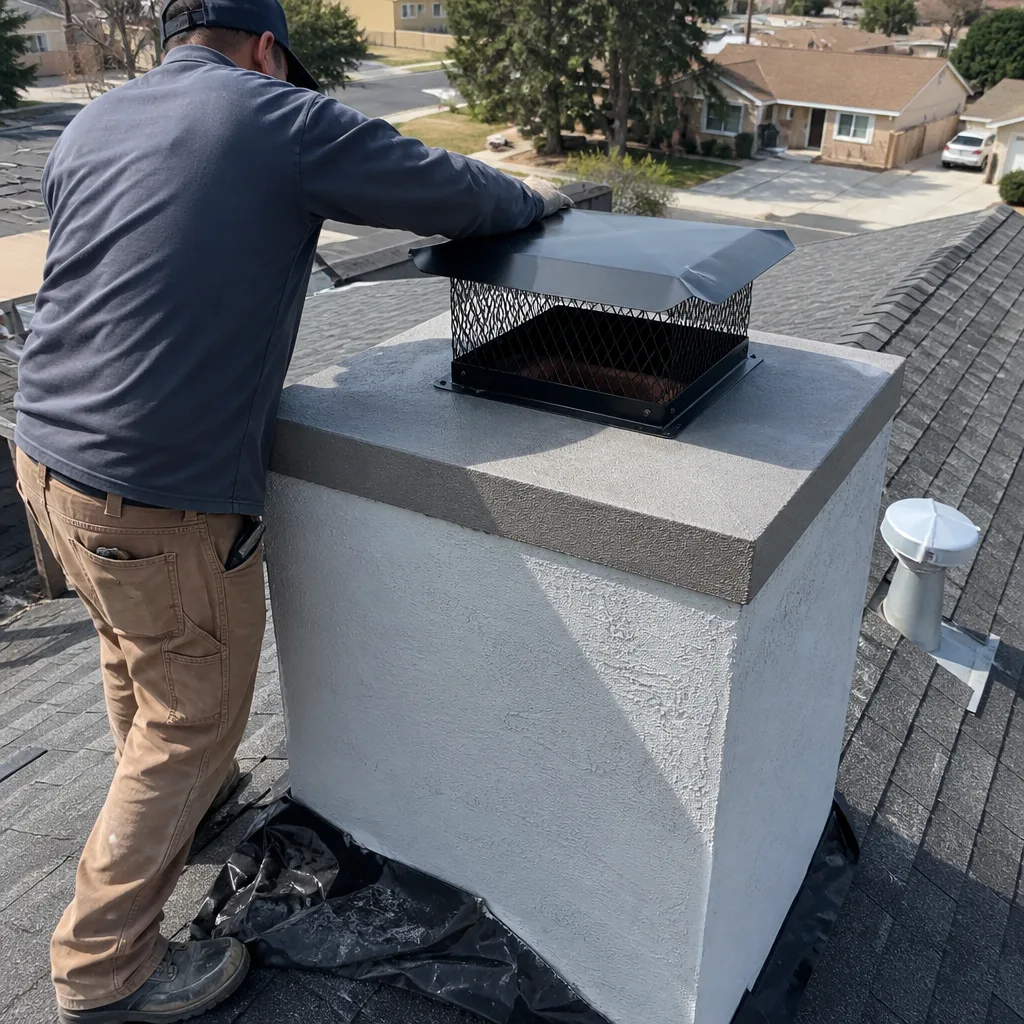 After
HeatShield Service Pricing in Canyon Lake
HeatShield resurfacing in Canyon Lake typically runs between $1,500 and $3,000 depending on flue length, access, and the condition of the underlying tile. A Level 2 camera inspection, which we require before any resurfacing quote, runs $200 to $500. Firebox and smoke chamber FireGuard work usually falls in the $1,200 to $2,800 range. What drives the cost here is access: hillside lots with steep pull-offs and gated entry coordination add setup time, and homes that have sat vacant often need a more aggressive cleaning before any coating can bond. A free estimate includes the gate-access coordination and a walkthrough of what we see on camera, so you know exactly what you’re paying for. Call (877) 516-7159 for an exact quote.
Serving Canyon Lake, CA — Our Local Coverage Area
We’re based in the Canyon Lake area and know this community well. Use the map below to see our service coverage — if you’re nearby, we can almost certainly help.
FAQs – HeatShield Chimney Cleaning in Canyon Lake
It depends entirely on what the camera shows. HeatShield is designed for a sound flue with surface defects, not for a flue that sat empty while debris and moisture did structural damage. In Canyon Lake’s empty-winter homes, we often find the flue needs a thorough sweep and a tile condition assessment before we can say whether resurfacing is the right call. Sometimes it is. Sometimes the tile has shifted and the honest answer is rebuild. Call (877) 516-7159 and we’ll inspect before we quote.
Yes. Canyon Lake is a gated, staffed-entry community, so every job starts with scheduling contractor access at the gate. We coordinate that on your behalf, and we plan roof access based on the hillside lot layout before we arrive. It’s not a barrier to service; it’s just part of working here, and we’ve done it enough to handle it without you chasing paperwork.
Canyon Lake sits in a high fire-severity zone in the Santa Ana Mountain foothills, and wind-driven ash plus oak and scrub debris pack into caps and spark arrestors during the dry months. That means a chimney cleaning here is as much a debris-and-blockage inspection as a creosote sweep. A clean, properly capped flue with intact resurfacing is a real fire-safety improvement, and we quote HeatShield service in Sedco Hills and Canyon Lake with that local risk in mind.
HeatShield Flue Defender is designed for leak sealing in specific flue conditions, but it’s not a substitute for repairing a failed crown or flashing. In Canyon Lake’s wet-winter, freeze-thaw climate, water intrusion usually traces back to the crown or flashing first. We fix the water path before we apply any resurfacing product, because a new HeatShield layer over an unfixed leak will spall and fail.
That depends on the prefab unit and the flue material, which we confirm during a Level 2 inspection. Many Canyon Lake homes from the 1970s through 1990s have prefab fireplaces, and some prefab flues are not candidates for ceramic resurfacing. We’ll tell you plainly what your unit can and can’t take, and we’ll show you the footage that backs it up.
Service Areas Near Canyon Lake
Beyond Canyon Lake, our HeatShield service covers the surrounding Inland Empire communities, including Lake Elsinore, Murrieta, Temecula, Menifee, and Wildomar. For clients on the high desert side, we also provide HeatShield service in Victorville and HeatShield service in Piñon Hills. If you’re unsure whether we cover your address, call and ask.
Book Your HeatShield Service in Canyon Lake Today
If your Canyon Lake fireplace sat through a dry summer and a windy fall, the first fire of the season is the wrong time to discover what’s inside the flue. Call (877) 516-7159 and we’ll schedule the inspection, coordinate the gate access, and give you a straight answer on whether HeatShield is right for your chimney. We find it and we fix it.
Written by Allen Prescott, Owner at San Bernardino Chimney Sweep, serving Canyon Lake and the Inland Empire for the better part of three decades.