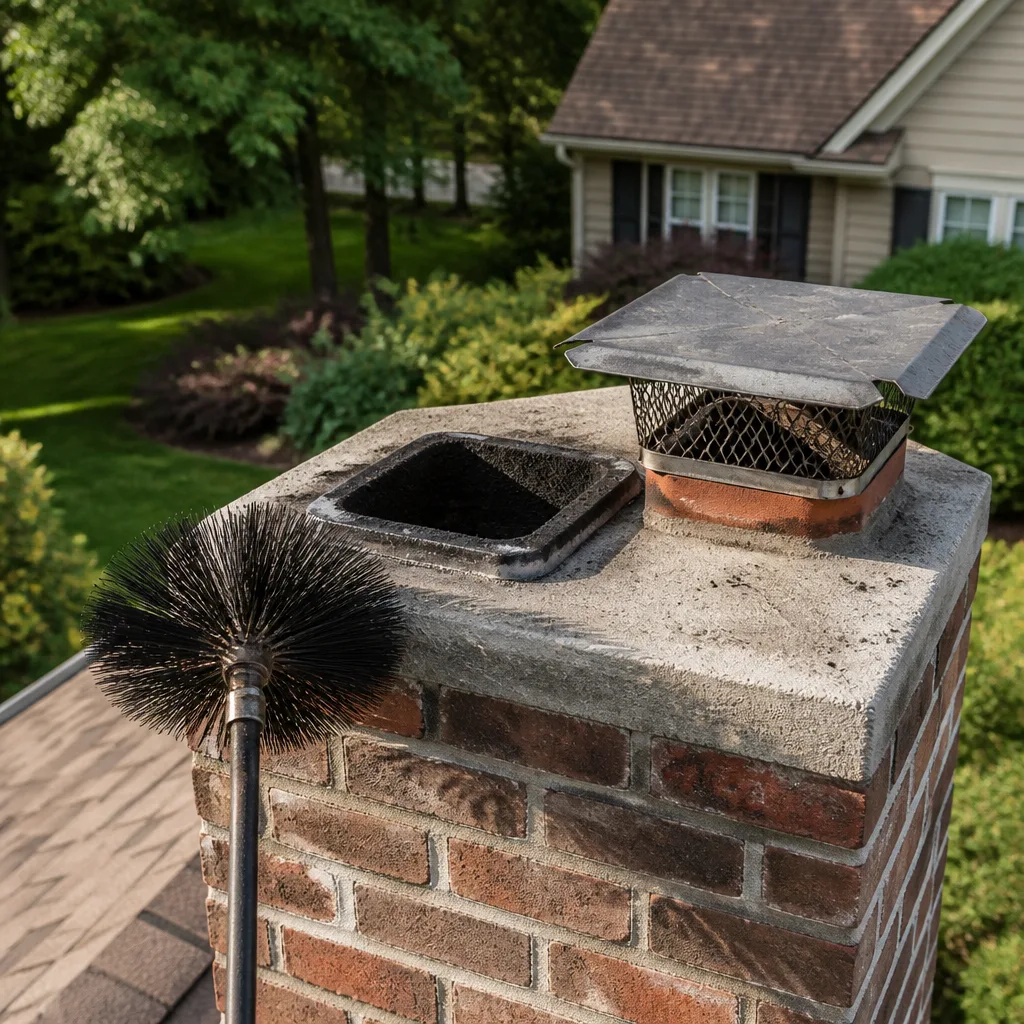
 Sweep & inspection
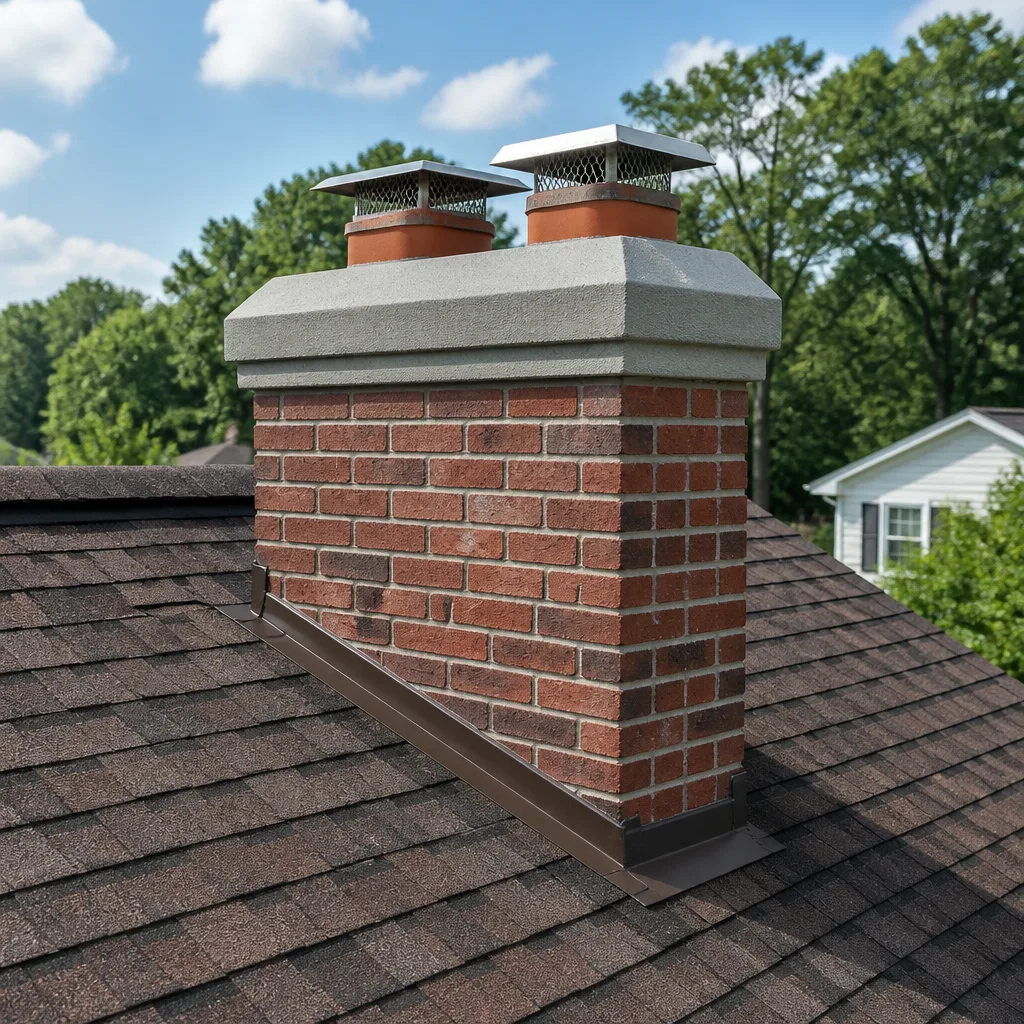 Caps & crowns
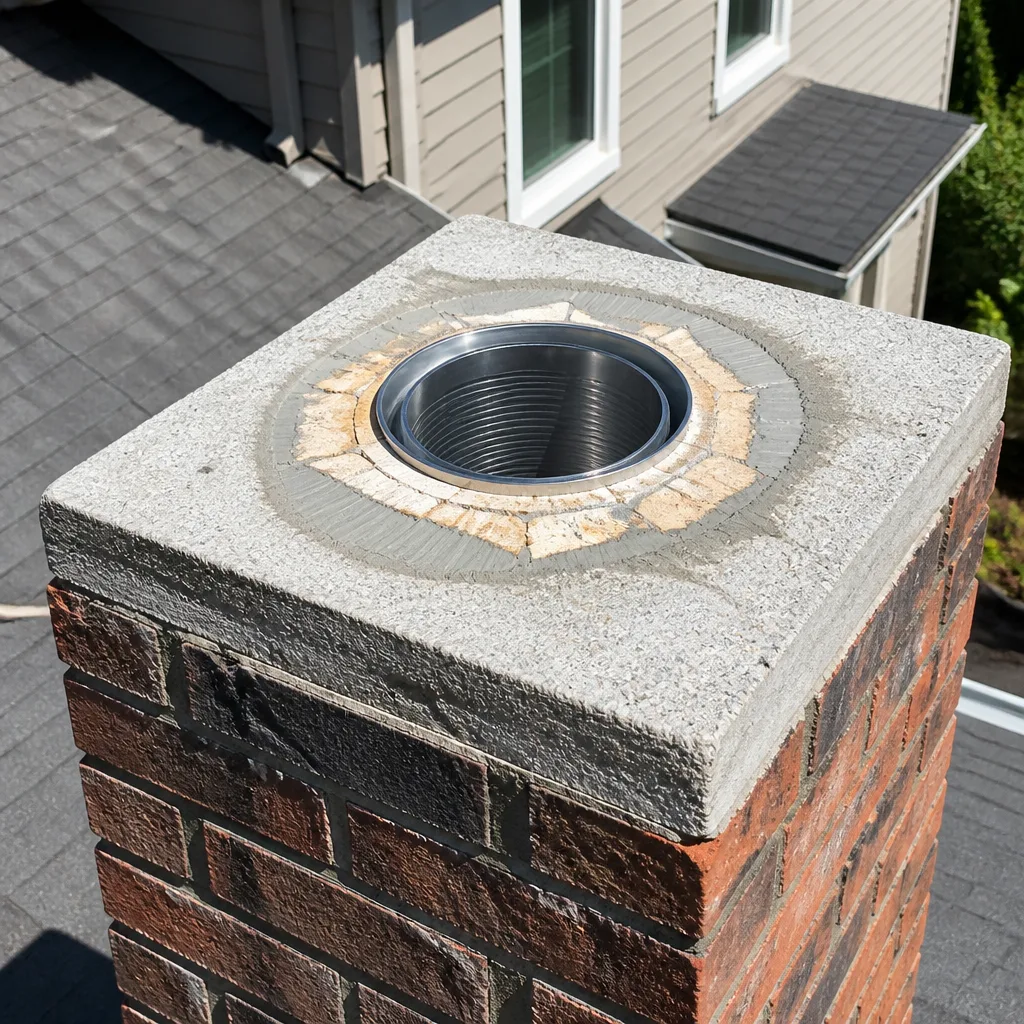 Flue relining
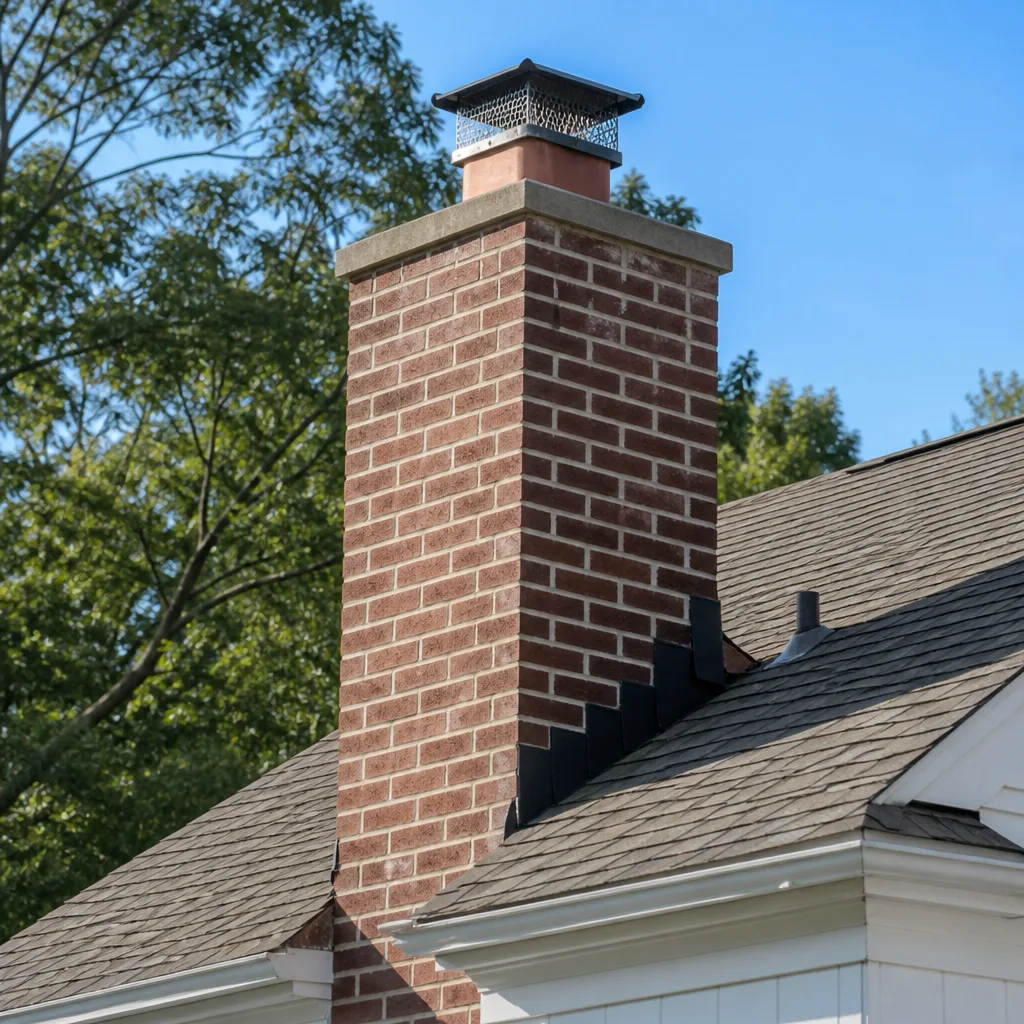 Masonry repair
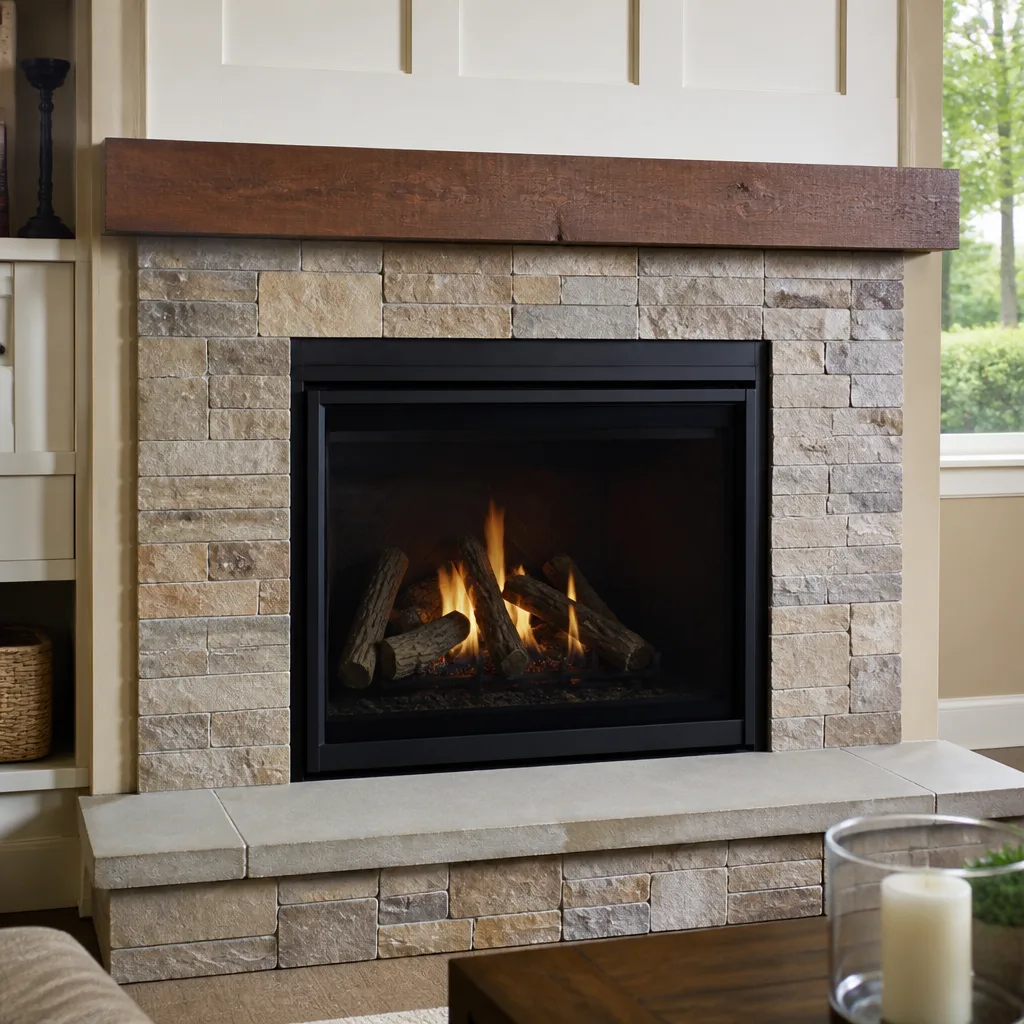 Gas fireplace service
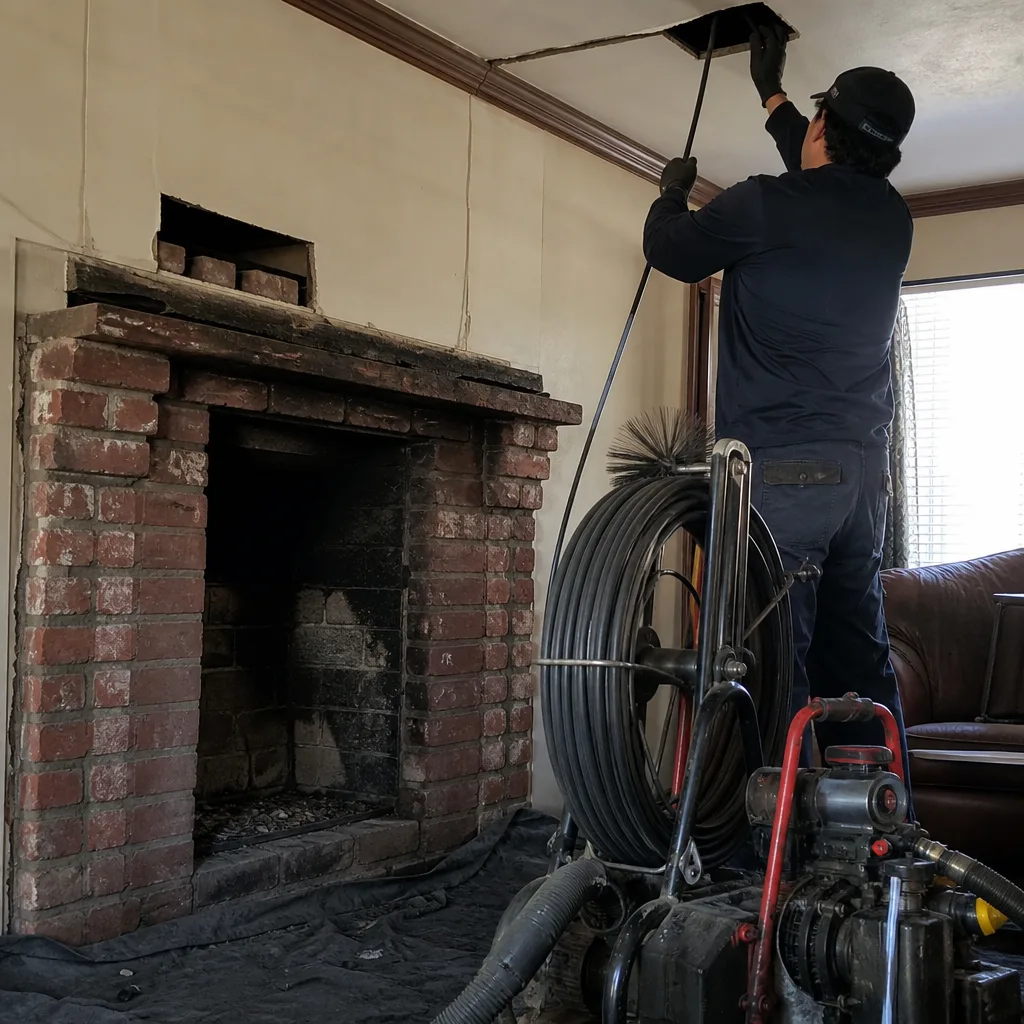
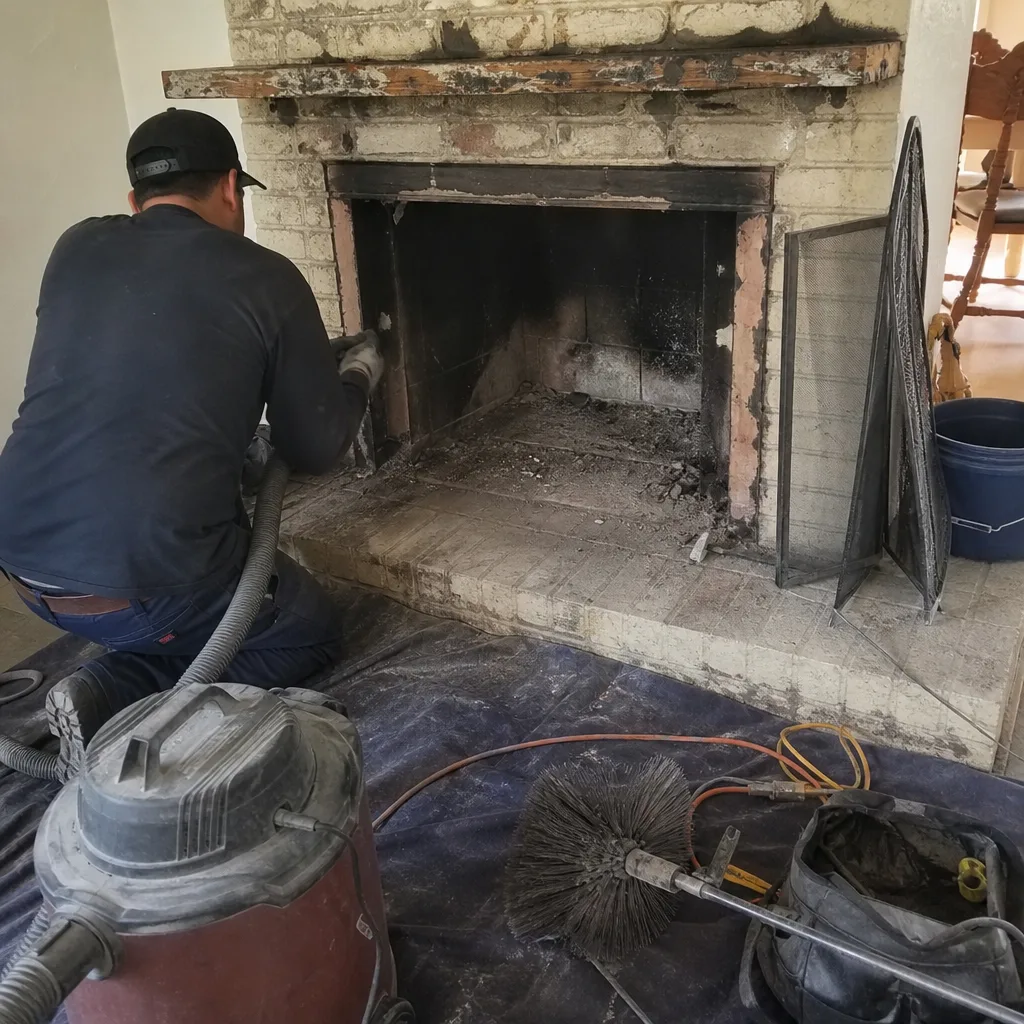
Level 1 sweep and inspection to the NFPA 211 annual standard - flue, crown, cap, and flashing checked and photographed
Chimney sweep logs do not sweep chimneys. They loosen some creosote - which then falls where a brush and vacuum still have to collect it.
Fast, Reliable Chimney Sweep Across Julian
A chimney sweep in Julian typically runs $189 – $275 for a standard cleaning with a Level 1 inspection, and we book most Julian appointments within 5 – 7 days.
Julian’s 4,000-foot elevation and century-old housing stock create chimney conditions most San Diego companies never see: heavy pine creosote, unlined stone flues, and shallow fireboxes in historic cabins. Those are exactly the conditions our Chimney Sweep team works with every season. If you burn wood from November through March, your flue is accumulating glaze faster than a coastal chimney ever would. Call (877) 516-7159 and we’ll send a specialist who understands Julian’s specific needs, not a generalist reading off a checklist.
Why San Bernardino Chimney Sweep Is Julian’s Preferred Chimney Sweep Company
Julian homeowners call us because we fix what we find. That matters in a town full of original 1870s stone chimneys and Victorian-era clay-tile flues. A basic sweep often uncovers chinking gaps, missing liners, or third-degree creosote glaze. Other companies hand you a report and leave. We handle the repair ourselves with HeatShield resurfacing and DuraFlex liner systems, so you don’t call a second company and wait two more weeks.
We’re a specialist, not a generalist. Chimney and ventilation work is all we do, and that narrow focus means our techs in Julian know what to look for in pine-heavy flues, what draft problems indicate, and when a visual check turns into a legitimate relining conversation. Allen Prescott runs our operations with a simple standard: nothing gets recommended without camera evidence the homeowner can see. No scare-selling, no padded estimates. Just an honest look at what’s in your flue.
Styles & brands we work with
Chimney Services in Julian
Chimney Services in Julian start with the basics that high-elevation wood burning makes essential: annual creosote removal, soot removal, and a real visual inspection of the flue, firebox, and masonry. In 92036, the job is rarely routine because the housing stock is old and the fuel is pine. A typical Level 1 inspection plus sweep in Julian runs $189 – $275, while a Level 2 inspection (camera-scoped, which we recommend for any home built before 1950 or any chimney that hasn’t been inspected in three-plus years) adds $125 – $200.
Creosote and Soot Removal
Pine burns dirty. It produces tar-heavy creosote that coats flue walls and hardens into glaze at Julian’s cold temperatures. We use mechanical brushes for first- and second-degree buildup, and chemical treatment for third-degree glaze that brushes can’t touch.
Annual Sweep and Inspection
If you burn weekly from November through March, you should be on a once-a-year schedule. Not every two years. Not “when it smells.” Once a year, before burning season starts in late October or early November, is the correct interval for Julian’s burn pattern.
What happens when you call
- 1
A real person answersNo phone trees — you reach a local pro.
- 2
You get an upfront price rangeHonest numbers before anyone is dispatched.
- 3
A background-checked tech heads outLicensed & insured, dispatched right away.
- 4
You approve before work beginsNothing starts until you say go.
Chimney Sweep Certified in Julian
Chimney Sweep Certified means more than clean flues in Julian. It means the person on your roof knows what a failed liner looks like, understands draft dynamics in shallow Victorian fireboxes, and can tell the difference between normal soot and a glaze layer that will start a chimney fire. Every sweep includes a visual inspection because in Julian, the sweep and the inspection are the same visit.
Level 1 Inspection
This is the standard check during a routine sweep. We look at accessible portions of the flue, the firebox, the damper, and the exterior masonry. For most Julian chimneys that haven’t been inspected recently, a Level 1 is the starting point, not the conclusion.
Level 2 Inspection
A Level 2 uses a camera to see what the eye can’t: cracks in clay-tile liners, gaps in stone flues, and the condition of mortar joints inside the chimney. We recommend it after a chimney fire, before relining, when a home changes hands, or when a Level 1 turns up anything suspicious. In Julian, that’s a lot of homes.
Trusted Brands We Service in Julian
When we repair or reline a Julian chimney, we use contractor-grade materials, not hardware-store substitutes. That means DuraFlex flexible liner systems for relining old stone and masonry flues, HeatShield for resurfacing damaged liners without full replacement, and Famco caps that actually hold up to Julian’s freeze-thaw cycles. We keep common parts stocked for fast turnaround on Julian jobs, and if we’re recommending a repair, you’ll see the camera footage that justifies it before you approve a dollar of work.
See the difference
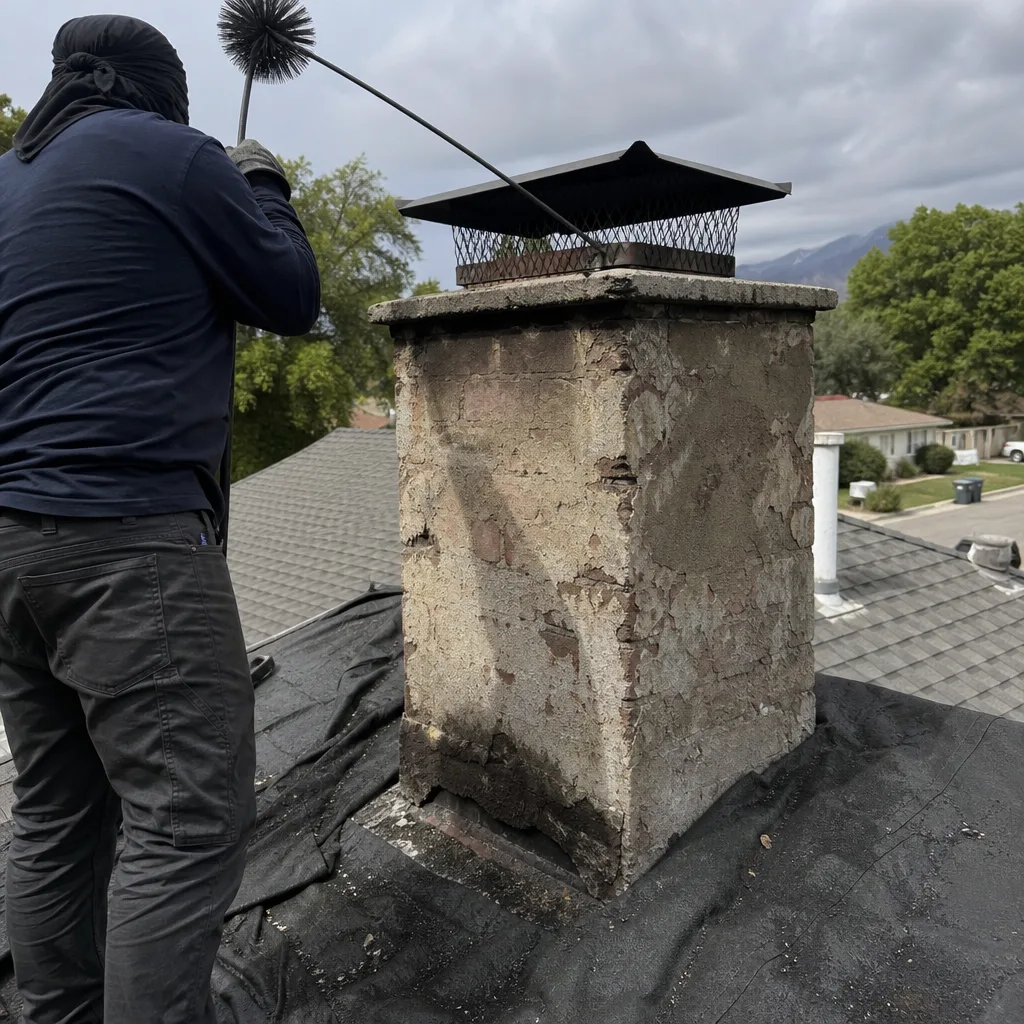 Before
 After
 Before
 After
 Before
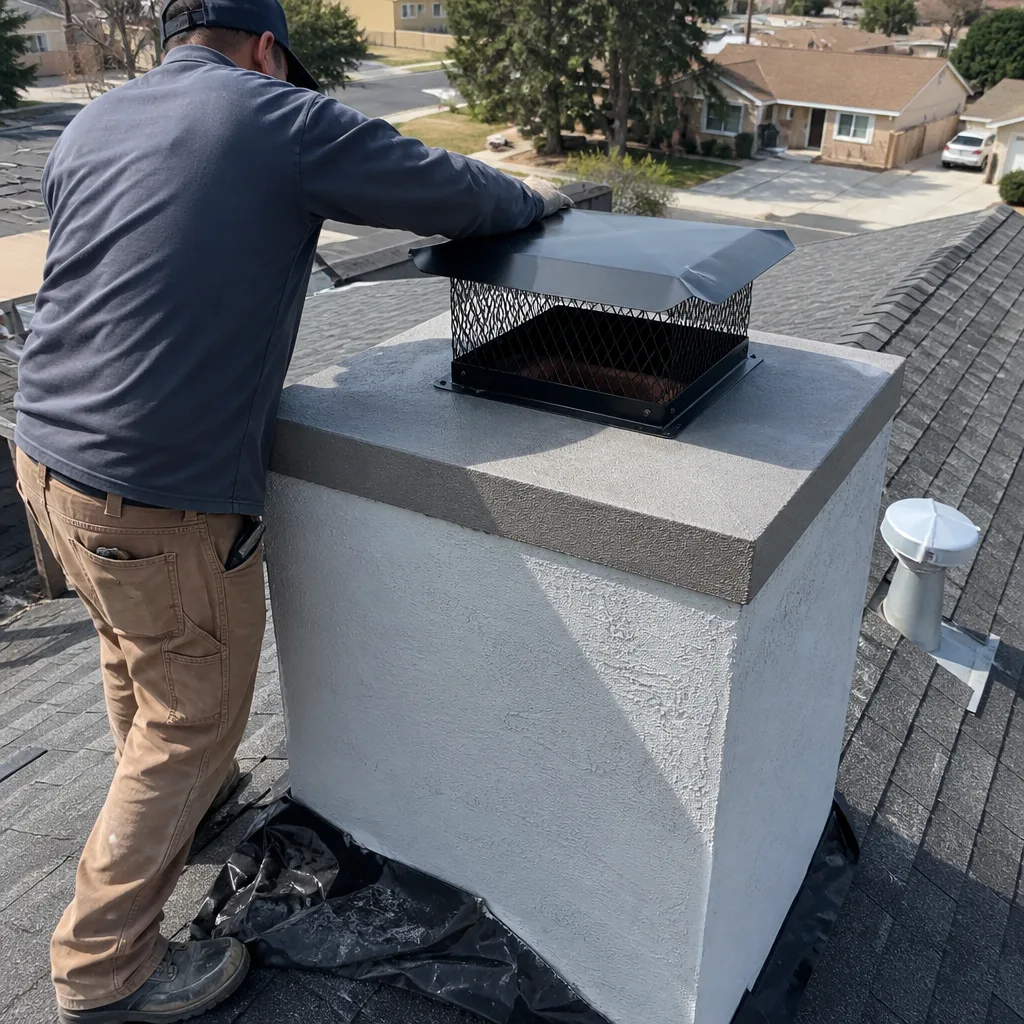 After
Common Chimney Sweep Problems We See in Julian Homes
- Third-degree creosote glaze from heavy pine burning. Julian winters mean near-daily fires from November to March, and pine produces tar-heavy creosote that hardens into a shiny, flammable glaze. Brushes alone won’t remove it; we treat it chemically, then reassess the flue.
- Unlined stone chimneys with chinking gaps. The original 1870s stone chimneys around Main Street and the historic district often have no liner at all. A sweep becomes a relining conversation when a visual check shows gaps where smoke and heat reach framing.
- Clay-tile flues in Victorians with poor draft. Mid-century and Victorian homes in Julian often have shallow fireboxes feeding undersized clay-tile flues. The result: smoke spillage on cold snaps and creosote that accumulates faster in improperly drafting chimneys.
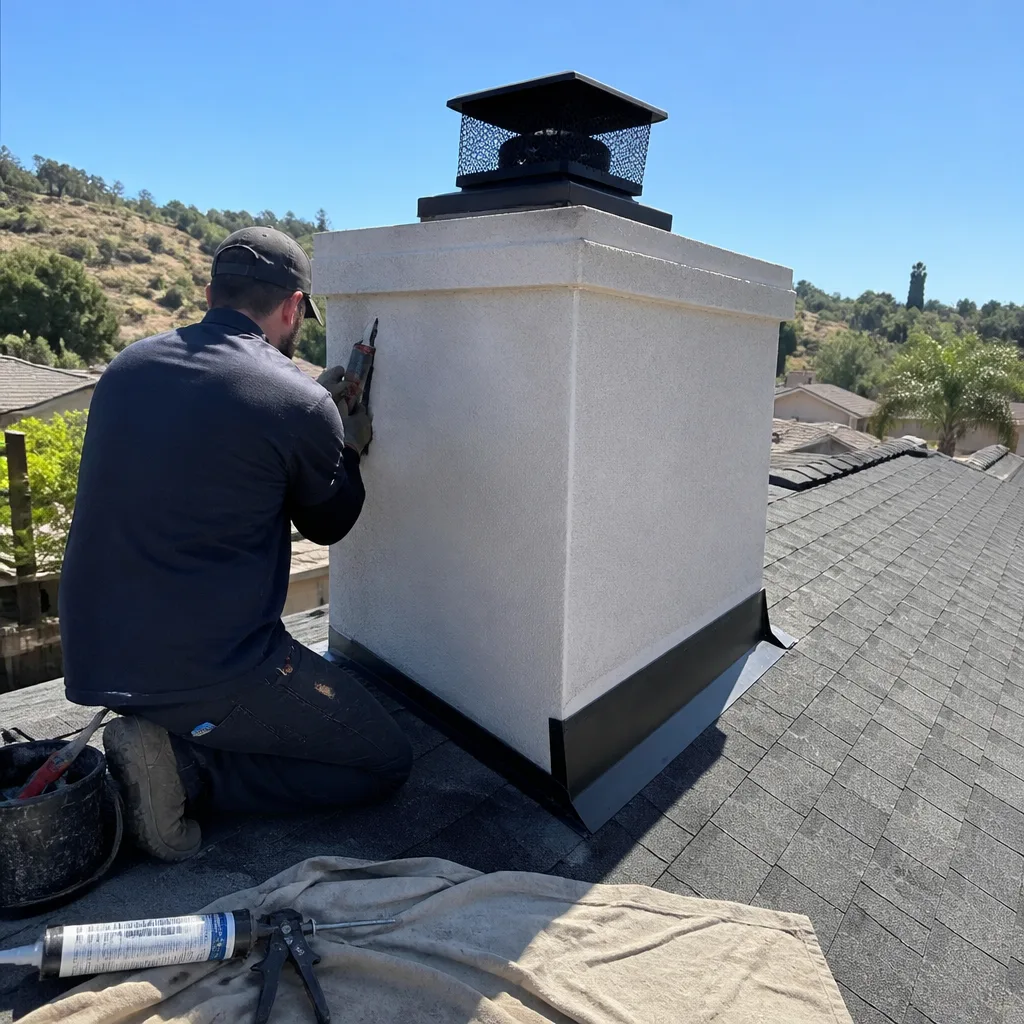
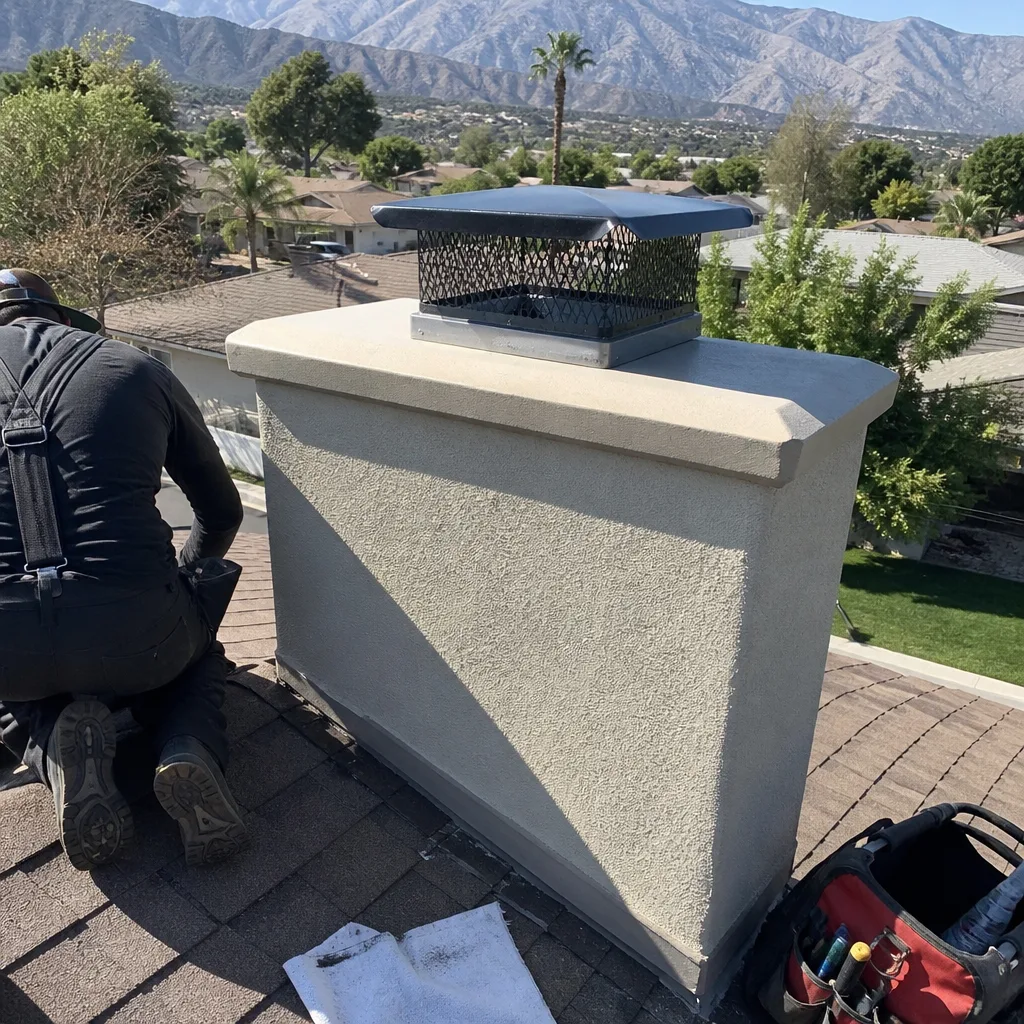
- Failed caps and crowns from freeze-thaw cycles. At 4,000 feet, water gets into masonry, freezes, expands, and cracks crowns and caps. A damaged crown lets water into the flue, which accelerates liner deterioration and makes the next sweep more involved.
Pricing for Chimney Sweep in Julian, CA
What moves the price: the height and accessibility of your roof, the condition of the flue when we start, and whether the sweep turns into a repair conversation. That’s not a bait-and-switch; in Julian, roughly a third of sweeps we do on original stone chimneys do lead to a relining recommendation. When that happens, you’ll see the camera footage first, and the quote is itemized. Call (877) 516-7159 for a free estimate. Estimates are free, and nothing gets recommended without evidence you can see.
We Also Serve Cities Near Julian
Our Chimney Sweep in Julian service area extends to Descanso, Pine Valley, Ramona, and San Diego Country Estates. Those communities share Julian’s elevation and pine-burning habits, so the same creosote and relining issues apply. If you’re anywhere in the 92036 corridor or the surrounding mountain towns, give us a call.
Serving Julian, CA — Our Local Coverage Area
We’re based in the Julian area and know this community well. Use the map below to see our service coverage — if you’re nearby, we can almost certainly help.
FAQs About Chimney Sweep in Julian
How often should Julian homeowners get a chimney inspection?
Once a year, before burning season starts in late October or early November. Julian’s pine-heavy fires produce creosote at roughly twice the rate of a coastal oak fire, and annual inspections catch glaze before it becomes a chimney fire. If your home has an original stone chimney or a clay-tile flue, we recommend a Level 2 camera inspection at least every two years. Call (877) 516-7159 to schedule before the first cold snap.
What’s the difference between first-degree and third-degree creosote?
First-degree creosote is flaky soot that brushes remove easily. Third-degree creosote is a hard, shiny glaze that forms when wood burns at low temperatures and the tar condenses on cold flue walls; it’s a primary fuel source for chimney fires and requires chemical treatment or mechanical removal by a specialist. In Julian, third-degree glaze is common because pine burns tar-heavy and flue walls stay cold at 4,000 feet.
Why do so many Julian chimneys need relining?
Because the housing stock is old and the flues were never designed for modern wood-burning volume. Original 1870s stone chimneys often have no liner at all, and Victorian-era clay-tile flues crack after decades of freeze-thaw cycles. When a visual check shows gaps, cracks, or crumbling mortar, a sweep becomes a relining job. We use HeatShield resurfacing or DuraFlex liner systems to restore safe draft without full masonry rebuilds. Call (877) 516-7159 if your chimney has never been lined.
Can you sweep a chimney with a shallow firebox?
Yes. Shallow fireboxes are common in Julian’s Victorian homes, and they create draft problems that actually make creosote accumulate faster. The sweep itself is the same, but we take extra care with flue sizing and often recommend a draft inspection if your firebox is undersized for the flue. A camera inspection shows us exactly what’s happening inside before we recommend anything.
What signs indicate my chimney cap or crown is failing?
Look for cracked or crumbling mortar on the crown, rust spots on the cap, water stains on the ceiling near the chimney, or a cap that’s loose enough to rattle in wind. At Julian’s elevation, freeze-thaw cycles crack crowns within a few seasons of installation, and a failed crown lets water into the flue where it accelerates creosote bonding and liner damage. We install stainless Famco caps and repair crowns so the next hard winter doesn’t make things worse.
Written by Allen Prescott, Owner at San Bernardino Chimney Sweep, serving Julian and the Cuyamaca Mountain communities.
Ready to get your Julian chimney cleaned and inspected before burning season? Call (877) 516-7159 for a free estimate. We’ll bring the camera, show you exactly what’s in your flue, and fix what needs fixing.